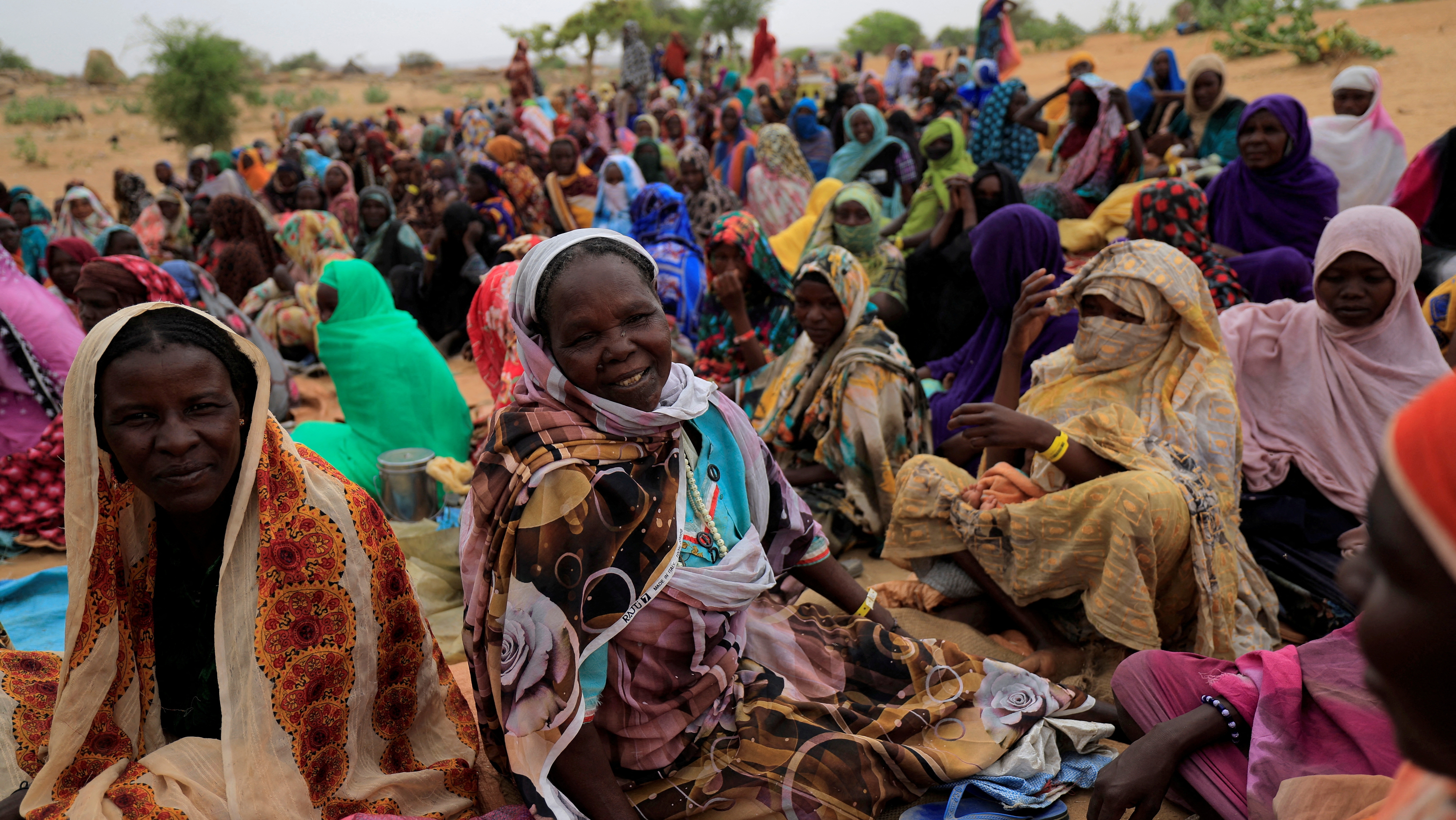
The figure of 110 million represents a somber milestone in human history, marking the total number of individuals forcibly displaced worldwide due to persecution, conflict, violence, and human rights violations. First officially recorded as a "statistical snapshot" by the UNHCR in mid-2023, this number underscores a decade of consecutive growth in global displacement, driven by emergency situations in Sudan, Ukraine, and the Democratic Republic of the Congo.
Defining the Threshold: Why 110 Million Matters
In the landscape of international relations and humanitarian aid, numbers often serve as more than just metrics; they are indicators of systemic failure or unprecedented crisis. When the global community reached the 110 million mark, it was not merely a incremental increase from the previous year’s 108.4 million. It represented a fundamental shift in the scale of the global humanitarian challenge. From the perspective of 2026, we look back at this specific snapshot as the moment when the international protection system was tested beyond its traditional capacity.
The "110 million" figure is a cumulative total. It encompasses refugees, asylum-seekers, internally displaced persons (IDPs), and others in need of international protection. To understand this snapshot, one must recognize that displacement is rarely a static event. It is a fluid process where individuals move from internal displacement to seeking asylum across borders, or in some cases, return home only to be displaced again. The 110 million figure captured a specific moment in time where the velocity of new displacements—particularly the rapid escalation of the conflict in Sudan in early 2023—outpaced the rate of durable solutions like resettlement or voluntary return.
The Anatomy of Displacement: Refugees vs. IDPs
To analyze the 110 million snapshot effectively, we must categorize the population. Displacement is not a monolith; the legal status of an individual dictates the type of aid they receive, the protections they are afforded under international law, and the long-term solutions available to them.
Internally Displaced Persons (IDPs)
Historically and statistically, the largest portion of the 110 million consists of internally displaced persons. These are individuals who have fled their homes for the same reasons as refugees but have not crossed an internationally recognized state border. According to the Internal Displacement Monitoring Centre (IDMC), IDPs often face higher levels of vulnerability because they remain under the jurisdiction of a government that may be the very cause of their displacement or is unable to provide protection due to ongoing conflict.
Refugees Under UNHCR and UNRWA Mandates
Refugees are individuals who have crossed an international border and have a well-founded fear of persecution. In the 110 million snapshot, this group includes those under the mandate of the UNHCR and Palestinian refugees under the mandate of UNRWA (United Nations Relief and Works Agency for Palestine Refugees in the Near East). The legal distinction is critical: refugees are protected by the 1951 Refugee Convention, which prohibits "refoulement"—the forcible return of refugees to a country where they face persecution.
Asylum-Seekers
Asylum-seekers are individuals whose request for sanctuary has yet to be processed. In 2023 and 2024, the backlog of asylum claims reached record highs in many Western nations, contributing significantly to the 110 million total. The statistical snapshot showed that millions were living in legal limbo, waiting for years to have their status determined, which impacts their right to work, access to healthcare, and psychological well-being.
| Category of Displacement | Approximate Count (at the 110M Mark) | Primary Legal Framework |
|---|---|---|
| Internally Displaced (IDPs) | 62.5 Million | Guiding Principles on Internal Displacement |
| Refugees (UNHCR Mandate) | 35.3 Million | 1951 Refugee Convention |
| Refugees (UNRWA Mandate) | 5.9 Million | UN General Assembly Resolutions |
| Asylum-Seekers | 5.4 Million | National Asylum Laws / International Law |
| Other in Need of Protection | 5.2 Million | Regional Protection Frameworks |
Key Drivers: Why the Numbers Surged
The surge to 110 million was not the result of a single event but rather a "polycrisis"—a convergence of multiple, overlapping emergencies. Understanding these drivers is essential for any statistical analysis of the period.
Resurgence of Violent Conflict
Conflict remains the primary engine of displacement. The war in Ukraine, which began in early 2022, caused the fastest displacement crisis since World War II. However, the push to 110 million was solidified by the outbreak of fighting in Sudan in April 2023. Within months, millions were displaced both within Sudan and into neighboring countries like Chad and Egypt. These conflicts, combined with long-standing instability in the Democratic Republic of the Congo, Myanmar, and Syria, created a baseline of displacement that the world struggled to manage.
Economic Collapse and Governance Failure
In many regions, the line between "political" and "economic" displacement has blurred. In countries like Venezuela and Afghanistan, the collapse of state services and hyperinflation forced millions to seek survival elsewhere. While not always classified as refugees under the strictest definition of the 1951 Convention, these individuals constitute a significant portion of the "others in need of international protection" category within the 110 million snapshot.
The Growing Role of Climate Change
By the time the 110 million figure was recorded, climate change had moved from a "future threat" to a "present driver." Disasters such as the floods in Pakistan and the prolonged drought in the Horn of Africa displaced millions. While most climate-induced displacement is internal, it often acts as a threat multiplier, exacerbating existing tensions over land and water, which eventually leads to armed conflict and cross-border flight.
Statistical Breakdown by Region and Host Nation
A common misconception in the 110 million snapshot is that most displaced people flee to high-income countries in Europe or North America. The data tells a different story. The vast majority of the world's displaced people are hosted in low- and middle-income countries, often those neighboring the crisis zones.
- Turkey (Türkiye): For years leading up to 2026, Turkey remained one of the largest host nations, primarily due to the ongoing crisis in Syria.
- Iran and Pakistan: These nations host millions of Afghans, many of whom have been displaced for decades through multiple waves of conflict.
- Colombia: As the primary destination for Venezuelans, Colombia has modeled innovative integration policies, though the sheer scale of the population remains a massive economic challenge.
- Germany: One of the few high-income nations to consistently appear in the top list of host countries, largely due to its response to the 2015-2016 crisis and the 2022 Ukrainian influx.
- Uganda: Known for its progressive refugee policies, Uganda hosts over a million refugees from South Sudan and the DRC, allowing them the right to work and move freely.
The statistical snapshot reveals that geographic proximity is the greatest predictor of where a displaced person will go. This places a disproportionate burden on developing economies, which often lack the infrastructure to support large, sudden population increases.
Demographic Realities: The Human Face of the Data
When we look at the 110 million figure, we must break it down by age and gender to understand the humanitarian requirements.
- Children: Children make up approximately 40% of all forcibly displaced people. This is a staggering statistic, as it means tens of millions of minors are growing up in displacement, often with disrupted education and limited access to specialized pediatric care.
- Women and Girls: Displaced women face unique risks, including increased rates of gender-based violence (GBV) and limited access to reproductive health services. In the 110 million snapshot, it was noted that in many camp settings, women were the primary heads of households, bearing the brunt of the economic struggle to provide for children in exile.
- The Elderly and Disabled: These groups are often the "invisible" displaced. They are less likely to be able to make the arduous journey to a third country for resettlement and may be left behind in conflict zones or under-resourced IDP camps.
The Economic and Social Cost of Inaction
The 110 million snapshot is not just a humanitarian ledger; it is an economic one. Forced displacement at this scale results in a massive loss of human capital. When a doctor from Syria or an engineer from Ukraine is forced to work in low-skilled labor in a host country because their credentials aren't recognized, the global economy suffers.
Furthermore, the cost of providing basic life-saving assistance—food, water, shelter—constantly outpaces the funding provided by donor nations. In the years leading up to 2026, the UNHCR and the World Food Programme (WFP) frequently had to cut rations in camps across Africa and the Middle East because of funding shortfalls. This leads to secondary displacement, as people move again in search of basic survival, further inflating the 110 million figure.
Looking Ahead: Solutions and Resilience
As we reflect on the 110 million milestone from the vantage point of 2026, the focus has shifted from mere "management" of the numbers to finding "durable solutions." These solutions traditionally fall into three categories:
- Voluntary Repatriation: The preferred solution for most refugees is to return home in safety and dignity. However, this requires the resolution of the root causes of conflict, which remains elusive in many of the world's largest displacement crises.
- Local Integration: This involves host countries allowing refugees to become permanent members of the community. This is statistically rare at the scale of 110 million, as it requires significant political will and social cohesion.
- Resettlement to a Third Country: Only a tiny fraction—usually less than 1%—of the world's refugees are ever resettled to countries like the US, Canada, or Australia. While life-changing for the individuals involved, it is not a statistical solution to the 110 million crisis.
Frequently Asked Questions
What was the specific date the 110 million figure was reached?
The UNHCR officially announced that global displacement had reached the 110 million mark in May 2023. This was reported in the "Global Trends" report released in June of that year, which analyzed data from the end of 2022 and the first several months of 2023.
Does the 110 million include people displaced by natural disasters?
Yes and no. The 110 million figure primarily tracks those displaced by "conflict, violence, and persecution." However, because climate change often exacerbates these issues, many individuals displaced by disasters are captured within the IDP statistics if they remain within their own country. Purely "environmental migrants" who cross borders are often not legally classified as refugees, though they contribute to the broader global migration movement.
Which country has the most internally displaced persons?
At the time of the 110 million snapshot, Colombia, Syria, and Sudan had some of the highest populations of IDPs. Sudan's numbers, in particular, saw a catastrophic rise in 2023, with over 6 million people displaced within the country's borders due to the war between the SAF and RSF.
How does the 110 million figure impact global security?
Large-scale displacement can lead to regional instability if not managed with adequate support for host communities. It can strain local resources, lead to social tensions, and in some cases, be exploited by extremist groups for recruitment. However, research consistently shows that refugees are more often the victims of insecurity rather than the perpetrators.
What is the difference between a migrant and a displaced person?
While the terms are often used interchangeably in casual conversation, they have distinct legal meanings. A migrant generally chooses to move, often for economic or educational reasons, and continues to enjoy the protection of their home government. A displaced person (specifically a refugee or IDP) is forced to flee because their life or liberty is at risk, and they often cannot rely on their home government for protection.
Recommendations for Action
To address the reality of 110 million displaced individuals, a shift in strategy is required. Moving forward into the late 2020s, international actors must prioritize:
- Development-Led Aid: Shifting from short-term emergency "band-aids" to long-term development projects that benefit both refugees and host communities.
- Climate Resilience: Investing in climate adaptation in vulnerable regions to prevent the initial "push" factor of environmental displacement.
- Legal Pathway Expansion: Increasing the number of work and study visas for displaced people, allowing them to move safely and contribute to global economies.
The 110 million snapshot serves as a permanent reminder that displacement is a global responsibility. As we navigate the challenges of 2026, the data gathered from that period continues to inform policy, reminding us that behind every statistic is a human story of survival and the pursuit of safety.