The War of 1812 was a multifaceted global conflict involving two primary empires—the United States and Great Britain—alongside several sovereign Indigenous nations and colonial powers. While often viewed as a binary struggle, the war engaged the Shawnee, Creek, Mohawk, Cherokee, Choctaw, Wyandot, Odawa, Ojibwe, and the Kingdom of Spain, each fighting for distinct territorial and political objectives.
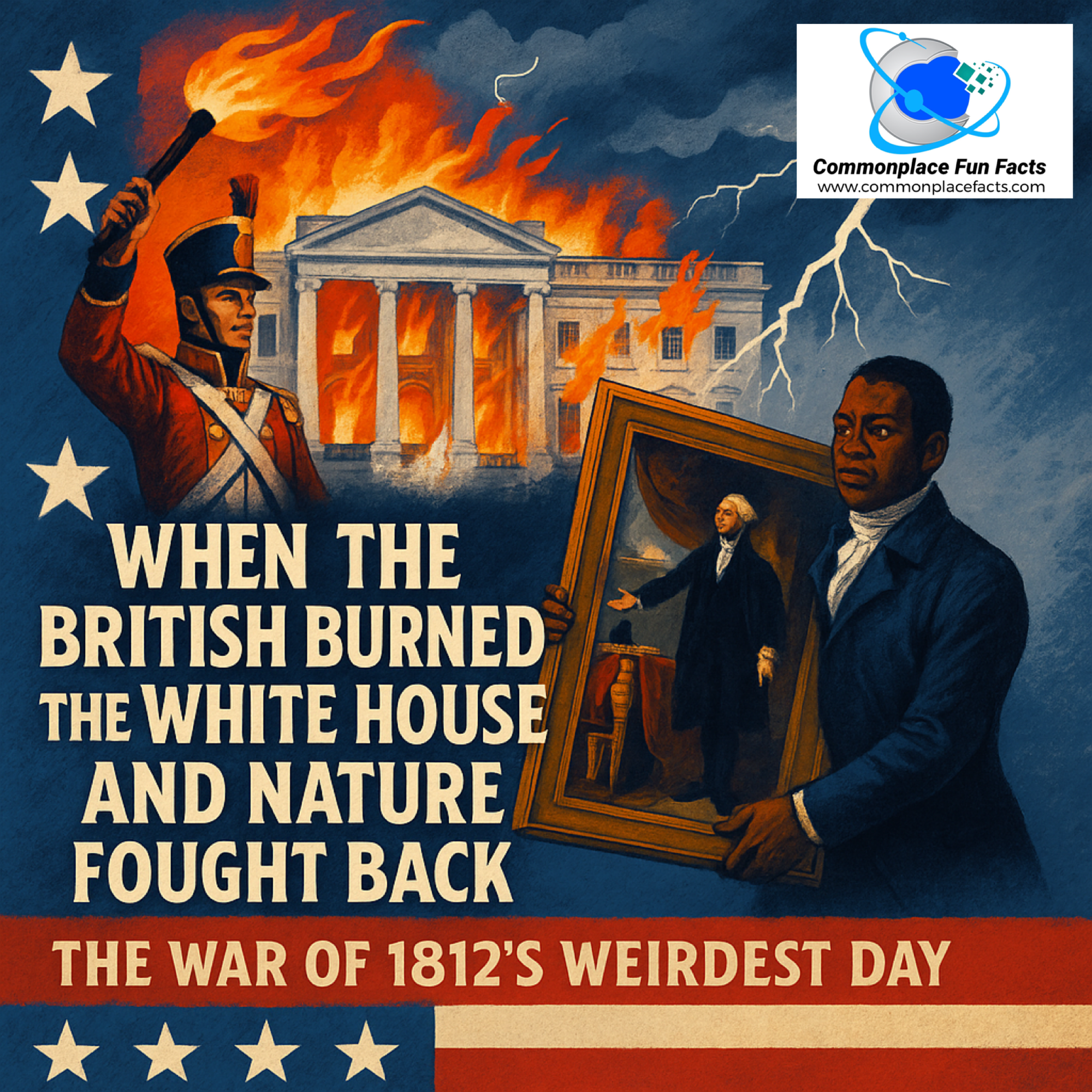
Often referred to as the "Second War of Independence" in American history, the War of 1812 (1812–1815) was a pivotal moment in the development of North American geopolitics. In 2026, as we look back on more than two centuries of history, it is increasingly clear that the conflict was not merely a maritime dispute between the U.S. and Britain. Instead, it was a complex series of overlapping wars that fundamentally reshaped the continent. To understand the conflict, one must look beyond the flagship naval battles and the burning of Washington, D.C., to the diverse nations that staked their survival on the outcome of the struggle.
The Primary Belligerents: United States and Great Britain
The war was sparked by long-standing grievances between the United States and Great Britain. For the U.S., the conflict was a matter of national sovereignty and economic survival. For Great Britain, it was a secondary theater of the much larger Napoleonic Wars raging across Europe.
1. United States of America
The United States declared war on June 18, 1812. The primary motivations were the British practice of impressment—the forced recruitment of American sailors into the Royal Navy—and the British "Orders in Council," which restricted American trade with Napoleonic France. Furthermore, American "War Hawks" in Congress sought to expand U.S. territory into British North America (modern-day Canada) and end British support for Indigenous resistance in the Northwest Territory.
The U.S. entered the war with a tiny professional army and a navy that, while skilled, was vastly outnumbered. The strategy relied heavily on state militias and privateers. By the end of the conflict in 1815, the U.S. had solidified its independence and entered a period of nationalistic expansion known as the "Era of Good Feelings."
2. Great Britain (United Kingdom)
In 1812, Great Britain was the world's preeminent naval power, but its resources were stretched thin by the fight against Napoleon Bonaparte. Britain viewed the American declaration of war as a "stab in the back" while they were busy defending Europe from French hegemony.
British strategy focused on a naval blockade of the American coast and defending the colonies of Upper and Lower Canada. They relied on a professional core of British regulars, local Canadian militias, and strategic alliances with Indigenous nations. As of 2026, British historians often emphasize that for London, the War of 1812 was a distraction that ended with the status quo ante bellum, though it successfully preserved the Canadian colonies.
The Indigenous Nations and Confederacies
For Indigenous peoples, the War of 1812 was a war for survival and the preservation of their homelands. Many nations viewed the British as the "lesser of two evils" because the British government sought to maintain a buffer state between Canada and the expanding United States, rather than seizing land for settlement.
3. The Shawnee (Tecumseh’s Confederacy)
The Shawnee, led by the charismatic war chief Tecumseh and his brother, the Prophet Tenskwatawa, were arguably the most influential Indigenous force in the war. Tecumseh sought to unite all tribes into a single confederacy to halt American westward expansion.
The Shawnee allied with the British, playing a crucial role in the capture of Detroit in 1812. However, the dream of a pan-Indian state died with Tecumseh at the Battle of the Thames in 1813. The Shawnee's involvement illustrates the high stakes of the war for the "Old Northwest" (the Great Lakes region).
4. The Creek Nation (Red Sticks)
The Creek War (1813–1814) was a civil war within the Creek Nation that became inextricably linked to the War of 1812. The Red Sticks, a traditionalist faction influenced by Tecumseh's message, rose up against the "Lower Creeks" who had adopted American-style agriculture and governance.
The Red Sticks fought against U.S. forces led by Andrew Jackson. This conflict culminated in the Battle of Horseshoe Bend, which resulted in the Creek Nation being forced to cede 23 million acres of land to the U.S. government. While the Red Sticks were the primary combatants against the U.S., their defeat had lasting impacts on the entire Muscogee (Creek) people.
5. The Mohawk (Six Nations)
The Mohawk, members of the Haudenosaunee (Iroquois) Confederacy, were divided by the international border. Those living in the Grand River territory in Upper Canada allied with the British, while some Mohawk and Oneida in New York fought alongside the Americans.
Mohawk warriors were instrumental in the British defense of Canada, particularly at the Battle of Beaver Dams and the Battle of Queenston Heights. Their tactical expertise in forest warfare often proved more effective than traditional European line-infantry tactics in the rugged terrain of the Niagara Frontier.
6. The Cherokee
Unlike the Shawnee or the Red Stick Creeks, the Cherokee Nation largely allied with the United States. Under the leadership of figures like Major Ridge and John Ross, Cherokee warriors fought alongside Andrew Jackson during the Creek War.
The Cherokee hoped that by demonstrating their loyalty and adopting European-style governance, they could secure their lands in Georgia and Tennessee. Despite their military contributions at Horseshoe Bend, the subsequent decades saw the U.S. government ignore these services, leading eventually to the Trail of Tears.
7. The Choctaw
The Choctaw were another vital ally of the United States. Under Chief Pushmataha, the Choctaw rejected Tecumseh's call for an alliance against the Americans. Pushmataha famously argued that the Americans had been good neighbors and that the British were the true threat to peace.
Choctaw scouts and warriors provided essential support to U.S. forces in the Southern theater. They were particularly active in the defense of the Gulf Coast and played a role in the Battle of New Orleans in 1815, the final major engagement of the war.
8. The Wyandot
The Wyandot (or Huron) occupied a strategic position in the Ohio Country. Like many other nations, the Wyandot were split. A significant portion, led by Chief Roundhead, joined Tecumseh and the British, believing that a British victory was the only way to retain their ancestral lands.
The Wyandot were renowned for their bravery and were involved in several early British victories. However, the fragmentation of the nation during the war led to significant internal strife and the eventual loss of their territory following the Treaty of Ghent.
9. The Odawa (Ottawa)
The Odawa were key members of the Three Fires Confederacy along with the Ojibwe and Potawatomi. They were staunch allies of the British and were central to the capture of Fort Michilimackinac in 1812.
The Odawa fought to protect their trade routes and regional influence. Their participation underscores the fact that the war was as much about the control of the North American fur trade as it was about maritime rights or national borders.
10. The Ojibwe (Chippewa)
The Ojibwe were a vast and powerful nation spread across the Great Lakes region. Large numbers of Ojibwe warriors joined the British cause, participating in the siege of Fort Meigs and various skirmishes in Upper Canada.
Their primary objective was the defense of their sovereign territory against the encroaching American frontier. For the Ojibwe, the British were a strategic partner that provided gunpowder, tools, and a market for furs, whereas the Americans represented a direct threat to their land base.
The European Stakeholder
11. The Kingdom of Spain
While Spain was not a primary belligerent like Britain or the U.S., it was a significant "nation" involved in the conflict. In 1812, Spain was an ally of Great Britain in the war against Napoleon, but it maintained a precarious neutrality in North America.
However, the U.S. took advantage of the chaos of the War of 1812 to invade Spanish-held West Florida and capture the city of Mobile. The British also used Spanish Pensacola as a base for their operations in the South. Consequently, Spanish colonial forces were forced into defensive actions against American expansionists, making Spain a de facto participant in the Southern theater of the war.
Comparison of National Motivations and Alliances
| Nation | Main Alliance | Primary Objective | Key Outcome |
|---|---|---|---|
| United States | Independent | Maritime rights; Territory expansion | Sovereignty confirmed; Expansionist momentum |
| Great Britain | Independent | Defeat Napoleon; Defend Canada | Status quo ante bellum; Canada preserved |
| Shawnee | British | Pan-Indian Confederacy; Stop expansion | Confederacy collapsed; Forced relocation |
| Creek (Red Sticks) | British / Independent | Maintain traditional culture/land | Massive land cession (Treaty of Fort Jackson) |
| Mohawk | British (mostly) | Protect Haudenosaunee sovereignty | Continued presence in Canada |
| Cherokee | United States | Secure land via diplomacy/service | Temporary security; Eventual relocation |
| Choctaw | United States | Protect tribal borders; Trade | Short-term alliance; Eventual relocation |
| Wyandot | Divided | Territorial integrity | Loss of Ohio lands |
| Spain | Neutral (Pro-British) | Maintain colonial Florida | Loss of West Florida and Mobile |
| Odawa | British | Trade rights; Great Lakes control | End of British support in the Great Lakes |
| Ojibwe | British | Sovereignty; Trade protection | Displacement and loss of influence |
The Impact of the Treaty of Ghent
The War of 1812 officially ended with the signing of the Treaty of Ghent on December 24, 1814. Interestingly, the treaty addressed almost none of the issues that sparked the war. Impressment was not mentioned, nor were maritime rights. Instead, the treaty restored the borders to their pre-war status (status quo ante bellum).
While the U.S. and Britain moved toward a period of long-term peace and cooperation, the Indigenous nations were the primary losers of the peace. Article IX of the treaty required the United States to restore all lands and rights to the Indigenous nations as they existed in 1811. However, the U.S. government largely ignored this provision. Without British military support, which was withdrawn following the treaty, the Indigenous nations could no longer effectively resist American westward expansion.
Frequently Asked Questions
Why did so many Indigenous nations fight with the British?
Indigenous nations generally viewed the British as a more reliable ally than the United States. The British government sought to maintain the Great Lakes region as a "buffer zone" to protect Canada, which aligned with the Indigenous desire to stop American settlement. The British also provided essential supplies and recognized tribal sovereignty more frequently than the land-hungry American government.
Did any nation "win" the War of 1812?
Historians often joke that the Americans believe they won, the British know they didn't lose, and the Canadians believe they won, but the Indigenous peoples definitely lost. The U.S. achieved national respect; Britain preserved its colonies; Canada avoided annexation; but Indigenous nations lost their greatest chance to halt westward expansion and maintain a sovereign state.
What role did Spain play in the conflict?
Spain was embroiled in the Peninsular War at home and struggled to defend its colonies. The U.S. used the War of 1812 as a pretext to seize parts of Spanish Florida, claiming it was necessary for national security. This peripheral conflict is often called the "Patriot War" and is considered a sub-theater of the larger War of 1812.
Was Canada a nation during the War of 1812?
In 1812, Canada was not a sovereign nation but a collection of British colonies (Upper Canada, Lower Canada, and the Maritimes). However, the war is often cited as a foundational moment for Canadian national identity, as the successful defense against American invasion fostered a sense of unity among the diverse French and English-speaking inhabitants.
How did the war affect the status of the "Nations" involved?
The war effectively ended the period of "middle ground" diplomacy where Indigenous nations could play European powers against each other. After 1815, the United States became the sole power in the region east of the Mississippi, leading to the era of forced removals and the reservation system.
Practical Recommendation for Further Study
If you are researching the War of 1812 in 2026, it is highly recommended to visit the official records maintained by the U.S. National Archives and the Library of Congress. These institutions provide digitized primary sources, including the original declarations of war and the Treaty of Ghent. For a more inclusive perspective, explore the resources of the National Museum of the American Indian, which offers detailed accounts of the sovereign Indigenous nations' diplomatic and military strategies during this transformative period of history.