Generally, taking a standard policy loan against the cash value of a permanent life insurance contract does not trigger a taxable event, meaning it is not reported on a Form 1099-R. However, if the policy lapses, is surrendered, or is terminated while an outstanding loan balance exists, the transaction can be treated as a taxable distribution, resulting in the issuance of a Form 1099-R by the insurance carrier.
Navigating the intersection of life insurance policies, cash value loans, and tax reporting can be complex for policyholders. When individuals borrow against their life insurance policies, they often view the transaction as a straightforward loan—similar to borrowing from a bank. However, the internal mechanics of permanent life insurance contracts, such as whole life or universal life, mean that loans interact directly with the policy's cash surrender value. Understanding when and why a Form 1099-R is issued for a life insurance loan requires a thorough look at tax laws, policy mechanics, and the critical distinction between an active loan and a policy lapse or surrender.
Understanding Permanent Life Insurance Loans
To understand why a Form 1099-R might enter the picture, it is essential to first understand how life insurance loans operate. Permanent life insurance policies accumulate a cash value component over time, funded by a portion of the premium payments. Policyholders are permitted to borrow against this accumulated cash value.
How Cash Value Loans Work
When a policyholder requests a loan from an insurance company, the insurer does not actually hand over the policyholder's specific cash value. Instead, the insurance company uses the cash value as collateral and issues a loan from its own general account.
- Interest Charges: The insurance company charges interest on the borrowed amount. Simultaneously, the insurer typically continues to credit interest or dividends to the policy's cash value, often at a slightly lower rate, creating what is known as a "wash loan" or a low net cost of borrowing.
- Repayment Flexibility: Unlike traditional bank loans, life insurance loans generally do not have a mandatory repayment schedule. A policyholder can choose to pay back the principal and accumulated interest, pay only the interest, or leave the loan balance unpaid indefinitely.
The Active Loan Status
As long as the life insurance policy remains active and in force, any money borrowed via a policy loan is considered an advance against the death benefit rather than taxable income. Under Internal Revenue Service (IRS) guidelines, loans are not treated as distributions. Therefore, if you borrow $10,000 from your whole life policy and keep the policy in good standing, you will not receive a Form 1099-R, and you do not need to report this transaction on your federal income tax return.
What is Form 1099-R?
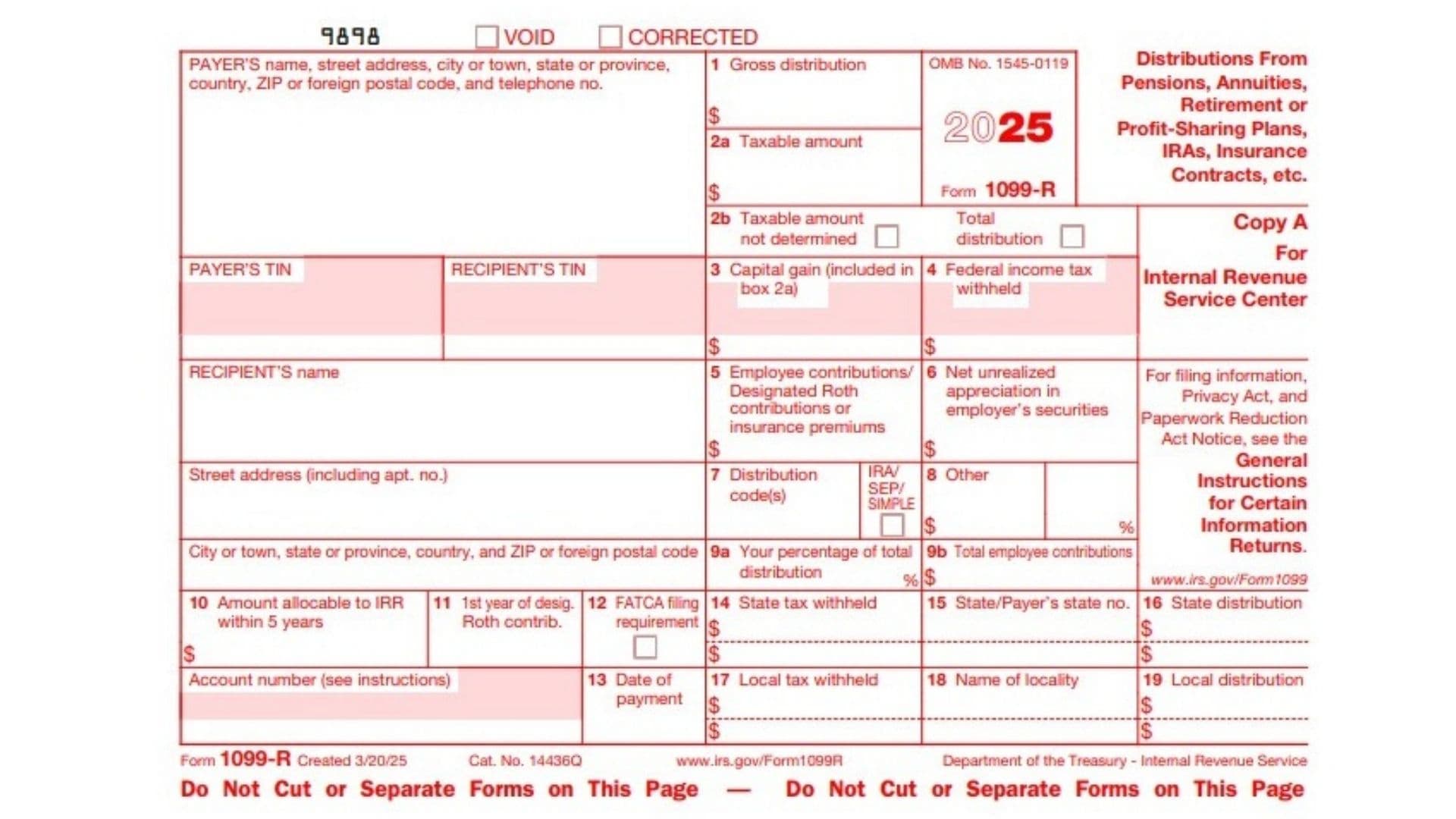
Form 1099-R: Distributions From Pensions, Annuities, Retirement or Profit-Sharing Plans, IRAs, Insurance Contracts, etc. is an IRS tax form used to report distributions from various financial vehicles, including certain life insurance contracts and annuity products.
Insurance companies are legally required to issue a Form 1099-R to both the policyholder and the IRS whenever a reportable distribution occurs from a permanent life insurance policy, annuity, or modified endowment contract (MEC).
Key Components of Form 1099-R
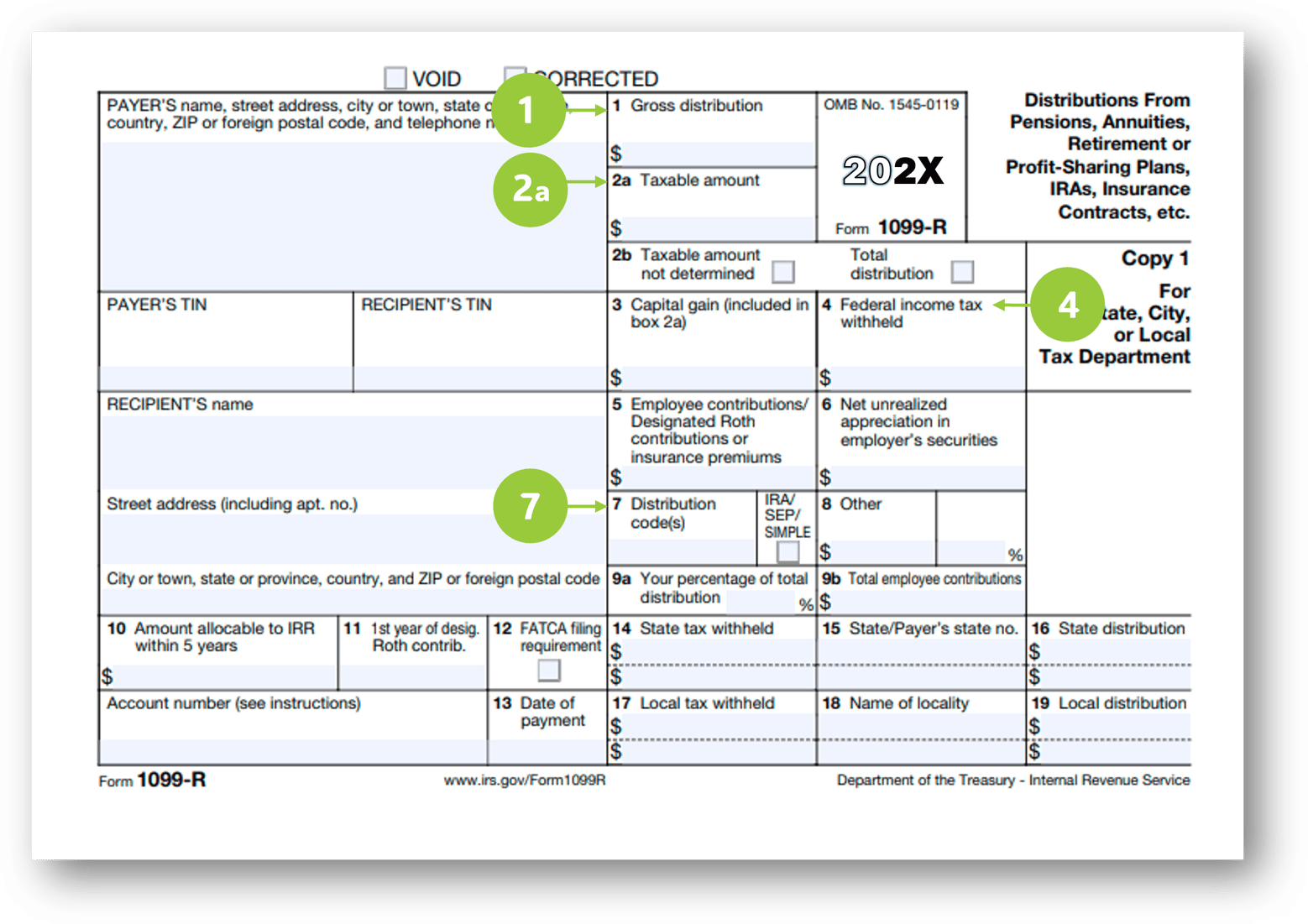
When reviewing a Form 1099-R, several boxes dictate how the transaction impacts your tax liability:
- Box 1 (Gross Distribution): Shows the total amount distributed from the policy or contract.
- Box 2a (Taxable Amount): Indicates the portion of the gross distribution that is subject to federal income tax. For life insurance policies, this is typically calculated as the amount by which the distribution exceeds the policy's cost basis (the total premiums paid minus any previous non-taxable distributions).
- Box 7 (Distribution Code): Uses specific alphanumeric codes to tell the IRS the reason for the distribution (e.g., normal distribution, early distribution, or surrender).
When a Life Insurance Loan Triggers a Form 1099-R
While an active loan does not trigger a 1099-R, several specific scenarios will cause an insurance company to issue the form. These scenarios typically involve the termination, lapse, or structural reclassification of the policy.
1. Policy Lapse or Surrender with an Outstanding Loan
This is the most common reason policyholders unexpectedly receive a Form 1099-R involving a life insurance loan. If a policyholder stops paying premiums, or if the policy's cash value is depleted by administrative fees and unpaid loan interest, the policy can lapse.
When a policy lapses or is formally surrendered while a loan is outstanding, the IRS treats the situation as if the insurance company canceled the debt by taking the equivalent cash value from the policy.
- The "Gain" Calculation: The IRS calculates the distribution amount by adding the outstanding loan balance to any cash actually paid out to the policyholder upon surrender. If this total exceeds the policy's cost basis (premiums paid), the difference is treated as taxable ordinary income.
- The Tax Trap: A policyholder can experience a significant "phantom income" tax bill—where they receive little to no cash from the surrender because the loan consumed the remaining value, yet they owe income tax on the canceled loan amount.
2. The Policy is Classified as a Modified Endowment Contract (MEC)
If a life insurance policy violates federal funding limits by having too much money pumped into it too quickly during its first seven years, it loses its standard life insurance tax status and becomes a Modified Endowment Contract (MEC).
Loans taken against a MEC are treated very differently than loans from a standard permanent policy:
- LIFO Rules: MEC loans are subject to "Last-In, First-Out" (LIFO) tax rules.
- Taxable Distributions: Any loan taken from a MEC—as well as any pledge or assignment of the policy's cash value—is treated as a taxable distribution to the extent of the policy's gain. In this scenario, the insurance company will issue a Form 1099-R reflecting the taxable nature of the loan advance.
Comparing Active Loans vs. Lapsed Loans and MECs
To clearly understand how different life insurance loan scenarios are treated by insurance carriers and the IRS, review the comparison below:
| Loan Status / Policy Type | Triggers Form 1099-R? | Tax Treatment | Primary Driver |
|---|---|---|---|
| Active Standard Policy Loan | No | Tax-free | Policy remains in force; loan is an advance against the death benefit. |
| Lapsed/Surrendered with Loan | Yes | Taxable to the extent cash + loan exceeds cost basis | Outstanding loan is treated as a realized gain when the policy terminates. |
| Modified Endowment Contract (MEC) Loan | Yes | Taxable (LIFO basis) | Policy failed the IRS 7-pay test; loans are treated as distributions. |
Steps to Take If You Receive a Form 1099-R for a Policy Loan
Receiving a Form 1099-R can be alarming, especially if you believed your policy loan was entirely non-taxable. If you receive this form from your insurance provider, take a methodical approach to verify its accuracy and handle the tax reporting correctly.
- Review the Form Details: Examine Box 1 and Box 2a. Determine whether the reported gross distribution matches the total outstanding loan balance plus any cash surrender payout you received when the policy terminated.
- Determine Your Cost Basis: Gather your historical records to calculate your total out-of-pocket premium payments (the cost basis). Subtract any previous dividends or withdrawals you took tax-free over the life of the policy.
- Check Box 7 Distribution Codes: Look at the distribution code provided in Box 7. Common codes include Code 1 (Early distribution, no known exception) or Code 7 (Normal distribution). Understanding the code helps tax software or a tax professional categorize the entry correctly.
- Consult a Tax Professional: Because life insurance taxation involves complex statutory rules regarding cost basis and gain calculations, consult a certified public accountant (CPA) or a qualified tax advisor before filing your return.
Frequently Asked Questions
Do I have to pay taxes on a life insurance policy loan while the policy is active?
No. As long as your permanent life insurance policy remains in force and active, borrowing against its cash value is treated as a loan, not income. You do not report it on your tax return, and no Form 1099-R is issued.
What happens if my life insurance policy lapses with an unpaid loan?
If the policy lapses, the insurance company cancels the policy and applies the outstanding loan balance against the remaining cash value. If the total loan amount exceeds what you paid into the policy in premiums (your cost basis), that excess is treated as taxable ordinary income, and the insurer will issue a Form 1099-R.
Is the entire amount in Box 1 of Form 1099-R taxable?
Not necessarily. Box 1 shows the gross distribution. Box 2a shows the taxable amount. The taxable amount is calculated by subtracting your policy's cost basis (total premiums paid minus prior non-taxable withdrawals) from the total distribution. Only the gain portion is subject to income tax.
How do I prevent a policy loan from causing an unexpected tax bill?
To prevent a taxable event, monitor your policy's cash value regularly—especially in older policies or during market downturns if you have an indexed or variable universal life policy. Ensure that your cash value remains high enough to cover ongoing policy fees and accumulated loan interest so the policy does not lapse unintentionally.
Are loans from a Modified Endowment Contract (MEC) treated like normal loans?
No. If your policy is classified as a MEC due to overfunding under IRS rules, any loan taken against it is treated as a distribution of earnings first (LIFO rule) and is subject to ordinary income tax, plus a potential 10% penalty tax if you are under age 59½.
Next Actions and Professional Guidance
If you are currently managing an outstanding loan on a permanent life insurance policy, request an in-force illustration from your insurance carrier. This document projects the future performance of your policy, highlights the current cash surrender value, and shows how long the policy will remain in force given your current loan balance and interest rate. For those facing a potential policy lapse or who have already received an unexpected Form 1099-R, scheduling a consultation with a tax professional or a fee-only financial planner is the most effective way to address potential tax liabilities and protect your financial standing.