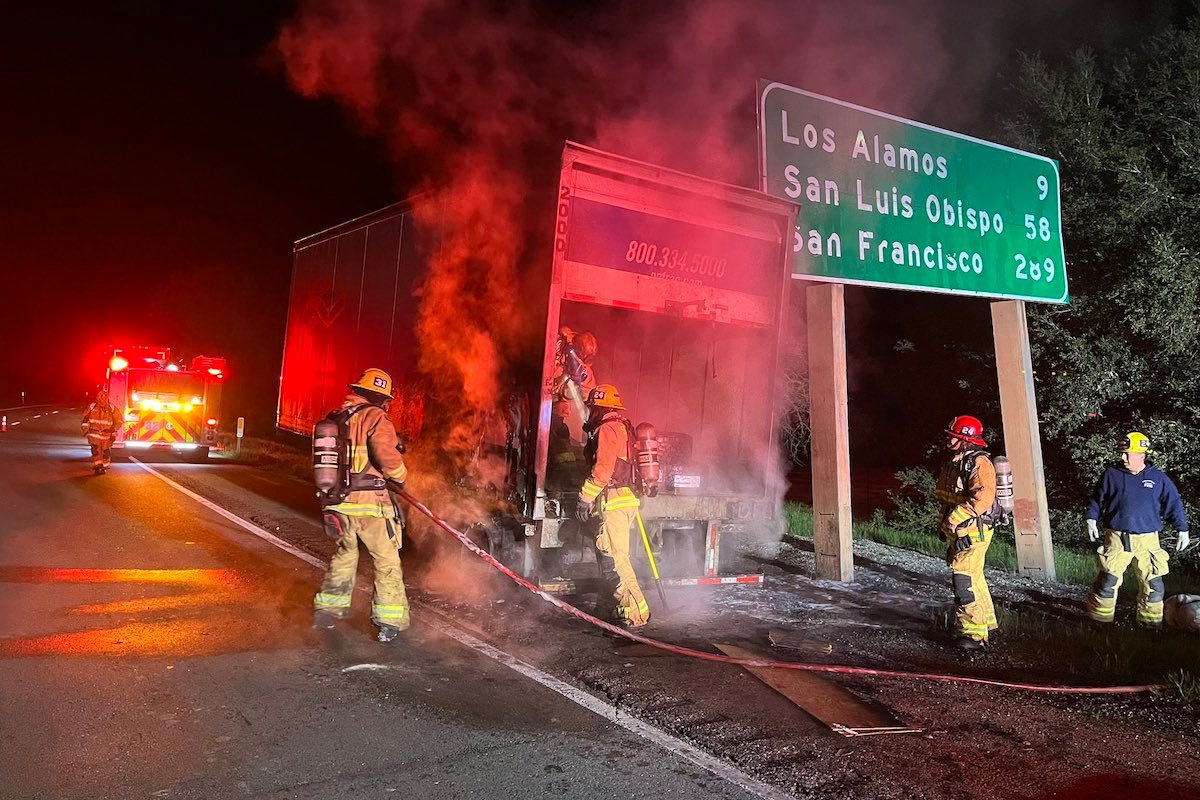
A 101 Freeway fire refers to emergency incidents, brush fires, vehicle blazes, or structural accidents occurring along U.S. Route 101 that cause major traffic disruptions, lane closures, and safety hazards. These events require rapid multi-agency responses from highway patrol and fire departments, immediate commuter rerouting, and thorough infrastructure safety inspections before normal traffic flow can resume.
Introduction to the 101 Freeway and Vulnerability to Fires
U.S. Route 101 is one of the primary north-south arteries of the United States West Coast, traversing vital metropolitan and rural corridors in California, Oregon, and Washington. Because portions of the 101 wind through dense urban landscapes, steep mountain passes, and extensive dry brushland, it is frequently susceptible to different categories of fires. Whether sparked by a mechanical vehicle failure, a traffic collision, or wind-driven wildfires sweeping across coastal ranges, a fire on or immediately adjacent to the 101 Freeway creates acute logistical and safety challenges.
Understanding how these emergencies unfold, how transportation and safety authorities manage them, and how drivers can navigate the resulting disruptions is essential for public safety. This guide examines the anatomy of a 101 Freeway fire, the operational response protocols, commuter best practices, and the long-term infrastructure considerations involved.
Anatomy of Freeway Fires: Common Causes Along the 101
Freeway fires generally fall into three distinct categories based on their origin. Recognizing these origins helps transportation agencies deploy appropriate mitigation strategies and allows drivers to recognize hazardous situations early.
1. Vehicle Malfunctions and Collisions
The most frequent cause of localized lane closures along the 101 involves mechanical or electrical failures in automobiles and commercial trucks.
- Overheated Engines and Brakes: Semi-trucks descending steep grades (such as the Conejo Grade in Ventura County or portions of the Redwood Empire) frequently experience brake fires due to continuous friction.
- Fuel and Electrical Leaks: A high-speed collision can rupture fuel tanks or sever battery cables, igniting gasoline or diesel upon contact with hot exhaust components.
- Tire Blowouts: Shredded rubber meeting friction on asphalt can spark dry grass along the shoulders.
2. Wildfires and Brush Fires
Portions of the 101 run directly through high-risk wildfire zones, particularly in Southern California (Los Angeles, Ventura, and Santa Barbara counties).
- Santa Ana and Sundowner Winds: Strong seasonal winds can push fast-moving brush fires across multiple lanes of the freeway, turning the asphalt into a dynamic hazard zone.
- Human-Caused Ignition: Discarded cigarettes, illegal campfires in adjacent encampments, or sparks from towing chains dragging on pavement frequently ignite the dry brush lining the right-of-way.
3. Infrastructure and Cargo Incidents
Commercial transport vehicles carrying hazardous materials or flammable cargo occasionally catch fire, requiring specialized hazardous materials (HazMat) response teams and extended closures.
Multi-Agency Emergency Response Protocol
When a fire breaks out on or near the 101 Freeway, a highly coordinated multi-agency framework is immediately activated to secure the scene, suppress the fire, and manage traffic flow.
- Incident Detection / 911 Call
- CHP & Local Fire Dispatch Deployment
- Fire Suppression & Rescue
- Traffic Diversion & Closure (Caltrans/ODOT/WSDOT)
- Infrastructure Inspection
- Lane Reopening
1. Detection and Initial Dispatch
Incidents are typically reported via 911 calls from motorists or monitored through closed-circuit television (CCTV) systems operated by departments of transportation (such as Caltrans in California). Dispatch centers simultaneously alert local municipal fire departments or state forestry agencies (such as CAL FIRE) and the highway patrol (such as the California Highway Patrol).
2. Tactical Fire Suppression
Fire engines and water tenders position themselves upwind or behind protective barriers to combat the flames. In severe brush fire scenarios, aerial support—including helicopters dropping water or retardant—may operate directly over the freeway, requiring total air and ground traffic halts to prevent accidents from falling debris or reduced visibility.
3. Traffic Control and Lane Closures
While firefighters work, law enforcement establishes hard closures upstream from the incident. Electronic variable message signs (VMS) along the highway and smartphone navigation applications are updated in real-time to warn approaching drivers and suggest alternative routes.
Commuter Guidance: What to Do During a 101 Freeway Fire
Encountering a fire or being trapped in gridlock caused by a 101 Freeway fire requires calm, systematic decision-making. Drivers should adhere to established safety guidelines to protect themselves and emergency responders.
- Never Drive Through Heavy Smoke: Visibility can drop to zero instantly, and radiant heat can stall engines or melt vehicle components. Pull over safely if trapped, turn on hazard lights, and keep windows closed with the air conditioning set to recirculate cabin air.
- Yield to Emergency Vehicles: Always pull to the right shoulder when safe to do so. Do not tailgate emergency vehicles attempting to push through gridlocked traffic.
- Monitor Official Channels: Rely on official state department of transportation Twitter/X accounts, local emergency broadcast radio, or verified traffic apps rather than unverified social media rumors.
- Prepare an Emergency Kit: Keep water, non-perishable snacks, a portable phone charger, and a first-aid kit in your vehicle, especially during peak wildfire season.
Infrastructure Impact and Repair Procedures
Once a fire is extinguished, the work on the freeway is far from finished. Intense heat can severely compromise the structural integrity of the roadway, bridges, and surrounding safety features.
| Infrastructure Component | Type of Damage Caused by Fire | Repair or Verification Method |
|---|---|---|
| Asphalt Pavement | Melting, structural weakening, loss of binder | Milling and repaving; structural core sampling |
| Concrete Bridges / Overpasses | Spalling, reinforcing steel (rebar) exposure | Nondestructive testing, structural engineering assessment |
| Guardrails and Safety Barriers | Melting of plastic delineators, warping of steel | Immediate replacement of damaged segments |
| Signage and Electrical Wiring | Melted fiber optics, destroyed overhead signs | Rewiring, replacement of VMS boards |
Before Caltrans or other regional transit authorities reopen lanes after a major 101 Freeway fire, structural engineers must certify that bridges and overpasses have not suffered internal micro-cracking or loss of load-bearing capacity. This verification process can take anywhere from a few hours for minor shoulder fires to several days for major tanker explosions or bridge fires.
Frequently Asked Questions
How do I find real-time road closure information during a 101 Freeway fire?
Real-time information is best obtained through official state transportation websites (such as QuickMap for California, TripCheck for Oregon, or WSDOT for Washington). Additionally, local emergency management agencies frequently post rapid updates on social media platforms during active crises.
Can my vehicle insurance cover damage sustained from driving near a freeway fire?
Comprehensive auto insurance policies typically cover damage caused by fire, falling objects, or smoke exposure. However, policy terms vary widely regarding negligence if a driver knowingly drives into an active, barricaded fire zone. Review your specific policy declarations or consult your insurance provider for details.
Why does the highway patrol sometimes keep lanes closed long after the fire is out?
Even after visible flames are extinguished, lanes remain closed for safety investigations, hazardous material cleanup, removal of burned commercial vehicles, and mandatory structural inspections of nearby bridges and retaining walls.
What should I do if my car catches fire while driving on the 101 Freeway?
Safely signal and pull over to the right shoulder or emergency lane as far away from dry brush as possible. Turn off the engine, evacuate all passengers immediately, move far away from the vehicle upwind, and call 911. Do not attempt to open the hood to put out an engine fire, as an influx of oxygen can cause a sudden flare-up.
Conclusion and Next Actions
A 101 Freeway fire presents significant hazards to regional mobility, public safety, and critical infrastructure. By understanding the common causes of these events, respecting emergency closures, and remaining informed via official transportation channels, motorists can minimize risks and support first responder efficiency.
Next Actions:
- Bookmark your state’s official department of transportation mapping tool on your mobile device.
- Review your vehicle's maintenance history to reduce the risk of mechanical fires.
- Plan alternative local routes parallel to your typical 101 commute in case of sudden emergency closures.