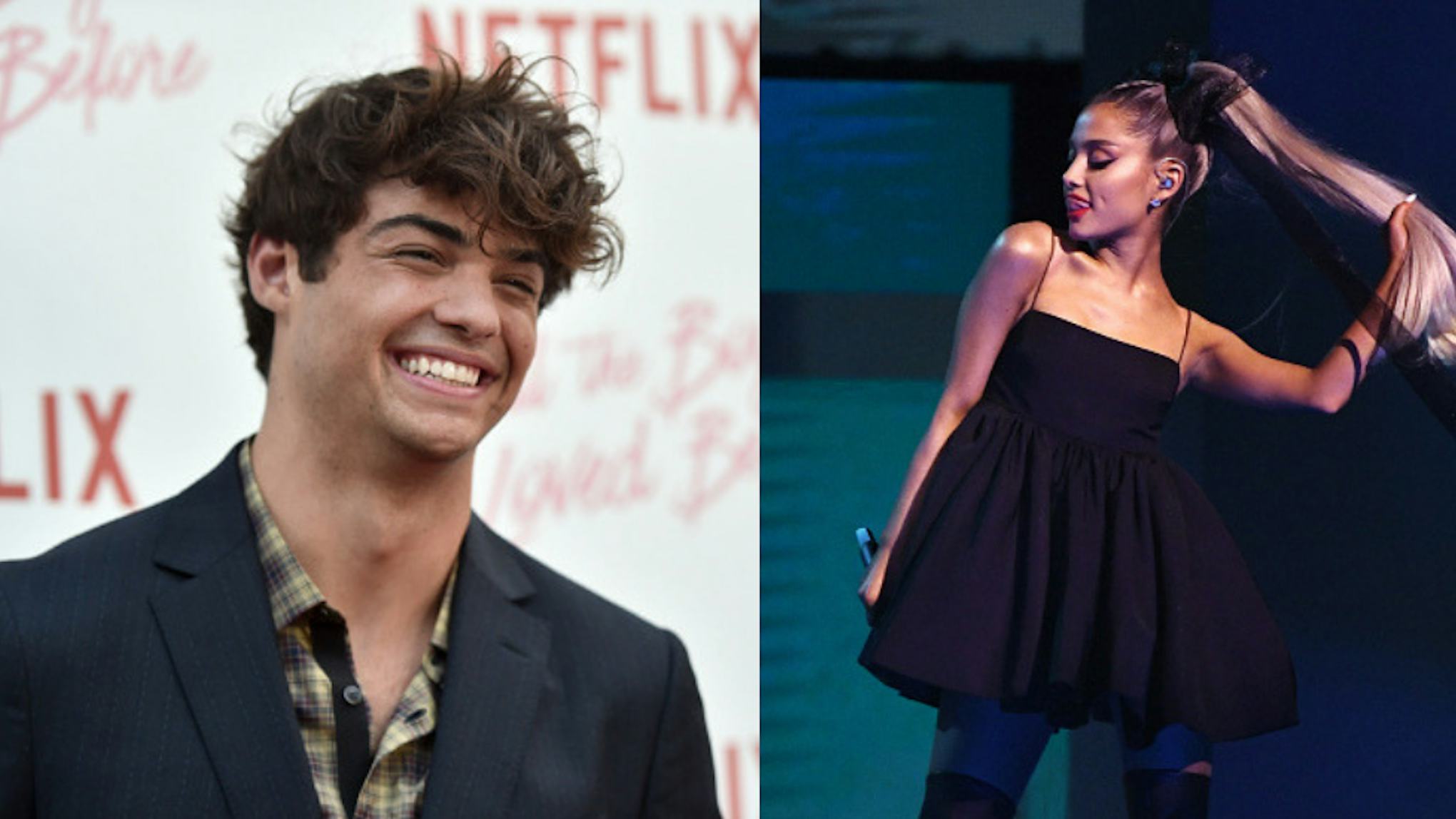
The 2000s generation retains a distinct nostalgia for the era's pop culture icons, whose posters papered bedroom walls, dominated magazine cutouts, and defined early digital fandom across message boards and early social platforms. This retrospective examines ten iconic celebrity crushes from the 2000s that left an indelible mark on fans, exploring their career trajectories, cultural impact, and the elements of star power that made them defining figures of the decade.
The 2000s represented a unique transitional phase in media consumption. Traditional teen magazines, box office blockbusters, MTV Total Request Live (TRL), and early internet fandom converged to create a specific kind of celebrity idolization. Fans did not experience stars through algorithmic feeds or curated day-in-the-life vlogs; instead, they collected glossy tear-outs from Tiger Beat or BOP, watched weekly television broadcasts, and waited for physical magazine issues to hit newsstands.
Examining these figures reveals not only why they captured the collective imagination during the Y2K era, but also how the entertainment industry manufactured and sustained teen idols before the social media revolution. From Disney Channel breakouts and pop royalty to gritty teen drama protagonists, these ten celebrity crushes encapsulate the aesthetic, style, and media landscape of a bygone decade.
The Landscape of 2000s Celebrity Culture
Before exploring the individual idols, it is essential to understand the machinery that built 2000s stardom. The decade was characterized by hyper-visible paparazzi culture, weekly tabloid magazines like Us Weekly and People, and appointment television.
Fans encountered their favorite stars through specific media channels:
- The Teen Magazine Ecosystem: Monthly publications featuring pull-out posters, serialized quizzes, and Q&A columns that cultivated a personal relationship between the reader and the star.
- Cable Television Powerhouses: Networks like The WB, UPN, and the Disney Channel served as incubators for young talent, launching actors into instant global recognition via syndicated weekly series.
- Music Video Countdown Shows: Platforms like MTV's TRL allowed fans to vote obsessively for music videos, turning pop musicians into visual and auditory fixtures of everyday teenage life.
This environment created a distinct archetype for the 2000s crush: approachable yet unattainable, heavily styled in low-rise jeans, frosted tips, or bohemian layers, and omnipresent across entertainment mediums.
1. Chad Michael Murray
Few actors dominated The WB network quite like Chad Michael Murray during the mid-2000s. Emerging first in recurring roles on Gilmore Girls and Dawson's Creek, Murray cemented his status as a definitive teen idol when he took on the role of Lucas Scott on One Tree Hill in 2003.
Murray's appeal lay in the classic "sensitive jock" archetype. As a high school basketball player who carried a weathered paperback and spoke in poetic voiceovers, he bridged the gap between athletic popularity and artistic vulnerability. His presence on magazine covers was ubiquitous, and his personal style—often featuring signature leather jackets, layered tees, and frosted-tipped hair—became a blueprint for 2000s teen fashion. Beyond television, his film work in studio teen comedies like Freaky Friday (2003) and A Cinderella Story (2004) ensured that his status extended from the living room to the multiplex.
2. Hilary Duff
Hilary Duff transitioned from a quintessential Disney Channel star into a multi-platinum pop culture phenomenon during the first half of the 2000s. After capturing the hearts of millions as the titular character in the Disney series Lizzie McGuire (2001–2004), Duff expanded her empire into music, fashion, and feature films.
Duff represented the accessible, girl-next-door crush for a generation of viewers. Her relatability was her greatest asset; she navigated typical teenage struggles on screen while building a legitimate music career with hits like "So Yesterday" and "Come Clean." Her fashion choices—mixing boho-chic skirts with graphic tees and chunky belts—were heavily emulated by fans. Duff’s enduring popularity stems from the genuine warmth and wholesome charm she projected, setting a standard for the millennial pop star archetype.
3. Orlando Bloom
Orlando Bloom’s ascent to global stardom in the early 2000s was nothing short of meteoric. Within a short span, Bloom appeared in two of the largest cinematic franchises in history: playing the elfin archer Legolas in Peter Jackson’s The Lord of the Rings trilogy (beginning with The Fellowship of the Ring in 2001) and the charming blacksmith Will Turner in Pirates of the Caribbean: The Curse of the Black Pearl (2003).
Bloom’s appeal bridged traditional fantasy fandom and mainstream pop culture. With his long, flowing blonde hair in Middle-earth or his swashbuckling pirate aesthetic on the high seas, he embodied the classic romantic hero. He dominated posters in teen magazines worldwide, becoming an archetypal fantasy crush for fans who spent their weekends at midnight theatrical screenings and trade paperbacks.
4. Britney Spears
As the undisputed Princess of Pop, Britney Spears defined the musical and visual landscape of the late 1990s and 2000s. Bursting onto the scene with "...Baby One More Time" in 1998, Spears maintained an iron grip on pop culture throughout the following decade with albums like Oops!... I Did It Again, Britney, and In the Zone.
Spears was not merely a musical act; she was a global cultural touchstone. Her high-energy choreography, memorable music video concepts (from flight attendant uniforms to red latex catsuits), and high-profile personal life made her the ultimate pop crush of the era. She established a template for modern pop performance that combined relentless work ethic, unmatched stage presence, and a distinct fashion sensibility that influenced a generation.
5. Adam Brody
As Seth Cohen on Fox’s breakout teen drama The O.C. (2003–2007), Adam Brody revolutionized the television crush. Before Brody’s portrayal of the sarcastic, comic-book-loving, indie-rock-adoring outcast, network television heroes were overwhelmingly athletic jocks.
Brody introduced the "geek-chic" archetype to mainstream prominence. His character’s rapid-fire pop culture references, awkward charm, and deep romantic devotion to Summer Roberts created a massive cultural following. Brody’s real-life persona—laid-back, musically inclined, and sporting messy indie hair—resonated deeply with fans seeking an alternative to traditional masculine tropes. The O.C. turned Brody into an icon of mid-2000s indie culture and style.
6. Jessica Alba
Jessica Alba’s breakout role in James Cameron’s sci-fi television series Dark Angel (2000–2002) instantly established her as a major action star and global icon. Playing Max Guevara, a genetically enhanced super-soldier, Alba combined physical prowess with striking screen presence.
Alba transitioned seamlessly from television to blockbuster cinema, starring in Fantastic Four (2005) and Into the Blue (2005). Throughout the 2000s, she was a constant fixture atop men’s lifestyle magazine power lists and teen poll awards alike. Her aesthetic—marked by effortless athletic grace, sun-kissed styling, and high-octane action credentials—made her one of the definitive cinematic crushes of the decade.
7. Jesse McCartney
Jesse McCartney first entered the public consciousness as a member of the boy band Dream Street before launching a remarkably successful solo music and acting career in the mid-2000s. His sophomore solo album, Beautiful Soul (2004), and its hit title track cemented his status as pop royalty.
In addition to his music career, McCartney starred as Bradin Westerly on the WB family drama Summerland (2004–2005). With his signature swooping blonde hair, boyish charm, and catalog of earnest pop ballads, McCartney was a staple of teen magazine centerfolds. He represented the quintessential clean-cut pop crush of the mid-2000s, capturing the hearts of fans through both radio airwaves and television screens.
8. Beyoncé Knowles
By the mid-2000s, Beyoncé Knowles had successfully transitioned from the breakout lead singer of Destiny’s Child into a solo superstar of historic proportions. With the release of her debut solo album Dangerously in Love (2003) and sophomore effort B'Day (2006), she established herself as an unrivaled vocal powerhouse and global icon.
Beyoncé’s influence on 2000s pop culture extended far beyond her chart-topping singles. Known for her fierce stage presence, intricate choreography, and trendsetting fashion, she became a towering cultural figure. Her ability to balance polished glamour with undeniable artistic authority made her a generational idol whose impact continues to shape modern entertainment.
9. Ashton Kutcher
Ashton Kutcher defined the comedy and prank culture of the early 2000s. Best known for his long-running role as the lovable airhead Michael Kelso on That '70s Show (1998–2006), Kutcher expanded his reach by creating and hosting MTV’s hidden-camera practical joke show Punk'd (2003–2007).
Kutcher’s appeal rested on his tall, lanky frame, boyish charm, and comedic timing. He was the embodiment of the carefree, goofball heartthrob. His presence on Punk'd made him the gatekeeper of early-2000s celebrity coolness, bridging the gap between traditional sitcom acting and the emerging reality-TV landscape. His trucker hats, graphic tees, and laid-back attitude became defining elements of mid-2000s casual wear.
10. Lindsay Lohan
Lindsay Lohan’s trajectory through the 2000s represents one of the most prolific teen film runs in modern cinematic history. After charming audiences in Disney’s The Parent Trap remake (1998), Lohan anchored a string of defining 2000s comedies: Freaky Friday (2003), Confessions of a Teenage Drama Queen (2004), and her masterwork of teen cinema, Mean Girls (2004).
Lohan also launched a brief but successful pop music career with albums like Speak (2004). During the first half of the decade, she was the undisputed queen of teen cinema—talented, charismatic, and magnetic on screen. Her sharp comedic timing in Mean Girls and her relatable vulnerability in family comedies made her a central figure of 2000s pop culture nostalgia.
Comparative Overview of 2000s Icons
To better understand the distinct spaces these ten figures occupied in the media landscape, the table below categorizes them by their primary medium, signature style, and defining cultural contribution.
| Celebrity | Primary 2000s Medium | Signature Style / Archetype | Defining Cultural Contribution |
|---|---|---|---|
| Chad Michael Murray | Television / Film | Sensitive Jock / Leather Jackets | Defining the WB network aesthetic and teen film romantic lead. |
| Hilary Duff | Television / Music | Girl-Next-Door / Boho-Chic | Transitioning the Disney Channel formula into a pop and lifestyle empire. |
| Orlando Bloom | Blockbuster Film | Fantasy Hero / Swashbuckler | Anchoring two of the largest fantasy and adventure franchises in history. |
| Britney Spears | Pop Music / Video | Pop Royalty / High-Energy Glamour | Establishing the modern commercial pop star blueprint. |
| Adam Brody | Television | Geek-Chic / Indie Outcast | Redefining television masculinity via The O.C. |
| Jessica Alba | Television / Film | Action Star / Sun-Kissed Glamour | Merging physical sci-fi action heroics with mainstream stardom. |
| Jesse McCartney | Pop Music / Television | Boy-Band Alumni / Clean-Cut Pop | Delivering quintessential mid-2000s teen pop anthems and centerfolds. |
| Beyoncé Knowles | Music / Film | Global Icon / Powerhouse Performer | Redefining modern stage performance and solo pop stardom. |
| Ashton Kutcher | Television / Reality | Goofball Heartthrob / Trucker Hats | Dominating sitcom comedy and launching early reality prank culture. |
| Lindsay Lohan | Film / Music | Teen Cinema Queen / Comedic Lead | Anchoring the definitive teen comedy and family films of the decade. |
Frequently Asked Questions
Why do 2000s celebrity crushes hold such strong nostalgia today?
The 2000s occurred just before the complete saturation of social media. Fans experienced a degree of separation and mystery regarding their favorite stars that is impossible to replicate today. Collecting physical magazines, watching scheduled television broadcasts, and waiting for weekly music countdowns created a focused, ritualistic form of fandom that fosters deep emotional attachment.
How did teen magazines contribute to 2000s fandom?
Magazines like Tiger Beat, BOP, and Seventeen served as the primary physical conduit between stars and fans. They provided exclusive interviews, pull-out posters that decorated millions of bedroom walls, and serialized quizzes that made fans feel personally connected to actors and musicians in a pre-digital era.
What was the defining fashion style for 2000s idols?
The decade’s fashion was eclectic, featuring low-rise jeans, trucker hats, frosted-tipped hair, graphic tees, layered bohemian skirts, and chunky belts. Icons often mixed casual streetwear with early red-carpet trends that looked starkly different from the minimalist aesthetics of subsequent decades.
How has the concept of a "celebrity crush" changed since the 2000s?
In the 2000s, crushes were largely manufactured and maintained by traditional gatekeepers like movie studios, television networks, and print publications. Today, social media platforms allow celebrities to maintain direct, unfiltered, and constant contact with fans, altering the dynamic of parasocial relationships and idolization.
Are these 2000s stars still active in the entertainment industry?
Many of these figures have maintained long-term careers, transitioning into producing, entrepreneurship, prestige television, or legacy music tours. Others have stepped away from the spotlight or shifted focus to personal ventures, but their 2000s output remains culturally referenced across internet memes and millennial retrospectives.
Final Recommendation
For those looking to revisit the cultural impact of these defining figures, the best approach is to explore the primary media that made them famous rather than modern retrospectives. Rewatching foundational television series like The O.C. and One Tree Hill, revisiting classic 2000s teen comedies like Mean Girls and A Cinderella Story, and spinning turn-of-the-millennium pop albums provides an authentic window into why these ten celebrity crushes captured the hearts of a generation.