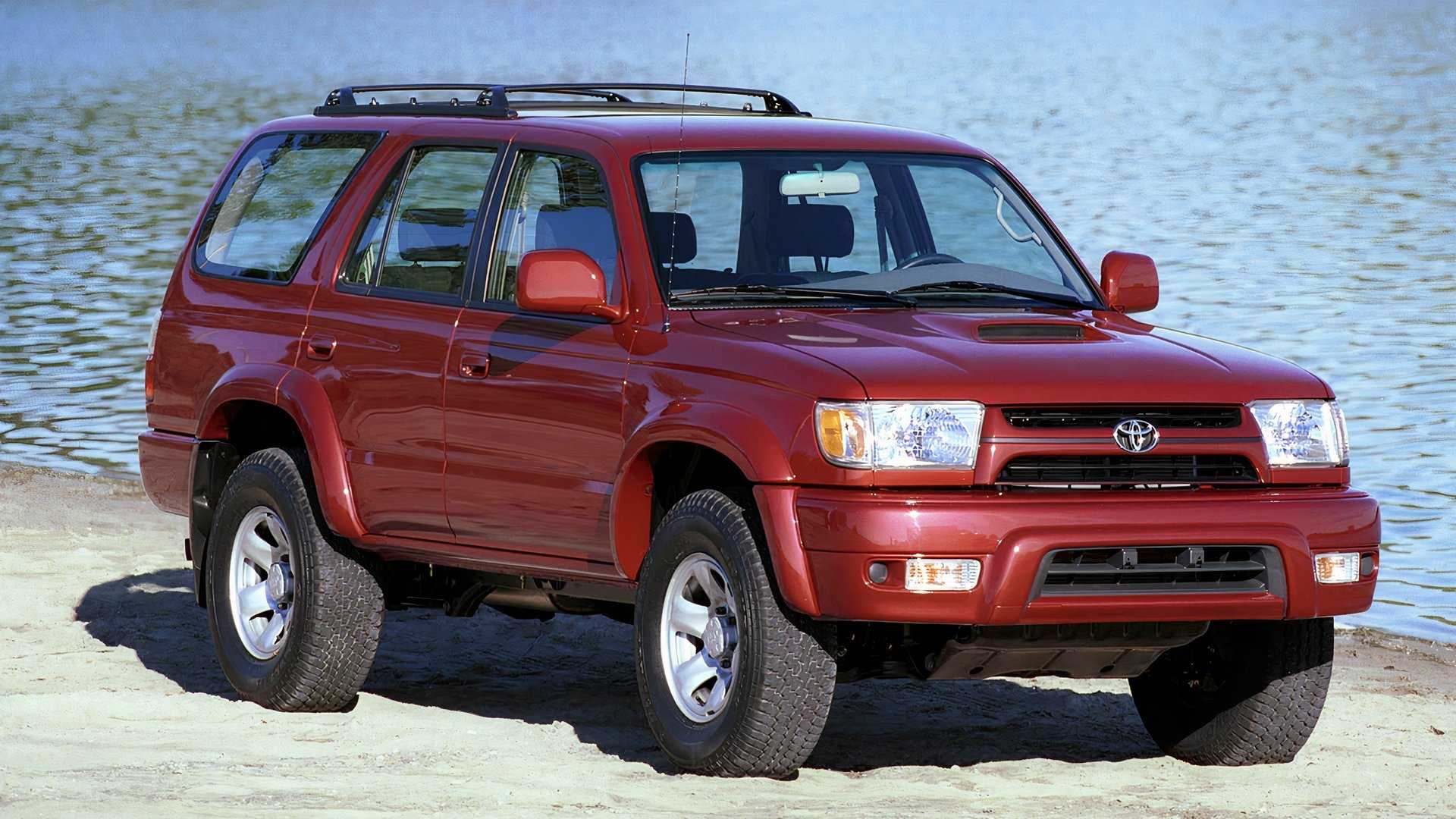
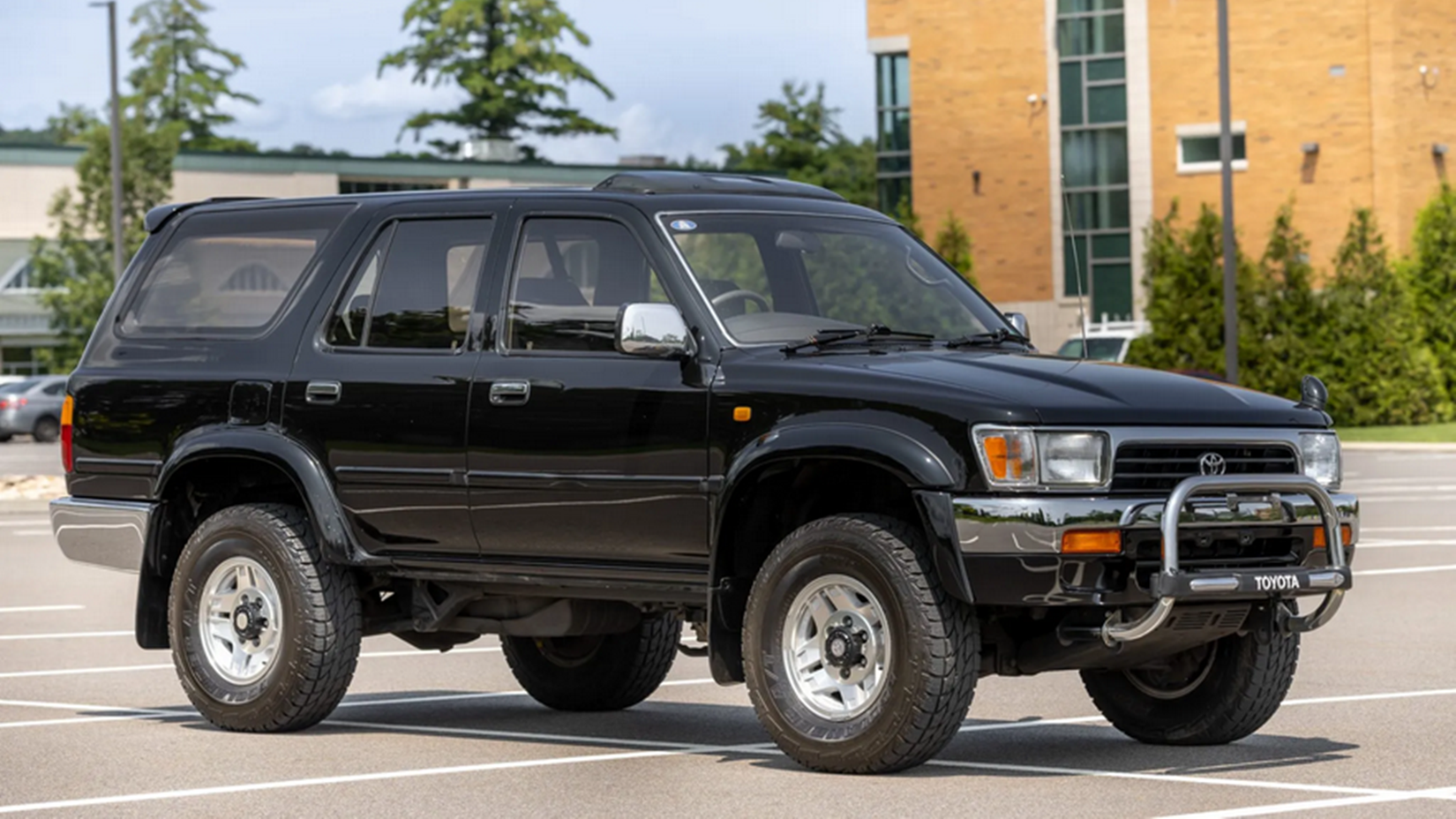
The Toyota 4Runner is widely recognized as one of the most reliable and capable SUVs in automotive history, yet the North American market never received a factory-produced diesel version. While diesel variants were engineered and sold in international markets under the Hilux Surf nameplate, they remain highly sought-after imports in the United States today due to their legendary longevity and torque-heavy performance.
The Toyota 4Runner—known internationally as the Hilux Surf during its earlier generations—has cemented a reputation for extreme off-road durability. When enthusiasts discuss a "Toyota Diesel 4Runner," they are almost exclusively referring to the diesel-powered Hilux Surf models produced from 1984 through the late 1990s. These vehicles were primarily sold in Japan, Australia, and parts of Europe, utilizing a variety of Toyota’s robust diesel engines, such as the 2L, 2L-T, and the later 1KZ-TE series. Because these engines were never officially certified for sale in the United States by Toyota Motor Sales, U.S.-based owners typically acquire them through gray-market importation once the vehicles reach the 25-year age threshold mandated by federal law.
The Evolution of the Platform
To understand the diesel 4Runner, one must first understand its roots. The 4Runner was born from the marriage of a pickup truck chassis and a fiberglass cargo shell. In Japan, Toyota marketed the closed-body version as the Hilux Surf. This branding distinction is crucial for collectors and mechanics, as the Hilux Surf architecture was designed from the outset to accommodate various powertrain options, including naturally aspirated and turbocharged diesel engines that were popular in overseas markets where fuel efficiency and low-end grunt were prioritized over the high-revving gasoline engines preferred in America.
The First Generation (1984–1989)
The inaugural 4Runner/Hilux Surf featured a solid front axle and a rudimentary interior. Diesel enthusiasts focus on this era for the 2.4-liter 2L and 2L-T (turbocharged) engines. These motors were mechanical marvels for their time but are often cited for having less horsepower than their gasoline counterparts. However, the torque delivery at low RPMs made them exceptional for rock crawling and heavy-duty utility, which was the intended purpose of the vehicle in agricultural and rugged mountainous regions globally.
The Second Generation (1989–1995)
This era saw a significant transition toward a more passenger-oriented interior while maintaining a body-on-frame design. The 2L-TE engine (the electronic-fuel-injection version of the 2L) became common. These models improved fuel economy but were notoriously sensitive to cooling system maintenance. A common point of discussion among enthusiasts is the cylinder head longevity on these early diesel units; they are prone to cracking if the cooling system is not meticulously maintained, a lesson learned by many international owners over the last three decades.
The Third Generation (1995–2002)
Widely considered the "golden era" of the platform, the third generation introduced the 1KZ-TE engine. This 3.0-liter turbo-diesel engine is perhaps the most revered diesel power plant ever placed in the Hilux Surf. With a significant jump in power and reliability, the 1KZ-TE made the SUV a capable highway cruiser. By the time this generation reached its twilight in the early 2000s, the 4Runner had fully diverged from the Hilux pickup platform, solidifying its place as a standalone mid-size SUV.
Technical Comparison of Common Diesel Power Plants
Understanding the specific engine variant is essential for maintenance, parts sourcing, and performance expectations. The following table outlines the most common engines found in imported Hilux Surf models:
| Engine Code | Displacement | Induction | Primary Era | Characteristics |
|---|---|---|---|---|
| 2L | 2.4L | Naturally Aspirated | 1984–1988 | Basic, slow, extremely durable |
| 2L-T | 2.4L | Turbocharged | 1985–1989 | Better torque; cooling-sensitive |
| 2L-TE | 2.4L | Turbo/Electronic | 1989–1993 | Complex injection; improved efficiency |
| 1KZ-TE | 3.0L | Turbo/Intercooled | 1993–2002 | The "Gold Standard" for reliability |
The Reality of Owning a Diesel 4Runner in the U.S.
Owning a diesel 4Runner in the United States in 2026 presents a unique set of challenges and rewards. Because these vehicles were not built for the U.S. market, local Toyota dealerships will not have access to parts diagrams or engine components in their internal systems. Owners must rely on sourcing parts from specialized importers or utilizing international online databases, which often requires cross-referencing part numbers with the JDM (Japanese Domestic Market) parts catalogs.
Furthermore, state-specific emission regulations create a barrier to ownership in states like California. Before considering the purchase or importation of a diesel 4Runner, one must consult the local Department of Motor Vehicles and the Environmental Protection Agency (EPA) guidelines regarding imported vehicles. Even vehicles that are over 25 years old and exempt from certain federal import restrictions may still face individual state-level hurdles concerning diesel exhaust standards and registration requirements.
Maintenance and Troubleshooting
The primary failure point for the 2L and 1KZ series engines is the cooling system. Because these engines were designed for lower-speed, high-load environments, they are susceptible to heat soak in high-speed, hot-weather U.S. highway conditions.
- Cooling System Overhaul: Many owners replace the factory radiator with an oversized aluminum unit immediately upon arrival to combat the risk of cracked cylinder heads.
- Fuel Quality: Modern ultra-low-sulfur diesel (ULSD) can be harsh on the seals of older mechanical injection pumps. The use of a high-quality lubricity additive is a standard recommendation among the diesel enthusiast community to prevent premature pump wear.
- Electronic Management: For the 1KZ-TE, the electronic control unit (ECU) capacitors are known to fail after several decades. Proactive replacement of these capacitors is a common, cost-effective preventative maintenance task that can prevent the vehicle from stalling or experiencing erratic idle.
Frequently Asked Questions
Are Toyota Diesel 4Runners fuel-efficient? Compared to the gasoline-powered V6 engines of the same era, the diesel variants offer better fuel economy, typically achieving 20–25 mpg depending on driving conditions. However, the aerodynamic drag of the 4Runner body limits the ultimate efficiency gains compared to a sedan.
Can I swap a 1KZ-TE engine into a U.S.-spec 4Runner? While technically possible, this is a significant engineering task. It requires custom engine mounts, wiring harness integration, and fuel system modifications. It is generally easier and more cost-effective to import a complete vehicle than to perform a high-quality engine swap.
Is it difficult to find parts for these engines in the U.S.? Routine maintenance parts (filters, hoses, belts) are widely available through online importers. Major internal engine components may require a longer lead time, as they often need to be shipped from Japan, Australia, or Southeast Asia.
Why did Toyota not sell the diesel 4Runner in North America? Historically, diesel fuel was significantly more expensive than gasoline in the U.S. during the 1980s and 1990s, and consumer demand for diesel passenger vehicles was very low compared to the high-torque, "American-style" gasoline V6 and V8 engines.
Do these diesel models provide more power than gasoline models? They provide more torque, which is excellent for towing and off-roading at low speeds. However, they generally have lower peak horsepower, resulting in slower acceleration and lower top speeds compared to their gasoline counterparts.
Final Recommendation
For the enthusiast interested in a diesel 4Runner, the path forward is clear: focus on finding a well-documented 1KZ-TE third-generation model. Ensure that the vehicle has a clear history of cooling system maintenance, and have a qualified diesel mechanic verify the health of the fuel injection pump. Before committing to a purchase, confirm the legality of the registration in your specific jurisdiction. While they require more attention than a standard U.S.-market vehicle, the unique experience of driving a diesel-powered Toyota legend remains one of the most rewarding pursuits for off-road enthusiasts.