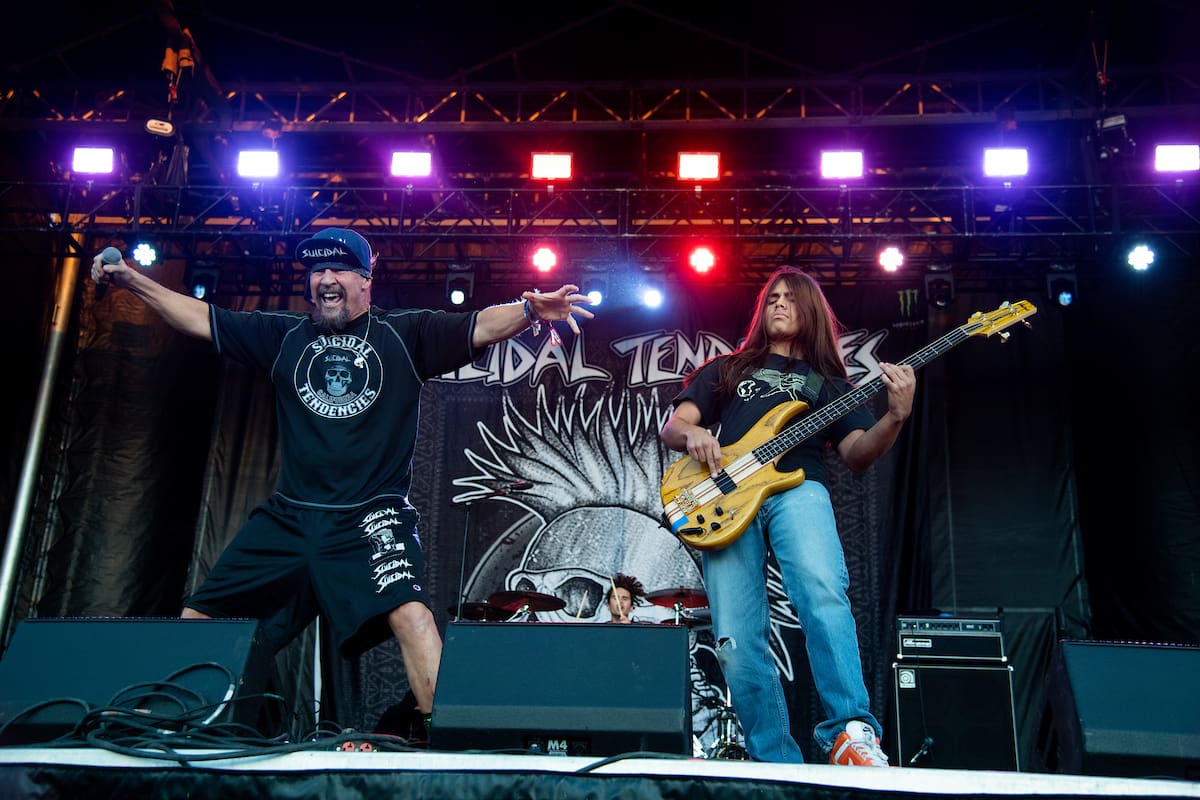
In 1980, Mike Muir founded Suicidal Tendencies in Venice, California, originally as a "party band" intended for local social gatherings. Over the next four decades, Muir transformed the group from a neighborhood hardcore punk outfit into a global pioneer of the crossover thrash genre, blending punk aggression with heavy metal technicality.
The story of Mike Muir and the founding of Suicidal Tendencies is not merely a chronicle of a musical group; it is a study of how geography, subculture, and a singular creative vision converged in Southern California at the dawn of the 1980s. Mike Muir, often referred to by his moniker "Cyco Miko," established a blueprint for independent music that prioritized local identity, DIY ethics, and a refusal to be pigeonholed by industry standards. As we look at the band's legacy in 2026, their origins remain a cornerstone of American counterculture.
The Cultural Crucible of Venice Beach in 1980
To understand why Mike Muir founded Suicidal Tendencies in 1980, one must first understand the environment of Venice Beach and Santa Monica during that era. Often referred to as "Dogtown," this region was the epicenter of a burgeoning skateboarding revolution. The culture was gritty, territorial, and deeply suspicious of the mainstream "glamour" of Los Angeles.
Venice in 1980 was a melting pot of surfers, skaters, and marginalized youth. Muir, whose older brother Jim Muir was a founding member of the legendary Z-Boys skating team, was immersed in this high-energy, rebellious atmosphere from a young age. This connection to the skate world provided the initial audience and the aesthetic foundation for the band. The "Suicidal" look—the flip-up brim hats, the blue bandanas, and the buttoned-top flannel shirts—was not a costume; it was a direct reflection of the Venice street style of the time.
The founding of the band was a response to the boredom and creative energy of the Venice youth. At the time, the Los Angeles punk scene was centered mostly in Hollywood, featuring bands that often felt disconnected from the beach-front reality of Venice. Muir sought to create something that felt "homegrown," representing the specific frustrations and energy of his neighborhood.
The 1980 Formation: Muir’s Creative Catalyst
When Mike Muir started Suicidal Tendencies in 1980, he did not initially envision a multi-platinum career. The band was a vehicle for expression among friends. The early lineups were fluid, a common characteristic of the early 1980s hardcore scene where musicians frequently moved between projects.
The definitive early era of the band began to solidify as they moved toward their first recording sessions. While Muir was the constant presence and the primary lyricist, he surrounded himself with musicians who could bridge the gap between different musical worlds. By the time they recorded their seminal self-titled debut in the early 1980s, the lineup featured Grant Estes on guitar, Louiche Mayorga on bass, and Amery Smith on drums.
Muir’s role was unique. He wasn't a traditional singer; he was a frantic, rhythmic orator. His lyrics focused on internal struggles, social alienation, and the feeling of being misunderstood by authority figures—themes that resonated deeply with the "latchkey kids" of the era. This focus on the "mental" aspect of rebellion distinguished Suicidal Tendencies from many of their peers who focused purely on political or shock-value themes.
The Sonic Architecture: From Hardcore to Crossover
The technical evolution of Suicidal Tendencies is one of the most significant developments in heavy music. In 1980, the band's sound was rooted firmly in the fast, aggressive tempos of California hardcore punk. However, unlike many of their contemporaries who adhered to three-chord simplicity, Muir and his collaborators were open to the technical proficiency of heavy metal.
This openness led to the birth of "Crossover Thrash." By integrating the palm-muted riffing and intricate solos of metal with the speed and vocal delivery of punk, Suicidal Tendencies helped create a new subgenre. This transition was fully realized as the 1980s progressed, particularly with the recruitment of virtuoso musicians like guitarist Rocky George and, later, bassist Robert Trujillo.
Technical Milestones in the Band’s Sound:
- The Riff Speed: Early 1980s tracks like "Suicide's an Alternative" pushed the limits of how fast a drummer and guitarist could stay in sync.
- Bass Prominence: Unlike many punk bands where the bass is buried, Louiche Mayorga and later Robert Trujillo placed the bass at the forefront, using "slap" techniques and melodic runs that were revolutionary for the genre.
- Lyrical Structure: Muir utilized a "stream of consciousness" style that made the songs feel like a personal conversation or an internal monologue.
The Visual Identity and the "Gang" Controversy
One cannot discuss the founding of Suicidal Tendencies without addressing the visual identity Muir established in 1980. The band’s name and their choice of attire—specifically the "S.T." lettering and bandanas—led to significant controversy. In the early 1980s, law enforcement and the media frequently incorrectly labeled the band and its followers as a street gang.
Muir has spent decades clarifying that the "Suicidal" moniker was about a state of mind and a commitment to one's own path, rather than a promotion of self-harm or criminal activity. The "Suicidal Cyco" aesthetic became a global brand, influencing the fashion of the skate and metal communities for decades. Even in 2026, the iconic "flip-up" hat remains a staple of alternative fashion, proving the enduring power of the visual language Muir created in that small Venice apartment in 1980.
Analyzing the 1983 Debut and "Institutionalized"
Although founded in 1980, the band's breakthrough came with the release of their self-titled debut album in 1983 on Frontier Records. This album is widely considered one of the most influential punk records of all time. It contains the track "Institutionalized," which became a defining anthem for a generation.
"Institutionalized" was one of the first hardcore punk videos to receive significant airplay on MTV. The song’s narrative—a teenager’s frustration with parents who think his desire for a "Pepsi" and some "quiet time" is a sign of mental illness—captured the zeitgeist of the 1980s youth experience. The song demonstrated Muir’s ability to use humor and hyperbole to address serious issues of autonomy and societal pressure.
| Feature | Early Era (1980–1983) | Growth/Crossover Era (1987–1992) |
|---|---|---|
| Primary Genre | Hardcore Punk | Crossover Thrash / Funk Metal |
| Lyrical Focus | Neighborhood identity, alienation | Social commentary, self-improvement |
| Technicality | High speed, raw energy | Complex structures, virtuoso solos |
| Key Release | Suicidal Tendencies (1983) | Lights...Camera...Revolution! (1990) |
| Cultural Impact | Defining the Venice "Skate-Punk" scene | Mainstream success, Grammy nominations |
Resilience and the "Cyco Miko" Philosophy
Mike Muir’s longevity in the music industry is attributed to his "Cyco Miko" philosophy: a relentless drive to do things on his own terms. Throughout the late 1980s and 1990s, while other punk bands faded or completely changed their sound to chase trends, Muir maintained the core identity of Suicidal Tendencies even as he experimented with side projects like Infectious Grooves.
The founding year of 1980 was the start of a journey through numerous lineup changes. Muir has often been the only original member, leading some to view Suicidal Tendencies as a solo project with a rotating cast of elite musicians. However, Muir has always maintained that the "band" is an idea and a community rather than just a specific set of four or five individuals. This approach allowed the band to survive the commercial decline of thrash in the mid-90s and emerge as a respected legacy act.
Suicidal Tendencies in 2026: The Legacy Continues
As of 2026, Suicidal Tendencies remains a touring powerhouse. Mike Muir, now a veteran of the stage, continues to perform with the same manic energy that characterized his first shows in 1980. The band's current lineup often features a mix of seasoned legends and young prodigies, ensuring that the technical standard set in the 1980s remains intact.
The influence of Muir’s 1980 vision can be seen in the modern "Crossover" revival. New generations of bands cite Suicidal Tendencies as the bridge that allowed them to love both Slayer and Black Flag. Furthermore, the band's independent spirit remains a model for artists navigating the modern music industry. Muir’s early decision to control his own merchandising and maintain a direct connection with the "Cyco" fanbase has allowed the band to thrive without relying on traditional label support.
Common Misconceptions About the 1980 Founding
There are several historical inaccuracies often associated with the early days of Mike Muir and Suicidal Tendencies. It is important to clarify these points to understand the band’s true history:
- The Gang Allegations: While many Venice locals and skaters attended shows, the band was never an "organized gang." They were a musical outlet for a community that was often marginalized.
- The Band Name: The name was chosen to be provocative and to reflect the "crazy" energy of the scene, not as an endorsement of suicide. Muir has often stated that "Suicidal" means being "suicidal" enough to follow your dreams when everyone tells you that you will fail.
- The First Record: Many believe they were always a thrash metal band. In 1980, they were purely a hardcore punk band; the metal elements were added progressively as Muir met more technically proficient musicians.
FAQ: Mike Muir and the Origins of Suicidal Tendencies
Why did Mike Muir name the band Suicidal Tendencies?
Mike Muir chose the name because it reflected the social climate of Venice and the feeling of being an outsider. He wanted a name that stood out and captured the "intensity" of the music. It was also a metaphorical take on the "social suicide" one commits when they refuse to conform to societal norms.
Who were the original members in 1980?
The very first iterations of the band in 1980 were informal and featured Muir with various friends from the Venice/Santa Monica area. The most recognized early stable lineup included Mike Muir (vocals), Mike Ball (guitar), Carlos "Egge" Egert (drums), and Mike Morgan (bass). This lineup shifted several times before the 1983 debut album was recorded.
Was Suicidal Tendencies the first "Crossover" band?
While bands like Discharge and D.R.I. were also experimenting with blending punk and metal, Suicidal Tendencies is widely credited with being one of the first to bring the "Crossover" sound to a mainstream audience, particularly through their visual style and the popularity of the "Institutionalized" music video.
How has Mike Muir's role changed since 1980?
In 1980, Muir was a local teenager looking for a creative outlet. By 2026, he has become a respected elder statesman of the punk and metal worlds. While his energy remains high, his role has evolved into that of a mentor for younger musicians and a steward of the band's massive cultural legacy.
What is the significance of the "Cyco" nickname?
"Cyco Miko" became Muir’s alter ego. It represents the frantic, high-energy, and sometimes "manic" stage presence that Muir developed in the early Venice shows. It eventually became a brand synonymous with the band's merchandise and Muir’s solo work.
Next Steps for Fans and Researchers
To truly appreciate the impact of Mike Muir and the founding of Suicidal Tendencies, listeners should start with the 1983 self-titled album. It serves as the primary document of the Venice punk sound. For those interested in the band's technical evolution, following up with "Join the Army" (1987) and "How Will I Laugh Tomorrow When I Can't Even Smile Today" (1988) illustrates the shift into crossover thrash.
In 2026, the best way to experience the band's legacy is by attending a live performance. Mike Muir’s commitment to the live experience has never wavered, and the energy of a "Cyco" show remains the most authentic way to understand the movement he started in a small California beach town in 1980.