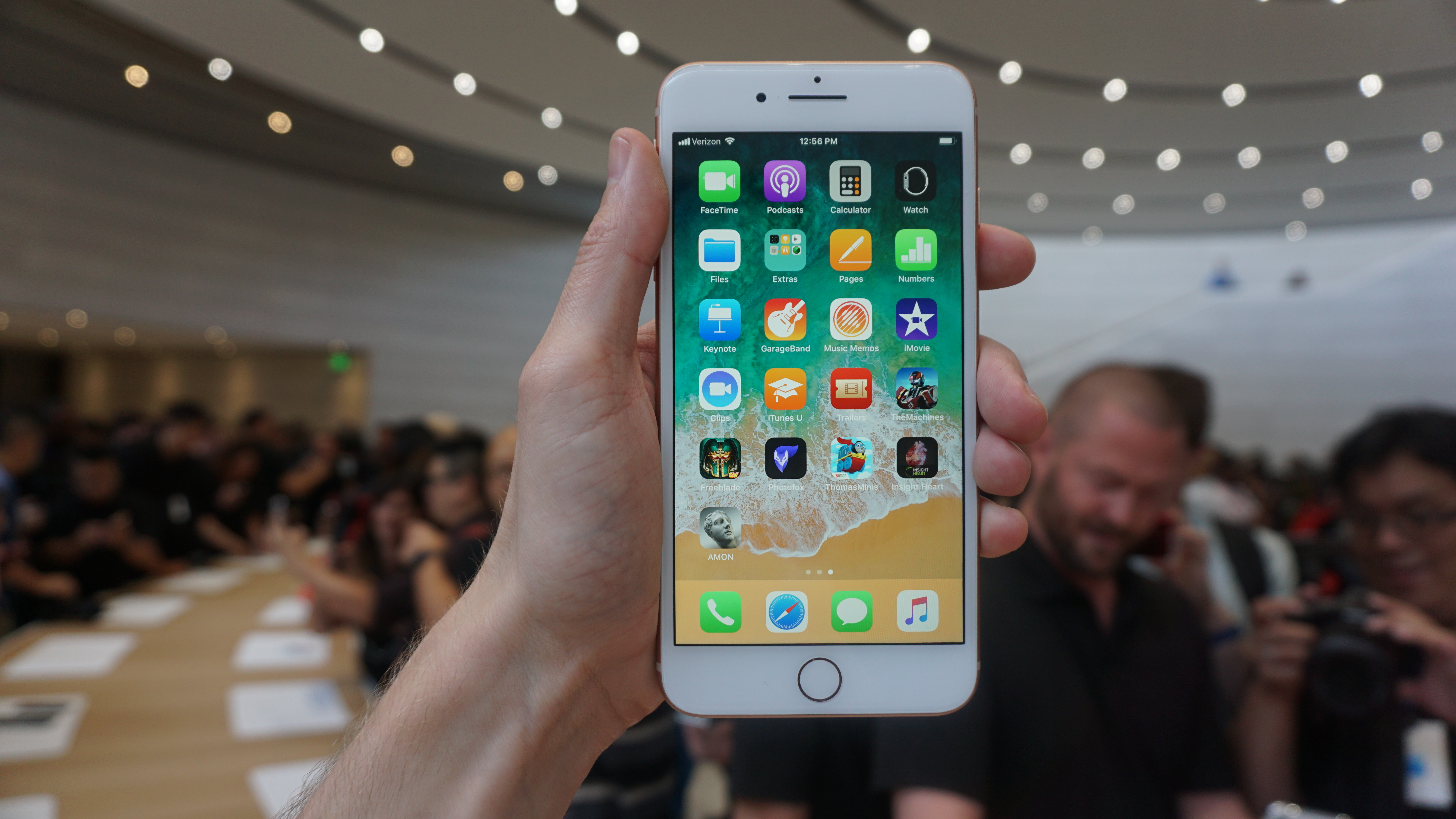
The iPhone 7 Plus measures 158.2 mm in height, 77.9 mm in width, and 7.3 mm in depth (6.23 × 3.07 × 0.29 inches), weighing 188 grams (6.63 ounces) and featuring a 5.5-inch diagonal widescreen LCD display.
When evaluating smartphones, physical dimensions dictate how a device rests in the hand, fits into pockets, and integrates with third-party accessories like cases, mounts, and docks. The iPhone 7 Plus marked a significant chapter in Apple’s design evolution, retaining the classic form factor established by the iPhone 6 Plus and 6s Plus while introducing internal refinements, water resistance, and dual camera hardware. Understanding the precise measurements of the iPhone 7 Plus ensures that consumers, accessory developers, and technicians have accurate data for practical applications, whether they are sourcing protective gear, evaluating ergonomics, or comparing physical specifications against newer device generations.
Historical Context and Design Evolution of the Plus Form Factor
Apple introduced the "Plus" moniker to its smartphone lineup with the iPhone 6 generation in 2014, breaking away from the smaller, one-handed design philosophy that characterized earlier iterations like the iPhone 5s. The iPhone 7 Plus, released in September 2016, maintained this expansive footprint. By utilizing the same overarching chassis dimensions as its immediate predecessors, Apple allowed existing case manufacturers and ecosystem partners to retain structural compatibility across multiple generations, though modifications to the camera cutout and the removal of the 3.5mm headphone jack required specific hardware adjustments.
The physical architecture of the iPhone 7 Plus is built around a 7000-series aluminum alloy unibody. This material choice provides structural rigidity to counteract the flexing forces inherent in larger, thin-profile mobile devices—a direct response to structural durability lessons learned during the initial rollout of the iPhone 6 Plus. The integration of IP67 water and dust resistance, a first for the Plus series, required tighter manufacturing tolerances, specialized adhesive gaskets, and a redesigned solid-state capacitive Home button that replaced the traditional mechanical click mechanism, all while keeping the external envelope nearly identical to older models.
Detailed Physical Dimensions and Structural Specifications
Examining the exact measurements of the iPhone 7 Plus requires looking at its three-dimensional profile, weight distribution, and screen geometry. The device is engineered to balance a large viewing area with a remarkably thin profile, though its width demands two-handed operation for many users.
The following table details the precise physical and display specifications of the iPhone 7 Plus:
| Specification | Metric Measurement | Imperial Measurement |
|---|---|---|
| Height | 158.2 mm | 6.23 inches |
| Width | 77.9 mm | 3.07 inches |
| Depth (Thickness) | 7.3 mm | 0.29 inches |
| Weight | 188 grams | 6.63 ounces |
| Display Size (Diagonal) | 139.7 mm | 5.5 inches |
| Display Resolution | 1920 × 1080 pixels | 401 PPI (Pixels Per Inch) |
Height and Vertical Clearance
Standing at 158.2 mm, the vertical length of the iPhone 7 Plus creates specific considerations for pocket storage and vertical pocket depth. Users carrying the device in shallow pockets or tight garments will notice the top edge protruding. This vertical footprint is heavily influenced by the top and bottom bezels, which house the FaceTime camera, earpiece, ambient light sensors, and the physical Taptic Engine-driven Home button. These bezels are substantially larger than those found on modern edge-to-edge bezel-less smartphones, contributing directly to the extended height relative to the screen size.
Width and Ergonomic Impact
At 77.9 mm wide, the iPhone 7 Plus presents a broad profile that challenges comfortable one-handed operation for individuals with average-sized hands. Reaching across the screen to tap items in the upper-left or upper-right corners typically requires shifting the device in the palm or employing Apple's software-based "Reachability" feature (activated by a double-tap on the Home button). However, this width provides a stable, wide canvas for landscape media consumption, split-view applications, and dual-thumb typing.
Depth and Profile
Measuring a mere 7.3 mm in thickness, the iPhone 7 Plus feels remarkably slender in hand. This thin profile is accented by rounded edges that taper smoothly into the front glass panel. While the slim chassis enhances aesthetics and reduces pocket bulk, it creates a flat rear surface that can make picking the phone up off flat tables slightly more difficult without a gripping case. Furthermore, the dual-lens camera module on the rear protrudes slightly from the back casing, meaning the device rocks marginally when laid flat on a desk unless supported by a protective case that levels out the rear topography.
Weight Distribution
Weighing 188 grams, the iPhone 7 Plus is noticeably heavier than standard 4.7-inch models of the same era (such as the base iPhone 7, which weighs 138 grams). This added mass is attributed to the larger battery capacity, the heavier dual-camera assembly, and the structural reinforcement required for the larger aluminum chassis. The weight is distributed relatively evenly across the length of the device, preventing top-heavy fatigue during extended phone calls or reading sessions, though prolonged one-handed use can still induce wrist strain.
Display Geometry and Visual Specifications
The front face of the iPhone 7 Plus is dominated by a 5.5-inch Retina HD display. Unlike modern OLED panels, this unit utilizes an In-Plane Switching (IPS) LCD technology coupled with LED backlighting.
- Resolution and Sharpness: The display operates at a native resolution of 1920 by 1080 pixels, yielding a pixel density of 401 pixels per inch (PPI). At this density, individual pixels are indistinguishable to the human eye from normal viewing distances, ensuring crisp text rendering and sharp image reproduction.
- Color and Brightness: It supports the wide color gamut (P3), providing more vibrant and accurate greens and reds compared to standard sRGB displays. The maximum standard brightness reaches up to 625 cd/m² (nits), allowing for adequate outdoor legibility in direct sunlight.
- Aspect Ratio: The display adheres to the traditional 16:9 widescreen aspect ratio. This makes it ideal for watching standard definition and high-definition video content without letterboxing, unlike modern taller aspect ratios (such as 19.5:9 or 21:9) which require cropping or scaling.
Compatibility and Accessory Considerations
The specific physical measurements of the iPhone 7 Plus dictate how it interacts with external hardware, cases, docks, and mounting systems. Because the iPhone 6 Plus, iPhone 6s Plus, and iPhone 7 Plus share identical external dimensions (158.2 × 77.9 × 7.3 mm), many accessories designed for one model fit the others. However, critical exceptions exist.
Case Compatibility Caveats
While the length, width, and depth are identical between the iPhone 6s Plus and the iPhone 7 Plus, the camera cutout on the back is entirely different. The iPhone 7 Plus features a horizontally elongated dual-camera housing, whereas the iPhone 6s Plus features a smaller, single-lens circular cutout. Consequently, standard protective cases designed for the iPhone 6s Plus cannot accommodate the dual-lens module of the iPhone 7 Plus without modifying the plastic or silicone barrier. Conversely, cases built for the iPhone 7 Plus often feature an oversized camera opening that can physically fit an iPhone 6s Plus, though aesthetic alignment will suffer.
Furthermore, the removal of the traditional 3.5mm headphone jack on the iPhone 7 Plus introduced a physical change along the bottom edge. While the Lightning port remains centered, the headphone jack port was replaced with a second speaker grille aesthetic (though only the right side functions as an audio speaker, with the left side housing a barometer vent and microphone). Cases with tightly molded audio port cutouts for older models may misalign with the new lower grille layout.
Docks and Charging Stands
Desktop charging docks and automotive mounts must account for the 77.9 mm width and the centered Lightning port connector. Adjustable cradle mounts work exceptionally well, whereas rigid, custom-molded dock inserts designed for smaller base models will not accept the wider Plus chassis.
Frequently Asked Questions
Can I use an iPhone 8 Plus case on an iPhone 7 Plus?
Yes. The iPhone 8 Plus features dimensions of 158.4 × 78.1 × 7.5 mm, which are virtually identical to the iPhone 7 Plus measurements of 158.2 × 77.9 × 7.3 mm. The camera placement, button locations, and port layouts match precisely, allowing for seamless case interchangeability between these two generations.
Is the iPhone 7 Plus too big for one-handed use?
For most users, yes. With a width of 77.9 mm and a height of 158.2 mm, reaching across the entire keyboard or tapping the top corners with one hand requires adjusting your grip. Apple included software features like Reachability to mitigate this, but users with smaller hands typically rely on two hands for comfortable navigation.
Does the iPhone 7 Plus have a headphone jack?
No. The iPhone 7 Plus eliminated the traditional 3.5mm headphone jack. Audio output is routed through the Lightning port using an adapter or Lightning-equipped headphones, or wirelessly via Bluetooth.
How does the iPhone 7 Plus weight compare to newer models?
At 188 grams, the iPhone 7 Plus is heavier than many standard-sized phones of its era, but comparable to or lighter than subsequent large-format devices. For context, the iPhone 8 Plus weighs 202 grams due to its glass-back construction for wireless charging, making the aluminum-backed iPhone 7 Plus slightly lighter than its direct successor.
Are screen protectors interchangeable between iPhone 6 Plus and iPhone 7 Plus?
Generally, yes. The front glass panel dimensions, sensor cutouts, and earpiece locations remained consistent across the iPhone 6 Plus, 6s Plus, 7 Plus, and 8 Plus generations, meaning front-facing tempered glass screen protectors are largely cross-compatible.
Next Actions and Practical Guidance
When sourcing replacement parts, protective equipment, or mounts for an iPhone 7 Plus, always verify product compatibility specifically against the 158.2 × 77.9 × 7.3 mm dimensions and the dual-camera rear configuration. If purchasing third-party repairs, such as replacement screens or batteries, ensure components match the exact internal layout and connector placements unique to this model to prevent functional failures.