Gear change problems in the Hyundai i30 often stem from worn clutch assemblies or failing slave cylinders in manual models, while automatic and DCT versions frequently encounter electronic sensor failures, solenoid malfunctions, or fluid degradation. Resolving these issues typically requires specialized diagnostic scanning, fluid replacement, or component-level mechanical repairs to restore smooth operation.
The Hyundai i30 has earned a reputation as a reliable and practical hatchback since its debut, yet like any vehicle with a long production history across multiple generations (FD, GD, and PD), it is not immune to transmission-related complications. As we navigate the automotive landscape of 2026, many of these vehicles—particularly older manual and early dual-clutch variants—require specific attention to their gear-shifting mechanisms to maintain longevity and safety.
Understanding the Transmission Landscape of the Hyundai i30
To accurately diagnose gear change problems, one must first identify the specific type of transmission installed in the vehicle. Hyundai has utilized three primary configurations for the i30:
- Manual Transmissions (5 and 6-speed): Generally robust but susceptible to hydraulic failures and physical wear of the clutch and synchromesh.
- Traditional Torque Converter Automatics (4 and 6-speed): Found mostly in earlier generations and specific engine pairings; these are prone to electronic sensor failures and fluid-related shifting delays.
- Dual-Clutch Transmissions (7-speed DCT): Introduced in later generations to improve fuel efficiency and shift speed, these units face unique challenges regarding clutch actuator calibration and thermal management.
Common Manual Transmission Shifting Issues
Manual gear change problems in the i30 are frequently mechanical or hydraulic rather than electronic. Owners often report difficulty engaging specific gears or a "crunching" sound during transitions.
Clutch Hydraulic System Failures
The most common culprit for a "soft" clutch pedal or difficulty entering gear while the engine is running is the hydraulic system. This system consists of a master cylinder (connected to the pedal) and a slave cylinder (which moves the clutch release fork).
In many i30 models, the clutch slave cylinder is prone to internal seal failure. When this occurs, air enters the system, preventing the clutch from fully disengaging. This makes it incredibly difficult to shift into first gear or reverse from a standstill. If you notice fluid leaking near the junction of the engine and gearbox, or if the fluid level in the brake/clutch reservoir is dropping, the hydraulic system is likely at fault.
Worn Synchromesh Rings
If the gear change problem is isolated to a specific gear—most commonly second or third—it often points to worn synchromesh rings. The synchro's job is to match the speed of the gear to the speed of the output shaft. Over time, aggressive shifting or the use of incorrect gear oil can wear these brass rings down. In the 2026 secondary market, older GD-series i30s often exhibit "notchy" shifting or grinding when cold, which usually signals the beginning of synchro wear.
Shifter Linkage and Bushings
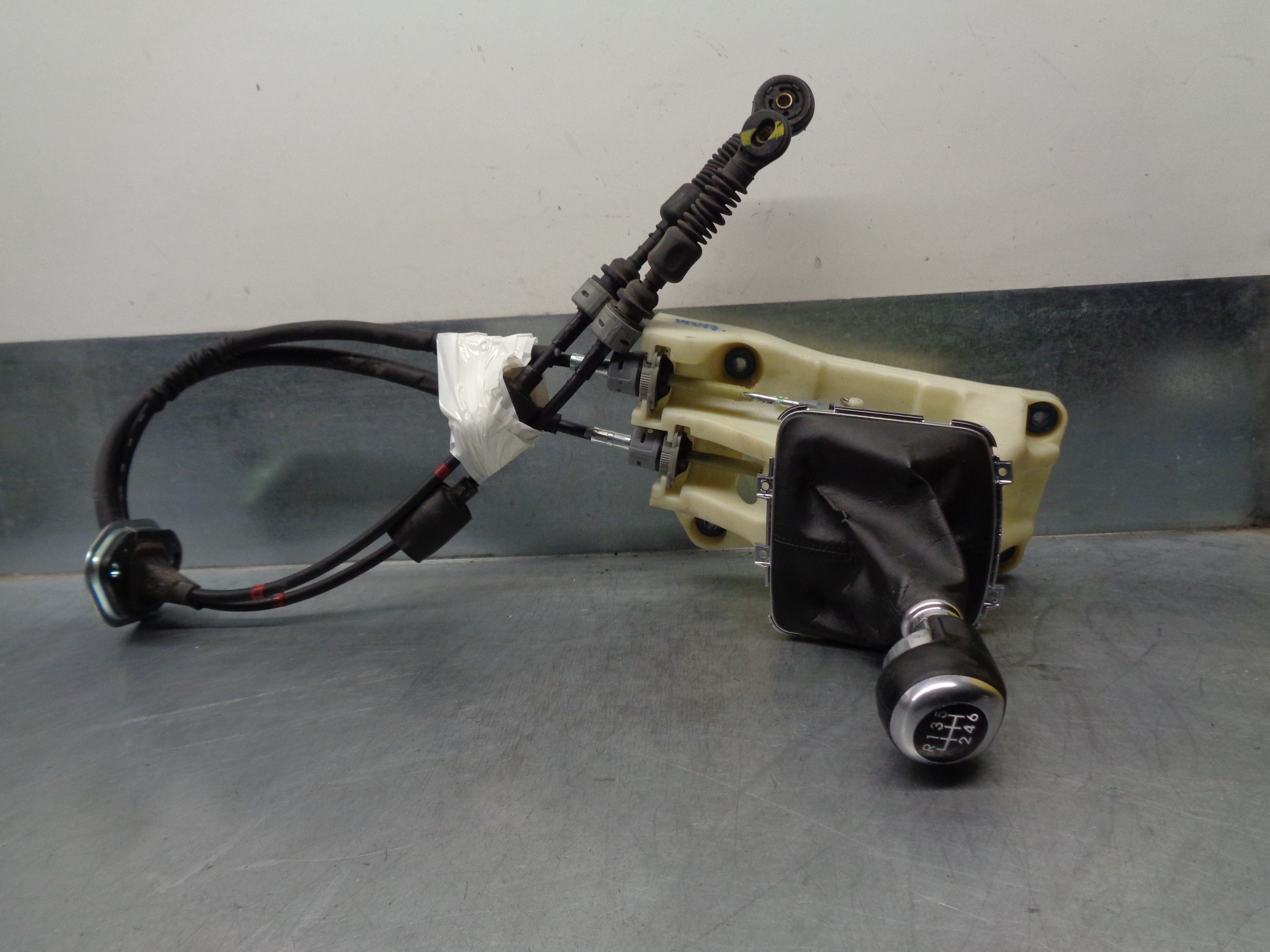
The physical connection between the gear stick and the transmission is handled by cables and plastic bushings. Over time, these bushings can perish or become contaminated with debris. This leads to a "sloppy" feel in the gear lever, where the driver may struggle to find the gate for the intended gear. Replacing these bushings is a relatively low-cost repair that significantly improves tactile feedback and shift precision.
Automatic Transmission (Torque Converter) Difficulties
The 6-speed automatic transmissions found in the i30 are generally reliable, but they rely heavily on electronic inputs and fluid pressure to function correctly.
Faulty Transmission Temperature Sensors
A well-documented issue in Hyundai's 6-speed automatic units is a failing oil temperature sensor. When this sensor provides erratic readings to the Transmission Control Unit (TCU), the car may experience "harsh shifting" or "shift shock." This feels like a violent jolt when the car changes gears, particularly when moving from second to third. In many cases, the transmission may enter "limp home mode," locking the car in third gear to prevent mechanical damage.
Solenoid Valve Malfunctions
The transmission uses electro-hydraulic solenoids to direct fluid to the correct clutch packs. If these solenoids become clogged with metallic debris or suffer an electrical failure, the gear changes will become erratic. You might experience "flaring," where the engine RPM increases significantly during a shift without a corresponding increase in vehicle speed. Regular fluid changes—often overlooked because they are marketed as "sealed for life"—are essential to prevent solenoid blockage.
Dual-Clutch Transmission (DCT) Specific Problems
The 7-speed DCT used in the i30 (specifically the D7UF1 model) is a "dry" clutch system. Unlike "wet" DCTs, it does not use oil to cool the clutch plates, making it more sensitive to heat and driving style.
Shuddering and Low-Speed Hesitation
The most frequent complaint with the i30 DCT is a shuddering sensation when pulling away from a stop or during low-speed gear changes (1st to 2nd). This is often caused by uneven wear on the clutch discs or contamination of the friction surfaces. By 2026, many of these units have received software updates from Hyundai designed to refine the clutch engagement logic, but physical wear eventually necessitates a clutch pack replacement.
Actuator Calibration Issues
The DCT uses electric motors (actuators) to change gears and engage the clutches. These actuators must be precisely calibrated. If the battery voltage is low or if the actuators have lost their "home" position due to an electronic glitch, the car may refuse to select gears entirely or skip even/odd gears (e.g., shifting from 1st to 3rd to 5th).
| Symptom | Likely Cause | Transmission Type | Urgency |
|---|---|---|---|
| Difficulty selecting 1st/Reverse | Slave Cylinder / Air in Hydraulics | Manual | High |
| Grinding between gears | Worn Synchromesh | Manual | Moderate |
| Jolt/Shock when shifting | Temp Sensor / Solenoid | Automatic | High |
| Hesitation/Slipping (RPM Flare) | Worn Clutch Pack / Fluid Leak | Auto / DCT | High |
| Shuddering at low speeds | Clutch Overheating / Wear | DCT | Moderate |
| Stuck in 3rd Gear (Limp Mode) | Electronic Sensor Failure | Auto / DCT | Critical |
Diagnostic Procedures and Troubleshooting
If your Hyundai i30 is exhibiting gear change problems, follow this systematic approach to identify the root cause before committing to expensive repairs.
1. Check Fluid Levels and Condition
For manual cars, check the brake fluid reservoir (which usually supplies the clutch). For automatics, check for leaks around the transmission pan. Transmission fluid should be a translucent red; if it is dark brown or smells burnt, it has oxidized and lost its lubricating properties, which directly impacts shift quality.
2. OBD-II Scanning
Modern i30s store "P-codes" related to the transmission. Using an OBD-II scanner can reveal specific faults, such as P0711 (Transmission Fluid Temperature Sensor Range/Performance) or P0741 (Torque Converter Clutch Circuit Performance). This is the most efficient way to distinguish between a mechanical failure and an electronic sensor glitch.
3. Battery Health Verification
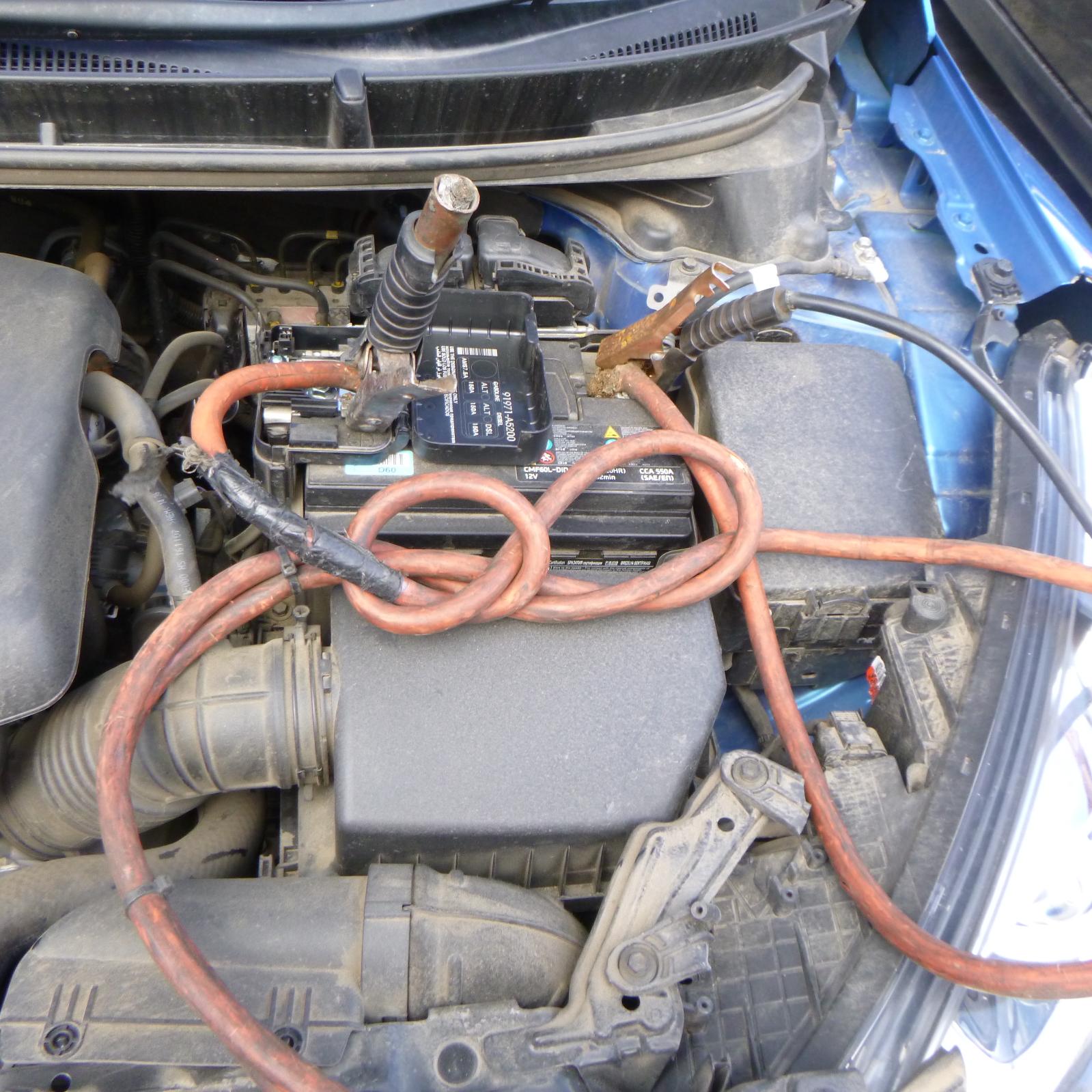
It may seem unrelated, but the i30’s automatic and DCT systems are highly sensitive to voltage. A dying 12V battery can cause the TCU to behave erratically, leading to missed shifts or false error codes. Ensure the battery is holding a charge of at least 12.6V when the engine is off.
4. Software Updates (TSBs)
Hyundai frequently releases Technical Service Bulletins (TSBs) that include software patches for the Transmission Control Unit. In many cases, "gear change problems" are actually logic errors that can be solved with a 15-minute software reflash at a dealership.
Repair Costs and Expectations in 2026
Repairing gear change issues can vary significantly in price depending on the severity and the type of transmission.
- Clutch Slave Cylinder Replacement: This is a relatively minor repair, typically costing between $250 and $450, including labor and parts.
- Automatic Transmission Sensor Replacement: Replacing an internal temperature sensor is labor-intensive because the transmission pan and sometimes the valve body must be removed. Expect costs in the $400 to $700 range.
- DCT Clutch Pack Replacement: This is one of the more expensive repairs for the i30. Replacing the dual-clutch assembly and recalibrating the actuators can cost between $1,800 and $3,000.
- Full Transmission Rebuild: In cases of total mechanical failure, a rebuilt unit may be required. For an i30, this often ranges from $3,500 to $5,000, which may exceed the vehicle's market value for older FD or GD models.
Preventative Maintenance for Gear Longevity
To avoid gear change problems, owners should adhere to a stricter maintenance schedule than the "standard" manufacturer recommendations, especially if the vehicle is used for city driving or in hilly terrain.
- Change Transmission Fluid Every 60,000 Miles: Even if the manual says "lifetime fluid," changing it significantly extends the life of the solenoids and clutch packs.
- Avoid "Creeping" in DCT Models: In traffic, do not let the car crawl forward slowly by slightly releasing the brake. This keeps the dry clutches in a state of partial engagement, leading to rapid heat buildup and wear.
- Bleed the Clutch Hydraulics: Include the clutch hydraulic circuit whenever you perform a brake fluid flush (typically every 2 years) to prevent moisture buildup and corrosion in the slave cylinder.
- Listen for Early Warning Signs: Whining noises, delayed engagement when cold, or subtle vibrations through the gear lever should be investigated immediately. Early intervention often prevents a $500 problem from becoming a $3,000 replacement.
Safety Considerations
A malfunctioning transmission is more than just an inconvenience; it can be a safety hazard. If the vehicle loses the ability to change gears while merging onto a highway or gets stuck in "limp mode" in heavy traffic, the risk of a collision increases. If your i30 displays a "Transmission Overheating" warning (common in DCT models), pull over safely and allow the unit to cool for at least 10–15 minutes before attempting to drive again.
For official recall information and safety notices, owners should regularly check the NHTSA website (for US-based Elantra GT/i30 equivalents) or the DVSA in the UK to see if their specific VIN is subject to any transmission-related safety campaigns.
Frequently Asked Questions
Why does my Hyundai i30 grind when shifting into 2nd gear?
This is typically caused by a worn second-gear synchromesh ring. The synchro is unable to match the speeds of the gears quickly enough, resulting in metal-on-metal contact. This is most common when the gearbox oil is cold and thick. Changing to a high-quality synthetic gear oil can sometimes mitigate the issue, but a permanent fix requires an internal gearbox repair.
Can a software update fix my DCT shudder?
Yes, in many cases. Hyundai has released several TCU updates that change how the actuators engage the clutches at low speeds. These updates can reduce "clutch chatter" and smoothen transitions. However, if the shudder is caused by physical glazing or warping of the clutch plates due to overheating, software will not fix the mechanical damage.
What does "Limp Home Mode" mean for an i30?
Limp mode is a protective state where the TCU detects a serious fault and restricts the transmission to a single gear (usually 3rd). This allows you to drive the car to a service center at low speeds while preventing the transmission from shifting, which could cause further internal damage. It is usually accompanied by a Check Engine Light or a transmission warning icon.
Is the i30 manual clutch covered under warranty?
Generally, the clutch disc itself is considered a "wear and tear" item, similar to brake pads, and is only covered for a very limited time (often 12 months or 12,000 miles) against manufacturing defects. However, the hydraulic master and slave cylinders are typically covered under the longer powertrain warranty as they are mechanical components of the vehicle's drive system.
Final Recommendation
If you are experiencing gear change problems with your Hyundai i30 in 2026, your first step should be a professional diagnostic scan to check for stored fault codes. For manual owners, prioritize checking the hydraulic slave cylinder if shifting is difficult. For automatic and DCT owners, ensure your software is up to date and your fluid is fresh. Addressing these issues early not only preserves the driving experience but also protects the resale value of the vehicle.