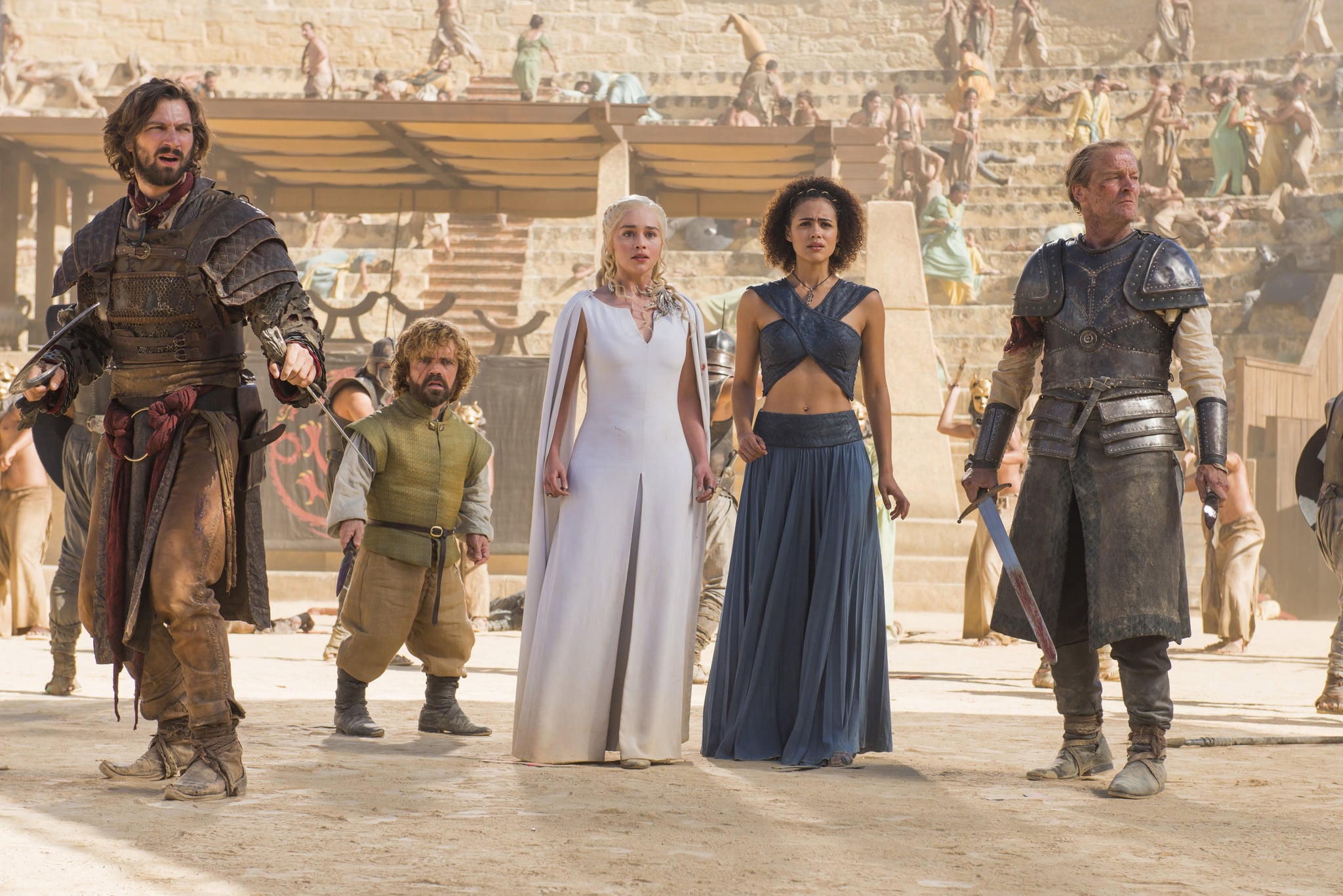
The final season of the HBO television phenomenon Game of Thrones premiered on April 14, 2019. This monumental conclusion to the series, which adapted George R.R. Martin’s A Song of Ice and Fire, consisted of six feature-length episodes that aired weekly, culminating in the series finale on May 19, 2019.
The Context of the 2019 Release
For fans of high-fantasy television, the year 2019 represented a significant cultural milestone. Following a lengthy production hiatus that lasted throughout 2018, the eighth and final season of Game of Thrones arrived with immense anticipation. The gap between the end of Season 7 in 2017 and the debut of the final season in 2019 allowed the production team—led by showrunners David Benioff and D.B. Weiss—to undertake the most ambitious filming schedule in the show's history.
This delay was not merely a matter of scheduling; it was a technical necessity. Because the final episodes demanded complex visual effects, massive scale battle sequences, and intricate post-production workflows, the network opted for an extended lead time. By the time the premiere date of April 14, 2019, arrived, it served as the culmination of nearly a decade of narrative buildup, spanning the journey of characters from the Starks of Winterfell to the political maneuvering in King's Landing.
Chronological Breakdown of the Final Season
The 2019 broadcast schedule was carefully curated by HBO to maximize viewership and sustain the weekly "watercooler" conversation that had defined the series since its inception in 2011. Unlike streaming-native shows that utilize the binge-release model, Game of Thrones maintained its appointment-viewing status.
The six episodes were distributed as follows:
- Winterfell: Aired April 14, 2019. This episode focused on the reunions of central characters and the arrival of Daenerys Targaryen’s forces at Winterfell.
- A Knight of the Seven Kingdoms: Aired April 21, 2019. A character-centric episode exploring the final night before the expected battle.
- The Long Night: Aired April 28, 2019. Widely noted for its technical complexity, this episode depicted the climactic confrontation with the Army of the Dead.
- The Last of the Starks: Aired May 5, 2019. This chapter transitioned the narrative toward the final conflict for the Iron Throne.
- The Bells: Aired May 12, 2019. Focused on the assault on King’s Landing.
- The Iron Throne: Aired May 19, 2019. The series finale, which resolved the primary arcs of the major surviving characters.
Technical Production and Scope
The production of the 2019 episodes deviated from the standard hour-long format typical of previous seasons. As the narrative stakes reached their peak, the runtime of each episode expanded significantly. The premiere episode clocked in at approximately 54 minutes, but later episodes, particularly the series finale, extended beyond 80 minutes.
This shift reflected a change in the technical production of television drama. The 2019 season utilized cinematic techniques often reserved for feature films, including massive practical sets, sophisticated CGI integration for dragons and wights, and complex night-time lighting strategies. The logistical requirements of filming in locations such as Northern Ireland, Iceland, and Croatia necessitated the extended 2018-2019 production window to ensure that the quality met the high expectations of a global audience.
Comparison of Final Season Metrics
When analyzing the 2019 season, it is helpful to look at how it compared to earlier seasons in terms of volume and scope. The following table provides a clear view of the final season's distribution and episode characteristics.
| Episode | Title | Original Air Date | Runtime (Approx) |
|---|---|---|---|
| 1 | Winterfell | April 14, 2019 | 54 Minutes |
| 2 | A Knight of the Seven Kingdoms | April 21, 2019 | 58 Minutes |
| 3 | The Long Night | April 28, 2019 | 82 Minutes |
| 4 | The Last of the Starks | May 5, 2019 | 78 Minutes |
| 5 | The Bells | May 12, 2019 | 78 Minutes |
| 6 | The Iron Throne | May 19, 2019 | 80 Minutes |
The Impact of 2019 on Television Viewing
The decision to air the final season in early 2019 solidified the show's place in the history of "Golden Age" television. By maintaining a strict weekly schedule, HBO maintained intense engagement metrics for two consecutive months. During this period, the show influenced trends in social media discourse, international cable viewership, and the growth of streaming platforms.
Even in 2026, the 2019 broadcast remains a primary case study for media analysts regarding the "event television" model. It proved that despite the proliferation of on-demand content, audiences remained highly responsive to serialized, high-budget fantasy narratives when released on a consistent, global schedule.
Common Misconceptions Regarding the 2019 Date
A recurring confusion among viewers relates to whether the show was filmed in 2019 or merely broadcast then. The actual principal photography for Season 8 concluded in the summer of 2018. The period from mid-2018 until the April 2019 premiere was dedicated to the massive technical undertaking of editing, color grading, sound mixing, and, most importantly, the intricate visual effects required for the battles involving dragons and undead armies.
Furthermore, some viewers occasionally confuse the 2019 date with the release of the prequel series, House of the Dragon. It is important to clarify that Game of Thrones concluded its primary run in 2019, while the expansion of the franchise via spin-offs and prequels occurred in subsequent years, distinct from the original series timeline.
Frequently Asked Questions
Why was there no Game of Thrones season in 2018? The production team opted for a longer turnaround time to ensure the quality of the final season. Given the scale of the visual effects and the complexity of the narrative conclusion, the team required more time in post-production than the typical annual schedule allowed, pushing the premiere to early 2019.
Was the 2019 season shorter than previous seasons? Yes, Season 8 consisted of only six episodes, whereas previous seasons typically spanned ten episodes (with the exception of Season 7, which had seven). However, the individual episodes in 2019 were significantly longer on average.
Where can I watch the 2019 episodes today? As of 2026, the entire eight-season library of Game of Thrones is available on Max (formerly HBO Max). Licensing agreements vary by region, but it remains a staple of the HBO content portfolio.
Did the 2019 finale resolve all plot lines? The finale, "The Iron Throne," provided a definitive conclusion to the central political arc regarding the control of Westeros and the immediate threat posed by the White Walkers. While viewers may debate the character resolutions, the narrative reached a conclusive end point in May 2019.
Are the 2019 episodes in 4K resolution? The original broadcast in 2019 was in 1080p high definition. Many digital retailers and streaming platforms have since made versions available in 4K UHD, though the original 2019 production master was primarily optimized for HD broadcast standards of that era.
Practical Recommendations for Viewers
If you are planning to revisit the final season, the best approach is to view the episodes in their original weekly release order. This allows you to experience the intended pacing, as each episode was designed to build upon the momentum and reveals of the previous week. For those looking for the highest technical quality, utilize a high-bandwidth internet connection to ensure your streaming service can deliver the maximum bitrate, particularly during the visually dense scenes in "The Long Night," which relies heavily on contrast and shadow detail.
If you are a new viewer, ensure you have completed the narrative arcs of seasons 1 through 7, as the 2019 episodes contain no exposition for prior events and assume a complete understanding of the established lore and character histories.