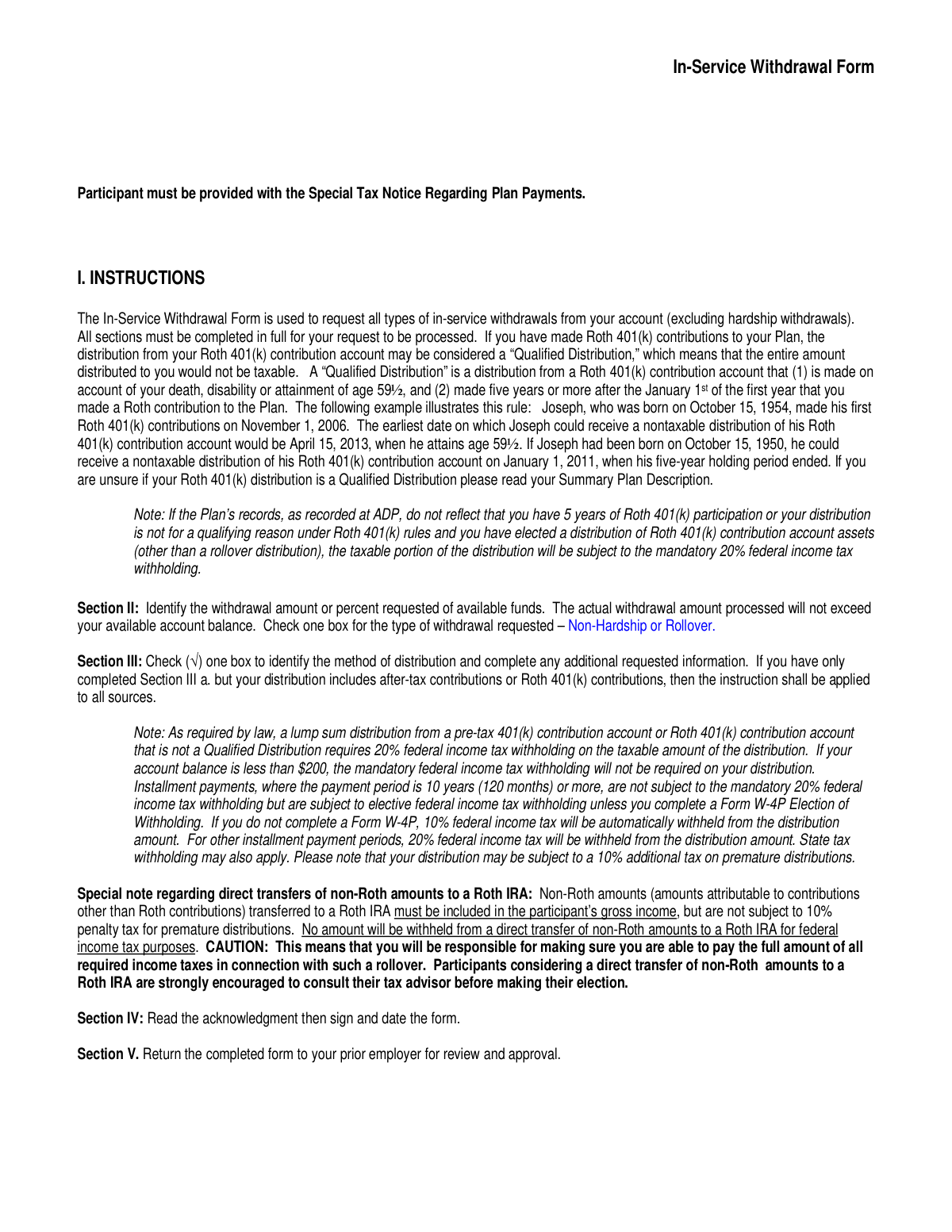
When you take a distribution from your 401(k) plan, the single primary form used for tax reporting is IRS Form 1099-R. This document serves as the official record of your withdrawal, detailing the amount distributed, the taxable portion, and any federal or state income taxes withheld. Your plan administrator or financial institution is legally required to provide this form to both you and the Internal Revenue Service following any reportable distribution event.
Understanding the Role of Form 1099-R
Form 1099-R, "Distributions From Pensions, Annuities, Retirement or Profit-Sharing Plans, IRAs, Insurance Contracts, etc.," is the critical nexus between your retirement account activity and your annual tax return. Unlike a standard bank statement, this form communicates specific information to the IRS that determines whether your withdrawal is subject to ordinary income tax, early withdrawal penalties, or if it qualifies as a tax-free rollover.
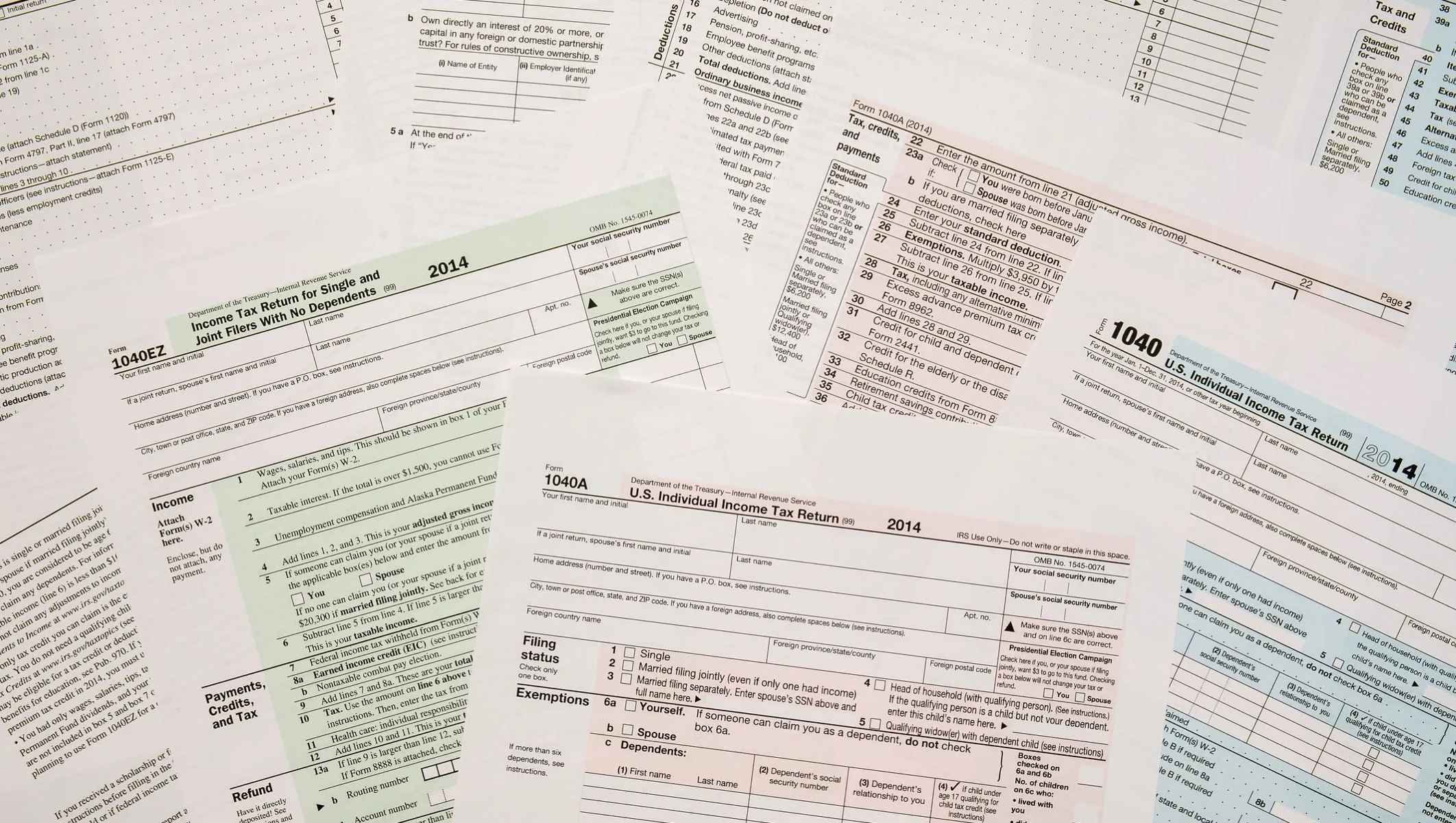
The form acts as a standardized data entry sheet. When you prepare your personal income tax return—typically filed using Form 1040—you will manually or electronically import the data from your 1099-R. The IRS cross-references the copy they receive from your financial institution with the figures you report. Any discrepancy between these two filings can trigger automated inquiries or audit flags. Therefore, receiving and verifying this form is the most important administrative step in your post-withdrawal tax compliance process.
Anatomy of the 1099-R: What You Must Verify
To ensure you are reporting your 401(k) withdrawal correctly, you must be familiar with the critical boxes on the 1099-R. While the form contains numerous fields, the following are the most vital for your tax reporting accuracy:
- Box 1 (Gross Distribution): This represents the total dollar amount paid to you from the plan before any taxes or other deductions were withheld.
- Box 2a (Taxable Amount): This is the portion of the distribution that the IRS considers taxable. If your plan administrator is unable to determine the taxable amount, they may leave this blank and check "Taxable amount not determined" in Box 2b.
- Box 4 (Federal Income Tax Withheld): This indicates the total amount of federal tax that was deducted from your withdrawal at the time of the distribution. You will claim this as a credit on your tax return.
- Box 7 (Distribution Code): This is arguably the most important box on the form. The code indicates the "reason" for the distribution. Common codes include:
- Code 1: Early distribution, no known exception (typically under age 59½).
- Code 2: Early distribution, exception applies (e.g., separation from service at age 55 or older, or specific qualified medical expenses).
- Code G: Direct rollover to a qualified plan or IRA.
- Code 7: Normal distribution (age 59½ or older).
The Tax Reporting Lifecycle
The reporting process is not instantaneous. Financial institutions generally generate and mail these forms by January 31 of the year following the calendar year in which the distribution occurred. For example, if you took a 401(k) withdrawal in 2026, you should expect to receive your 1099-R by early February 2027.
1. The Trigger Event
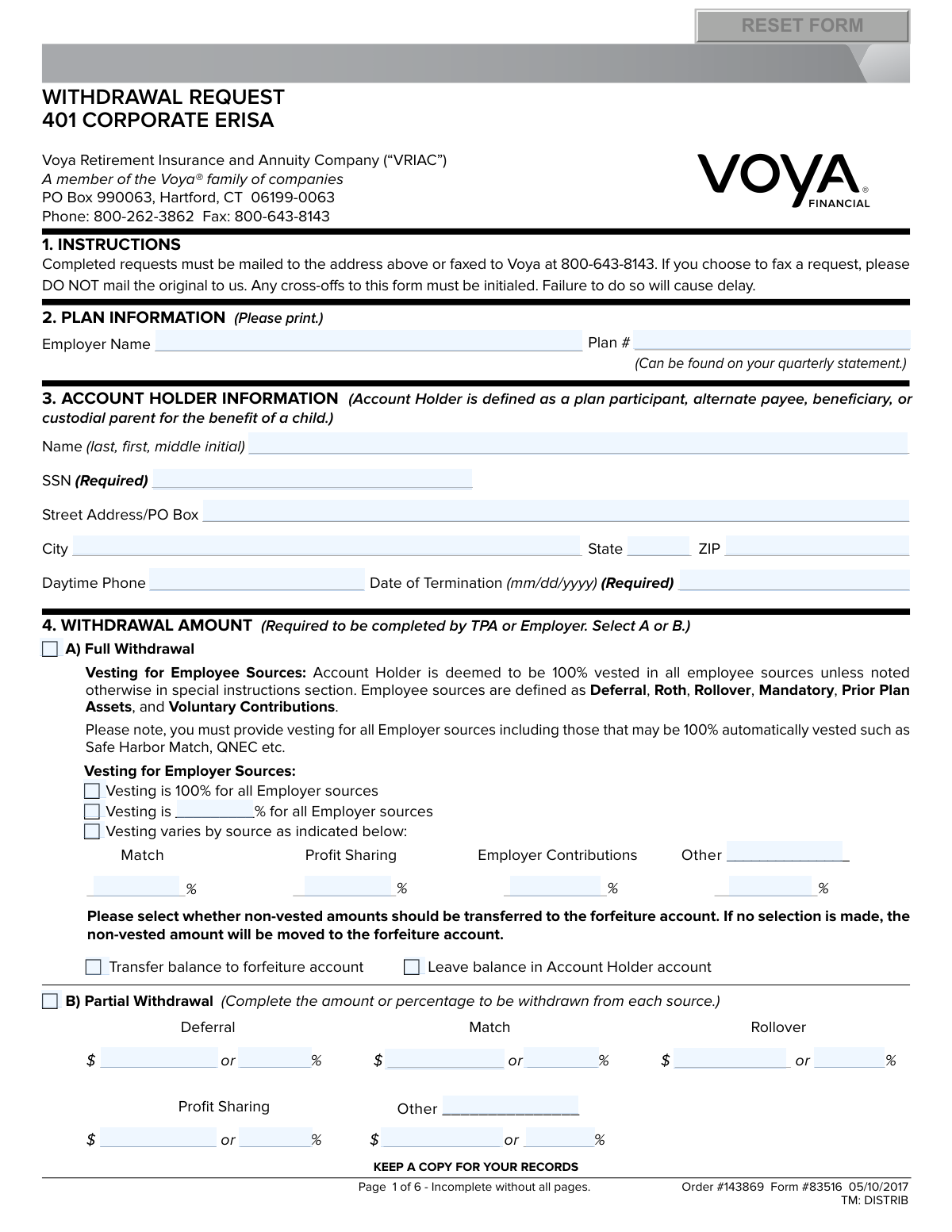
The withdrawal process begins when you submit a request to your plan sponsor or recordkeeper. Whether you are taking a hardship withdrawal, a loan that has become a deemed distribution, or a standard post-separation withdrawal, the act of sending money from the trust to your bank account triggers the institution's reporting obligation.
2. Reconciliation
Once you receive the form, compare the figures against your personal records. If you believe there is an error—for example, if the distribution code in Box 7 is incorrect or the gross distribution amount differs from what you received—contact your plan administrator immediately. Request a "Corrected" version of the form before you file your taxes.
3. Reporting on Your Tax Return
When filing your tax return, you will use the information on the 1099-R to complete the retirement income section of your Form 1040. You will enter the gross distribution amount and the taxable amount. If you had taxes withheld (Box 4), you will enter this amount alongside your other withholding credits, which reduces your total tax liability for the year.
Comparison of Distribution Scenarios
The following table summarizes how different 401(k) events are generally represented on your tax reporting documents.
| Distribution Type | Typical Box 7 Code | Taxable Status | Penalty Implications |
|---|---|---|---|
| Normal (Age 59½+) | 7 | Taxable | None |
| Early (Under 59½) | 1 | Taxable | 10% Early Withdrawal Tax |
| Direct Rollover | G | Not Taxable | None |
| Separation (Age 55+) | 2 | Taxable | Penalty Exception |
| Disability | 3 | Taxable | Penalty Exception |
Note: This table is for general informational purposes. Always consult IRS Instructions for Forms 1099-R and 5498 for the most current definitions and regulatory nuances.
Common Challenges and Troubleshooting
Even with a standardized form, taxpayers often encounter complications during the reporting phase.
Missing Forms
If you have not received your 1099-R by mid-February 2027, the first step is to log into your retirement plan’s online portal. Most major providers (such as Fidelity, Vanguard, or Empower) make electronic copies available for download as soon as they are generated. If the document is not available online, call the customer service number on your most recent account statement to verify your mailing address and request a duplicate.
Incorrect Distribution Codes
If your 1099-R indicates an early withdrawal (Code 1) but you believe you qualified for an exception, you cannot simply change the code on your tax return. You must secure a corrected 1099-R from the issuer. If they refuse to correct it, you may need to attach an explanation to your tax return or utilize Form 5329 to claim the penalty exception specifically, though this increases the scrutiny applied to your filing.
Withholding Discrepancies
Many taxpayers are surprised by the tax bill they receive if they did not elect to have enough federal income tax withheld from their 401(k) withdrawal. A common mistake is assuming that the 10% or 20% withheld at the time of distribution is the "final" tax. In reality, 401(k) withdrawals are taxed as ordinary income at your marginal tax rate. If your total income for 2026 pushes you into a higher tax bracket, you may owe additional taxes when you file.
Legal and Professional Considerations
Financial reporting for retirement accounts is governed by both the Internal Revenue Code and the Employee Retirement Income Security Act (ERISA). While the 1099-R simplifies the reporting process, it does not alleviate the taxpayer’s responsibility to understand the tax implications of their actions.
If you are facing a significant withdrawal, particularly one involving large lump sums or complex rollover scenarios, it is advisable to consult with a Certified Public Accountant (CPA) or a tax attorney. Tax laws regarding retirement distributions are subject to change, and specific state laws may impose additional requirements or taxes on 401(k) withdrawals that are not reflected on your federal 1099-R.
Frequently Asked Questions
Is Form 1099-R the only form I need for my 401(k) withdrawal? For the withdrawal event itself, yes, the 1099-R is the primary form. However, if you are also receiving a distribution from an IRA or a different pension plan, you may receive separate 1099-Rs for each account. Ensure you are reporting the correct amounts for each specific account.
What happens if I don't report my 1099-R? The IRS receives a copy of your 1099-R directly from the financial institution. If you omit this income from your tax return, the IRS computer systems will identify the mismatch and issue a notice (CP2000), which will include the additional tax owed plus interest and potential penalties for underreporting.
If I rolled my 401(k) over to an IRA, do I still get a 1099-R? Yes. Even if the transaction is non-taxable (a direct rollover), the institution that held your 401(k) must report the movement of funds using code G in Box 7. This allows the IRS to track that the money left the 401(k) plan and was moved to another tax-advantaged account.
Does my employer handle the 1099-R or the bank? The 1099-R is issued by the financial institution or the "custodian" that manages your plan’s assets. Your employer generally does not issue these forms directly, although they may work with the custodian to ensure your separation-from-service date is recorded correctly.
Can I file my taxes before I receive my 1099-R? You should wait. Filing your return before you have all your tax documents increases the risk of error. If you file and then receive a 1099-R with information you did not include, you will likely need to file an amended return (Form 1040-X), which delays your processing time and creates unnecessary administrative work.
Conclusion and Next Actions
The 1099-R is your primary tool for validating the tax treatment of your 401(k) withdrawal. As you navigate the 2026 tax season, ensure you have secured this form from your provider’s online portal well before your filing deadline. Verify that the gross distribution, taxable amount, and distribution code accurately reflect the transaction you performed.
If you find errors, contact your plan administrator immediately. Should you require assistance in calculating the final tax impact or understanding how the distribution affects your overall financial strategy for 2026, seek professional guidance from a tax advisor. By ensuring your 1099-R is accurate and correctly entered into your tax return, you maintain compliance and avoid preventable interactions with the IRS.