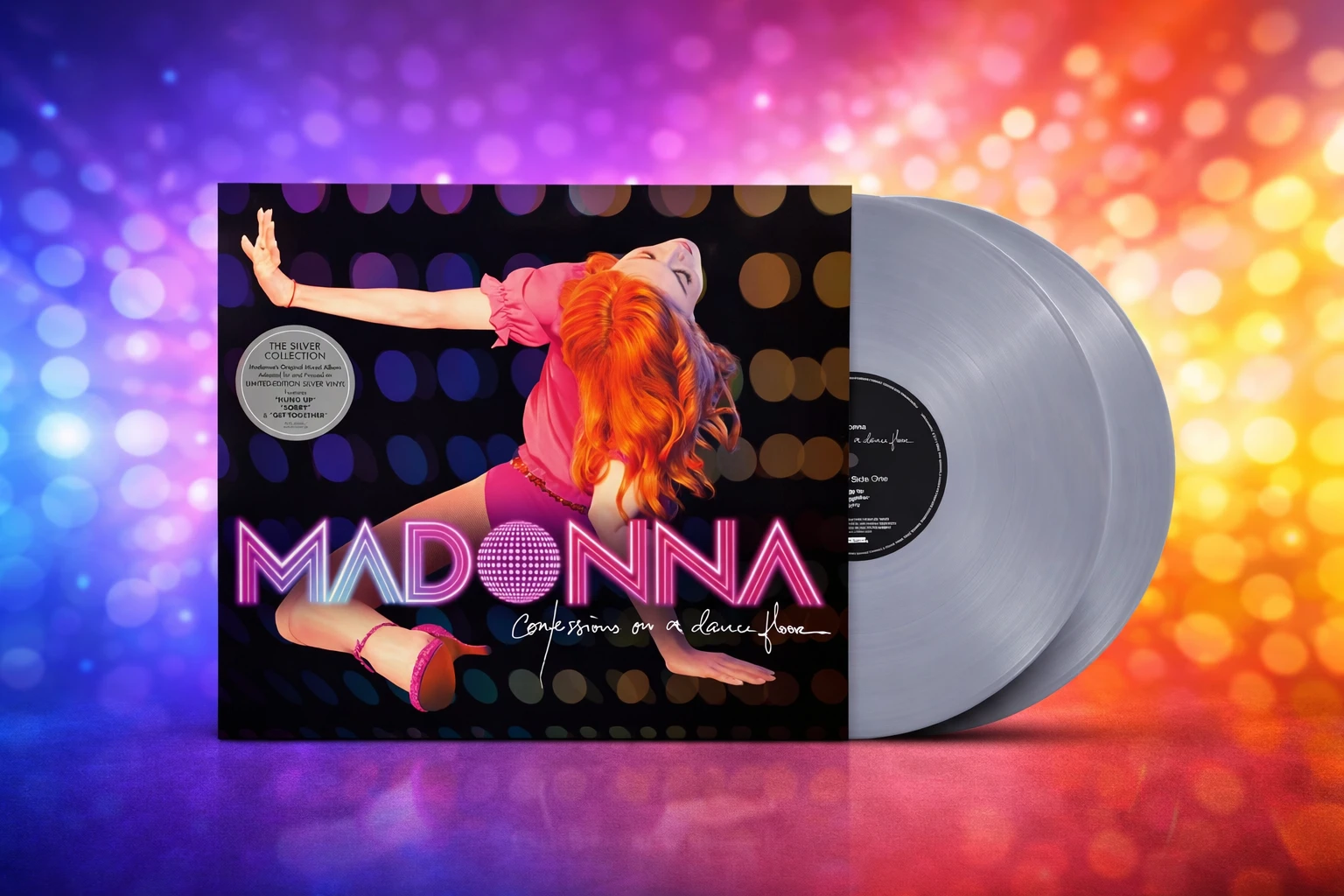
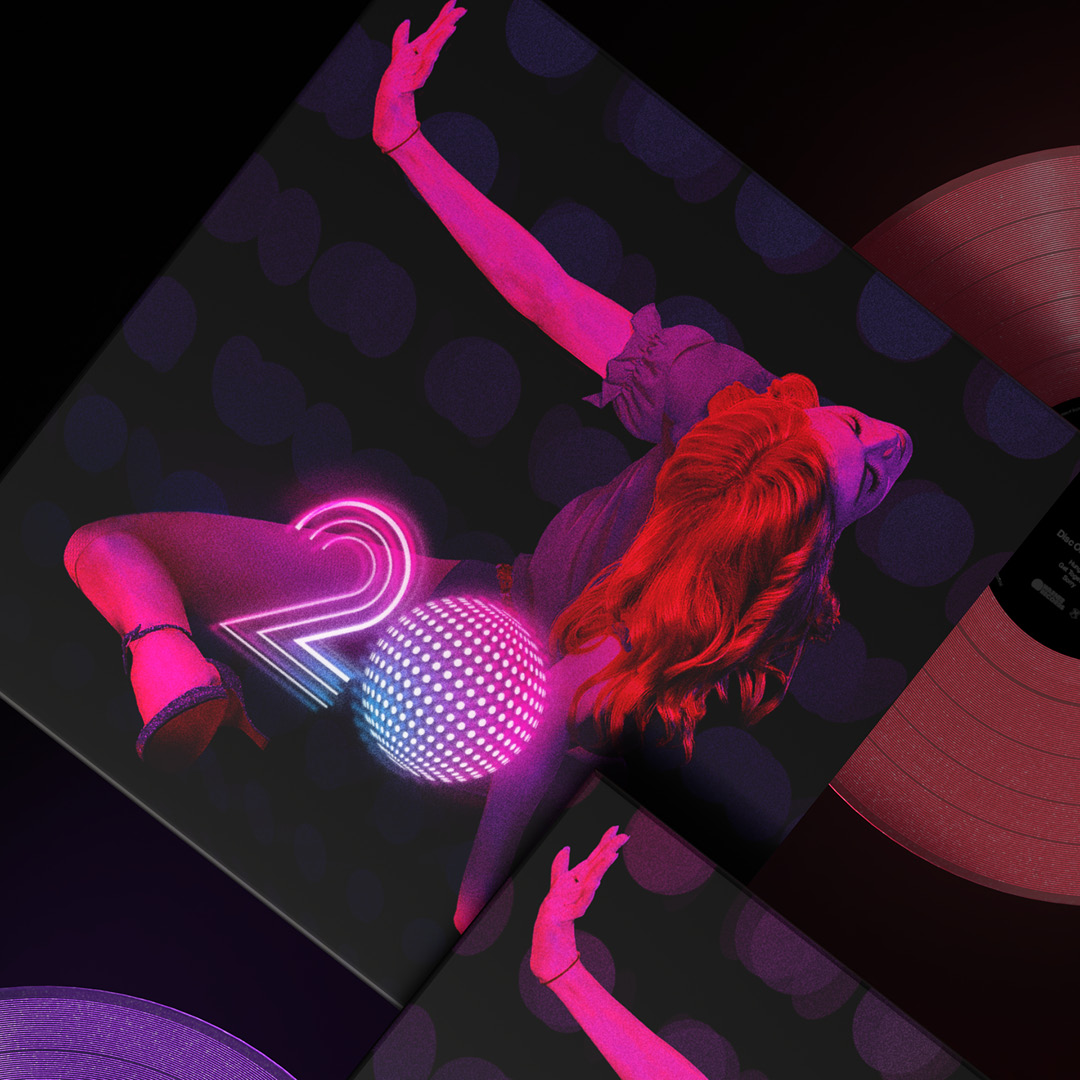
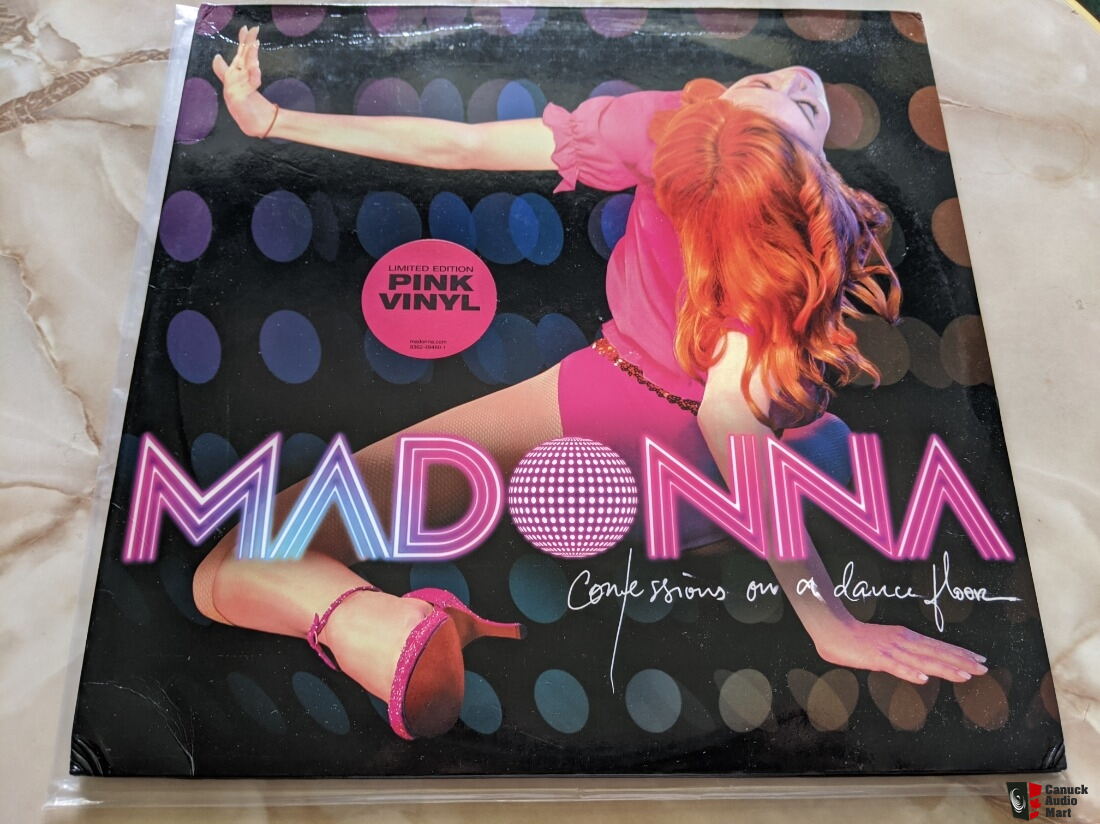
Madonna’s landmark tenth studio album, Confessions on the Dance Floor, released in November 2005, stands as one of the most celebrated electronic dance records of the 21st century. The query "1 confessions on the dance floor 2" frequently sparks curiosity among fans searching for a hypothetical sequel, unreleased tracks, or a continuation of the album's iconic concept. In reality, a direct official sequel titled Confessions on the Dance Floor 2 does not exist in Madonna’s official discography. Instead, the phrase often points to fan-made remix compilations, unauthorized conceptual bootlegs, or metaphorical discussions regarding how later records in her catalog built upon the continuous-mix club aesthetic established by producer Stuart Price and Madonna herself.
Understanding the landscape surrounding this concept requires looking closely at how the original album was constructed, the ongoing rumors of a sequel, how Madonna’s subsequent projects handled dance music, and what listeners actually mean when they search for a second volume. This comprehensive guide breaks down the legacy of the original release, examines whether an official follow-up has ever been in development, and explores alternative releases that capture a similar sonic energy.
The Legacy and Blueprint of Confessions on the Dance Floor
To understand why fans yearn for a part two, one must examine why the original 2005 record remains a watershed moment in pop and electronic music history. Following the mixed commercial reception of 2003’s rock-driven American Life, Madonna pivoted sharply toward the dancefloor. She enlisted British electronic producer Stuart Price (known for Les Rhythmes Digitales and Zoot Woman), alongside legendary mixer Mirwais Ahmadzaï and producer Dallas Austin.
The defining characteristic of the original album was its non-stop DJ-mix structure. Rather than treating the tracks as isolated singles, the physical CD and digital streams were crossfaded so that the record played as a continuous 56-minute club set. This immersive sequencing was heavily inspired by 1970s disco culture, New York club classics, and modern electro-clash.
Key attributes that defined the project include:
- The Continuous Mix: Songs bled seamlessly into one another, mimicking the flow of a live DJ set at a subterranean nightclub.
- Sampling and Interpolation: The record famously sampled ABBA’s "Gimme! Gimme! Gimme! (A Man After Midnight)" on the global smash lead single "Hung Up," bridging retro European pop history with contemporary club beats.
- Visual and Aesthetic Branding: The era was defined by pink-tinted imagery, pink vinyl editions, futuristic leotards, and roller-skating choreography that permeated music videos and live performances, culminating in the critically acclaimed Confessions Tour in 2006.
Given the airtight cohesion of this concept, fans have long wondered if Madonna would ever return to this exact production methodology for a numbered sequel.
Addressing the Rumor Mill: Is There an Official Sequel?
Over the years, internet forums, fan sites, and social media rumor mills have periodically erupted with claims that Confessions on the Dance Floor 2 is in production, complete with leaked tracklists and mock cover art.
As of 2026, no official announcement, recording session, or release schedule for Confessions on the Dance Floor 2 has ever been confirmed by Madonna, her management, or her primary record labels (Warner Records or Live Nation).
When Madonna follows up a successful sonic era, she rarely relies on direct numerical sequels. Instead, her career pattern involves shifting into entirely new visual, lyrical, and sonic paradigms. For example, her subsequent studio albums—such as Hard Candy (2008), MDNA (2012), Rebel Heart (2015), and Madame X (2019)—explored urban hip-hop, maximalist EDM, acoustic introspection, and avant-garde global pop respectively, rather than attempting to recreate the lightning-in-a-bottle electro-disco perfection of Confessions.
| Album Title | Release Year | Primary Musical Style | Continuous DJ Mix? |
|---|---|---|---|
| Confessions on the Dance Floor | 2005 | Electro-disco, Dance-pop, Club | Yes |
| Hard Candy | 2008 | R&B, Urban pop, Funk | No |
| MDNA | 2012 | EDM, Electro-pop, Synthpop | No |
| Madame X | 2019 | Experimental pop, Fado, Latin | No |
Fan-Made Compilations and Bootlegs
When casual listeners or collectors search online marketplaces and video-sharing platforms for "1 confessions on the dance floor 2," they frequently encounter fan-curated projects.
In the digital era, dedicated music producers and graphic designers within the global fan community have constructed elaborate custom albums. These usually fall into a few distinct categories:
- Extended Mix Collections: Compilations gathering rare 12-inch remixes, dub mixes, and instrumental tracks from the original 2005 sessions that were originally distributed across various maxi-singles and promotional vinyl records.
- Mashup Albums: Projects combining Madonna’s vocal stems from various eras over Stuart Price-style instrumental backing tracks.
- Unreleased Track Compilations: Bootlegs incorporating leaked demos from the mid-2000s recording sessions, such as unreleased outtakes that circulated among collectors.
While these projects can be impressive testaments to fan dedication, they remain entirely unofficial and carry no endorsement from the artist or her label.
How Stuart Price Shaped the Sound of Modern Pop
Even though a direct volume two does not exist, the production fingerprints left by Stuart Price on Confessions on the Dance Floor fundamentally altered the trajectory of mainstream pop music. Price utilized vintage synthesizers—most notably the Korg MS-20, Minimoog, and Roland Juno series—to build warm, analog-sounding basslines that cut through modern digital compression.
This production philosophy paved the way for the 2000s electro-pop revival, influencing artists ranging from Kylie Minogue (whose album Disco shares thematic DNA with Madonna's work) to Dua Lipa. When listeners look for a spiritual successor to Confessions, they often find it not within Madonna's own subsequent catalog, but in modern disco-inflected pop records that adopted the continuous-mix format and retro-futuristic synth arrangements.
Exploring Alternative Releases and Extended Material
For listeners trying to scratch the itch left by the original record, diving into the extended releases associated with the 2005 era provides the closest approximation to a second volume.
The Official Remixes
Rather than waiting for a sequel, exploring the comprehensive collection of official club remixes released during the era reveals an entire parallel album experience. Producers such as Jacques Lu Cont (an alias of Stuart Price himself), Tracy Young, Peter Rauhofer, and Axwell delivered monumental club re-interpretations of singles like "Hung Up," "Sorry," "Get Together," and "Jump." Many of these mixes were compiled on promotional double-vinyl sets given to resident DJs in 2005 and 2006.
The Confessions Tour Live Album
For many fans, the definitive second chapter of the era was captured on The Confessions Tour live CD/DVD release in 2006. Recorded live at Wembley Arena in London, the concert film and accompanying audio album restructured the tracks from the studio record alongside classic catalog hits ("Future Lovers" blended seamlessly into "I Feel Love," and "Live to Tell" was reimagined with acoustic and electronic elements). The continuous sonic flow of the live show functioned almost as a live-action volume two.
Common Misconceptions and Search Intent Pitfalls
Navigating searches for numbered album sequels often leads to confusion. Keep the following realities in mind when researching this topic:
- Track Numbering Confusion: Search queries sometimes stem from tracklist listings on streaming platforms where user-generated playlists mislabel tracks from other albums as "Confessions 2."
- AI-Generated Tracklists: Recent years have seen the proliferation of AI-generated articles and videos claiming to leak tracklists for fictitious albums. These are speculative fabrications.
- Remix Confusion: Official Japanese or European deluxe editions often featured bonus tracks or separate remix discs, which casual listeners occasionally mistake for a secondary studio album.
Frequently Asked Questions
Did Madonna ever hint at making a sequel to Confessions on the Dance Floor?
No. While Madonna has frequently expressed her love for dance music and club culture—most notably returning to house and ballroom music on her 2022 remix compilation Finally Enough Love: 50 Number Ones—she has never announced plans for a direct numbered sequel to her 2005 studio album.
Are there official unreleased tracks from the 2005 recording sessions?
Like most of Madonna’s album cycles, a handful of demos and outtakes from the 2005 sessions have leaked among collectors over the years. However, none of these tracks were completed for official commercial release as part of a follow-up album.
What is the best official release to listen to after the original album?
The Confessions Tour live album (2006) is widely considered the best official companion piece. It features continuous-mix live performances of the album's tracks alongside electronic re-imaginings of her classic hits.
Why do fans want a second volume so badly?
The original record achieved a rare level of sonic cohesion, immersive DJ-mixing, and visual clarity that defined a golden era of 2000s electronic pop, making it a gold standard among pop music aficionados.
Next Steps for Fans and Collectors
If you are looking to deepen your appreciation of this musical era, skip unverified bootlegs and focus on official archival releases. Seek out the original CD pressings featuring the continuous crossfade mix, explore the official maxi-single vinyl releases featuring Jacques Lu Cont club mixes, and watch The Confessions Tour concert film to experience the concept in its intended visual and auditory form.