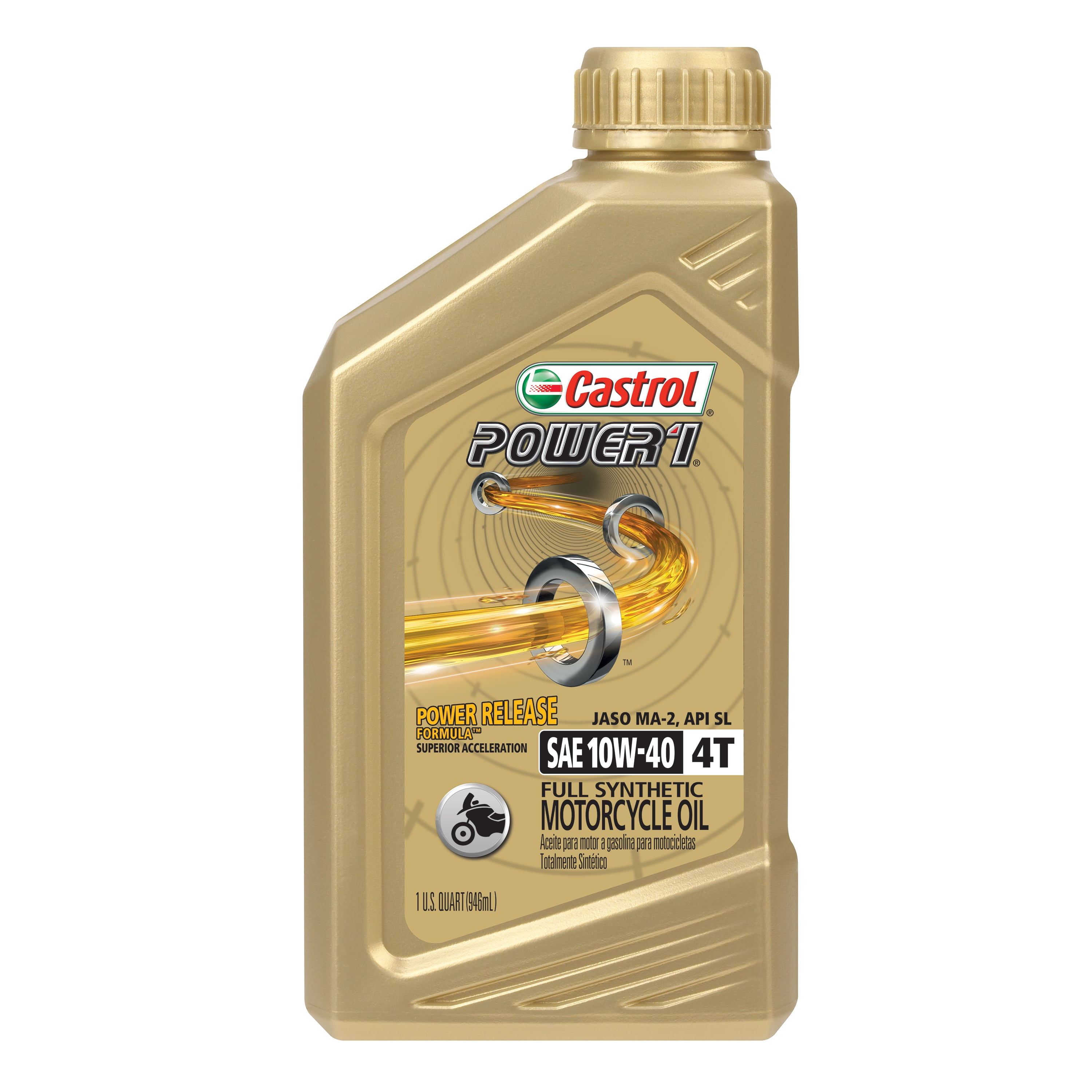
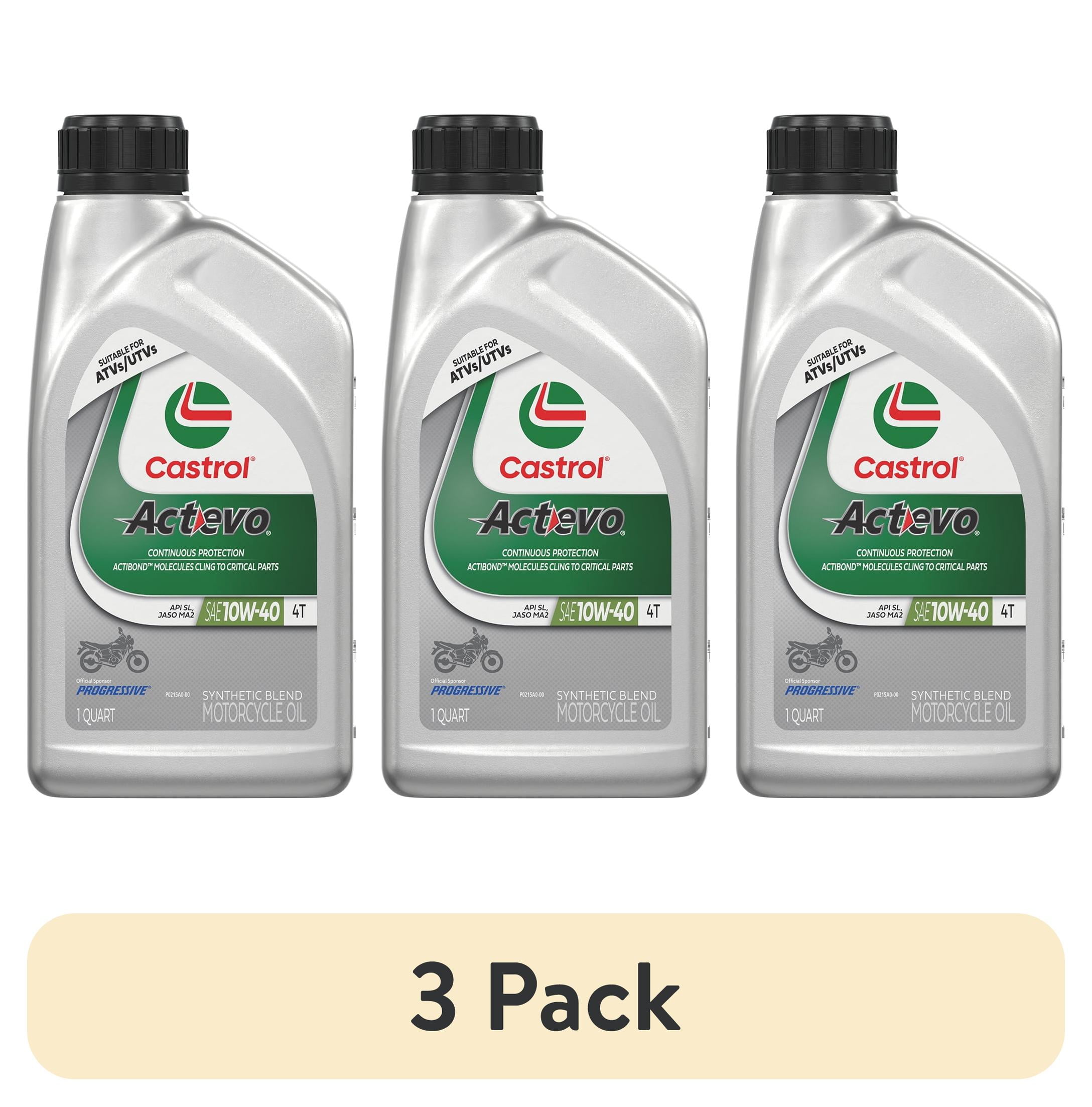
Castrol 4T motorcycle oils, specifically the Power1 and Activ ranges, are highly effective lubricants designed to meet the rigorous demands of modern 4-stroke engines. In 2026, these oils remain industry standards due to their Trizone Technology, which ensures simultaneous protection for the engine, clutch, and gearbox. They provide excellent shear stability and thermal resistance, making them ideal for both high-performance sportbikes and daily commuters.
Understanding the Castrol 4T Product Lineup
When evaluating a Castrol 4T motorcycle oil review, it is essential to distinguish between the different formulations available under the 4T umbrella. Castrol does not produce a single "4T oil" but rather a suite of products tailored to specific riding styles, engine architectures, and performance requirements. As of 2026, the primary variants include Castrol Power1 4T, Castrol Activ 4T, and Castrol Go! 4T.
Castrol Power1 4T: The Performance Choice
The Power1 range is Castrol’s flagship synthetic and semi-synthetic offering. It is engineered for riders who prioritize throttle response and acceleration. The "Power Release Formula" is designed to reduce internal engine losses due to friction. By minimizing the drag between moving parts, the oil allows the engine to rev more freely, which can result in a perceptible improvement in power delivery from the crankshaft to the rear wheel.
Castrol Activ 4T: The Protection Specialist
Castrol Activ is formulated with "Actibond" molecules. The primary engineering goal here is to address the fact that most engine wear occurs during the warm-up phase. Actibond molecules are designed to cling to engine components even when the motorcycle is turned off. This creates a continuous layer of protection that is present the moment you hit the starter, significantly reducing the metal-on-metal contact that typically occurs before the oil pump has fully pressurized the system.
Castrol Go! 4T: The Economical Standard
For older motorcycles or low-displacement commuter bikes that do not require high-performance additives, Castrol Go! 4T provides a mineral-based solution. It offers basic protection against carbon deposits and maintains viscosity across standard operating temperatures, fulfilling the requirements of many air-cooled engines found in developing markets and urban environments.
The Significance of Trizone Technology
One of the most critical aspects of any Castrol 4T motorcycle oil review is the explanation of Trizone Technology. Unlike passenger car engines, most motorcycles utilize a "unit construction" design where the engine, clutch, and gearbox all share the same oil. This creates a complex set of conflicting requirements for the lubricant.
- The Engine: Requires high thermal stability and the ability to prevent sludge and deposit formation at high RPMs.
- The Clutch: Requires specific friction characteristics. If an oil is too "slippery" (like many energy-conserving car oils), the wet clutch will slip, leading to power loss and accelerated plate wear.
- The Gearbox: Requires high film strength and "extreme pressure" (EP) additives to protect the gear teeth from pitting and shearing under heavy loads.
Castrol’s 4T formulations are balanced to address all three zones. By meeting the JASO MA2 standard, Castrol 4T oils ensure that the friction coefficient is high enough to prevent clutch slippage while remaining fluid enough to provide rapid lubrication to the piston rings and valve train.
Technical Specifications and Standards
To verify the quality of Castrol 4T oil, one must look at the international standards it meets. In 2026, the requirements for motorcycle lubricants have become stricter due to tighter tolerances in engine manufacturing and more advanced exhaust after-treatment systems (like catalytic converters).
JASO MA and MA2
The Japanese Automotive Standards Organization (JASO) T 903:2023 (and its predecessors) is the global benchmark for 4-stroke motorcycle oils. Castrol Power1 and Activ 4T oils typically meet the JASO MA2 specification. MA2 is the highest friction category, specifically designed for motorcycles with wet clutches and catalytic converters. It ensures that the oil can handle the high torque of modern engines without causing the clutch to fail under load.
API Ratings
The American Petroleum Institute (API) ratings (such as API SN, SM, or SL) indicate the oil's ability to handle oxidation, wear, and deposits. Most Castrol 4T products in 2026 carry an API SN rating or higher. This signifies that the oil has superior piston deposit control and is compatible with seals and gaskets, reducing the likelihood of leaks in older high-mileage engines.
Performance Analysis: Real-World Riding Observations
When analyzing the performance of Castrol 4T motorcycle oil, several key metrics emerge from long-term testing and user feedback. These observations help clarify why this oil remains a preferred choice for millions of riders.
Shift Quality and Gear Engagement
One of the most immediate changes riders notice after switching to a high-quality oil like Castrol Power1 4T is the smoothness of the gear shifts. Because the gearbox is lubricated by the engine oil, the shear stability of the fluid—its ability to resist being "cut" by the gears—is paramount. Castrol's formula maintains its viscosity even under the intense shearing forces of the transmission, preventing the "notchy" or "clunky" shifting that often occurs with lower-quality oils as they break down.
Thermal Management
Motorcycle engines, especially air-cooled or high-revving liquid-cooled units, operate at significantly higher temperatures than car engines. In 2026, with the increasing density of urban traffic, heat management is more important than ever. Castrol 4T oils demonstrate high oxidation resistance, meaning they do not thicken or turn into "sludge" when exposed to extreme heat. This keeps the oil flowing freely through narrow oil passages, ensuring that the cylinder head and bearings stay cooled and lubricated.
Engine Cleanliness
Over thousands of miles, internal combustion creates bypass gases and carbon particles. Castrol’s detergent additives are designed to keep these particles in suspension, preventing them from settling on critical engine components. During engine teardowns of bikes running Castrol Activ or Power1, technicians frequently report minimal lacquer on the pistons and exceptionally clean sump screens, which extends the overall lifespan of the engine.
Comparative Overview of Castrol 4T Variants
The following table compares the technical focus and recommended applications for the primary Castrol 4T products available in 2026.
| Feature | Castrol Power1 4T | Castrol Activ 4T | Castrol Go! 4T |
|---|---|---|---|
| Base Oil Type | Full Synthetic / Semi-Synthetic | Semi-Synthetic / Mineral | Mineral |
| Primary Technology | Power Release Formula | Actibond Molecules | Trizone Technology |
| Primary Benefit | Maximum Acceleration | Start-up Protection | Reliable Lubrication |
| Best For | Sportbikes & Performance | Daily Commuters & Stops | Economy & Older Bikes |
| JASO Standard | MA2 | MA2 | MA / MA2 |
| API Rating | SN | SN | SL |
| Viscosity Grades | 10W-40, 10W-50, 15W-50 | 10W-30, 10W-40, 20W-50 | 10W-30, 20W-40, 20W-50 |
Pros and Cons of Using Castrol 4T Oil
No product is perfect for every application. A balanced Castrol 4T motorcycle oil review must highlight both the strengths and the limitations of the brand.
Advantages
- Global Availability: You can find Castrol 4T oil in almost any country, making it a reliable choice for long-distance touring riders who may need to top up their oil in remote areas.
- Clutch Compatibility: The JASO MA2 certification is strictly adhered to, virtually eliminating concerns about clutch slippage that can occur with generic or automotive-grade oils.
- Cold Start Protection: The Actibond technology in the Activ range is genuinely beneficial for riders who use their bikes for short trips where the engine rarely reaches full operating temperature.
- Brand Reputation: With decades of involvement in MotoGP and World Superbike racing, Castrol’s formulations are backed by extensive R&D and real-world racing data.
Disadvantages
- Premium Pricing: Compared to store-brand or generic motorcycle oils, Castrol Power1 is often priced at a premium.
- Counterfeit Risks: Because it is a high-demand global brand, counterfeit Castrol oil is a known issue in some markets. Users must ensure they purchase from reputable, authorized dealers.
- Complexity of Choice: The wide variety of 4T sub-brands (Power1, Activ, Go!, V-Twin) can be confusing for a novice rider without consulting the owner's manual.
Maintenance and Best Practices for 2026
To get the most out of Castrol 4T motorcycle oil, owners should follow modern maintenance protocols. In 2026, many manufacturers have extended oil change intervals, but these intervals often assume "ideal" riding conditions.
- Monitor Oil Levels: Many modern bikes consume a small amount of oil between changes. Check the sight glass or dipstick every 500 miles.
- Filter Replacement: Never change the oil without changing the filter. A clogged filter can trigger a bypass valve, allowing unfiltered oil (and abrasive particles) to circulate through the engine.
- Viscosity Matching: Always use the viscosity recommended by your motorcycle manufacturer. Using a 20W-50 in a bike designed for 10W-30 can lead to poor oil flow during cold starts and reduced fuel economy.
- Avoid Additives: Castrol 4T oils are already chemically balanced. Adding aftermarket "oil treatments" or friction modifiers can upset the Trizone balance and cause the wet clutch to slip.
Frequently Asked Questions
Can I use Castrol Power1 4T in a scooter?
While you can use 4T motorcycle oil in a scooter, it is often better to use a dedicated "Scooter" oil (like Castrol Power1 Scooter). Scooters typically use a Continuously Variable Transmission (CVT) and do not have a wet clutch inside the engine. Therefore, scooter oils are often "JASO MB" rated, containing more friction modifiers to improve fuel efficiency—modifiers that would cause a standard motorcycle clutch to slip.
How often should I change Castrol 4T oil?
For most modern motorcycles using synthetic Power1 4T, intervals range between 6,000 and 10,000 miles. However, for urban riding with frequent stops or for air-cooled engines, it is safer to change the oil every 3,000 to 5,000 miles to account for fuel dilution and thermal degradation.
Is Castrol 4T better than full synthetic car oil?
Yes, for motorcycles, it is significantly better. Car oils often contain "Energy Conserving" friction modifiers that are incompatible with motorcycle wet clutches. Furthermore, car oils are not designed to withstand the shearing forces of a motorcycle's integrated gearbox. Using car oil in a motorcycle can lead to clutch failure and transmission wear.
Can I mix different types of Castrol 4T oil?
In an emergency, you can mix different Castrol 4T oils (e.g., topping up Power1 with Activ). However, it is not recommended as a long-term solution, as it will dilute the specific additive packages (like Actibond or Power Release) that make each product unique.
Does Castrol 4T oil expire?
Unopened Castrol 4T oil has a shelf life of approximately five years if stored in a cool, dry place away from direct sunlight. Once opened, the oil should ideally be used within one year, as it can begin to absorb moisture from the atmosphere.
Final Recommendation
For riders seeking a balance of performance and long-term durability in 2026, Castrol Power1 4T 10W-40 is the recommended choice for most modern liquid-cooled motorcycles. It provides the necessary JASO MA2 protection for the clutch while offering the friction-reduction benefits of a synthetic blend. If you primarily use your motorcycle for short urban commutes or live in a climate with cold mornings, Castrol Activ 4T is the superior option due to its specialized start-up protection. Regardless of the variant chosen, the Castrol 4T line remains a technically sound investment for any 4-stroke motorcycle engine.