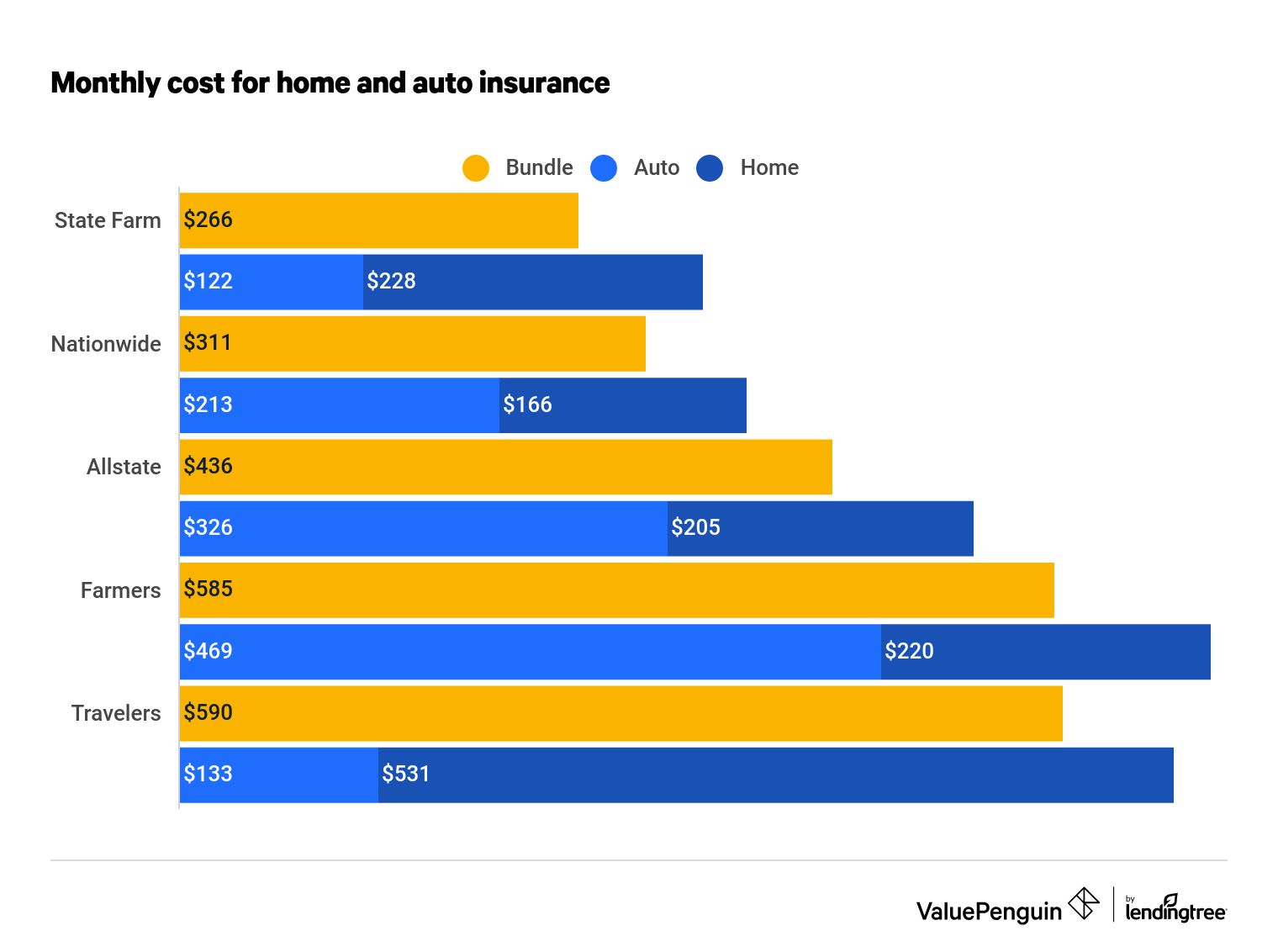
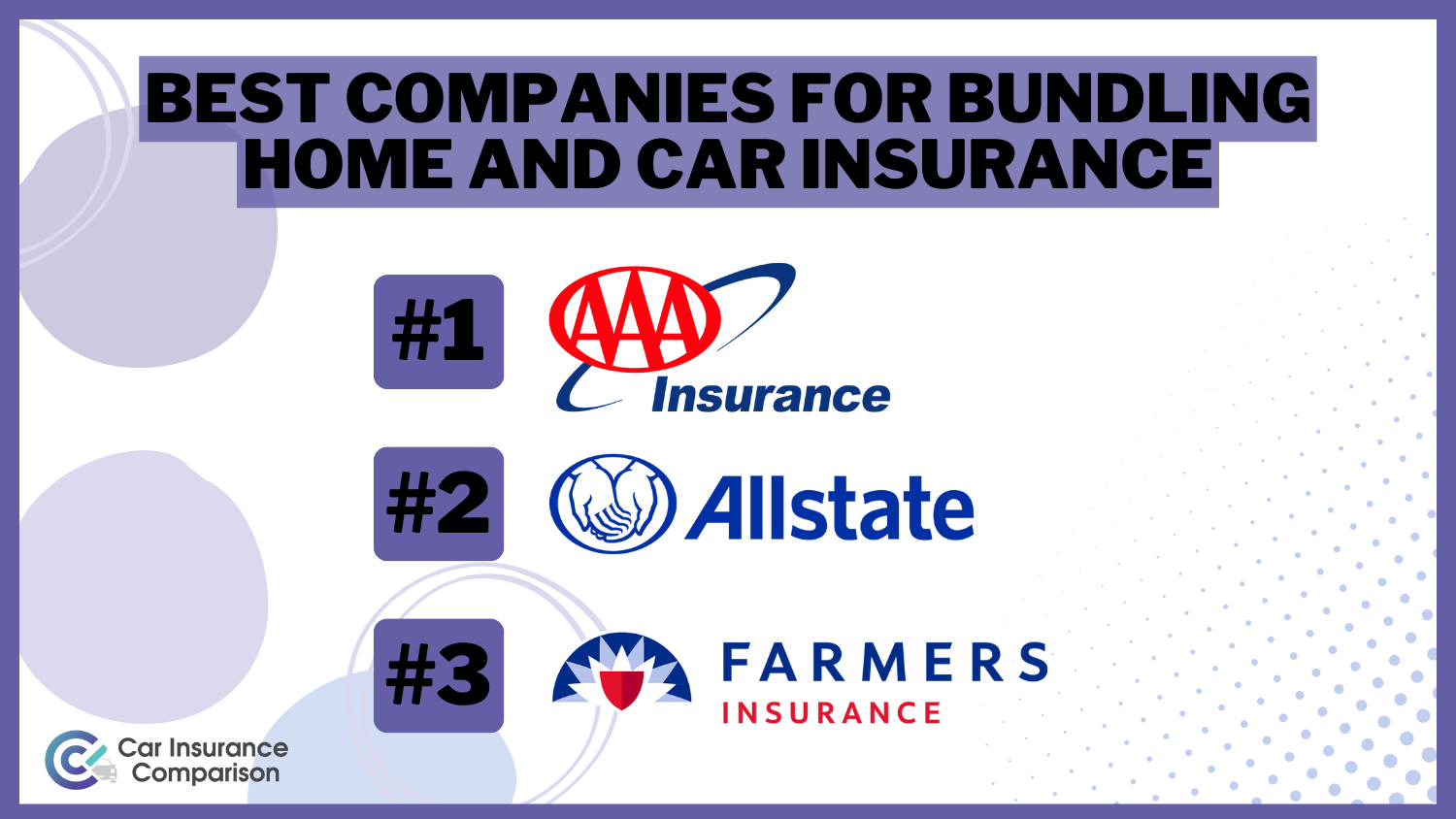
Navigating the landscape of property and casualty protection requires examining independent third-party evaluations, financial stability metrics, and consumer satisfaction scores. While no single carrier holds a monopoly on perfection, top-rated insurers like Amica, USAA, and State Farm consistently lead national performance rankings for bundling home and auto coverage.
Finding the optimal insurance provider for both your residence and your vehicle can feel overwhelming, especially when balancing premium costs against claim handling efficiency. In the United States, insurance ratings are typically driven by a combination of financial strength evaluations from agencies like AM Best, customer satisfaction indices from J.D. Power, and complaint ratios published by state insurance commissioners. Evaluating these metrics side-by-side helps policyholders separate marketing promises from operational reality. This overview explores the highest-rated home and auto insurance companies in the country, detailing how their ratings are determined, what policyholders can expect from their coverage, and how to select the right provider for your specific needs.
Understanding Insurance Ratings and Evaluation Metrics
To identify the best insurance companies in the United States, industry analysts rely on standardized metrics rather than subjective opinions. These benchmarks measure a company's financial health, its ability to pay out claims during catastrophic events, and the overall experience of its policyholders.
Financial Strength Ratings
Financial strength is perhaps the most critical factor when choosing an insurer. If a massive regional disaster occurs—such as a hurricane or wildfire—an insurance company must have the capital reserves to pay out billions of dollars in claims without becoming insolvent.
- AM Best: The gold standard for insurance financial ratings. Companies receive letter grades ranging from A++ (Superior) down to D (Poor). Sticking to carriers with an AM Best rating of A or higher minimizes the risk of dealing with an insolvent insurer.
- Standard & Poor's (S&P) and Moody's: These agencies also evaluate corporate creditworthiness and debt-paying ability, offering additional layers of financial verification.
Customer Satisfaction and Claim Handling
Financial stability alone does not guarantee a pleasant customer experience. To measure how insurers treat their policyholders, independent research firms conduct extensive annual surveys.
- J.D. Power Studies: J.D. Power regularly publishes property and casualty insurance studies, measuring customer satisfaction on a 1,000-point scale across categories such as interaction, policy offerings, price, billing, and claims processing.
- National Association of Insurance Commissioners (NAIC) Complaint Index: The NAIC tracks consumer complaints filed with state regulators. The national median is set at 1.00. Companies with an index below 1.00 receive fewer complaints than average for their size, while those above 1.00 experience a higher-than-average volume of grievances.
Top-Rated Home and Auto Insurance Providers in the United States
Several national carriers consistently score near the top of industry benchmarks for both homeowners and auto insurance. While eligibility requirements and regional availability vary, the following companies represent the benchmark for quality service and financial backing.
USAA: Exceptional Satisfaction for Military Families
For those who qualify, USAA is widely considered the premier insurance provider in the United States. It consistently ranks at or near the top of J.D. Power customer satisfaction studies for both auto and homeowners insurance.
- Pros: Exceptionally high customer loyalty, competitive pricing, specialized coverage for military equipment, and robust digital tools.
- Cons: Strict eligibility requirements; membership is limited to active-duty military personnel, veterans, and their eligible family members.
Amica: Outstanding Customer Service and Claim Satisfaction
Amica is renowned for its customer-centric business model and high marks in independent satisfaction indices. Though its baseline rates may run slightly higher than discount carriers, its claims service reputation offsets the cost for many policyholders.
- Pros: Low complaint index with the NAIC, excellent claims handling reputation, and unique dividend-paying policy options in select states.
- Cons: Fewer physical brick-and-mortar agency locations compared to massive national giants, and stricter underwriting criteria for auto coverage.
State Farm: Unmatched Market Presence and Local Agent Network
As the largest property and casualty insurer in the United States, State Farm combines massive financial scale with a ubiquitous network of local, exclusive agents. This hybrid model allows policyholders to manage policies digitally while maintaining a face-to-face relationship with a local representative.
- Pros: Extensive agent network, strong financial ratings, user-friendly mobile applications, and extensive bundling discounts.
- Cons: Rates can vary significantly depending on the state and local risk profile, and coverage options can be less customizable than boutique carriers.
Progressive: Innovative Pricing and Digital Tools
While traditionally known as an automotive insurance innovator—pioneering usage-based tracking through programs like Snapshot—Progressive has grown into a major force in the homeowners insurance market as well, often underwriting home policies through partner networks or direct subsidiaries.
- Pros: Highly competitive auto rates, transparent online quoting tools (Name Your Price tool), and robust coverage for high-risk drivers.
- Cons: Homeowners insurance is sometimes brokered rather than directly serviced, leading to mixed customer service continuity.
Comparative Overview of Top Insurance Carriers
| Insurance Company | AM Best Financial Strength | Primary Strengths | Notable Eligibility / Caveats | Typical Best Suited For |
|---|---|---|---|---|
| USAA | A++ (Superior) | Exceptional customer satisfaction, low rates, military focus | Restricted to military members and families | Military, veterans, and eligible dependents |
| Amica | A+ (Superior) | Superior claim handling, low complaint volume | Stricter underwriting guidelines | Customers prioritizing service over lowest price |
| State Farm | A++ (Superior) | Massive agent network, strong bundling discounts | Local agent service quality can vary | Drivers and homeowners wanting local human support |
| Progressive | A+ (Superior) | Advanced telematics, easy online tools | Home policies often managed via third parties | Tech-savvy consumers and high-risk auto drivers |
Key Factors That Influence Insurance Ratings and Premiums
Understanding why insurance companies rate you the way they do—and why carriers receive the ratings they do—requires looking at the underlying risk variables. When you request a quote for home and auto insurance, carriers evaluate a complex matrix of data points.
Auto Insurance Rating Factors
Car insurance premiums are heavily influenced by statistical probability. Insurers evaluate:
- Driving Record: Speeding tickets, at-fault accidents, and driving-under-the-influence (DUI) convictions drastically increase premiums.
- Vehicle Make and Model: The cost to repair or replace vehicle parts, safety ratings, and theft rates directly affect comprehensive and collision costs.
- Credit-Based Insurance Score: In most states, insurers use credit history to predict the likelihood of filing a claim.
- Location and Commute: Urban areas with high traffic congestion and higher uninsured motorist rates typically face higher auto premiums than rural areas.
Home Insurance Rating Factors
Homeowners insurance rates reflect the physical vulnerability of a structure and its surroundings:
- Rebuilding Cost vs. Market Value: Insurers calculate what it would cost to completely rebuild the home from the foundation up using modern materials, which often differs significantly from real estate market value.
- Roof Age and Material: The roof is the primary defense against weather elements; older roofs or shingle types susceptible to hail damage increase premiums or require specialized endorsements.
- Protection Class: Proximity to fire hydrants, professional fire departments, and water supply sources heavily influences the fire protection rating.
- Claim History: Previous claims filed on the property—or by the applicant at a previous address—signal elevated future risk to underwriters.
Common Mistakes When Comparing Insurance Ratings
Navigating insurance ratings can lead to costly missteps if consumers rely on incomplete information or overlook critical policy nuances.
Confusing Financial Strength with Customer Satisfaction
A common pitfall is assuming that an "A++" financial rating from AM Best means the company treats its customers exceptionally well. Financial strength simply measures solvency and capital reserves. A company can be financially rock-solid while maintaining mediocre customer service scores. Always cross-reference financial ratings with J.D. Power studies and NAIC complaint ratios.
Overlooking Deductible Structures During Price Comparisons
When comparing top-rated companies, policyholders frequently focus entirely on the monthly premium while ignoring the deductible structure. A lower premium often hides a high percentage deductible for wind, hail, or earthquake damage, meaning out-of-pocket costs during a disaster could be substantially higher.
Failing to Re-evaluate Bundling Discounts
While bundling home and auto insurance with a single carrier almost always yields a discount, policyholders often assume the bundled rate remains the cheapest option indefinitely. Market conditions change, and separating policies or shopping them out independently every few years can sometimes uncover significant savings.
Frequently Asked Questions
What does an AM Best financial strength rating actually mean for a policyholder?
An AM Best rating assesses an insurance company's financial health and operating performance, indicating its ability to fulfill policy obligations and pay out claims. Ratings span from A++ (Superior) down to D (Poor). For peace of mind, consumers should generally select carriers rated A- or higher to ensure the company can withstand severe economic downturns or major natural disasters.
Is it always cheaper to bundle home and auto insurance?
In the vast majority of cases, bundling home and auto policies with the same provider delivers a significant discount—often ranging from 10% to 25% off total premiums. However, it is not universally true. If a specialized auto insurer offers exceptionally low rates for a specific vehicle profile, purchasing auto coverage there while maintaining a separate homeowners policy elsewhere can occasionally cost less than a bundled package.
How do state insurance departments protect consumers if an insurer fails?
Every U.S. state operates a state guaranty association. If a licensed insurance company becomes insolvent and is liquidated, the guaranty association steps in to cover unpaid claims and unearned premiums up to statutory limits established by state law. This safety net prevents policyholders from absorbing total losses due to carrier bankruptcy.
Why do insurance rates fluctuate even if I haven't filed any claims?
Insurance pricing is calculated on an aggregate regional and national level. Even if your personal driving and property record remains spotless, factors such as severe inflation in construction materials, rising costs of automotive replacement parts, an increase in local weather catastrophes, and systemic litigation trends can drive up rates across an entire geographic zip code.
How often should I review my home and auto insurance coverage?
Experts recommend conducting a comprehensive insurance review at least once a year, or whenever a major life event occurs—such as purchasing a new vehicle, remodeling your home, getting married, or moving to a new address. This ensures your coverage limits align with current replacement costs and allows you to capture newly available discounts.
Practical Next Steps for Choosing an Insurer
Selecting the best home and auto insurance provider requires a methodical, step-by-step approach tailored to your specific financial situation and risk tolerance.
- Audit Your Current Policies: Pull your existing declarations pages for both home and auto insurance. Note your current coverage limits, deductibles, and annual premiums.
- Check Carrier Ratings: Review AM Best financial ratings, J.D. Power scores, and NAIC complaint indices for the top three or four carriers operating in your state.
- Request Apple-to-Apples Quotes: Obtain quotes from at least three different highly-rated providers using identical coverage limits and deductible levels to ensure an accurate financial comparison.
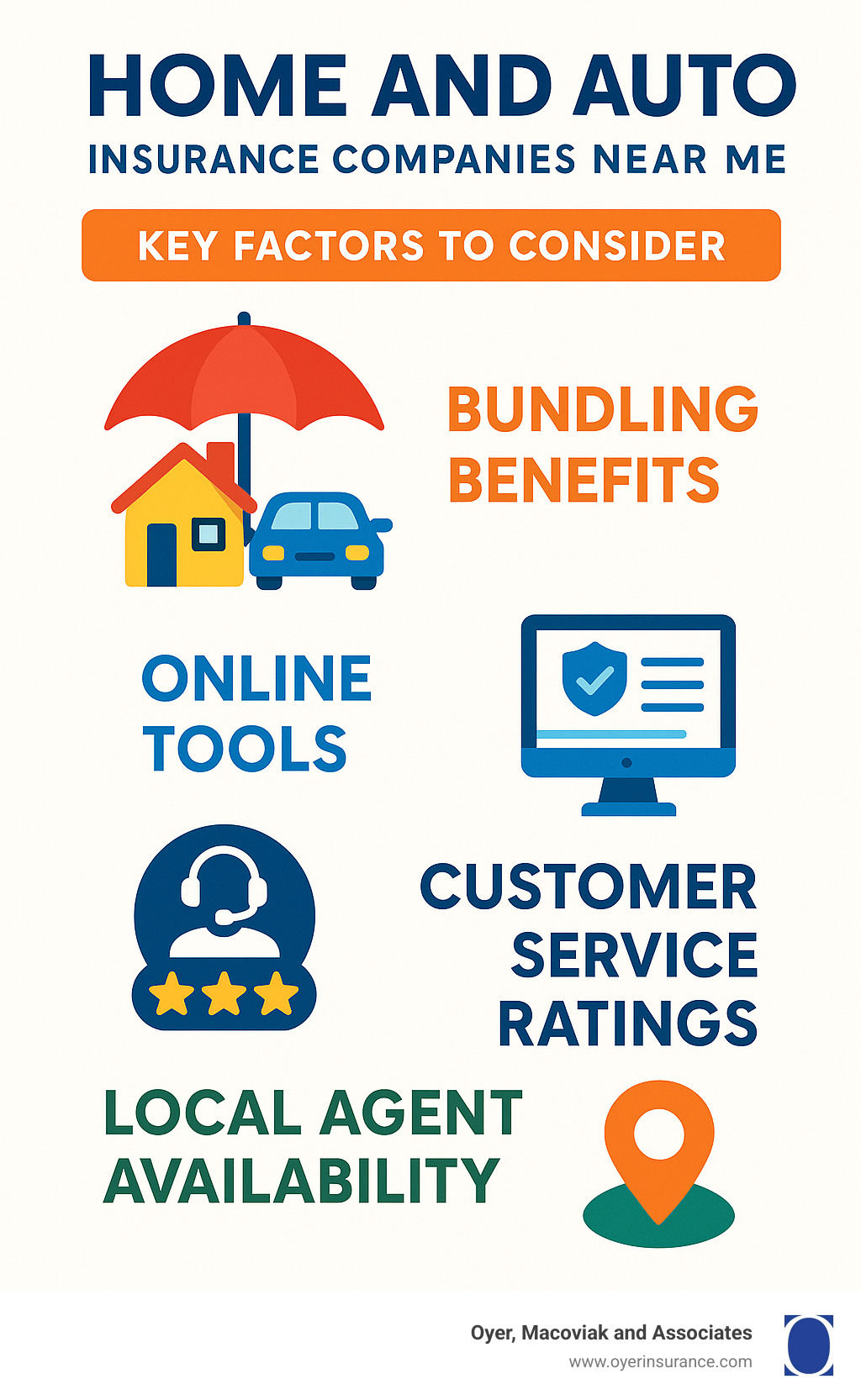
- Evaluate Customer Service Channels: Determine whether you prefer managing policies through a dedicated local agent, a streamlined mobile application, or a 24/7 telephone customer support line, and choose the carrier that aligns with your communication preferences.