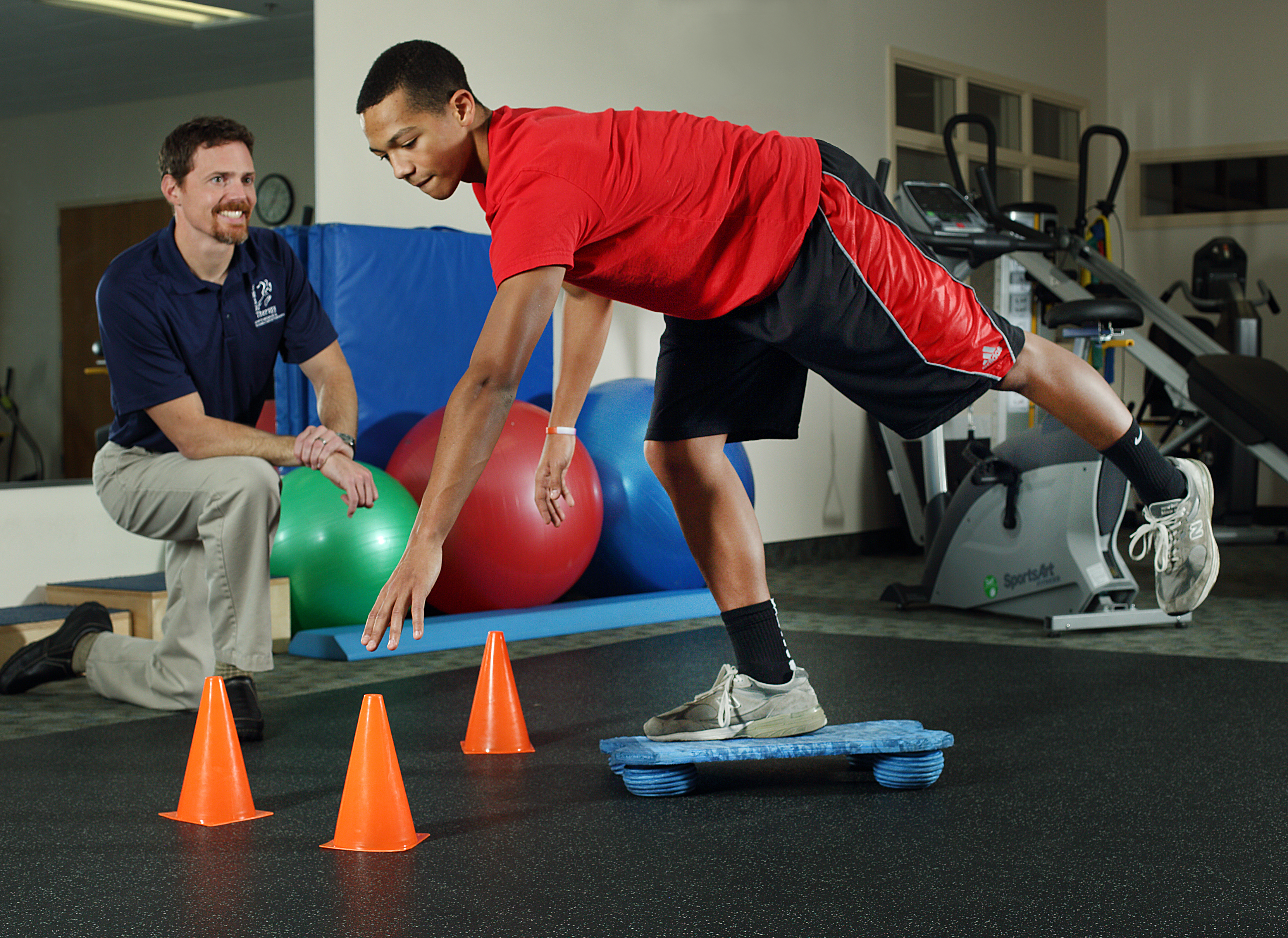
A sports physical, officially known as a Pre-Participation Physical Evaluation (PPE), is a specialized medical examination used to determine if it is safe for an individual to participate in a specific sport. It focuses on identifying life-threatening conditions, previous injuries, and physical limitations that could predispose an athlete to further harm during high-intensity activity.
While often viewed as a mere administrative hurdle for school registration, the sports physical serves as a vital preventative health measure. As of 2026, medical standards emphasize a holistic approach that integrates cardiac screening, concussion history, and mental health readiness into the traditional musculoskeletal exam. Understanding the nuances of this evaluation—including who performs it, what it covers, and why it differs from a standard check-up—is essential for parents, student-athletes, and adult competitors alike.
The Core Purpose of the Pre-Participation Physical Evaluation
The primary objective of a sports physical is not to "pass" or "fail" an athlete, but to promote safe participation. According to the American Academy of Pediatrics (AAP) and the American College of Sports Medicine (ACSM), the PPE is designed to screen for conditions that may be life-threatening or disabling.
Identifying Life-Threatening Risks
The most critical aspect of the exam is the identification of underlying cardiovascular issues. Conditions such as Hypertrophic Cardiomyopathy (HCM) or long QT syndrome can lead to sudden cardiac arrest during intense physical exertion. While rare, these events are often preventable if the risk factors are identified during a thorough physical and history review.
Injury Prevention and Rehabilitation
A sports physical provides an opportunity to review old injuries. Many athletes return to play before a previous injury—such as a ligament tear or a stress fracture—has fully healed. The clinician assesses these areas to ensure the athlete has regained the necessary strength and range of motion to prevent a "cascade effect," where compensating for one injury leads to another.
Legal and Institutional Compliance
Most state high school athletic associations and collegiate governing bodies (such as the NCAA) require a valid PPE on file before an athlete can participate in practices or games. In 2026, these requirements have become increasingly standardized across state lines, often requiring specific forms that must be signed by a licensed healthcare professional.
The Two Pillars of the Exam: History and Physical
A comprehensive sports physical is divided into two distinct parts: the medical history and the physical examination. Of the two, medical providers generally consider the history to be the more diagnostic component.
The Medical History: 75% of the Value
Statistically, the medical history identifies approximately 75% of the problems encountered in athletes. This section usually involves a detailed questionnaire that the athlete and a parent/guardian complete together. Key areas of focus include:
- Cardiac History: Questions about fainting (syncope), dizziness, chest pain during exercise, or a family history of unexplained sudden death before age 50.
- Neurological History: A detailed account of past concussions, including recovery times and any lingering symptoms like headaches or light sensitivity.
- Chronic Conditions: Documentation of asthma, diabetes, epilepsy, or severe allergies (anaphylaxis) that might require on-field emergency medication like an inhaler or epinephrine autoinjector.
- Surgical History: Any past surgeries that might affect joint stability or organ function.
- Menstrual History: For female athletes, the "Female Athlete Triad" (energy deficiency, menstrual dysfunction, and low bone mineral density) remains a significant concern in 2026.
The Clinical Physical Examination
The physical portion of the exam is targeted toward the demands of athletic activity. While it covers some general health markers, it is much more focused on the "moving parts" of the body.
- Vital Signs: Recording height, weight, blood pressure, and pulse. Blood pressure is particularly important, as hypertension in young athletes may indicate underlying kidney or heart issues.
- Vision Screening: Ensuring the athlete has adequate peripheral vision and depth perception, or determining if corrective lenses/protective eyewear are necessary for contact sports.
- Cardiac Auscultation: The provider listens to the heart in multiple positions (e.g., sitting, standing, and lying down). Certain heart murmurs only become audible when the patient changes position, which can be a key indicator of HCM.
- Musculoskeletal Screening: This is a "joint-by-joint" evaluation. The clinician checks the neck, shoulders, elbows, wrists, spine, hips, knees, and ankles for symmetry, strength, and stability.
- Organ Assessment: Palpation of the abdomen to check for enlarged organs (like the spleen or liver). This is critical for athletes who may have recently had Mononucleosis, as an enlarged spleen is at risk of rupture during contact sports.
Sports Physical vs. Annual Wellness Exam
A common point of confusion for many families is the difference between a sports physical and a comprehensive annual wellness exam (a "yearly check-up"). While they may seem similar, their goals and depths are different.
The annual wellness exam is broader. It covers immunizations, developmental milestones, emotional health, laboratory blood work, and long-term preventative care. It looks at the "whole child" or "whole person" in the context of their entire life.
In contrast, the sports physical is a "fitness-for-duty" exam. It is highly specific to the physical demands of athletics. It may skip discussions about academic performance or social habits to spend more time on ligament stability or cardiac stress symptoms.
Professional Recommendation: In 2026, most pediatricians recommend combining these two visits. By scheduling an "Annual Physical with Sports Clearance," the athlete receives a comprehensive health review while the doctor fills out the specific athletic forms required by the school. This ensures no gaps in care occur.
When and Where to Get a Sports Physical
Timing and location are crucial for ensuring the athlete is cleared before the first day of tryouts.
The Timing: The "6-Week Rule"
Medical experts recommend having a sports physical at least six weeks before the sports season begins. This timeframe is intentional. If the clinician discovers an issue—such as a heart murmur that requires a cardiology consult or a weak ankle that requires physical therapy—the six-week window allows the athlete time to seek specialized care and complete any necessary rehabilitation before the season starts.
Choosing a Provider
In 2026, athletes have several options for where they receive their evaluation. Each has distinct advantages and drawbacks.
| Provider Type | Pros | Cons |
|---|---|---|
| Primary Care / Pediatrician | Access to full medical records; continuity of care; can combine with a well-visit. | May have long wait times for appointments during "peak" seasons (August/November). |
| Retail/Urgent Care Clinics | Convenient hours; walk-in availability; flat-fee pricing (typically $35–$75). | Provider does not know the patient's history; records may not be shared with the primary doctor. |
| School-Based "Mass Physicals" | Low cost or free; convenient location; school gets forms immediately. | High-volume environments can be noisy, making it harder to hear subtle heart murmurs; lack of privacy. |
Understanding the Results: Clearance Categories
Once the exam is complete, the healthcare provider will categorize the athlete's status. It is rare for an athlete to be completely disqualified from all sports, but restrictions are common.
- Cleared for all sports without restriction: The athlete is healthy and may participate in any activity.
- Cleared for all sports without restriction with recommendations for further evaluation or treatment: The athlete can play, but they should follow up for a specific issue (e.g., seeing an eye doctor for a new vision problem).
- Not cleared: This usually falls into two sub-categories:
- Pending further evaluation: The athlete is "on hold" until they see a specialist or complete a specific test (like an EKG or Stress Test).
- Not cleared for any sports or certain sports: This is reserved for conditions that make participation unacceptably dangerous, such as certain uncontrolled seizure disorders or specific heart pathologies.
Special Considerations for 2026: Mental Health and Concussions
In recent years, the definition of "physical readiness" has expanded. Modern PPE forms now frequently include screening questions for mental health, such as anxiety and depression. The rationale is that an athlete's psychological state directly impacts their physical safety, focus, and recovery from injury.
Furthermore, concussion baseline testing is often integrated into the sports physical process. By establishing a "normal" cognitive and balance score during the pre-season, doctors have a baseline to compare against if the athlete suffers a head injury later in the year. This data-driven approach is a hallmark of athletic safety in 2026.
Frequently Asked Questions
Does insurance cover a sports physical?
Most insurance plans cover one "wellness exam" per year at 100%. If the sports physical is conducted as part of that annual check-up, it is usually covered. However, if you have already had your annual physical and go to an urgent care clinic specifically for a sports form, you will likely have to pay a flat out-of-pocket fee, as most insurers do not cover a second "physical" in the same 12-month period.
What should I bring to the appointment?
You should bring the specific form required by your school or state athletic association. Most of these forms have a "History" section that must be completed by a parent or guardian before the doctor starts the exam. Additionally, bring a list of any current medications, records of past surgeries, and contact information for any specialists the athlete sees.
Can a chiropractor or physical therapist perform a sports physical?
This depends entirely on state law. In 2026, some states allow Chiros (DCs) or Physical Therapists (DPTs) to sign off on PPEs, while others strictly require an MD, DO, Nurse Practitioner (NP), or Physician Assistant (PA). Always check your state's High School Athletic Association guidelines to ensure the provider's signature will be accepted.
How long is a sports physical valid?
In most jurisdictions, a sports physical is valid for one calendar year (365 days). However, some states provide a "grace period" that extends until the end of the current school year. If an athlete suffers a major injury or illness during the year, they usually must be re-evaluated and cleared by a doctor, even if their original physical has not yet expired.
What happens if my child "fails" the physical?
"Failing" is a misnomer. If a provider finds a concern, they will refer the athlete to a specialist. For example, if a heart murmur is detected, the athlete will see a cardiologist. In many cases, once the specialist performs more advanced testing (like an echocardiogram), the athlete is cleared to play. The goal is to find a path to safe participation, not to exclude the athlete.
Final Recommendation for Athletes and Parents
To ensure a smooth start to the 2026 sports season, schedule the sports physical as part of the annual wellness visit with a primary care provider. This provides the most thorough evaluation because the doctor has access to the athlete's complete medical history and immunization records. If you must use a walk-in clinic for convenience, ensure you take a copy of the completed exam to your regular pediatrician afterward so they can update their records. Always keep a digital copy (PDF or photo) of the signed clearance form on your phone, as school athletic departments frequently require resubmission if paper forms are misplaced.
Medical Disclaimer: This article is for informational purposes only and does not constitute medical advice. Always consult with a licensed healthcare professional for medical evaluations and clearance for physical activity.