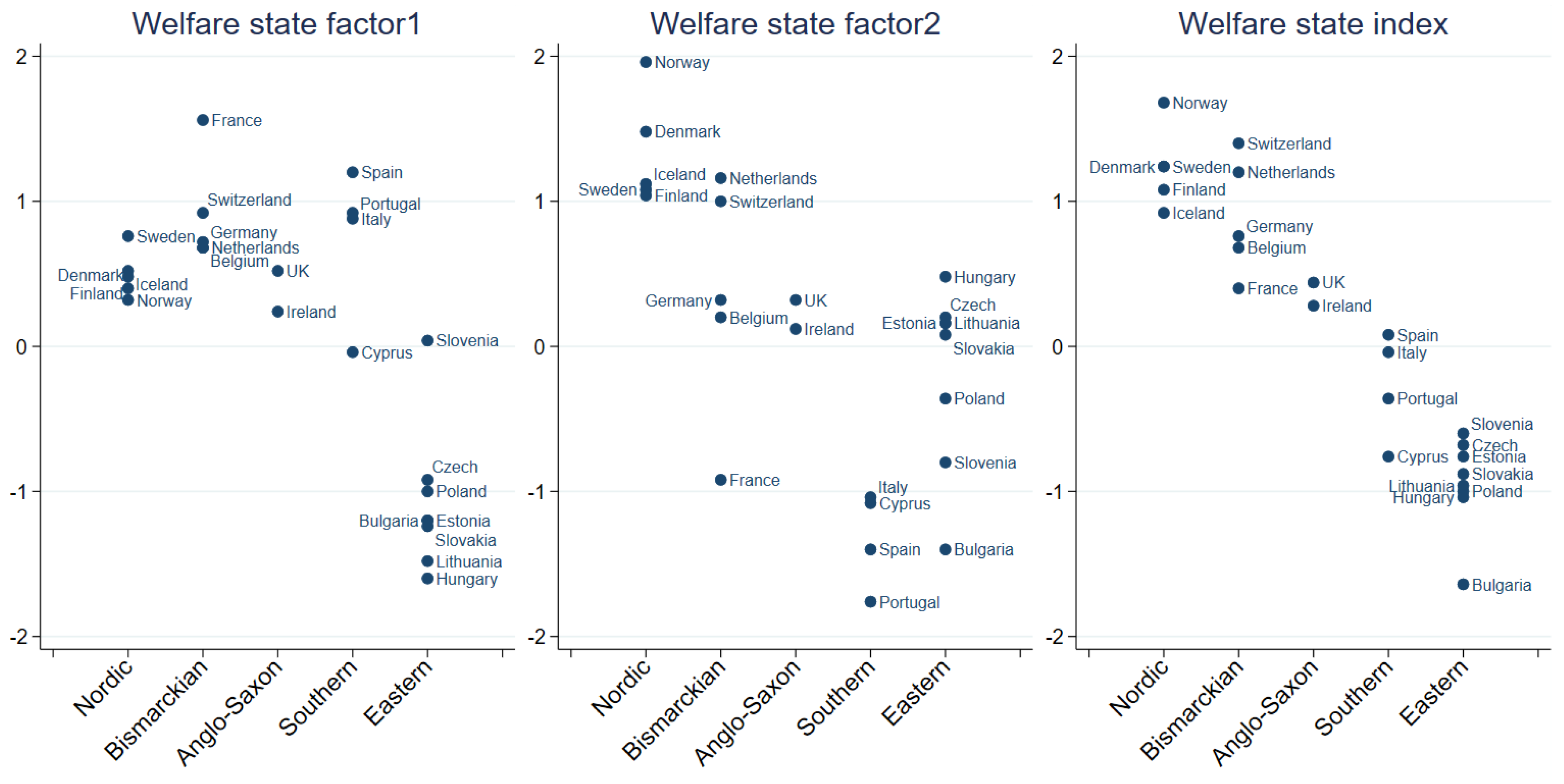
The term "a prelude to the welfare state" refers primarily to the groundbreaking social insurance policies introduced by German Chancellor Otto von Bismarck in the 1880s. These legislative acts—the Health Insurance Act of 1883, the Accident Insurance Act of 1884, and the Old Age and Disability Insurance Act of 1889—created the world’s first modern, state-mandated social security system, establishing the institutional blueprint for the modern welfare state.
The Historical Context of Late 19th-Century Germany
To understand the prelude to the welfare state, one must look at the rapid industrialization of the German Empire during the late 19th century. Following the unification of Germany in 1871, the nation underwent an unprecedented economic transformation. This shift from an agrarian society to an industrial powerhouse led to mass urbanization, as workers migrated from the countryside to burgeoning industrial centers like Berlin, the Ruhr valley, and Saxony.
While this industrialization generated massive national wealth, it also created profound social instability. The proletariat—the new urban working class—faced grueling conditions, including long hours, hazardous work environments, and a complete lack of protection against the inevitable risks of life: sickness, work-related injury, and aging. As the economic gap widened, the rise of the Social Democratic Party (SPD) and socialist labor movements began to threaten the established political order. Otto von Bismarck, the Iron Chancellor, viewed these socialist movements as a revolutionary danger to the monarchy. His solution was a two-pronged strategy: legal repression through the Anti-Socialist Laws and the systematic undermining of socialist appeal through state-sponsored social security.
Bismarck’s Legislative Architecture
Bismarck’s social policies were not born from a desire to create a socialist utopia; they were a pragmatic, conservative effort to bind the working class to the German state. By providing concrete benefits, he aimed to win the loyalty of the workforce, effectively "bribing" them away from revolutionary ideologies.
1. The Health Insurance Act of 1883
This was the first pillar of the system. It mandated that workers contribute to sickness funds, with employers also paying a share. It provided medical treatment and sick pay for the first 13 weeks of illness. This was a radical departure from the previous reliance on private charity or local "poor relief," shifting the burden of care onto a centralized, state-regulated insurance model.
2. The Accident Insurance Act of 1884
Industrialization brought high rates of workplace injury. This act placed the full financial burden of workplace accidents on employers by requiring them to contribute to mutual insurance associations. It guaranteed that injured workers would receive a pension rather than relying on litigation against their employers, which was often prohibitively expensive and ineffective for the average worker.
3. The Old Age and Disability Insurance Act of 1889
This act provided for retirement pensions for workers over the age of 70 and disability benefits for those unable to work. It was a contributory system, meaning the state, the employer, and the employee all shared the cost. While the original age of 70 was exceptionally high for the time—as the average life expectancy was lower—it set the vital precedent that the state had a duty to support the elderly population, a core tenet of the modern welfare state.
Comparative Analysis: The Bismarckian Model vs. Modern Systems
The "prelude" provided by Bismarck established what is now known as the Bismarckian or "corporatist" model of social welfare. This model is distinct from the Beveridge model, which emerged later in the mid-20th century in the United Kingdom.
| Feature | Bismarckian Model (Germany) | Beveridge Model (UK/Scandinavia) |
|---|---|---|
| Funding Source | Payroll-based social insurance premiums | General taxation |
| Eligibility | Employment-based (linked to work) | Universal (residency-based) |
| Administration | Semi-autonomous funds | State-run centralized agency |
| Primary Goal | Maintaining social status/security | Providing a universal social safety net |
The Bismarckian approach remains the basis for health and social security systems in many European countries today, including Germany, France, and Austria. The primary challenge in the 21st century for these systems is the aging population. In 2026, the sustainability of the social insurance model is a subject of significant policy debate, as longer life expectancies increase the ratio of retirees to active, contributing workers.
The Socio-Political Objectives of the Prelude
It is crucial to recognize that the term "prelude" implies a precursor to something larger. Before Bismarck, the concept of a state-managed social safety net was almost nonexistent. The prevailing ideology, shaped by the Enlightenment and the Industrial Revolution, was one of laissez-faire capitalism, where individuals were considered personally responsible for their own economic survival.
Bismarck broke the paradigm of individual responsibility by codifying social rights. However, he did not intend for the state to provide "welfare" in the modern sense of poverty alleviation for all. His system was exclusionary by design, focusing on the industrial worker who was integrated into the formal economy. It did not initially cover agricultural laborers or domestic workers. Thus, while it was a "prelude" to the welfare state, it was also a targeted tool of conservative social engineering.
Long-term Impact and Evolution
The transition from Bismarck’s late 19th-century legislation to the expansive "cradle-to-grave" welfare states seen in the late 20th century is a story of incrementalism. Throughout the 20th century, successive governments expanded these programs to include more citizens, cover more risks (such as unemployment), and increase the depth of the benefits.
In 2026, many nations operate under complex hybrid systems. The core logic established in the 1880s—that social risks should be socialized through mandatory insurance pools rather than left to the whims of the market—remains the standard global approach to managing economic security.
Practical Considerations for Today’s Policy Landscape
For students of history and contemporary economics, observing the Bismarckian prelude reveals the fundamental tension inherent in all welfare state models: the balance between fiscal responsibility and social protection.
- Financial Sustainability: Because Bismarckian systems are contribution-based, they rely on a steady flow of funds from the labor force. When unemployment rises or the workforce shrinks due to demographic shifts, these funds face liquidity crises.
- The Problem of "Dual Labor Markets": A criticism often leveled at the Bismarckian model in the modern era is that it creates a divide between those in secure employment (who have full coverage) and those in the "gig" or precarious economy (who may fall through the gaps).
- Administrative Efficiency: The decentralized nature of many Bismarckian sickness funds can be more expensive to manage compared to the unified, tax-funded systems of the Beveridge model.
Frequently Asked Questions
1. Was Bismarck’s social insurance intended to end poverty? No. Bismarck’s intent was to curb the influence of the Socialist party and stabilize the Empire by ensuring that industrial workers had a stake in the state. Poverty reduction was a beneficial side effect rather than the primary goal.
2. Why was 70 chosen as the retirement age in 1889? At the time, the act was designed to be fiscally conservative. Because the average life expectancy was lower, very few people reached the age of 70, meaning the system did not require excessive immediate funding from the state treasury.
3. Did the Bismarckian model influence the United States? Yes. The American Social Security Act of 1935, signed during the New Deal, was heavily influenced by European models of social insurance. While it adopted a different administrative structure, the core concept of payroll-tax-funded retirement benefits follows the Bismarckian tradition.
4. How does the 1883 Health Insurance Act differ from modern national health services? The 1883 act established "sickness funds" which were essentially mandatory mutual insurance societies. A modern "National Health Service" model, conversely, is usually funded by general taxation and provides care to every citizen, regardless of their employment status or prior contributions.
5. What is the main critique of the Bismarckian approach in 2026? The primary critique is its reliance on high non-wage labor costs. Because employers must pay substantial social insurance premiums on top of wages, it can create a disincentive for hiring, particularly for low-skilled workers.
Recommendations for Further Study
To gain a deeper understanding of the prelude to the welfare state, one should examine the Statist tradition of German political economy. Researching the specific archival documents regarding the Reichstag debates of the 1880s reveals how the political parties of the era justified these interventions against the backdrop of industrial unrest. Understanding the transition from private "Friendly Societies" to state-controlled social insurance provides the most complete picture of how the state encroached upon the private sphere to maintain national stability.