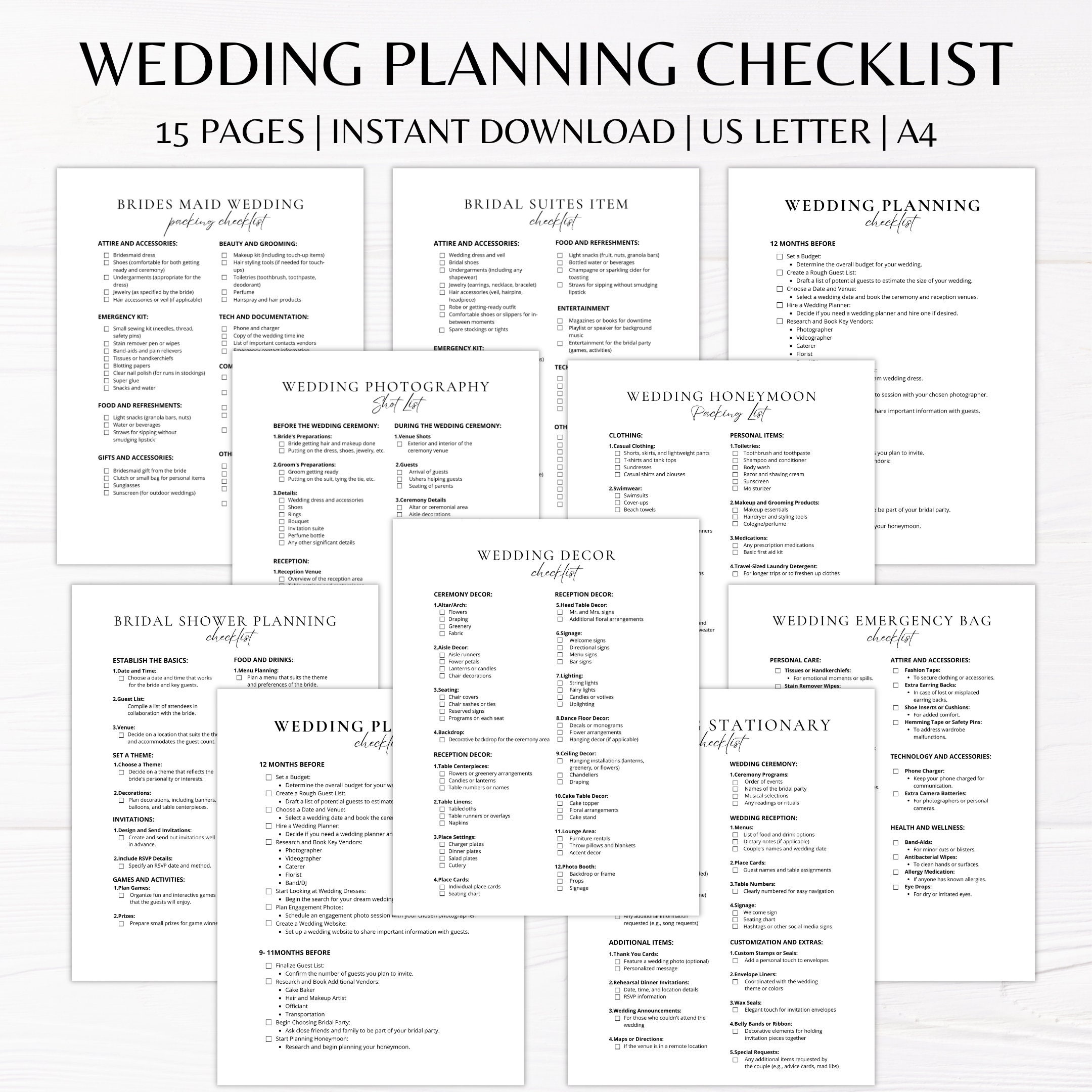
A practical wedding photography checklist serves as the operational blueprint for capturing a wedding day, ensuring that no essential shots—from candid emotional moments to formal family groupings—are overlooked. By systematically organizing the day into chronological phases and shot-list categories, photographers can mitigate stress, manage client expectations, and maintain a consistent workflow under the pressures of a live event.
Establishing Your Foundational Workflow
A wedding is a high-stakes, unrepeatable event. Unlike studio sessions where lighting can be controlled and poses retried, wedding photography requires anticipation, agility, and a rigorous adherence to a plan. A checklist is not merely a list of poses; it is a project management tool that bridges the gap between the couple’s vision and the technical realities of the venue.
Before the big day, the process begins with a formal discovery phase. You must reconcile the couple's desired "must-have" list with the actual time allocated in the wedding day schedule. A common pitfall for inexperienced photographers is agreeing to an exhaustive list of group photos that exceeds the available time, which then cascades into missed moments elsewhere. By utilizing a standardized checklist, you can demonstrate to the couple exactly how much time is required for family portraits, thus setting realistic boundaries that protect the quality of the final gallery.
Pre-Ceremony: The Narrative Foundation
The hours leading up to the ceremony, often called "getting ready," are crucial for establishing the story. This is when the documentary-style portion of your coverage begins. The checklist here is less about rigid poses and more about thematic coverage.
- Detail Shots: Document the rings, invitation suite, shoes, bouquet, and heirloom jewelry. These items provide context for the day and are essential for a complete wedding album.
- The Getting Ready Process: Capture the candid interactions between the couple and their wedding party. Focus on the final touches—the zipping of a dress, the fastening of cufflinks, or the emotional moment of seeing a reflection in the mirror.
- Individual Portraits: Once the primary subjects are dressed, allocate 10–15 minutes for individual portraits. This is the best time for clean, undistracted photos before the nerves of the ceremony set in.
The Ceremony: Precision and Etiquette
During the ceremony, your checklist shifts from creative control to technical discipline. You are effectively a silent witness. The primary objective is to capture the pivotal moments—the entrance, the vows, the exchange of rings, and the first kiss—without being a distraction to the guests or the officiant.
- Processional: Position yourself to see the couple’s faces as they move toward the altar.
- The Vows: Focus on expressions. Use a longer focal length, such as an 85mm or 70-200mm lens, to stay unobtrusive while maintaining intimacy.
- The Ring Exchange: Ensure you are in a location where the couple’s hands are not obscured by their bodies or the officiant.
- Recessional: Capture the joy of the couple immediately following the pronouncement.
The Family Formal Strategy
The family portrait session is where most schedules collapse if not strictly managed. This is the one part of the day where a printed, physical checklist is mandatory. By requesting a list of specific family groupings (e.g., "Bride with parents," "Couple with extended family") from the clients at least two weeks before the wedding, you can organize the session logically.
To maintain efficiency, follow the "family tree" method: start with the largest groups (e.g., the entire wedding party or all extended family) and systematically remove people to reach the smaller, immediate family groupings. This prevents the need to move individuals in and out of the frame repeatedly, which saves significant time and reduces confusion.
The Reception: Maintaining Momentum
As the reception begins, your coverage should transition into a mix of photojournalism and environmental portraiture. The checklist here focuses on key events that anchor the timeline: grand entrances, speeches, first dances, and the cake cutting.
During this phase, keep a portable copy of the schedule. If the DJ or planner alters the timeline—a frequent occurrence in 2026—you must be prepared to pivot immediately. Your primary responsibility is to remain visible to the couple and the key family members, ensuring that when an impromptu toast or an important guest moment happens, you are already in position.
Essential Checklist Comparison Table
The following table summarizes the key photography requirements throughout the day to ensure balanced coverage.
| Phase | Core Goal | Key Subjects/Elements | Equipment Priority |
|---|---|---|---|
| Preparation | Storytelling | Details, attire, emotions | Macro lens, 35mm/50mm |
| Ceremony | Documentation | Vows, rings, expressions | 70-200mm, silent shutter |
| Formals | Orderly Portraits | Family, wedding party | 24-70mm, off-camera flash |
| Reception | Candids/Action | Dances, speeches, guests | 35mm, flash/LED modifiers |
Technical Troubleshooting and Risk Management
Technical failure during a wedding is not an option. Your checklist should extend beyond the camera settings to include a "Day-Of" maintenance routine. Always carry at least two camera bodies. If your primary camera fails during the ceremony, you should have a second body (with a different lens attached) ready to go instantly.
Furthermore, manage your storage strategy. In 2026, dual-card slots are a non-negotiable requirement for professional wedding photography. Ensure your cameras are set to write to both cards simultaneously, creating an instant backup. Treat these SD or CFexpress cards as the most valuable items you carry; never leave them in a camera bag in an unattended vehicle.
Frequently Asked Questions
How much time should I allocate for family photos? Allocate at least 3 minutes per grouping on your list. If you have 10 group photos, reserve 30 minutes of dedicated time. If the family is large or notoriously difficult to organize, increase this buffer to 45 minutes to account for "lost" family members who may have wandered to the bar.
What should I do if the bride and groom fall behind schedule? Communication is key. If you are running 20 minutes behind, identify the least essential photos from your checklist—often the "extended family combinations"—and suggest trimming those first to protect the couple's portrait time, which is usually their only break from guests.
How do I manage low-light conditions during the reception? Relying on high ISO alone often results in grainy images. Use an off-camera flash or a secondary LED light source to provide depth and clarity to your reception images. Practice "dragging the shutter" to maintain ambient room light while ensuring the subjects remain sharp.
Should I follow a generic internet checklist provided by the client? Use it as a starting point but vet it against your own style. Many online checklists include outdated traditions or irrelevant poses. Ask the couple to circle their top five "must-have" photos, as this helps you prioritize the moments they truly value over generic filler shots.
What is the best way to handle "unplugged" ceremony requests? Advise the couple to have the officiant make a clear, polite announcement before the processional begins. This clears the aisles of guests’ mobile phones, which otherwise frequently obstruct the photographer's line of sight during the most critical moments of the ceremony.
Recommendations for Success
To succeed, you must integrate the checklist into your pre-production workflow rather than treating it as an afterthought. Send your finalized, condensed version of the shot list to the couple or their wedding planner one week before the date. Confirm the final list of names for family portraits so you can enlist the help of a designated family member—someone who knows the faces—to assist in gathering the right people during the session. By being organized, professional, and prepared for the inevitable shifts in the wedding day timeline, you ensure that you are not just taking pictures, but documenting the day with intention and technical precision.