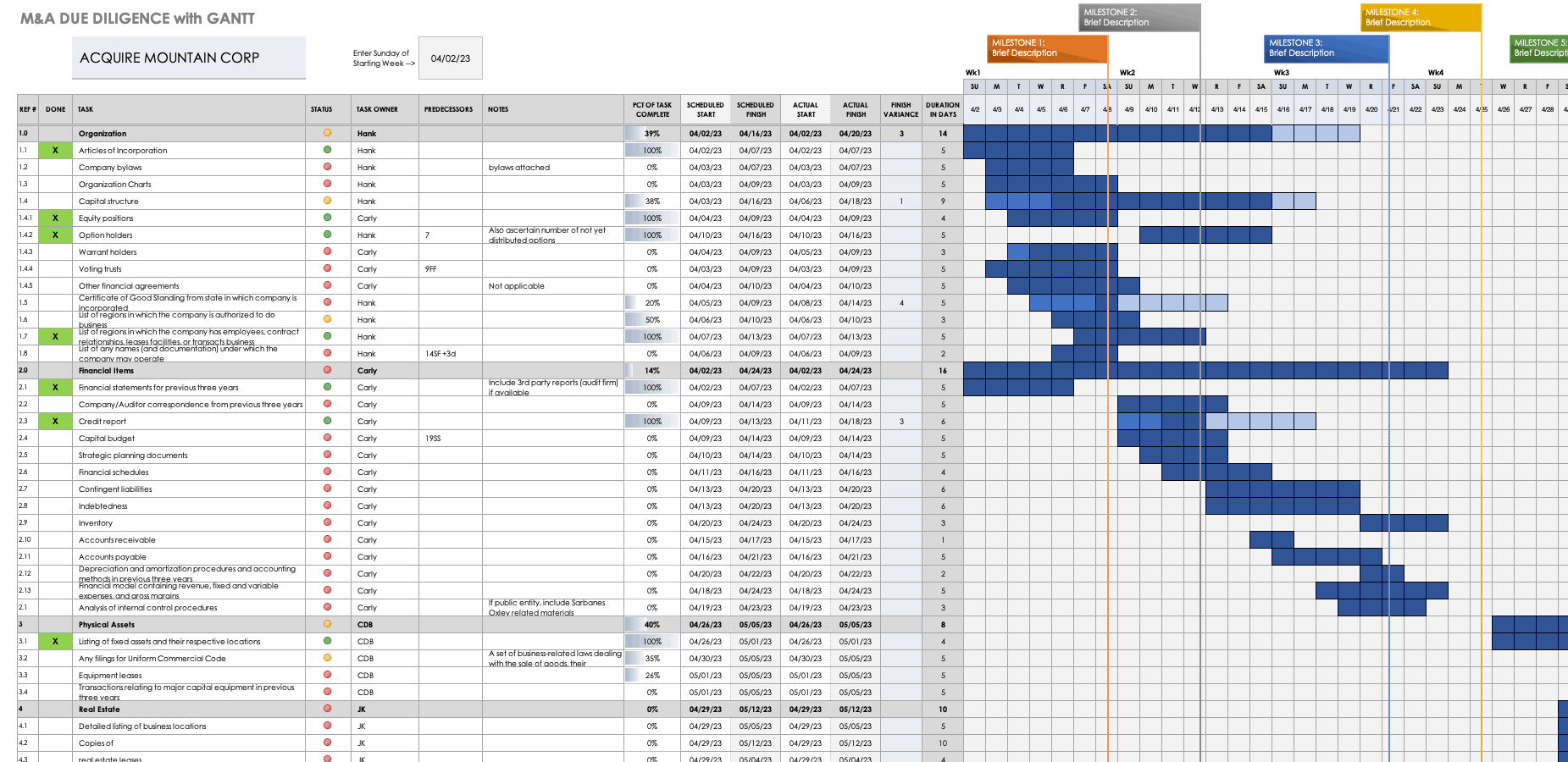
A high-impact post-merger integration (PMI) plan succeeds by synchronizing the aggressive timelines required to capture deal synergies with the human-centric strategies needed to preserve workforce morale. By formalizing a dual-track framework that tracks operational milestones alongside cultural sentiment, leadership can mitigate the attrition risks that typically undermine long-term valuation in the months following a transaction.
The Conflict Between Operational Velocity and Cultural Stability
In the context of corporate consolidation, speed is often viewed as the primary indicator of integration success. Executives are under intense pressure from shareholders to realize cost synergies, eliminate redundancies, and consolidate technical stacks as quickly as possible. However, the pursuit of "Day One" readiness often leads to a "takeover" mentality that alienates the employees of the acquired entity.
Cultural friction is a leading cause of post-merger value destruction. When an integration plan focuses exclusively on P&L synchronization, the resulting "culture shock"—manifested in decreased employee engagement, loss of subject matter expertise, and decreased productivity—often negates the financial benefits gained from operational efficiency. The goal, therefore, is not to choose between speed and culture, but to use operational momentum as a catalyst for a unified, stable organizational environment.
Prerequisites for a Balanced Integration Framework
Before drafting an integration roadmap, leadership must establish a foundation that recognizes both financial and human capital as critical assets. The following prerequisites must be met to ensure the template functions effectively:
- Cultural Due Diligence: The process must start before the ink is dry. Assess the "soft" metrics of the target company—how they make decisions, their tolerance for risk, and their communication styles.
- Executive Alignment: The leadership teams from both organizations must agree on a "One Firm" vision. Any daylight between executives regarding the end-state culture will be magnified throughout the ranks.
- Communication Infrastructure: Before changing workflows, establish the channels through which change will be communicated. Ambiguity is the primary driver of fear; radical transparency regarding the integration timeline is the primary antidote.
- Dedicated Integration Office (IMO): An IMO must be staffed with individuals who have the authority to act on both operational and cultural directives.
Designing the Dual-Track Template
A balanced template must integrate two distinct workstreams that run in parallel. While the operational workstream monitors technical milestones, the cultural workstream monitors human sentiment and organizational health.
The Operational Workstream (Speed Track)
This track covers the structural aspects of the merger. It is defined by "hard" deliverables:
- Synergy Capture: Tracking the specific cost-saving targets identified in the business case.
- Systems Integration: The timeline for merging IT infrastructures, ERP systems, and data pipelines.
- Process Harmonization: Determining which business processes (e.g., procurement, HR, sales) will survive the merger and which will be sunset.
The Cultural Workstream (Stability Track)
This track covers the human capital aspects. It is defined by "soft" deliverables:
- Voice of the Employee (VoE): Regularly scheduled surveys and town halls to capture the "pulse" of the workforce.
- Leadership Presence: Structured sessions where executive leaders from both firms share the podium to emphasize shared goals.
- Retention Programs: Identifying and incentivizing key talent early, preventing the "brain drain" that follows uncertainty.
Comparison of Integration Focus Areas
The following table outlines how to balance these two workstreams across the critical phases of the integration lifecycle.
| Integration Phase | Operational Focus (Speed) | Cultural Focus (Stability) |
|---|---|---|
| Day 0-30 | Announce org structure and reporting lines | Conduct "listening tours" to address immediate fears |
| Day 31-90 | Consolidate IT systems and vendor contracts | Launch cross-firm "synergy teams" on projects |
| Day 91-180 | Rationalize product portfolios and R&D | Standardize performance metrics and recognition |
| Post-180 | Measure long-term synergy realization | Finalize the new "combined" cultural manifesto |
Tactical Steps for Successful Execution
To operationalize this template, organizations must adhere to a disciplined, yet responsive, execution cycle.
Phase 1: Define the "Value Proposition" for the Workforce
Employees do not care about P&L synergies; they care about their roles, their managers, and their future. The first step in any plan must be the articulation of the "Why." Why did these two companies merge? What is the unique value proposition that the combined entity offers to the market, and how does this create new opportunities for the employees?
Phase 2: Empower Cross-Functional Teams
Integration is not a top-down mandate. The most effective integrations utilize cross-functional teams comprising employees from both the acquiring and acquired firms. When people from both sides work together to solve operational problems, they build interpersonal trust, which is the bedrock of a healthy culture. This creates a psychological sense of ownership in the new company.
Phase 3: The "Listen, Learn, Pivot" Loop
A static plan is a recipe for disaster. Establish a bi-weekly "Listen, Learn, Pivot" cycle. The IMO must review both the operational dashboard and the cultural sentiment data simultaneously. If a high-priority operational change is causing a disproportionate dip in employee engagement, the IMO must have the mandate to pause or adjust the implementation strategy. Speed should never come at the cost of catastrophic employee churn.
Common Pitfalls and Troubleshooting
Even the best templates face systemic risks during the integration phase. Awareness of these hurdles is essential for maintaining the balance between speed and culture.
- Pitfall: The Silent Majority: Often, the most vocal critics of a merger are a minority, while the majority simply goes quiet. Do not confuse silence with acceptance. Use anonymous sentiment surveys to ensure you are getting the full picture.
- Pitfall: Over-communicating, Under-listening: Many leaders make the mistake of pushing out too many memos while failing to create channels for feedback. If you are not soliciting as much information as you are providing, you are not managing a merger; you are dictating a change.
- Pitfall: Inconsistent Messaging: If the CEO says one thing about the future of the company and a department head says another, the workforce will default to the most cynical interpretation. Ensure that every manager in the company is briefed on the "one firm" vision and provided with a clear FAQ script.
Legal and Financial Considerations
The integration plan must operate within the boundaries of local labor laws and contractual obligations. In many jurisdictions, significant organizational changes require formal consultation with works councils or labor unions. Failing to include these entities in your integration timeline can lead to injunctions, strikes, or legal penalties that will permanently derail your speed-to-market objectives.
Furthermore, ensure that the data integration process complies with privacy regulations such as the General Data Protection Regulation (GDPR) in the European Union or various state-level privacy acts in the United States. Integrating HR systems often involves the transfer of sensitive personal employee data; ignoring these regulatory requirements can lead to substantial financial risk during the transition.
Frequently Asked Questions
How do you maintain morale when layoffs are necessary? Layoffs are often a reality of mergers. Transparency is critical. Clearly communicate why changes are happening, provide comprehensive severance and career transition support, and focus on the employees who remain by providing them with a clear, exciting vision of their future in the new organization.
How long should the integration process take? There is no fixed duration, but most organizations aim for significant operational integration within 180 days. Cultural integration is a multi-year process. The goal is to reach a stable state of operation by day 180, while maintaining a commitment to long-term cultural alignment for 18–24 months.
What is the role of middle management in this template? Middle managers are the bridge between the IMO’s strategy and the daily reality of the employees. They are the most susceptible to "merger fatigue." Your template should include specific resources and training for middle managers to help them coach their teams through the change.
How do we measure if the culture is "failing"? Look for leading indicators: increased absenteeism, a drop in voluntary participation in company events, a rise in help-desk tickets related to process confusion, and, crucially, an uptick in turnover among top performers. If these metrics trend downward, the culture is at risk.
Should we use external consultants for this plan? Consultants can provide objective assessments and experience in managing large-scale change, which is valuable. However, the ownership of the integration must remain with internal leadership. A consultant can draft the template, but the firm's own executives must live the culture daily.
Recommendation for Implementation
For organizations embarking on an integration project, the most effective next action is to draft a "Day One Charter." This document should not be a complex technical manual, but a concise, high-level summary that addresses three core questions for every employee: What is changing for me? How does this merger make us better? What is my part in the new company's success? By putting this charter at the center of your integration plan, you ensure that the speed of your operational changes is anchored by the stability of a clear, shared human purpose.