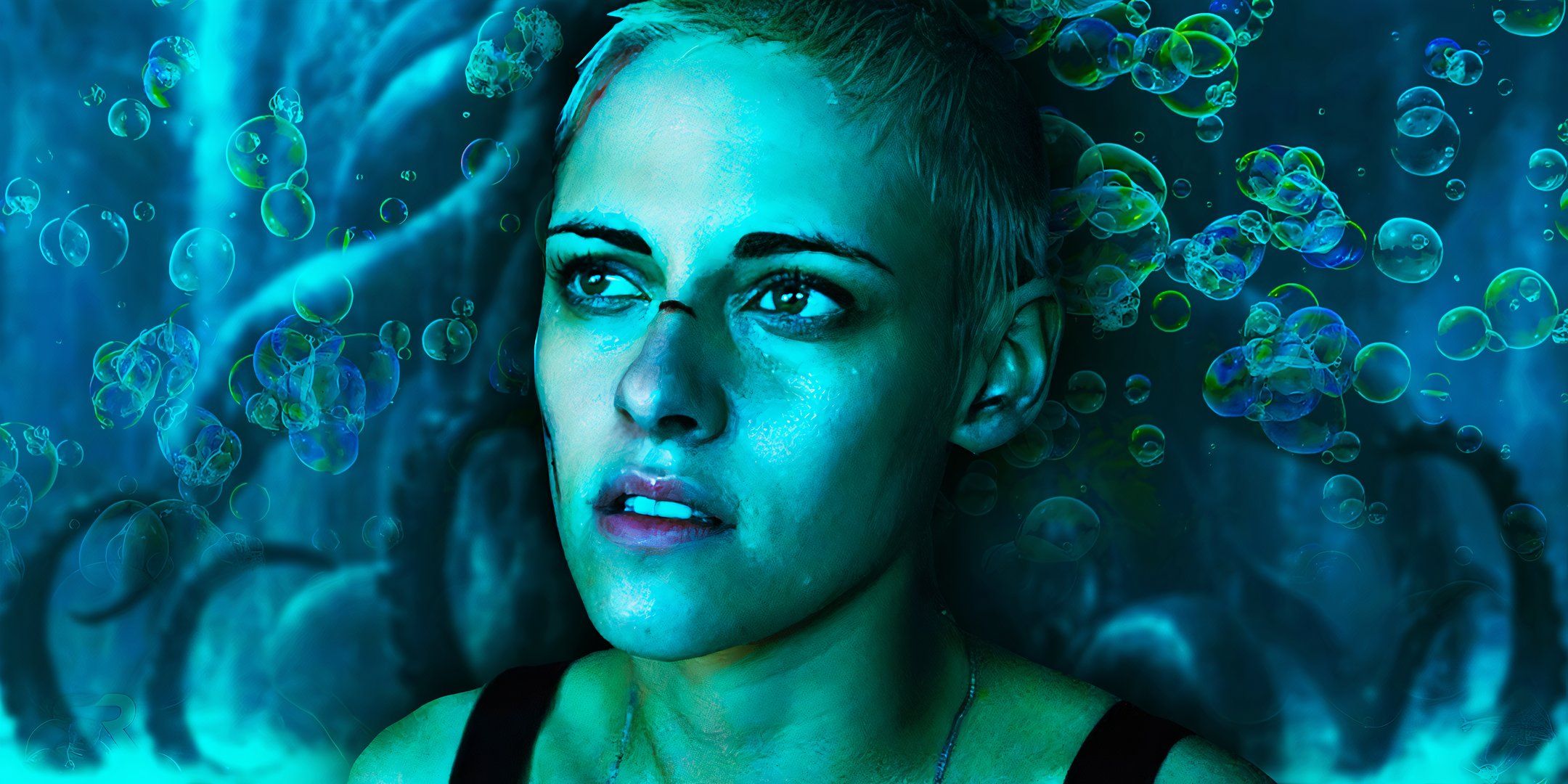
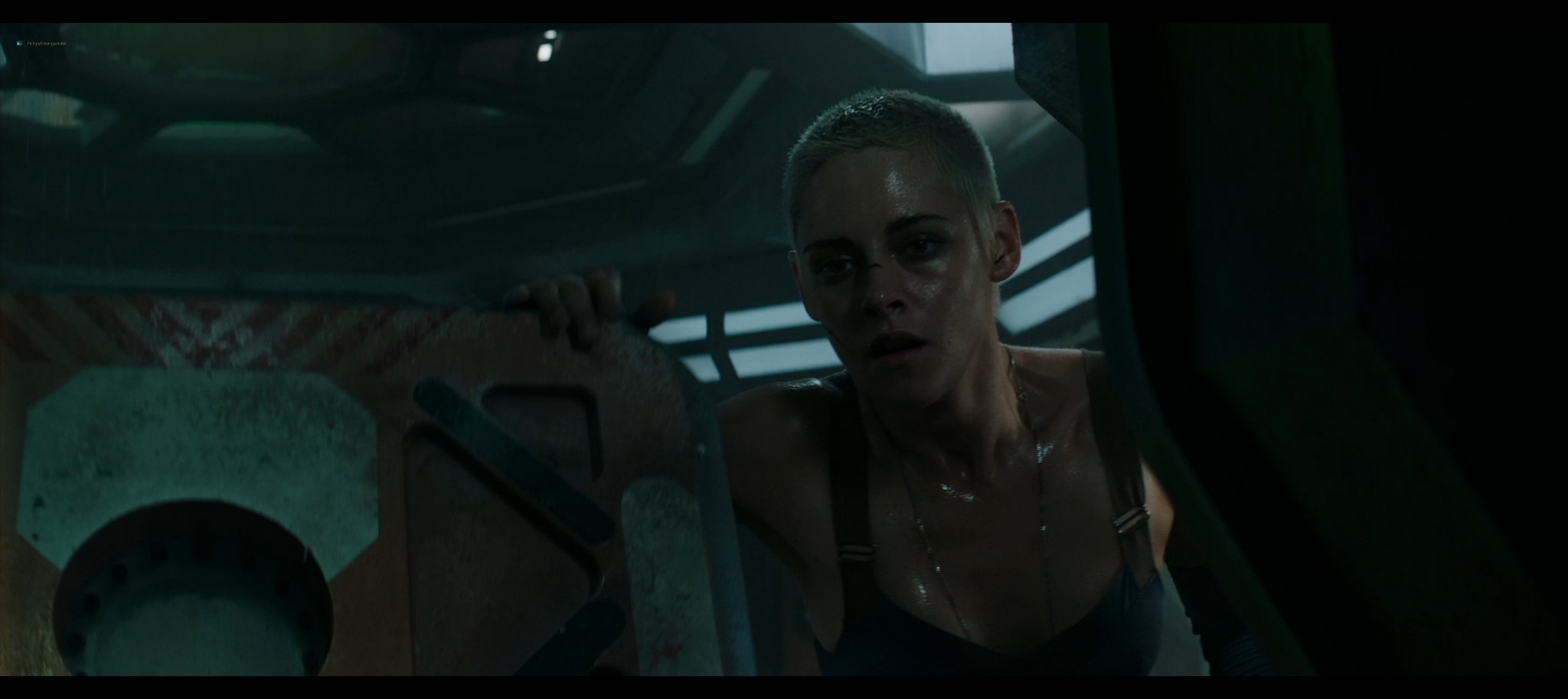
The movie starring Kristen Stewart that takes place deep beneath the ocean is titled Underwater, released in 2020. Directed by William Eubank, this sci-fi horror film features Stewart as Norah Price, a mechanical engineer who must lead a group of survivors across the ocean floor after a mysterious earthquake destroys their deep-sea drilling station.
Now, years since its initial release, Underwater has transitioned from a theatrical release to a cult favorite within the "aquatic horror" subgenre. As we look at the film from the perspective of 2026, it remains one of the most physically demanding roles in Kristen Stewart’s career and a significant entry in the lineage of Lovecraftian cinema.
The Premise: Survival at the Bottom of the Mariana Trench
The narrative of Underwater begins with immediate intensity. There is no long-winded exposition or character introductions; the film opens with Norah Price (Stewart) brushing her teeth in the Kepler 822 research station, located seven miles below the surface. Within minutes, a catastrophic breach occurs, forcing her into a desperate survival situation.
The primary conflict involves a small crew of survivors—including Captain Lucien (Vincent Cassel), Emily Haversham (Jessica Henwick), and Liam Smith (John Gallagher Jr.)—who realize their only hope is to walk across the ocean floor to the Roebuck station. This journey is complicated not only by the crushing pressure of the deep sea and failing equipment but also by the discovery of aggressive, humanoid creatures that have been disturbed by the drilling operations.
The Setting: Kepler 822 and the Roebuck
The film utilizes its setting to create a sense of relentless claustrophobia. The Mariana Trench is portrayed as a hostile, alien environment where the darkness is absolute and the pressure is lethal. The production design emphasizes "used future" aesthetics, similar to the original Alien (1979), where the technology is heavy, industrial, and prone to failure.
Kristen Stewart’s Performance as Norah Price
In Underwater, Kristen Stewart delivers a performance that many critics compared to Sigourney Weaver’s Ellen Ripley. Stewart’s Norah is pragmatic, highly skilled, and emotionally guarded. Her physical transformation for the role—most notably her bleached buzz cut—was a deliberate choice to emphasize the character’s utilitarian nature.
By 2026, Stewart’s career has seen a massive evolution into more prestigious and experimental roles, yet Underwater stands out for its raw physicality. The actress has noted in several retrospectives that the filming process was grueling, involving massive, functional suits that weighed upwards of 100 pounds. This weight added a level of authentic struggle to the movements of the actors, which is visible on screen as they lumber across the seabed.
Character Depth and Motivation
While the film is an action-horror hybrid, it provides brief glimpses into Norah’s psyche. She is a woman grieving a personal loss, which informs her willingness to sacrifice herself for others. This internal drive makes her a compelling protagonist who isn't just running from monsters but is actively seeking a form of redemption through survival and sacrifice.
Technical Execution: "Dry-for-Wet" and Practical Effects
One of the most impressive aspects of Underwater is its technical execution. Director William Eubank utilized a "dry-for-wet" filming technique, where actors are filmed on a dry stage using fog, lighting, and high-speed cameras to simulate the appearance of being underwater. This allowed for better control over the performances and visual clarity while maintaining a sense of being submerged.
The Mechanical Suits
The suits worn by the characters, known as "Big Daddy" suits in production parlance, were actual physical props. Unlike many modern blockbusters that rely entirely on CGI for costumes, the Underwater crew wore heavy, articulated suits. These suits were equipped with functioning lights and internal communication systems. The decision to use physical suits contributed significantly to the film's grounded, tactile feel.
Sound Design and Atmosphere
The soundscape of Underwater is essential to its horror elements. The constant creaking of metal under pressure, the muffled roar of the ocean, and the distorted communications between the crew members create an immersive auditory experience. The silence of the deep sea is weaponized, making every sudden noise a potential jump-scare.
The Lovecraftian Revelation: A Cthulhu Connection
For years after its release, fans debated the nature of the "Behemoth" seen at the end of the film. Director William Eubank eventually confirmed that the massive creature emerging from the depths was indeed Cthulhu, the cosmic entity created by H.P. Lovecraft.
This revelation recontextualized the film from a standard creature feature to a piece of cosmic horror. The idea that Tian Industries (the fictional corporation in the film) had inadvertently awakened a Great Old One added a layer of existential dread. The creatures encountered earlier in the film were essentially "spawn" or parasites living on the larger entity. This connection has secured Underwater a permanent spot in the "Lovecraftian Cinema" hall of fame.
Cast and Character Roles
The ensemble cast of Underwater provides a grounded counterpoint to the high-concept sci-fi setting. Below is a breakdown of the primary characters and their functions within the story:
| Character | Actor | Role | Key Contribution |
|---|---|---|---|
| Norah Price | Kristen Stewart | Mechanical Engineer | The protagonist; provides technical solutions and leadership. |
| Captain Lucien | Vincent Cassel | Station Captain | The experienced leader who makes the ultimate sacrifice for his crew. |
| Emily Haversham | Jessica Henwick | Research Assistant | Provides the emotional perspective and scientific insight into the creatures. |
| Liam Smith | John Gallagher Jr. | Systems Engineer | Norah’s primary ally in navigating the technical failures of the station. |
| Paul Abel | T.J. Miller | Crew Member | Provides comic relief and humanizes the high-stress environment. |
| Rodrigo Nagenda | Mamoudou Athie | Crew Member | Represents the immediate danger and fragility of life at seven miles deep. |
Comparative Analysis: Underwater vs. Other Sub-Aquatic Films
When analyzing Underwater, it is helpful to compare it to other staples of the genre to understand its unique value proposition.
- The Abyss (1989): While James Cameron’s film focuses on wonder and first contact, Underwater focuses almost entirely on horror and survival. Stewart’s movie is much darker and more cynical regarding corporate interests.
- Alien (1979): The DNA of Alien is present throughout Underwater. From the industrial setting to the "final girl" trope, Eubank wears his influences on his sleeve. However, moving the setting from space to the ocean floor changes the physics of the horror, replacing the vacuum of space with the crushing weight of water.
- Leviathan (1989) / DeepStar Six (1989): Underwater serves as a modern high-budget spiritual successor to these 80s B-movies. It takes the same core concepts—drilling into something that shouldn't be touched—and updates them with modern visual effects and a more somber tone.
Critical and Commercial Legacy as of 2026
At the time of its release in January 2020, Underwater faced several challenges. It was caught in the middle of the Disney-Fox merger, which resulted in a delayed release and a somewhat muted marketing campaign. It performed modestly at the box office, grossing roughly $40 million worldwide.
However, in the years following, particularly during the surge in streaming viewership, the film found a massive second audience. Viewers praised its brisk 95-minute runtime, its lack of unnecessary fluff, and Stewart’s commanding presence. By 2026, it is frequently cited as a "hidden gem" of the 2020s and a masterclass in efficient genre storytelling.
Why It Sustains Interest
- Pacing: The film starts at "10" and never slows down. In an era of three-hour blockbusters, its efficiency is refreshing.
- Visual Fidelity: The creature designs and the scale of the underwater vistas remain visually stunning even by 2026 standards.
- Genre Purity: It doesn't try to be a comedy or a social commentary; it is a pure survival horror film.
Troubleshooting Common Viewer Questions
If you are planning to watch Underwater for the first time or are revisiting it, there are several nuances regarding the plot and technicalities that often require clarification.
The Ending Explained
The ending features Norah Price deciding to stay behind at the Roebuck station. To ensure that Emily and Liam have enough time to escape in the only functioning escape pods, she initiates an overload of the station’s nuclear core. This explosion is intended to kill the massive Behemoth (Cthulhu) and the surrounding creatures. The film ends with news clippings suggesting that Tian Industries is attempting to cover up the incident and resume drilling, a classic trope of the genre where the corporation remains the ultimate, untouchable villain.
Is There a Sequel?
As of 2026, there has been no official announcement of a direct sequel. While the ending is definitive for Norah, the "Lovecraftian" universe established in the film leaves the door open for other stories set in different drilling locations. However, director William Eubank has moved on to other projects, and the film is currently regarded as a standalone cult classic.
FAQ
Does Kristen Stewart really swim in the movie?
While there are sequences involving water tanks, most of the "underwater" walking scenes were filmed using the "dry-for-wet" technique. This involved the actors being suspended by wires to simulate buoyancy while moving through a hazy, smoke-filled environment.
What is the creature at the end of the movie?
The director has confirmed the creature is Cthulhu. This makes Underwater an unofficial part of the Cthulhu Mythos, despite not being a direct adaptation of any specific H.P. Lovecraft story.
How deep does the movie take place?
The story is set at approximately 11,000 meters (about 7 miles) below sea level in the Mariana Trench. This is the deepest part of the world's oceans, where the pressure is over 1,000 times that of the surface.
Why did Kristen Stewart cut her hair for the role?
Stewart suggested the buzz cut to the director because she felt it was practical for a character who spends her life in heavy suits and pressurized environments. It also helped distance the character from her previous "glamour" roles.
Is Underwater based on a book?
No, Underwater is an original screenplay written by Brian Duffield and Adam Cozad. However, it draws heavy inspiration from Lovecraftian horror and 1980s sci-fi cinema.
Final Recommendation
Underwater is a must-watch for fans of Kristen Stewart and enthusiasts of sci-fi horror. Its strengths lie in its atmospheric pressure, its commitment to a dark, Lovecraftian aesthetic, and a central performance that anchors the chaos. If you are looking for a film that combines the claustrophobia of The Descent with the scale of Pacific Rim, Underwater delivers a high-intensity experience that has only improved with age. To get the most out of the experience, it is recommended to watch the film in a dark room with a high-quality sound system to fully appreciate the award-winning sound design and the looming presence of the deep.