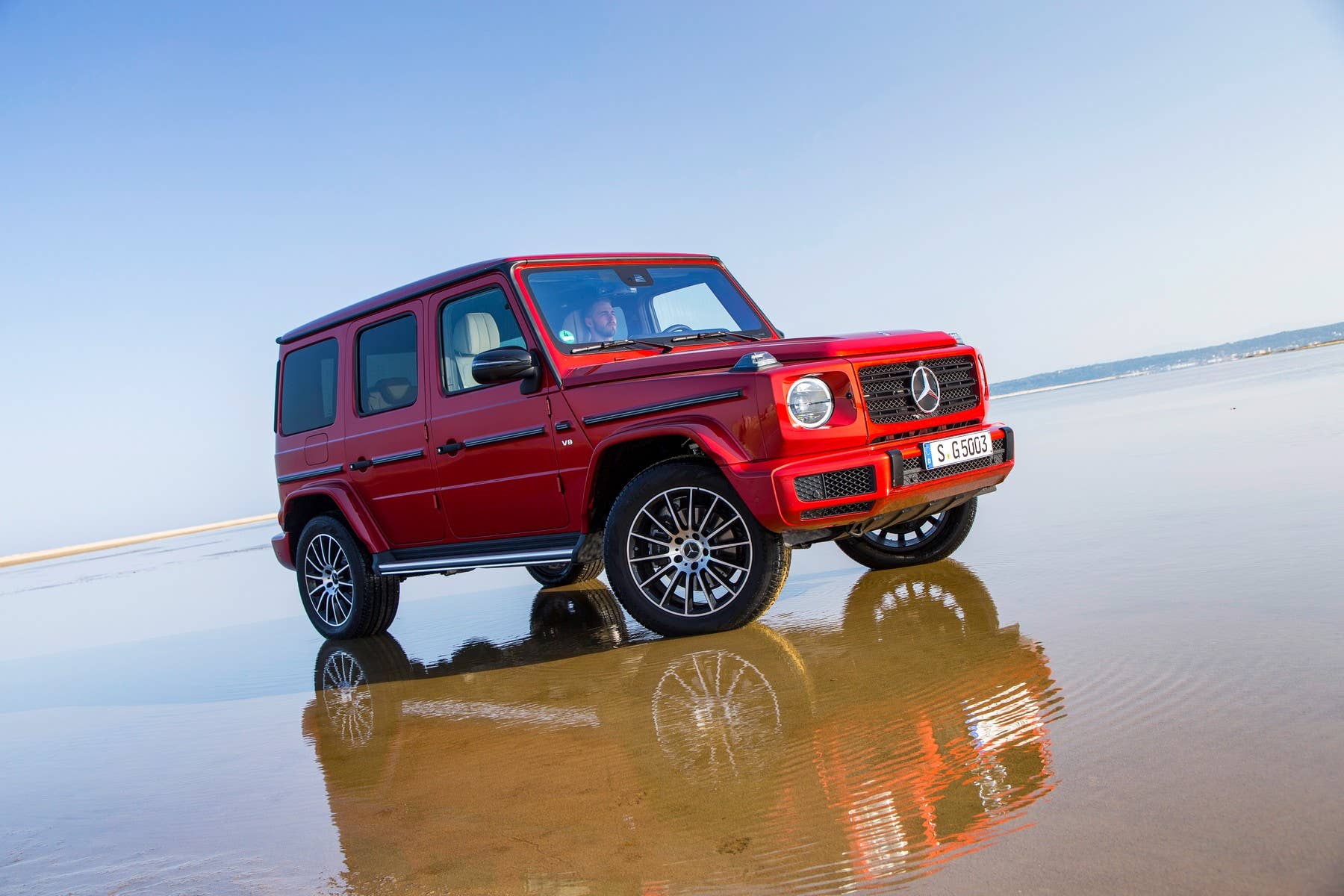
Mercedes-Benz vehicles generally carry higher maintenance and repair costs than non-luxury automotive brands due to specialized engineering, premium components, and the labor rates associated with certified service facilities. While routine maintenance schedules are designed to maximize vehicle longevity, owners must account for elevated costs related to proprietary technology, performance-oriented parts, and the precision required for servicing sophisticated mechanical and electronic systems.
Understanding the Cost Structure of Luxury Maintenance
The perception that Mercedes-Benz vehicles are expensive to maintain is rooted in the fundamental differences between mass-market automobiles and luxury performance engineering. A Mercedes-Benz is not merely a mode of transportation; it is a complex assembly of advanced driving assistance systems, high-output powertrains, and premium interior materials.
When you service a vehicle of this caliber, you are paying for more than just oil and filters. You are paying for the specialized training required for technicians to interface with the Mercedes-Benz diagnostics software, known as XENTRY. Unlike generic diagnostic tools, XENTRY is specific to the manufacturer’s internal architecture, allowing technicians to calibrate everything from adaptive air suspension systems to complex MBUX (Mercedes-Benz User Experience) infotainment setups.
Furthermore, the "cost" is heavily influenced by the supply chain of original equipment manufacturer (OEM) parts. Mercedes-Benz specifies parts designed to meet exact performance tolerances. Using aftermarket alternatives—while often cheaper in the short term—can occasionally lead to compatibility issues with the vehicle’s CAN bus (Controller Area Network) system, leading to error codes or performance degradation that eventually requires a return to the dealer for rectification.
Factors Influencing Your Annual Maintenance Budget
Several variables dictate whether your experience will lean toward the higher end of the luxury cost spectrum or remain manageable through proactive care.
1. Vehicle Age and Mileage
As with any mechanical device, components have finite lifespans. In a Mercedes-Benz, the "wear and tear" items are often high-performance parts. For example, braking systems on AMG-badged models are significantly larger and more expensive than those on standard C-Class or E-Class vehicles. When your vehicle reaches the 60,000 to 80,000-mile mark, you may face "service intensive" intervals, which include transmission fluid flushes, spark plug replacements, and potentially suspension component renewals.
2. Model Selection and Performance Tier
A entry-level A-Class sedan involves different maintenance dynamics than a G-Wagon or a high-performance Mercedes-AMG GT. AMG models, in particular, utilize hand-built engines and specialized drivetrain components that require more frequent and rigorous service schedules. The labor hours billed for these models are typically higher due to the precision required during maintenance procedures.
3. Geographic Location and Service Choice
Labor rates for certified Mercedes-Benz dealerships are set by regional market standards. You will find that an authorized dealership in a major metropolitan area will charge significantly higher hourly labor rates than a similar facility in a suburban or rural region. Additionally, independent European-specialist shops may offer lower hourly rates, but their ability to provide the same level of digital record-keeping and factory-backed warranties on parts and labor varies by shop.
The Standard Maintenance Schedule: Service A and Service B
Mercedes-Benz utilizes a flexible maintenance system known as FSS (Flexible Service System). This system tracks your driving habits, engine load, and mileage to determine when service is necessary, rather than relying on a rigid, time-based interval. This typically alternates between two main tiers:
- Service A: This is the entry-level service, typically performed at the first 10,000 miles or one year of ownership. It involves a synthetic motor oil replacement, oil filter replacement, fluid level checks, tire inflation check and correction, brake component inspection, and a reset of the maintenance counter.
- Service B: This occurs roughly 10,000 miles after Service A (or every two years). It is more comprehensive and includes everything in Service A, plus a cabin dust/combination filter replacement, brake fluid exchange, and more in-depth inspections of major vehicle systems.
Comparative Maintenance Cost Overview
To provide context, the following table illustrates the typical considerations when evaluating maintenance across vehicle segments in 2026. Note that these are generalized estimates; specific costs vary by model year and local labor rates.
| Maintenance Factor | Economy Brand | Mercedes-Benz (Standard) | Mercedes-AMG |
|---|---|---|---|
| Oil Change Interval | 5,000–7,500 miles | 10,000 miles | 5,000–10,000 miles |
| Oil Type | Standard Synthetic | Proprietary Spec Synthetic | High-Performance Synthetic |
| Brake Pad Longevity | High | Medium (Performance focus) | Low (Track-ready focus) |
| Diagnostic Access | Generic OBD-II | XENTRY (Proprietary) | XENTRY (Proprietary) |
| Part Availability | High (Common) | Dealer / Specialist | Specialized / Order-only |
Strategies for Managing Costs
Being a Mercedes-Benz owner does not have to result in financial instability if you approach vehicle maintenance with a clear strategy.
- Prepaid Maintenance Plans: Many buyers opt for prepaid maintenance packages at the time of vehicle purchase. These plans lock in service costs at current rates, effectively insulating the owner from future price hikes in labor or parts over the duration of the plan.
- Sticking to the Schedule: The most expensive "maintenance" is actually repair. By following the recommended Service A and Service B intervals, you identify small issues—such as a weeping seal or a failing bushing—before they cascade into major component failures that require complete engine or transmission work.
- Independent Specialist Shops: While keeping a vehicle under its initial warranty usually necessitates dealership service to ensure compliance, once a car reaches its post-warranty stage, finding an independent mechanic who specializes in European imports can lead to significant savings. Look for shops that possess factory diagnostic tools and use original equipment parts.
- Tire Management: Mercedes-Benz vehicles are engineered for specific tire performance. Neglecting tire rotations or failing to monitor alignment can lead to uneven wear. Given that these cars often use premium, high-performance tires, premature replacement is a common, avoidable expense.
Common Misconceptions Regarding Maintenance
A frequent point of confusion for new owners is the "cost of parts" versus the "cost of labor." It is often assumed that a Mercedes-Benz part is inherently expensive simply because of the brand name. In reality, these parts are often manufactured to higher material standards than mass-market components. A suspension control arm on a Mercedes-Benz may be constructed from specific alloys to minimize unsprung weight, whereas a mass-market version might use stamped steel. You are paying for a higher tier of engineering.
Another misconception is that the car is "fragile." On the contrary, the majority of the service intervals are designed to keep the vehicle operating well beyond the 100,000-mile mark. Neglect is the primary catalyst for the high-repair bills often discussed in online forums. When owners skip a transmission fluid flush or defer an engine mount replacement, the car’s sophisticated systems work harder to compensate, eventually leading to secondary damage.
The Role of Technology and Electronic Reliability
As of 2026, the complexity of vehicle electronics is a primary driver of service visits. Mercedes-Benz vehicles are heavily reliant on software-driven modules. Occasionally, these modules require "firmware" updates that are only available through official channels. While these updates are sometimes covered under service campaigns, they represent a class of maintenance that owners of older, simpler vehicles are unaccustomed to. Understanding that your car requires digital "check-ups" as much as it requires oil changes is a prerequisite for modern ownership.
FAQ: Addressing Common Owner Questions
Is it better to use an independent shop instead of a dealer? It depends on the age and warranty status of your vehicle. During the warranty period, maintaining records from an authorized dealer is recommended to ensure seamless claim processing. Out of warranty, an independent specialist who uses certified parts and follows factory protocols is a viable, often more cost-effective, alternative.
Do all Mercedes-Benz models have the same maintenance cost? No. Models with more cylinders, forced induction (turbochargers/superchargers), and performance-tuned drivetrains carry significantly higher maintenance requirements than the base-model variants. Always consult your vehicle's specific maintenance manual.
What is the most expensive maintenance item? Typically, the major service intervals occurring around 60,000 miles, which involve transmission fluid exchanges, spark plug replacements, and brake system overhauls, represent the highest individual costs. Air suspension systems, if equipped, also require long-term budgeting as they age.
Does synthetic oil really make a difference? Yes. Mercedes-Benz engines are engineered for specific thermal and lubricating properties. Using anything other than the oil specifications listed in your owner's manual can lead to increased friction, sludge buildup, and potential warranty denial.
How do I track my service history? Modern Mercedes-Benz vehicles utilize a Digital Service Booklet. This is an electronic record stored by the manufacturer, accessible by authorized service centers. Always ensure your service provider updates this system to maintain the car's resale value.
Recommendation for Owners
If you are concerned about the cost of maintaining a Mercedes-Benz, the most practical step is to view maintenance as a fixed operational expense rather than an unexpected burden. Create a dedicated "vehicle fund" and contribute to it monthly. Prioritize the use of high-quality, manufacturer-recommended fluids and parts. By adhering strictly to the factory maintenance schedule, you mitigate the risk of catastrophic component failure, ensuring that your vehicle remains a reliable and enjoyable piece of engineering for the duration of your ownership. Before committing to any major service, always request an itemized estimate and ask for a clear distinction between "recommended" maintenance and "safety-critical" repairs.