An ectomorph is a body type characterized by a lean, narrow frame, thin bone structure, and a fast metabolism that makes gaining weight or muscle significantly challenging. If you have long limbs, small joints, and naturally low body fat despite a high caloric intake, you likely fall into the ectomorph somatotype category.
Determining whether you are an ectomorph is the first step in optimizing your fitness and nutrition strategy for 2026. For decades, individuals have used the concept of somatotypes to categorize human physiques. While modern sports science emphasizes that most people are a "hybrid" of different types, the ectomorph remains a distinct profile with specific physiological needs. This guide will help you identify your type, understand the biological mechanisms at play, and provide a roadmap for overcoming the traditional "hardgainer" struggles.
The Origins and Evolution of Somatotypes
The concept of somatotypes was originally developed in the 1940s by Dr. William Herbert Sheldon. Sheldon’s theory proposed that every individual possesses a specific body composition based on three primary categories: ectomorphs, mesomorphs, and endomorphs. Although Sheldon’s original work attempted to link body types to personality traits—a practice known as constitutional psychology that has since been largely discredited—the physical classifications remain highly relevant in the fitness and bodybuilding industries.
In 2026, we view somatotyping through a more nuanced lens. We recognize that genetics provide a blueprint, but epigenetic factors—such as lifestyle, diet, and environment—determine how those genes are expressed. An ectomorph is not "trapped" in a thin frame forever, but their biological starting point requires a different approach to hypertrophy and metabolic management than an endomorph who gains weight easily.
Key Physical Characteristics of an Ectomorph
Identifying as an ectomorph involves more than just being "thin." It is a combination of skeletal structure, muscle insertion points, and fat distribution patterns. If you are trying to determine your body type, look for the following physical hallmarks:
1. Narrow Bone Structure and Small Joints
One of the most reliable indicators of an ectomorph is the size of the skeleton. Ectomorphs typically have narrow shoulders and hips, with "delicate" bone structures. A common field test involves wrapping your thumb and middle finger around your opposite wrist. If the fingers overlap significantly, it suggests a smaller bone structure characteristic of the ectomorph.
2. Long Limbs and Stringy Muscle Bellies
Ectomorphs often appear "lanky." Their limbs are long in proportion to their torso, and their muscle bellies tend to be long and thin rather than thick and dense. This leverage can be an advantage in certain sports like long-distance running or basketball, but it creates a challenge in bodybuilding, as the muscle must be spread over a larger surface area to look "full."
3. Extremely Fast Metabolism
The "hardgainer" label comes from the ectomorph’s high Basal Metabolic Rate (BMR). Even at rest, an ectomorph's body burns energy rapidly. Furthermore, many ectomorphs exhibit high levels of Non-Exercise Activity Thermogenesis (NEAT). This means they tend to fidget, move, and stay active unconsciously, burning hundreds of extra calories per day compared to more sedentary body types.
4. Difficulty Gaining Weight
Whether it is muscle or fat, the ectomorph's body resists weight gain. This is often due to a combination of high insulin sensitivity and a digestive system that may not absorb nutrients as efficiently as other types. When an ectomorph overeats, their body often reacts by increasing body temperature or increasing NEAT rather than storing the excess energy as adipose tissue.
Somatotype Comparison Table
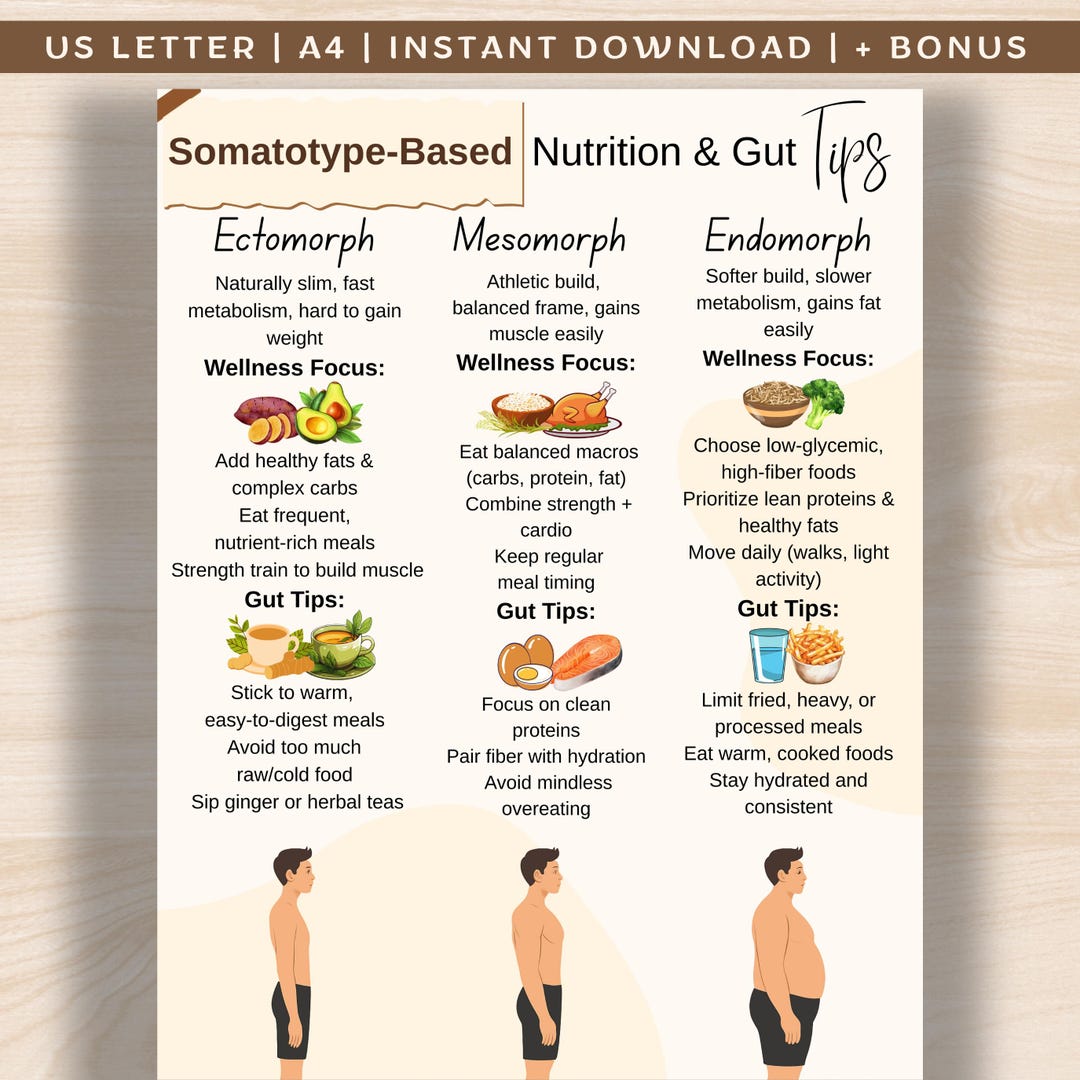
Understanding where you fit requires comparing the three primary somatotypes. Most people find they are a mix (e.g., an "ecto-mesomorph"), but one type usually dominates.
| Feature | Ectomorph | Mesomorph | Endomorph |
|---|---|---|---|
| Frame / Bone Size | Small, delicate, narrow | Medium to large, athletic | Large, wide, thick |
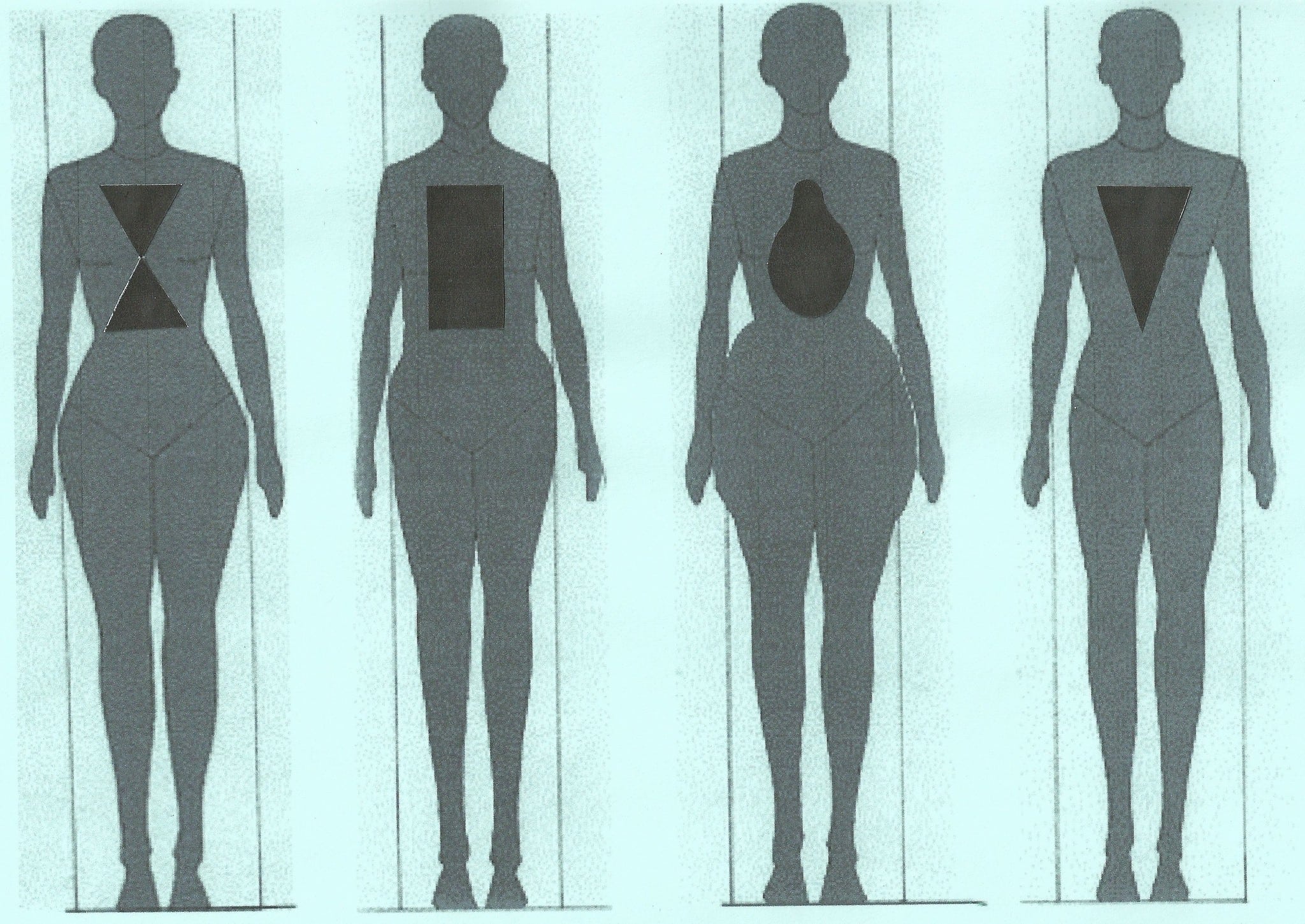
| Shoulder vs. Hip | Shoulders and hips narrow | Shoulders wider than hips | Hips wider than shoulders |
| Metabolism | Very fast (Hardgainer) | Efficient / Balanced | Slow (Gains fat easily) |
| Muscle Definition | Naturally lean, low mass | Naturally muscular | Hidden by body fat |
| Fat Storage | Low, difficult to gain | Moderate, easy to lose | High, difficult to lose |
| Primary Fitness Goal | Muscle hypertrophy & bulk | Maintenance & power | Fat loss & conditioning |
The "Skinny-Fat" Ectomorph Paradox
A common misconception is that all ectomorphs are "ripped" or have visible abdominal muscles. In reality, a significant portion of the ectomorph population falls into the "skinny-fat" category (technically known as Normal Weight Obesity).
This occurs when an individual has a low amount of lean muscle mass but a high percentage of visceral fat, often concentrated around the midsection. This is frequently the result of a sedentary lifestyle combined with a poor diet high in processed sugars. Because the ectomorph has a small frame, even a small amount of fat can look prominent if there is no underlying muscle to provide shape. If you are thin but lack muscle definition and carry a "pouch" on your stomach, you are likely an ectomorph who needs to focus on body recomposition rather than a traditional "cut."
The Biological Mechanisms Behind the Ectomorph
To truly understand why your body behaves the way it does, we must look at the physiological factors that define the ectomorph profile.
Thyroid and Hormonal Influence
Ectomorphs often have a high-functioning thyroid, which regulates metabolism. Higher levels of thyroid hormones (T3 and T4) lead to faster energy turnover. Additionally, ectomorphs often have high sensitivity to catecholamines like adrenaline, which can suppress appetite and increase fat oxidation.
Muscle Fiber Composition
Research into somatotypes suggests that ectomorphs may have a higher percentage of Type I (slow-twitch) muscle fibers compared to Type II (fast-twitch) fibers. Type I fibers are excellent for endurance but have limited potential for growth (hypertrophy). This is why ectomorphs often excel at marathon running but struggle to add "slabs" of muscle like a mesomorph.
The Leptin Factor
Leptin is the hormone responsible for signaling fullness. Some studies suggest that "natural" ectomorphs have a highly sensitive leptin response. As soon as they start eating in a surplus, their brain signals intense satiety, making it physically difficult to consume the 3,000+ calories often required for them to grow.
Nutritional Strategies for the Ectomorph
If you have confirmed that you are an ectomorph, your nutritional approach must be radically different from the standard advice found in general fitness magazines. The goal is to overcome a fast metabolism through caloric density.
Caloric Surplus: The "Hardgainer" Minimum
An ectomorph seeking to gain weight must consume a surplus of calories. For many, this means eating 20-25 calories per pound of body weight. For a 150lb ectomorph, this could mean 3,000 to 3,750 calories daily. Because it is difficult to eat this much in "clean" food (like broccoli and chicken breast), ectomorphs must focus on caloric density.
- Liquid Calories: Shakes containing oats, nut butters, protein powder, and full-fat milk are essential tools.
- Fats are Your Friend: At 9 calories per gram, healthy fats (avocados, olive oil, nuts) are the easiest way to hit caloric targets without feeling overly full.
Macronutrient Ratios
Ectomorphs generally tolerate carbohydrates very well due to high insulin sensitivity. A recommended macro split for an ectomorph is often 50% carbohydrates, 25% protein, and 25% fats. The high carb intake is necessary to fuel intense workouts and prevent the body from burning muscle tissue for energy (gluconeogenesis).
Meal Timing and Frequency
While intermittent fasting is popular in 2026 for fat loss, it is often counterproductive for the ectomorph. Spreading meals across 5 to 6 feedings throughout the day ensures a constant stream of nutrients and prevents the stomach from becoming uncomfortably distended by massive single meals.
Training Protocols for Muscle Hypertrophy
The biggest mistake ectomorphs make in the gym is doing too much. Because your recovery capacity is often lower than other body types, "less is more" when it comes to volume.
Focus on Compound Movements
To trigger a hormonal response and maximize muscle recruitment, ectomorphs should build their routines around the "Big Five":
- Squats
- Deadlifts
- Bench Press
- Overhead Press
- Barbell Rows
These movements involve multiple joints and muscle groups, providing the most "bang for your buck" in terms of growth stimulus.
Limit Steady-State Cardio
Cardio is excellent for heart health, but for an ectomorph trying to bulk, excessive cardio is a "calorie thief." Limit intense cardio to 1-2 sessions per week, or stick to low-intensity walking to maintain cardiovascular health without burning through your caloric surplus.
Intensity Over Volume
Instead of doing 20 sets per body part, an ectomorph should focus on 6 to 8 heavy, high-intensity sets. The goal is to stimulate the muscle and then leave the gym to recover. Overtraining is the primary reason ectomorphs plateau; their bodies simply cannot repair the damage of a 2-hour workout quickly enough to grow.
Rest and Recovery
Ectomorphs need more sleep than they think. Muscle isn't built in the gym; it’s built during REM sleep. Aim for 8-9 hours of sleep per night. Additionally, ensure you have at least 48 hours of rest between training the same muscle group.
Common Myths About Ectomorphs
As we navigate the fitness landscape of 2026, it is important to debunk several persistent myths that hold ectomorphs back:
- Myth: "Ectomorphs can't get big." Anyone can build muscle with the right stimulus and enough calories. Many professional bodybuilders started as skinny ectomorphs. It simply takes more time and disciplined eating.
- Myth: "You should eat junk food to gain weight." While "dirty bulking" provides calories, it often leads to poor health markers and "skinny-fat" results. Quality matters.
- Myth: "Ectomorphs are naturally weak." While they lack initial mass, ectomorphs can become incredibly strong. Because of their thin joints, their strength-to-bodyweight ratio can be exceptional.
Frequently Asked Questions
Can my body type change from an ectomorph to a mesomorph?
You cannot change your genetic bone structure or muscle insertion points, which are the foundations of your somatotype. However, you can change your body composition. Through years of dedicated training and nutrition, an ectomorph can carry enough muscle to appear like a mesomorph, but they will likely always have to work harder to maintain that mass than a natural mesomorph.
Is the "wrist test" actually accurate for identifying ectomorphs?
The wrist test is a proxy for bone density and skeletal breadth. While not a clinical diagnostic tool, there is a strong correlation between small wrist circumference and the ectomorph somatotype. It is a helpful starting point but should be used in conjunction with other observations like metabolism and limb length.
Why do I lose weight so fast if I miss just one day of eating?
This is due to the ectomorph's high metabolic flexibility and low fat storage. Your body doesn't have large energy reserves (fat) to pull from, so it quickly depletes glycogen and may even begin catabolizing muscle tissue if you are in a sudden deficit. Consistency is more important for the ectomorph than any other body type.
Should ectomorphs take supplements like mass gainers?
Mass gainers can be useful "emergency" tools for ectomorphs who truly cannot eat enough solid food. However, many commercial gainers are loaded with cheap maltodextrin (sugar). A better alternative is a homemade gainer made of whey protein, ground oats, and nut butter, which provides better micronutrients and more stable energy levels.
How long does it take for an ectomorph to see results?
Hypertrophy is a slow process for everyone, but for an ectomorph, it often takes 3-6 months of consistent surplus eating to see significant visual changes. Because ectomorphs are lean, the muscle they do gain is usually very visible, which can be motivating.
Final Recommendations for the Ectomorph
If you have identified as an ectomorph, your path forward is clear: prioritize recovery and caloric density. Stop trying to train like a professional bodybuilder who may have a different genetic makeup. Instead, focus on getting progressively stronger on compound lifts, eating more than you think you need, and protecting your sleep.
The ectomorph body type is a "blank canvas." While it requires discipline to fill out that canvas with muscle, the result is often an aesthetic, "V-taper" physique that is the envy of many. Embrace the journey of the hardgainer, track your calories meticulously, and remember that in the world of fitness, consistency beats intensity every single time.