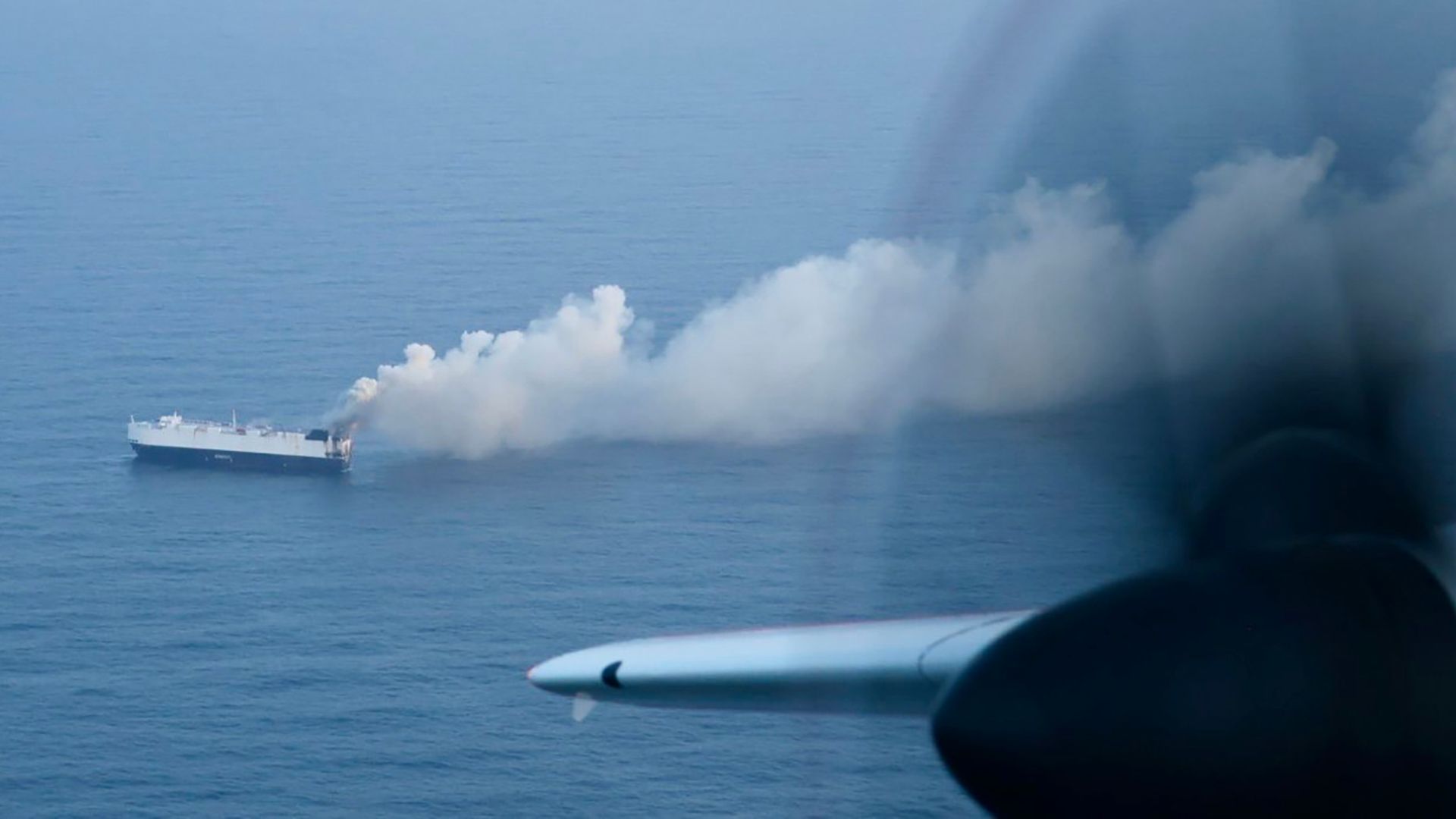
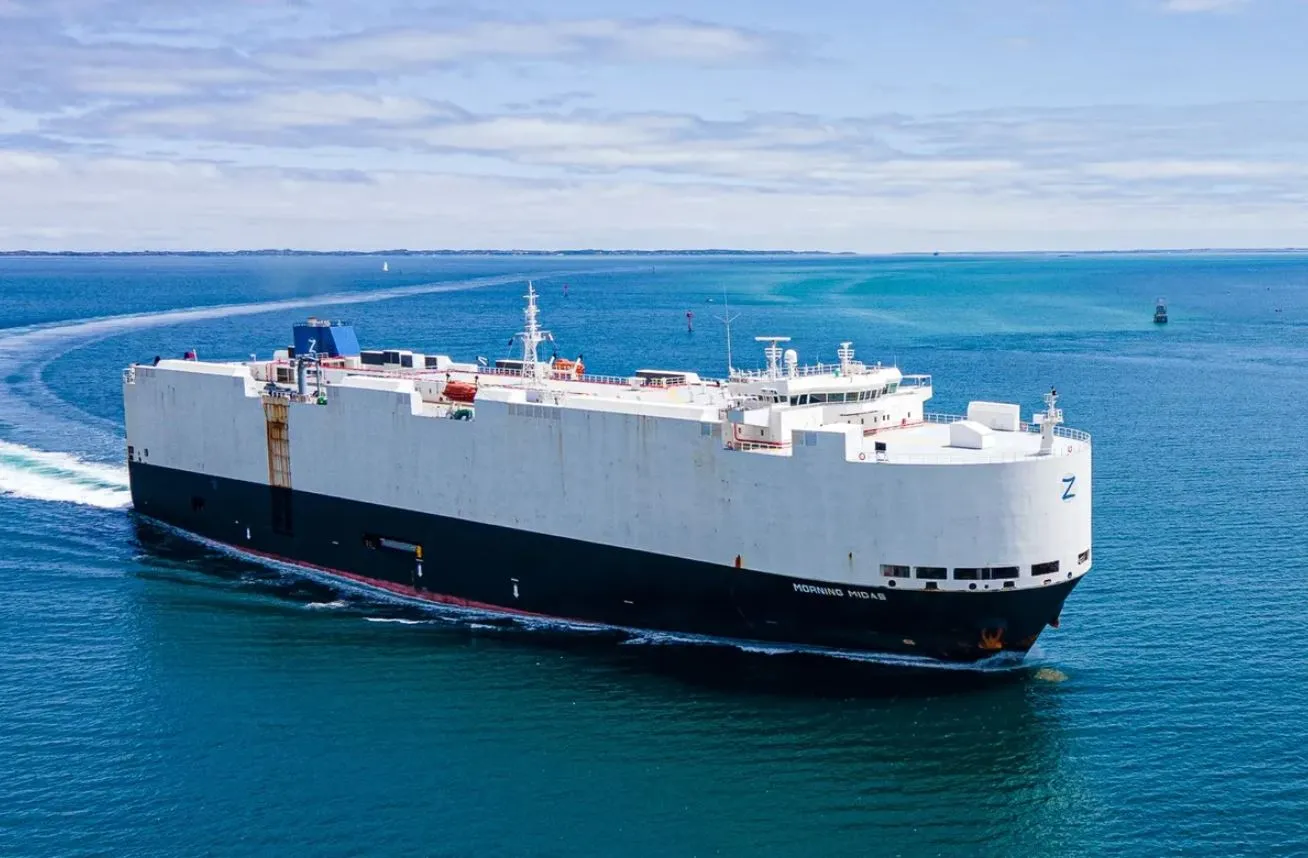
The Morning Midas incident refers to the 2012 distress event involving the MV Morning Midas, a specialized car carrier that experienced severe stability and propulsion issues while transiting the Bay of Biscay. The vessel did not suffer a total sinking; rather, it underwent a critical cargo shift, leading to a significant list that triggered a complex, multi-day maritime salvage and rescue operation.
Understanding the Vessel and the Incident Context
The Morning Midas was a Pure Car and Truck Carrier (PCTC), a specialized vessel designed to maximize the volume of wheeled cargo. These ships possess high freeboards, expansive superstructure areas, and specialized internal ramp systems to facilitate the efficient loading and discharge of thousands of vehicles. Because the cargo is stored on multiple decks—often rising many stories above the waterline—these vessels are inherently sensitive to their center of gravity and the integrity of their ballasting systems.
On the morning of September 15, 2012, while the vessel was en route from South Korea to Europe, it encountered adverse weather conditions in the Bay of Biscay. The combination of heavy seas and what was later investigated as a potential failure in the ship’s ballast management or cargo securing protocols caused the vessel to develop an alarming list. Unlike standard container ships, a PCTC that develops a severe list is at immediate risk of "capsizing" rather than "sinking" in the traditional sense, as the high-volume void spaces within the cargo holds can quickly become compromised if water ingress occurs at the waterline openings.
The Anatomy of the Salvage Operation
The distress call issued by the Morning Midas triggered an immediate international response, involving both French and Spanish maritime authorities. The primary concern for the master of the vessel and the responding salvage tugs was the prevention of a total loss of stability.
- Assessment and Stabilization: Initial efforts focused on correcting the list. This involved a combination of adjusting the internal ballast water distribution—pumping water into tanks on the side opposite the list—and securing the internal vehicle cargo. Because the cargo consisted of thousands of individual vehicles, any movement of the ship could cause a "domino effect," where lashings snap and cars collide, further destabilizing the vessel's center of gravity.
- Escort and Diversion: Given the severity of the list, the vessel was diverted to a place of refuge. The coordination of the escort required constant monitoring of the sea state. If the vessel had encountered higher waves, the risk of "down-flooding"—where water enters the ventilation or door openings along the sides of the ship—would have increased exponentially.
- Port Entry and Cargo Discharge: Upon arrival at a sheltered port, the process of unloading the cargo became a high-risk operation. Since the ship was listing, the ramps could not be deployed in a standard fashion. Shore-based engineering teams had to work in conjunction with the ship’s crew to stabilize the vessel physically against the berth, ensuring it did not capsize as the weight of the thousands of vehicles was removed.
Technical Challenges in PCTC Stability
The Morning Midas incident highlights several critical technical challenges inherent to the operation of car carriers. These vessels are marvels of logistics but are notoriously unforgiving when operating outside of their design parameters.
- The Free Surface Effect: In ballasting operations, "slack" tanks—tanks that are not completely full or empty—allow liquid to shift, which reduces the ship's metacentric height (GM). If multiple tanks are left slack, the ship’s ability to right itself after a roll is severely diminished.
- Windage and Superstructure: A car carrier acts much like a sail due to its massive, flat sides. In high-wind conditions, the force exerted on the side of the hull can contribute to a list, especially if the vessel is light or has an uneven distribution of cargo.
- Lashing Integrity: In modern automotive shipping, thousands of vehicles are secured with synthetic or chain lashings. During extreme weather, if a small percentage of these lashings fail, the shifting weight of the vehicles can exert a lateral force that compounds the ship’s list, leading to a feedback loop of instability.
Comparison of Vessel Distress Scenarios
To better understand the severity of the Morning Midas incident, it is helpful to contrast it with other common maritime emergencies involving car carriers.
| Feature | Car Carrier Listing (e.g., Morning Midas) | Grounding Incident | Engine Room Fire |
|---|---|---|---|
| Primary Danger | Capsizing (Loss of stability) | Structural damage to bottom hull | Loss of propulsion and power |
| Urgency | Critical / Immediate | Moderate (depending on tide) | High (threat to life) |
| Salvage Priority | Ballast/Cargo redistribution | Refloating / Lightering | Fire suppression / Towing |
| Recovery Path | Can usually proceed after restow | Needs dry-dock / repair | Needs significant technical overhaul |
The Human and Economic Impact
While the Morning Midas survived the incident, the economic ramifications were significant. The delay in the delivery of thousands of vehicles caused logistical backups in the automotive supply chain. Furthermore, the incident serves as a primary case study in maritime training modules regarding the "Management of Change" in ship stability.
The crews of these vessels undergo rigorous training to handle such scenarios, but the reality of a massive steel hull listing in the middle of a storm is a profound psychological and technical challenge. The decision-making process during the first hour of a list is critical; a captain must balance the need to turn into the weather to reduce rolling with the risk that a turn will worsen the list due to centrifugal forces.
Legal and Regulatory Implications
Following the resolution of the Morning Midas incident, maritime investigators looked closely at the International Maritime Organization (IMO) guidelines regarding the loading of specialized car carriers. This event contributed to a broader push for:
- Enhanced Lashing Standards: Increased testing of synthetic lashing materials under dynamic load conditions.
- Ballast Management Systems: More stringent requirements for automated ballast monitoring, ensuring that the bridge team has real-time, accurate data on the "free surface effect" of all onboard tanks.
- Refuge Protocols: The incident reinforced the necessity for coastal nations to have pre-designated "Places of Refuge" for ships in distress, preventing a "vessel in need" from being turned away and left to face open-sea conditions while in a compromised state.
Frequently Asked Questions
1. Did the Morning Midas sink? No. While the vessel experienced a dangerous list that threatened its stability, it was successfully stabilized and brought to a port under escort. The incident is classified as a maritime casualty, not a total loss.
2. What caused the Morning Midas to list? The list was primarily attributed to the interaction between severe weather in the Bay of Biscay and the vessel's internal stability state, involving the management of ballast water and the distribution of the heavy car cargo.
3. How do car carriers avoid capsizing during storms? They rely on a strictly calculated stability booklet, proper ballast water management, and the high-strength lashing of every individual vehicle. The crew also monitors the vessel's GM (metacentric height) to ensure it stays within a safe range.
4. Why are car carriers more at risk than container ships? Car carriers have a much higher windage area due to their design, and they are essentially "hollow" boxes with many decks. This creates a large volume of air that, if water enters, creates a significant "free surface effect" that can rapidly destabilize the vessel.
5. What is the role of a salvage tug in this scenario? A salvage tug provides a safety net. It can attach a tow line to the vessel to provide "steering" assistance, help stabilize the vessel's heading relative to the waves, and provide additional power should the ship's own propulsion fail.
Operational Recommendations for Maritime Safety
For those involved in maritime operations or those studying the Morning Midas case, the most vital takeaway is the importance of predictive maintenance and real-time data. Modern bridge systems must not only show the list angle but must interpret the trend of that list in real-time.
If you are involved in shipping or logistics, ensure that the stowage plans provided by port authorities are strictly adhered to, specifically regarding the weight distribution on upper versus lower decks. A common mistake is the over-reliance on the "designed" stability of the ship, which assumes ideal conditions. Always incorporate a safety margin for heavy weather when planning for deck loading and ballast levels. If a vessel starts to show an uncharacteristic list, immediate action must be taken to verify the integrity of the lashing and the status of all ballast tank valves before the situation reaches a critical threshold.