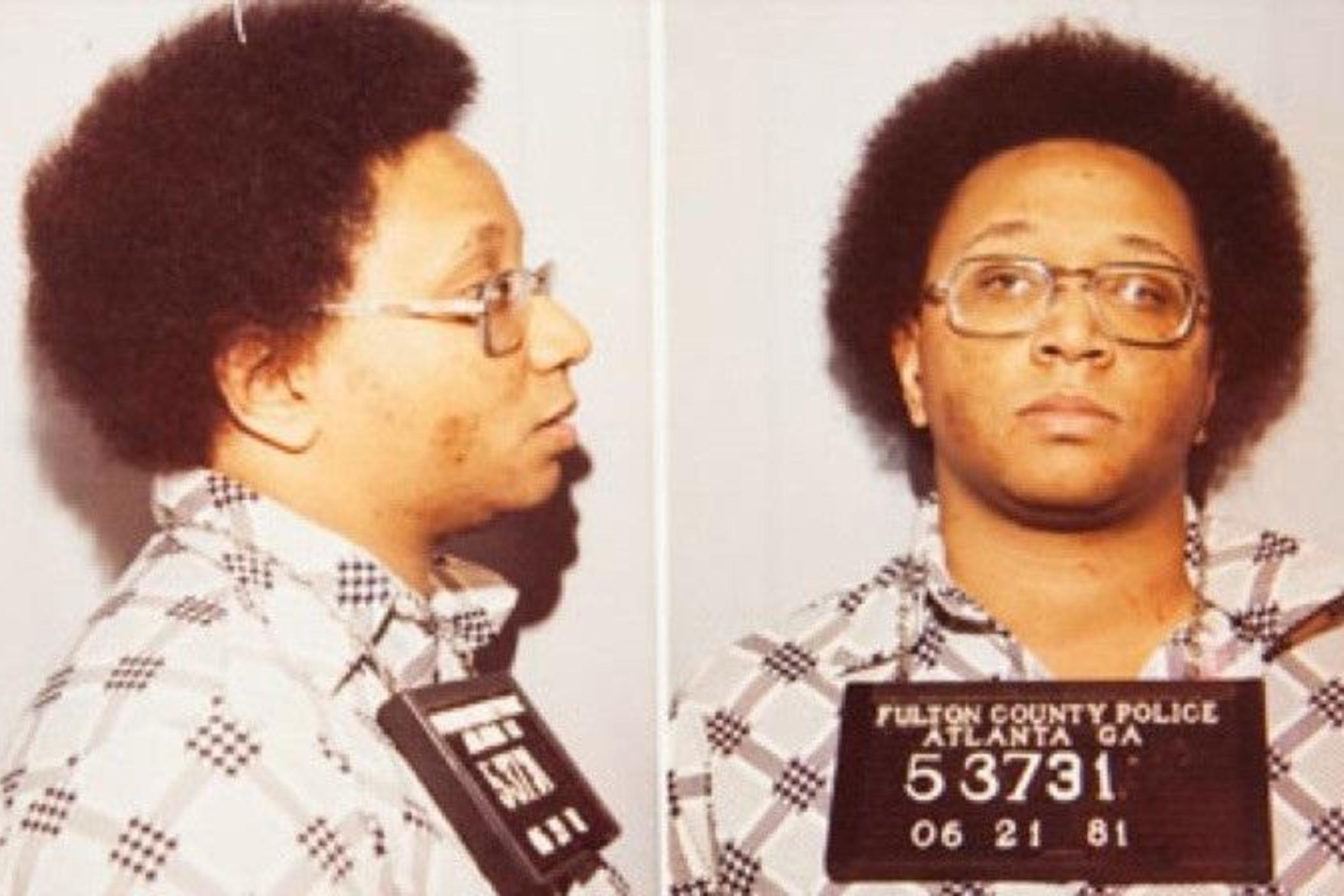
The Atlanta Child Murders refers to a harrowing series of at least 28 killings of African American children, adolescents, and adults between 1979 and 1981 in Atlanta, Georgia. While Wayne Williams was convicted in 1982 for the murders of two adults and attributed to many of the child victims, the cases remain a subject of intense forensic scrutiny and public debate, leading to a significant multi-year re-examination of DNA evidence that continues into 2026.
The Historical Context of a City in Crisis
To understand the weight of the Atlanta Child Murders, one must look at the socio-political landscape of Atlanta in the late 1970s. The city was undergoing a massive transition, having recently elected its first African American mayor, Maynard Jackson. Known as the "City Too Busy to Hate," Atlanta was striving to project an image of racial harmony and economic progress. However, beneath the surface, deep-seated racial tensions and economic disparities persisted.
Between July 1979 and May 1981, the disappearance and subsequent discovery of the bodies of young Black males created a climate of terror. The victims were often from low-income neighborhoods, and early on, the disappearances were not linked by law enforcement. It was the families of the victims, led by mothers like Camille Bell, who organized the Committee to Stop Children’s Murders to force the city to acknowledge that a serial killer was operating in their midst.
The investigation eventually became one of the most exhaustive in American history, involving local police, the Georgia Bureau of Investigation (GBI), and the FBI. The pressure on the city government was immense, as the mounting body count threatened to ignite civil unrest and dismantle the carefully curated image of the "New South."
Chronology of the Disappearances
The killings began in the summer of 1979. The first two victims were Edward Hope Smith, 14, and Alfred Evans, 13. Both went missing within days of each other, and their bodies were found in a wooded area. Initially, police treated these as isolated incidents or potentially drug-related, a common bias that delayed the recognition of a serial pattern.
As 1980 progressed, the frequency of the disappearances increased. The victims followed a heartbreakingly similar profile: young, Black, and often out in the community running errands or seeking odd jobs to help their families. The geographic spread of the body recovery sites—ranging from wooded lots to riverbanks—suggested a killer who was intimately familiar with the Atlanta metro area.
By early 1981, the FBI had joined the task force, and the case gained international attention. Public figures like Muhammad Ali and Sammy Davis Jr. contributed to reward funds, and the "Green Ribbon" campaign became a symbol of solidarity for the grieving city.
The Investigation and the FBI Profile
The Atlanta Child Murders marked a pivotal moment in the history of criminal profiling. John Douglas and Roy Hazelwood of the FBI’s Behavioral Science Unit were tasked with creating a profile of the killer. At a time when many in the community feared the killer was a white supremacist or a member of the KKK seeking to incite a race war, Douglas made a controversial prediction: the killer was likely a Black male.
Douglas reasoned that a white man could not easily navigate predominantly Black neighborhoods during a period of high racial tension without drawing immediate suspicion. The killer, he argued, was someone who could blend in and gain the trust of children. This profile significantly shifted the direction of the investigation, though it remained highly controversial among local residents who felt it shielded potential white suspects.
The Stakeout and the Bridge Incident
In May 1981, the task force decided to monitor the bridges crossing the Chattahoochee River, as several recent victims had been found in or near the water. On the night of May 22, 1981, an officer heard a loud splash beneath the James Jackson Parkway bridge. A white station wagon was observed driving slowly across the bridge.
The driver was Wayne Williams, a 23-year-old freelance photographer and talent scout. When questioned, Williams claimed he was going to an audition for a singer named Cheryl Johnson. Subsequent investigations found no record of the singer or the address he provided. Two days later, the body of 27-year-old Nathaniel Cater was pulled from the river downstream from the bridge. This became the catalyst for the arrest of Wayne Williams.
The Trial of Wayne Williams and Forensic Evidence
Wayne Williams was never charged with the murders of the children. Instead, he was tried for the murders of two adults: Nathaniel Cater and Jimmy Ray Payne. The prosecution’s strategy was to convict Williams for the adult murders and then use "pattern evidence" to link him to the children’s cases.
The trial, which concluded in 1982, was a landmark for the use of forensic fiber evidence. Experts testified that rare yellowish-green tri-lobed carpet fibers and dog hairs found on the victims matched the carpet in Williams’ home and the hair of his family dog.
| Evidence Category | Description | Significance in Trial |
|---|---|---|
| Carpet Fibers | Wellman 181B yellowish-green fibers. | Matched Williams' home; argued as statistically rare. |
| Automobile Fibers | Luxaire blue carpet fibers. | Matched Williams' 1970 Chevrolet station wagon. |
| Dog Hair | Alaskan Malamute/German Shepherd mix. | Matched the Williams family dog; found on multiple victims. |
| Witness Testimony | Testimonies of Williams seen with victims. | Established proximity and opportunity. |
| Bridge Splash | Audio/visual observation by police. | Linked Williams to the disposal site of Nathaniel Cater. |
Despite Williams' protestations of innocence and the lack of eyewitnesses to the actual killings, the jury found the forensic "web" compelling. On February 27, 1982, Williams was found guilty and sentenced to two consecutive life terms. Shortly after the conviction, the Atlanta Police Department closed 22 of the children's cases, citing them as "cleared" by the Williams conviction, although he was never tried for them.
Lingering Doubts and Alternative Theories
For decades, many families of the victims and legal observers have expressed skepticism regarding Williams' sole responsibility for all 28 deaths. Several factors contribute to this enduring doubt:
- The KKK Theory: Documents later revealed that the GBI had investigated members of the Ku Klux Klan who had allegedly discussed killing Black children to provoke a race war. This information was not fully disclosed to the defense during the 1982 trial.
- Varied Modus Operandi: While many victims were strangled, some died of different causes, leading some to believe there were multiple killers or that some cases were unrelated "copycat" crimes.
- The Profile Conflict: While Wayne Williams fit the FBI profile in some ways, his personality and background did not align with the typical "predatory" profile of a child killer according to some independent psychologists.
- Lack of Physical Evidence in All Cases: While the fiber evidence was strong in a handful of cases, it was circumstantial or non-existent in many of the other 22 cases attributed to him.
Reopening the Case: The 2019-2026 DNA Initiative
In 2019, Atlanta Mayor Keisha Lance Bottoms, along with Police Chief Erika Shields, announced that the city would re-examine evidence from the Atlanta Child Murders. The goal was not necessarily to exonerate Williams, but to use modern technology to provide definitive answers to the families who had lived in uncertainty for forty years.
By 2021, investigators began shipping DNA samples to a private lab in Salt Lake City, Utah, that specializes in analyzing degraded or trace DNA samples. As of 2026, this process has reached a critical stage. Unlike the early 1980s, when DNA testing was in its infancy, current mitochondrial DNA (mtDNA) and Next-Generation Sequencing (NGS) allow for the identification of contributors from even a single hair or a decades-old clothing fiber.
The re-examination has faced significant hurdles:
- Evidence Degradation: Many samples were stored in sub-optimal conditions over the last four decades.
- Contamination: Earlier handling of evidence before modern protocols were established has complicated the isolation of the killer's DNA.
- Missing Records: Some evidence from the original 28 cases was lost or destroyed during the intervening years.
In 2026, the Atlanta Police Department continues to coordinate with the GBI to cross-reference newly developed DNA profiles against national databases (CODIS). While these efforts have provided some clarity in narrowing down suspect pools, the complexity of the "pattern evidence" used in 1982 remains a point of contention in the quest for absolute closure.
The Impact on the Atlanta Community
The legacy of the Atlanta Child Murders is etched into the city's collective memory. It changed the way a generation of Atlantans grew up—children who were previously allowed to roam freely were suddenly kept under strict "sundown" rules. It also highlighted the vulnerabilities of Black children in urban environments and the discrepancies in how the justice system treats victims based on race and class.
In recent years, the city has made efforts to properly memorialize the victims. The Atlanta Children’s Memorial Eternal Flame at City Hall serves as a permanent reminder of the lives lost. For the families, the passage of time has not diminished the need for justice. Whether the current DNA testing confirms Wayne Williams' involvement in the child cases or points toward other suspects, the pursuit of truth remains a priority for the municipal government and the community at large.
Frequently Asked Questions
Is Wayne Williams still in prison in 2026?
Yes, Wayne Williams remains incarcerated. He is serving two life sentences at Hancock State Prison in Georgia. Over the years, he has been denied parole multiple times, with the board citing the gravity of his crimes and the lack of remorse.
How many victims are officially linked to the Atlanta Child Murders?
The "official" list maintained by the task force included 28 victims. However, some researchers and family members suggest the number could be higher, as other disappearances during that era may have been overlooked or misclassified.
Did Wayne Williams ever confess to the murders?
No. Since his arrest in 1981, Wayne Williams has maintained his innocence. He has consistently claimed that he was a scapegoat for a city desperate to end a crisis and that the forensic evidence against him was manufactured or misinterpreted.
What was the "fiber evidence" that convicted him?
The prosecution focused on rare yellowish-green fibers from a Wellman 181B carpet and blue fibers from a Luxaire carpet. Experts testified that the probability of finding these specific fibers in a random environment was extremely low, linking the victims found with these fibers directly to Williams’ home and car.
Why were the child cases closed if he was only convicted of adult murders?
Following the 1982 conviction, the Atlanta Police Department determined that the evidence presented in the trial for the murders of Cater and Payne was sufficient to link Williams to the majority of the child murders. They "cleared" the cases administratively to provide the city with a sense of closure, a move that remains controversial.
Practical Next Actions and Resources
For those seeking to understand the granular details of the case or researchers looking into the forensic history of the investigation, several avenues are available:
- Review Official Archives: The Georgia Department of Archives and History maintains records related to the state's involvement in the task force.
- Educational Documentary and Literature: For a deep dive into the psychological profiling aspects, the memoirs of John Douglas (such as "Mindhunter") provide firsthand accounts of the FBI's role.
- The Atlanta Children's Memorial: Visitors to Atlanta can pay their respects at the Eternal Flame at Atlanta City Hall, which honors the memory of the "missing and murdered."
- Follow Official Updates: The Atlanta Police Department's cold case unit periodically releases statements regarding the status of DNA re-testing and any new developments in the ongoing investigation as of 2026.