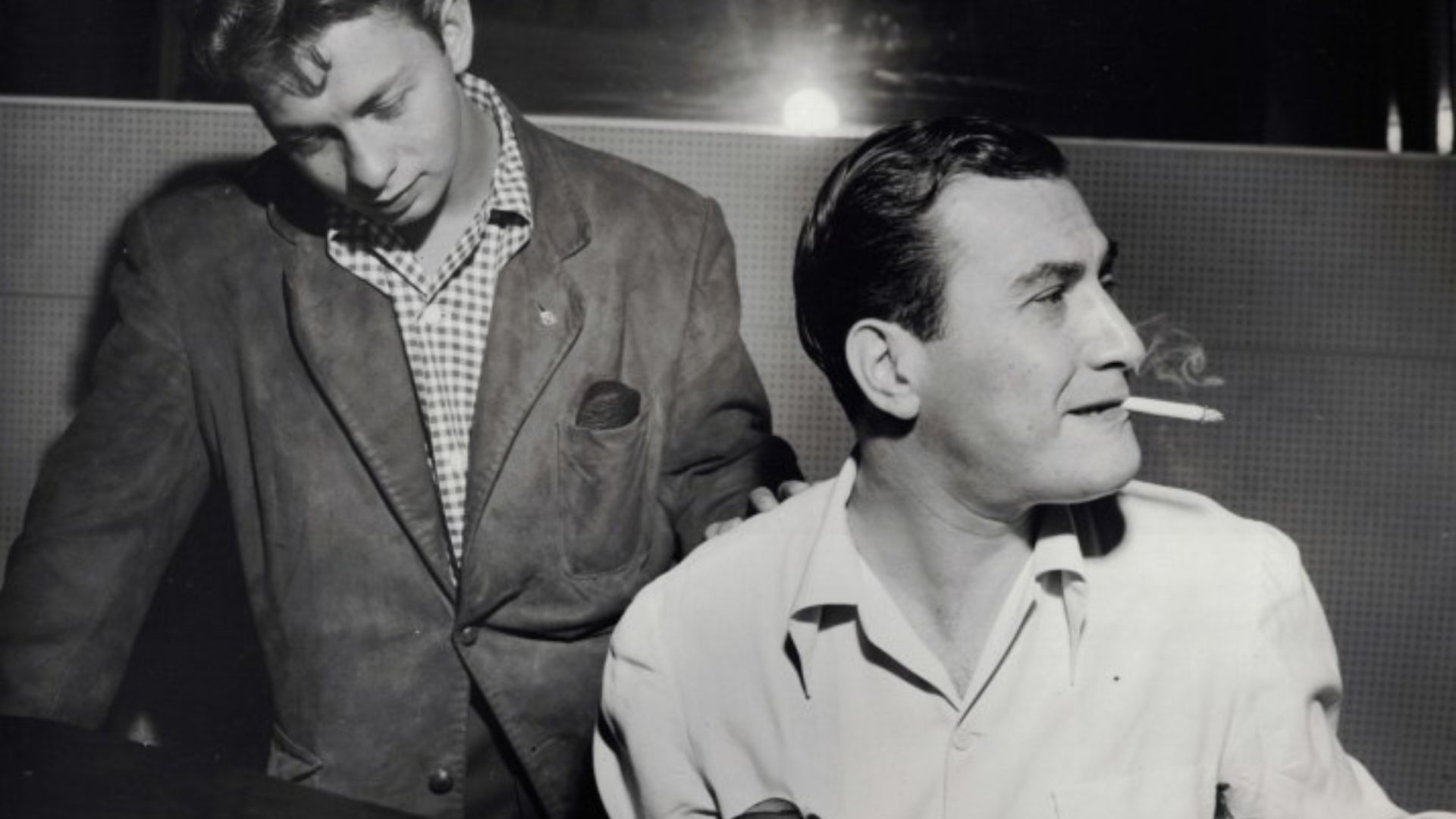
At the time of his death on December 30, 2004, jazz legend Artie Shaw had an estimated net worth of approximately $5 million to $10 million. His wealth was a sophisticated blend of accumulated performance earnings, substantial mechanical and performance royalties from his massive hits like "Begin the Beguine," and strategic investments in real estate and literature.
Artie Shaw, born Arthur Jacob Arshawsky, remains one of the most enigmatic figures in American music history. Unlike many of his contemporaries who performed until they could no longer hold their instruments, Shaw famously walked away from the music industry at the height of his powers in 1954. This decision was not a financial failure but a personal Choice. To understand his net worth at the time of his death, one must look past the glitz of the Big Band era and examine the long-term sustainability of intellectual property and the lifestyle of a man who spent the last 50 years of his life as an author, marksman, and intellectual.
The Foundation of Wealth: The Big Band Golden Era
During the late 1930s and early 1940s, Artie Shaw was one of the highest-paid entertainers in the world. At the peak of the Swing Era, his band was a commercial juggernaut, often rivaling or exceeding the popularity of Benny Goodman.
Record Sales and "Begin the Beguine"
In 1938, Shaw recorded Cole Porter’s "Begin the Beguine." The track became a monumental success, transforming Shaw from a respected musician into a pop culture icon. During an era when a "hit" record sold a few thousand copies, "Begin the Beguine" sold millions. The royalties from this single record alone provided a financial cushion that lasted Shaw for the rest of his life.
Beyond sales, the song’s frequent use in films, radio broadcasts, and later television commercials ensured a steady stream of "mailbox money." For a musician of Shaw’s caliber, these mechanical royalties (paid for the physical sale of records) and performance royalties (paid for airplay) formed the bedrock of his estate.
Live Performance and Radio Contracts
In the 1940s, Shaw commanded fees of $10,000 to $20,000 per week for theater engagements—astronomical figures when adjusted for inflation. Furthermore, his radio sponsorships, including the "Old Gold" cigarette program, paid him handsomely to bring his "Gramercy Five" and full orchestra to the national airwaves. Unlike modern artists who rely heavily on touring for income, Shaw’s era allowed for significant wealth accumulation through high-stakes residency contracts and national broadcast deals.
The 1954 Retirement: A Financial Pivot
One of the most frequent questions regarding Artie Shaw’s net worth is how he maintained his wealth after retiring from the clarinet in 1954. Shaw was only 44 years old when he quit, and he lived for another half-century without ever performing professionally again.
Avoiding the "Burnout" Costs
Many jazz musicians of the era struggled with substance abuse or poor financial management, leading to a decline in net worth. Shaw, conversely, was a disciplined intellectual. By leaving the industry, he avoided the mounting costs of maintaining a touring orchestra—payroll, transportation, and arrangements—which became increasingly expensive as the Big Band era faded and rock and roll emerged.
Literary Pursuits and Public Speaking
Following his retirement, Shaw moved to Spain for a period, taking advantage of lower living costs while focusing on his writing. His autobiography, The Trouble with Cinderella: An Outline of Identity, and his collections of short stories provided secondary income. While his books were not "Begin the Beguine" level successes, they established him as a public intellectual. In his later years, Shaw earned significant fees for lectures and appearances at film festivals and universities, where he discussed music, philosophy, and his experiences with the House Un-American Activities Committee (HUAC).
Intellectual Property and the Artie Shaw Orchestra
Even though Shaw stopped playing, the "Artie Shaw Orchestra" name remained a valuable asset. Shaw was famously protective of his brand, often engaging in legal battles to ensure that any group performing under his name met his rigorous standards.
Licensing and Sync Rights
As music licensing became more structured in the late 20th century, Shaw’s catalog gained new life. His music appeared in soundtracks for period films and documentaries. Because Shaw often acted as his own manager and was highly involved in the business side of his career, he retained a larger portion of his rights than many of his peers who were exploited by aggressive management.
The Value of the Catalog in 2004
By 2004, the "legacy" value of Shaw's recordings remained high. Collectors and audiophiles continued to purchase remastered editions of his RCA Victor and Bluebird recordings. Experts estimate that at the time of his death, the valuation of his intellectual property rights—the right to control and profit from his likeness and recorded performances—constituted more than 60% of his total net worth.
Personal Life: Eight Marriages and Financial Stability
Artie Shaw’s personal life was as famous as his music. He was married eight times, including to legendary actresses Lana Turner, Ava Gardner, and Evelyn Keyes, as well as novelist Kathleen Winsor.
Common financial wisdom suggests that eight divorces would bankrupt even a wealthy man. However, several factors protected Shaw's net worth:
- Short Durations: Many of his marriages lasted only a few months or a year (e.g., Lana Turner).
- Wealthy Spouses: Many of his wives were high earners in their own right, reducing the likelihood of permanent, crippling alimony payments that would typically affect a wealthy husband in that era.
- Pre-nuptial Arrangements: While formal "pre-nups" as we know them today were less common, Shaw was notoriously shrewd and often entered and exited these unions with his core assets intact.
Real Estate and Tangible Assets
In his final decades, Shaw resided in Thousand Oaks, California. His property there was not just a home but a significant piece of real estate that appreciated in value as Southern California's land prices soared between the 1970s and 2000s.
The Artie Shaw Estate Inventory
At the time of his death, his estate included:
- The Thousand Oaks Residence: Valued in the millions due to its location and size.
- Musical Instruments: His custom-made Clarinets, which have since become high-value items for collectors and museums.
- Extensive Library and Archives: Shaw was a bibliophile and collector of rare manuscripts, which added a scholarly value to his estate.
- Stock Portfolio: Like many wealthy individuals of his generation, Shaw maintained a conservative but steady portfolio of stocks and bonds that provided a hedge against inflation.
Financial Comparison: Shaw vs. Contemporaries
To put Artie Shaw’s $5 million to $10 million net worth into perspective, it is helpful to compare him with other bandleaders of his time.
| Bandleader | Estimated Net Worth at Death | Year of Death | Primary Income Source |
|---|---|---|---|
| Artie Shaw | $5M - $10M | 2004 | Royalties, Real Estate, Books |
| Benny Goodman | $20M - $30M | 1986 | Continuous Performance, Royalties |
| Glenn Miller | Unknown (Estate valued high) | 1944 | Posthumous Record Sales |
| Duke Ellington | $5M (Adjusted) | 1974 | Composition, Global Touring |
While Goodman died with a higher net worth, he performed until the end of his life. Shaw’s ability to maintain a multi-million dollar estate despite a 50-year "unemployment" from his primary trade is a testament to the power of his early-career hits and his financial intelligence.
Inheritance and the Legacy of the Estate
Following his death in 2004, Shaw's estate was managed by his long-term associates and family. He was survived by two sons, Steven Shaw and Jonathan Shaw. However, the distribution of his estate was not without its complexities, reflecting his often-strained relationships with his children.
The Ongoing Revenue Stream
In 2026, the Artie Shaw estate continues to generate revenue. Digital streaming platforms like Spotify and Apple Music have introduced his work to a new generation. While the "per-stream" payout is low, the sheer volume of his "Begin the Beguine" and "Frenesi" streams ensures that the estate remains solvent. Furthermore, the licensing of his music for use in video games (often those with a retro-1940s aesthetic) and high-end television series remains a consistent source of income for his heirs.
Why the "Explained" Net Worth Matters
The reason Artie Shaw’s net worth is a subject of fascination is that it defies the "tragic artist" trope. Many jazz greats died in relative poverty due to systemic issues in the music industry or personal struggles. Shaw’s financial status at death serves as an early example of "celebrity branding." He understood that he was not just a musician but a creator of a specific sound that had a market value independent of his physical presence on a stage.
His wealth was not just about the money in his bank account; it was about the autonomy it provided. It allowed him to turn his back on a career he found artistically stifling and spend five decades living exactly how he chose—a luxury that few artists of any era can afford.
FAQ
Who inherited Artie Shaw's money?
Artie Shaw's estate was primarily divided among his heirs, though the specifics of his will were kept relatively private. It is known that his sons, Steven and Jonathan, were involved in the legalities of his legacy, though Shaw had a famously complicated relationship with his family, once famously saying he wasn't "cut out for fatherhood."
Did Artie Shaw lose his money in his eight divorces?
No. While divorces are rarely profitable, Shaw’s marriages to high-profile, wealthy women like Ava Gardner and Lana Turner meant that he was not typically the sole breadwinner. Many of these marriages were brief, preventing long-term financial drains like decades-long alimony.
What was Artie Shaw's most profitable asset?
His recording of "Begin the Beguine" is widely considered his most profitable asset. It sold millions of copies and has been licensed thousands of times for various media, providing consistent royalty checks for over 60 years.
How did Artie Shaw afford to live for 50 years without a job?
Shaw lived off the royalties of his music, savvy investments, and fees from writing and speaking. He also lived a relatively modest lifestyle in Spain and later in California, focusing more on intellectual pursuits than the lavish spending typical of Hollywood stars.
Was Artie Shaw a millionaire?
Yes, by the late 1930s, Artie Shaw was already a millionaire. By the time he died in 2004, his assets—including real estate and intellectual property—well exceeded the multi-million dollar mark.
Final Perspective
Artie Shaw’s financial legacy is a rare success story of the Big Band era. By combining early career dominance with a sharp intellect and a refusal to be exploited by the music industry, he secured a future that allowed him to retire at 44 and live comfortably until the age of 94. For those looking to understand the economics of the jazz era, Shaw remains the gold standard for how to turn artistic genius into long-term financial independence. If you are interested in the history of music royalties or the lives of Golden Age stars, exploring Artie Shaw's business decisions is just as rewarding as listening to his iconic clarinet solos.