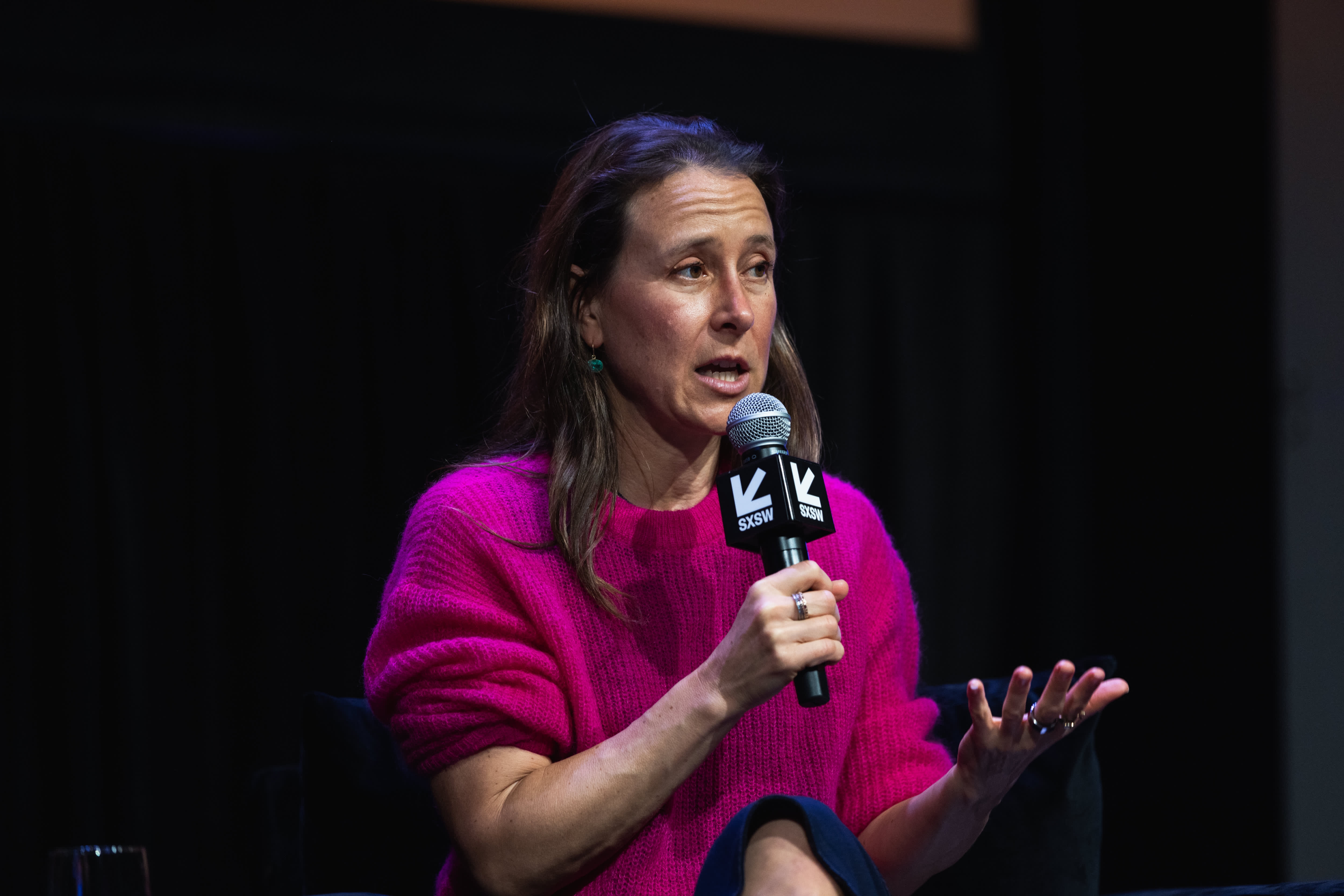
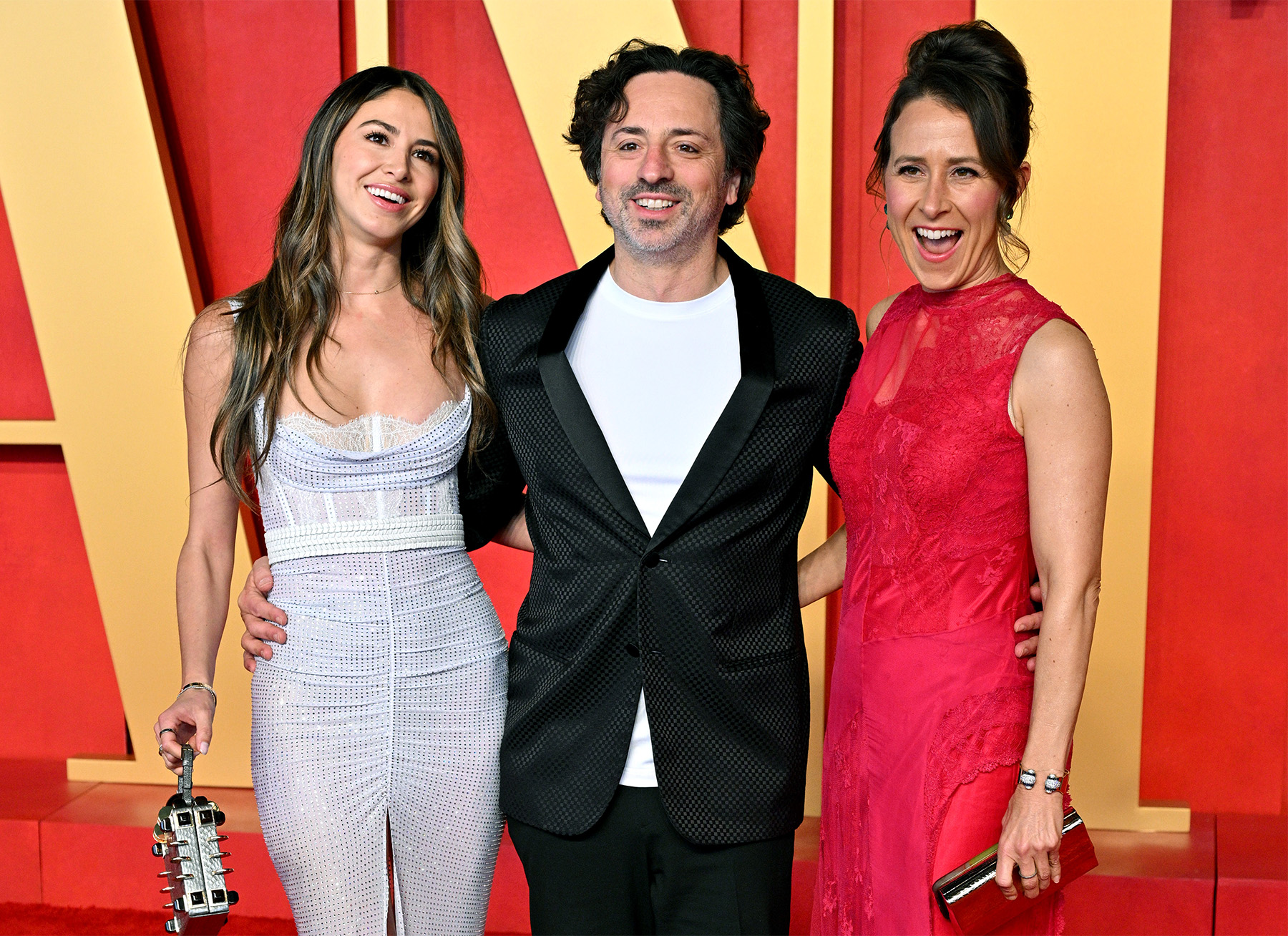
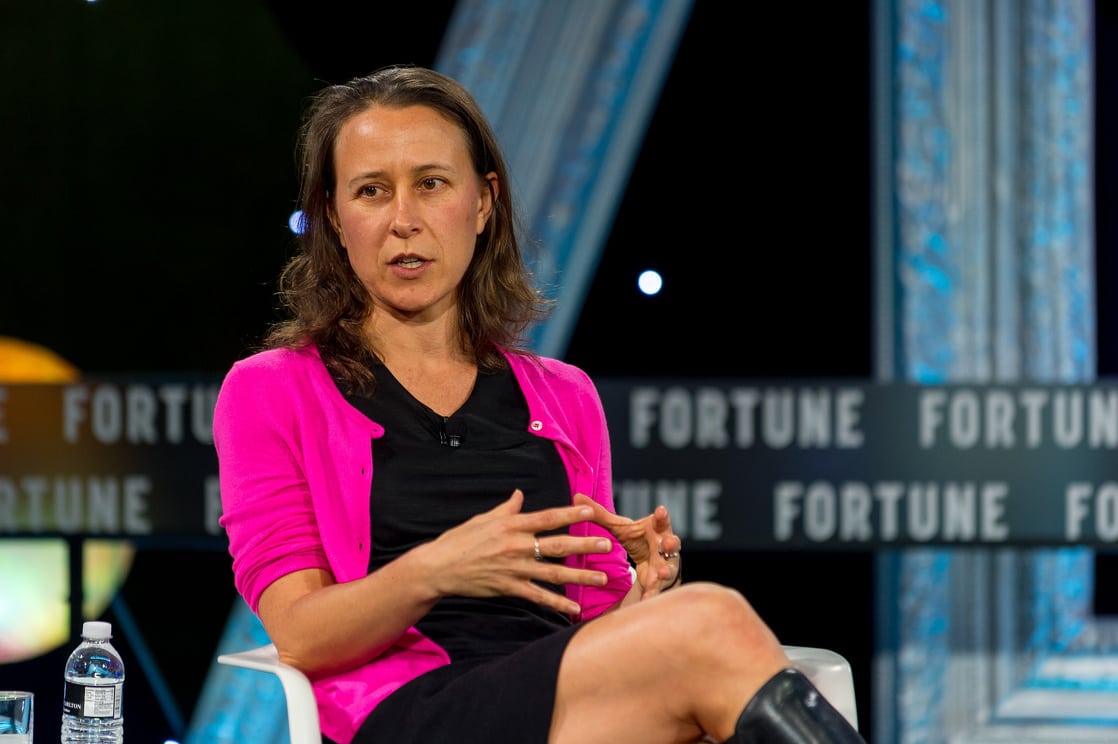
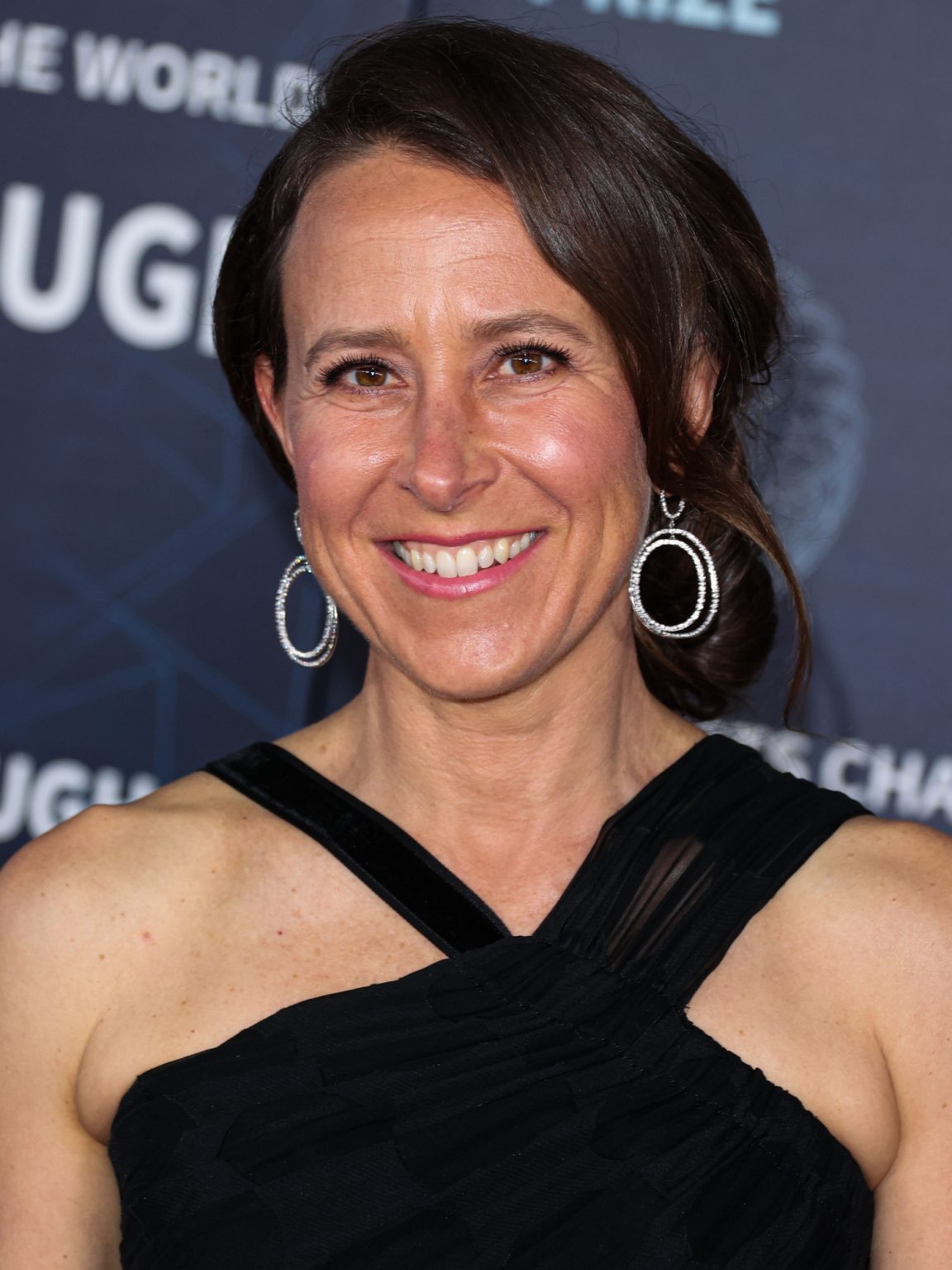
Anne Wojcicki, co-founder and CEO of the personal genomics company 23andMe, served as a guest Shark during Season 13 of ABC’s hit business reality show Shark Tank. Bringing her background in molecular biology, Wall Street healthcare analysis, and consumer biotechnology, Wojcicki evaluated emerging entrepreneurs alongside series regulars including Mark Cuban, Kevin O'Leary, Lori Greiner, and Daymond John.
Who Is Anne Wojcicki? Background of the 23andMe Founder
Before sitting in the Shark Tank chair, Anne Wojcicki established herself as one of modern Silicon Valley's most prominent technology and healthcare executives. After graduating from Yale University with a degree in biology, Wojcicki began her career as a healthcare investment analyst on Wall Street. She spent nearly a decade tracking biotechnology, pharmaceutical, and healthcare management companies at firms such as Passport Capital and Investor AB.
Frustrated by the inefficiency of the traditional healthcare system and its focus on disease treatment rather than prevention, Wojcicki shifted from investing to founding. In 2006, she co-founded 23andMe with Linda Avey and Paul Cusanza. The company pioneered direct-to-consumer genetic testing, allowing individuals to access personalized health risk assessments, ancestry information, and carrier status reports without requiring a physician's referral.
Under Wojcicki's leadership, 23andMe navigated complex regulatory challenges, including a high-profile 2013 warning letter from the U.S. Food and Drug Administration (FDA) that briefly paused health-related testing. Wojcicki led the effort to secure FDA clearances for direct-to-consumer genetic health risk reports, establishing a regulatory framework for personal genomics. Her expertise spans consumer branding, data privacy, health-tech compliance, and venture funding, giving her a distinctive perspective when evaluating startups on national television.
Anne Wojcicki’s Role as a Guest Shark on Season 13
ABC announced Anne Wojcicki as part of its guest Shark lineup for Season 13, which aired during the 2021–2022 television season. The season brought together a diverse group of guest investors, including comedian and entrepreneur Kevin Hart, Good American co-founder Emma Grede, Nextdoor co-founder Nirav Tolia, and Dragon's Den veteran Peter Jones.
Wojcicki brought an analytical, science-backed approach to the Tank. Unlike investors who focus predominantly on immediate social media viral potential or quick licensing plays, Wojcicki repeatedly questioned founders on manufacturing ethics, clinical validity, long-term customer retention, unit economics, and health benefits.
Her presence in the Tank shifted the tone of pitches involving food, wellness, personal care, and technology. She challenged entrepreneurs on the scientific integrity of their product claims, warning founders against overpromising health benefits without peer-reviewed validation or regulatory compliance.
Pitches and Deals Featured in Anne Wojcicki’s Episodes
During her guest appearances in Season 13, Wojcicki evaluated pitches ranging from ready-to-eat meals and custom music gifts to innovative pet products and child nutrition items. Her assessment of each company highlighted her distinct focus on operational scalability and mission alignment.
| Company Name | Pitch Overview | Initial Ask | Final Deal Status | Participating Investor(s) |
|---|---|---|---|---|
| Proper Good | Shelf-stable, health-focused ready-to-eat soups & meals | $400,000 for 10% | $400,000 for 20% | Mark Cuban |
| Songlorious | Custom personalized music creation platform | $400,000 for 10% | $500,000 for 40% | Mark Cuban, Kevin O'Leary, Lori Greiner, Daymond John |
| First Day | Low-sugar organic vitamins for children and families | $500,000 for 5% | No Deal | Out (High valuation / capital requirements) |
| Plunge | All-in-one cold water therapy tub for recovery | $1,200,000 for 5% | $1,200,000 for 2.4% + $1.2M loan | Robert Herjavec |
| Cupbop | Fast-casual Korean barbecue in a cup | $1,000,000 for 3% | $1,000,000 for 5% | Mark Cuban |
1. Proper Good (Season 13, Episode 3)
Siblings Christopher and Jennifer Brandt presented Proper Good, a brand producing clean-label, shelf-stable soups tailored to specific dietary lifestyles such as keto, plant-based, and gluten-free.
Wojcicki expressed interest in the brand's approach to nutrition and convenience. However, concerns regarding customer acquisition costs (CAC) in the direct-to-consumer (DTC) food space led to spirited debate. While Wojcicki offered strategic feedback on expanding into corporate wellness initiatives, Mark Cuban ultimately closed a deal with the founders for $400,000 in exchange for 20% equity.
2. Songlorious (Season 13, Episode 3)
Founders Ellen Hodges and Omair Khan created Songlorious, a platform matching customers with independent musicians to produce personalized songs for special occasions.
The pitch sparked an intense four-way Shark bidding war. Wojcicki examined the platform's supply chain of musicians, questioning how the platform would maintain artistic quality while scaling output. Although Wojcicki passed due to the venture's reliance on custom gig-economy labor rather than proprietary tech, all four male Sharks combined forces to offer $500,000 for 40% equity, which the founders accepted.
3. First Day (Season 13, Episode 21)
Pitching a health product directly aligned with Wojcicki’s expertise, the founders of First Day sought capital to expand their low-sugar organic gummy vitamin line for kids and adults.
Wojcicki scrutinised the scientific formulation, ingredient sourcing, and clinical differentiation of the vitamins. While she commended the founders on revenue traction, she expressed concern over market saturation, high customer churn, and aggressive early-stage valuations common to DTC supplement brands. Wojcicki chose to pass, emphasizing that health-focused brands require long-term retention built on defensible science rather than heavy digital ad spend.
4. Plunge (Season 13, Episode 21)
Co-founders Michael Garrett and Ryan Duey presented Plunge (formerly Cold Plunge), a specialized cold-therapy tub designed for home and commercial athletic recovery.
Wojcicki engaged deeply regarding the wellness benefits, thermal regulation engineering, and consumer safety aspects of cold exposure. While she acknowledged the rapid consumer adoption of physical therapy and cold-water immersion, the business required substantial inventory capital. Robert Herjavec secured the deal by offering $1.2 million for 2.4% equity alongside a $1.2 million debt line.
Anne Wojcicki’s Investment Philosophy on Shark Tank
Wojcicki’s time on Shark Tank revealed an investment framework developed over two decades in Wall Street analysis and Silicon Valley entrepreneurship. Her approach offers insight into how institutional tech investors evaluate early-stage startups.
Focus on Preventive Health and Functional Wellness
Wojcicki consistently gravitated toward businesses focused on health, nutrition, and lifestyle optimization. Having built 23andMe around preventative healthcare awareness, she sought products that offered tangible, long-term health improvements rather than short-term fad appeal.
Scientific Rigor and Regulatory Realism
Unlike general consumer investors who prioritize branding, Wojcicki assessed the underlying science of products. She pushed founders on:
- Ingredient Integrity: Demanding full transparency on proprietary blends, active dosages, and sourcing quality.
- Regulatory Compliance: Warning founders about potential regulatory scrutiny from agencies like the FDA and FTC when making health claims.
- Clinical Evidence: Distinguishing between anecdotal claims and validated health outcomes.
Unit Economics vs. Burn Rate
Coming from a venture capital and private equity perspective, Wojcicki paid close attention to unit economics. She warned entrepreneurs against relying heavily on digital ad channels (such as paid social media advertising) to drive top-line revenue growth when the underlying customer lifetime value (LTV) failed to justify the acquisition expense.
Mission-Driven Founder Mindset
Wojcicki looked for founders driven by authentic problem-solving rather than quick financial exits. She valued founders who demonstrated deep domain knowledge, operational resilience, and an understanding of their consumer demographic.
What Entrepreneurs Can Learn from Anne Wojcicki’s Critiques
Founders preparing to raise capital can draw actionable lessons from Wojcicki’s interactions on the show:
- Validate Health Claims Before Pitching Investors: If a product promises health benefits, back those claims with third-party testing or clinical studies. Exaggerated claims present immediate regulatory liabilities for investors.
- Master Your Customer Acquisition Economics: Investors evaluate business sustainability by comparing Customer Acquisition Cost (CAC) against Lifetime Value (LTV). Relying entirely on paid digital acquisition without organic retention is a red flag.
- Understand Regulatory Landscapes: Startups operating in health, food, supplements, or personal care must understand FTC advertising guidelines and FDA compliance standards.
- Protect Your Intellectual Property: Pure consumer goods can be easily copied. Defensibility comes from proprietary formulations, strong supply chain partnerships, brand authority, or utility patents.
Comparing Guest Shark Styles: Biotech Rigor vs. Traditional VC
Wojcicki’s appearance highlighted a contrast in investor methodologies inside the Shark Tank ecosystem:
- Mark Cuban frequently focuses on rapid scaling, technology integration, and direct consumer distribution channels.
- Kevin O'Leary emphasizes immediate cash flow metrics, royalty structures, customer acquisition metrics, and risk minimization.
- Lori Greiner focuses on mass-market retail viability, immediate consumer appeal, and strong demonstration potential.
- Anne Wojcicki prioritized long-term addressable market size, health system impact, scientific validity, and fundamental business durability.
This dynamic gave viewers a window into how institutional venture capital firms evaluate deep-tech, healthcare, and consumer goods companies differently from traditional private equity or licensing investors.
Frequently Asked Questions
Did Anne Wojcicki make any investments on Shark Tank?
While Anne Wojcicki evaluated several companies and made joint offers during her guest appearances in Season 13, she remained highly selective and did not complete a final solo deal on-air. Her conservative approach reflected her focus on valuation alignment, unit economics, and scientific validation.
Which season of Shark Tank featured Anne Wojcicki?
Anne Wojcicki appeared as a guest Shark during Season 13 of ABC's Shark Tank, which originally aired between October 2021 and May 2022.
What is Anne Wojcicki’s primary background?
Anne Wojcicki is the co-founder and CEO of 23andMe, a leading personal genomics and biotechnology company established in 2006. Prior to founding 23andMe, she earned a degree in biology from Yale University and worked for nearly a decade as a healthcare investment analyst on Wall Street.
Why did Anne Wojcicki pass on supplement and vitamin brands on the show?
Wojcicki frequently expressed concerns over saturated markets, high customer acquisition costs, and a lack of proprietary scientific differentiation among direct-to-consumer supplement brands. She emphasized that health and wellness products must demonstrate long-term customer retention backed by solid science rather than relying solely on marketing.
What key advice does Anne Wojcicki offer to health-tech and consumer startups?
Wojcicki advises entrepreneurs to prioritize regulatory compliance, rigorous scientific validation, and organic customer retention. She cautions founders against making unsubstantiated health claims or spending excessively on customer acquisition before proving business unit economics.
Practical Recommendations for Health and Consumer Startups
For entrepreneurs building businesses in the health, wellness, or consumer product sectors, evaluating a pitch through Anne Wojcicki’s investment lens provides a useful strategic benchmark:
- Conduct Third-Party Testing: Secure independent laboratory testing or peer-reviewed evidence to validate product safety, ingredient purity, and health claims before seeking institutional capital.
- Build a Regulatory Strategy Early: Consult legal counsel familiar with FDA, FTC, and state-level regulations to ensure product packaging and marketing materials comply with applicable standards.
- Optimize Organic Retention Channels: Focus on building direct community engagement, subscription loyalty models, and educational content to lower customer acquisition costs.
- Align Valuation with Fundamental Metrics: Ensure valuation expectations reflect verifiable recurring revenue, gross margins, and defensible intellectual property rather than top-line projections.