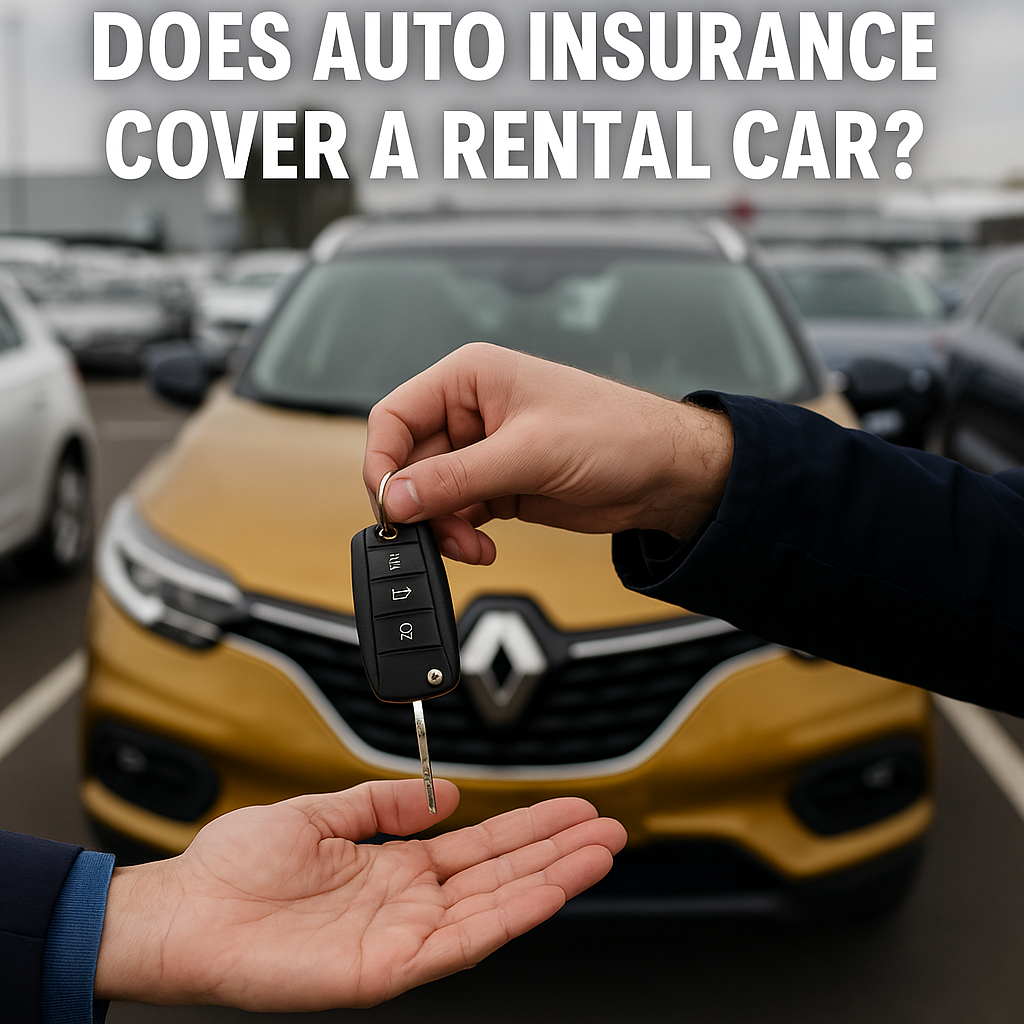
Ameriprise auto insurance (now operating as CONNECT, powered by American Family Insurance) typically extends your existing policy coverages—including liability, collision, and comprehensive—to a rental car used for personal travel within the United States and Canada. However, specific limits, deductibles, and exclusions like "loss of use" fees apply based on your individual policy terms.
In the landscape of 2026, many policyholders still identify their coverage by the Ameriprise brand, though the transition to CONNECT, powered by American Family Insurance, is complete. Understanding how this specific insurer handles rental car damage is critical before you decline the expensive Collision Damage Waiver (CDW) at the rental counter. This guide explores the mechanics of coverage transfer, the unique benefits offered to Costco members, and the potential financial gaps you may encounter.
Understanding the Ameriprise and CONNECT Relationship
To accurately assess your coverage, it is important to recognize that Ameriprise Financial sold its auto and home insurance business to American Family Insurance in 2019. By 2026, these policies are managed under the CONNECT brand. Despite the name change, many legacy policy structures remain intact, particularly for those who purchased insurance through professional associations or the Costco member program.
When we discuss "Ameriprise auto insurance" today, we are referring to the specific underwriting guidelines of CONNECT. These policies are designed to follow the driver and the policyholder's primary vehicle coverage, meaning the protections you pay for on your personal car generally "transfer" to a temporary substitute or a non-owned vehicle, such as a rental car.
How Your Personal Coverage Transfers to a Rental
The extent of your protection depends entirely on the specific coverages listed on your Declarations Page. If you carry a "liability-only" policy, your insurance will not cover damage to the rental vehicle itself.
1. Liability Coverage
If you are at fault in an accident while driving a rental car, your liability coverage pays for the other party’s medical bills and property damage. This coverage transfers to rentals in the U.S. and Canada. It is subject to the same policy limits you selected for your personal vehicle. In 2026, with rising medical costs and vehicle repair prices, it is advisable to ensure your liability limits are sufficient to protect your assets, regardless of whether you are driving your own car or a rental.
2. Collision Coverage
If you have collision coverage on your personal policy, it typically covers damage to the rental car resulting from a collision with another object or vehicle, regardless of fault. However, you will still be responsible for paying your out-of-pocket deductible. For example, if you have a $500 deductible and the rental car sustains $5,000 in damage, CONNECT will pay $4,500, and you must pay the remaining $500 to the rental agency.
3. Comprehensive Coverage
Comprehensive coverage protects against "acts of God" and non-collision events, such as theft, vandalism, fire, or weather-related damage (e.g., hail). Like collision coverage, this transfers to the rental car only if it is already active on your personal policy. It is also subject to your specific deductible.
4. Medical Payments or PIP
If you have Medical Payments (MedPay) or Personal Injury Protection (PIP) on your Ameriprise/CONNECT policy, these generally cover medical expenses for you and your passengers if you are injured in a rental car accident.
Special Considerations for Costco Members
A significant portion of Ameriprise/CONNECT policyholders are Costco members who receive specialized benefits. As of 2026, these policies often include "Executive Member" or "Gold Star" perks that provide additional peace of mind when renting vehicles.
One of the most notable advantages for Costco members is the inclusion of Rental Car Loss of Use coverage in certain premium tiers. While standard insurance policies often exclude the fees a rental company charges for the time a car is out of service for repairs, specific CONNECT endorsements for Costco members may bridge this gap. You should verify your specific policy endorsements to see if "Loss of Use" is included, as this can save you hundreds of dollars in the event of a total loss or lengthy repair.
The Gaps: What Ameriprise Might Not Cover
While the core damage to the vehicle is often covered, rental car companies are notorious for charging "indirect" fees that most standard auto insurance policies do not pay. Before relying solely on your personal insurance, be aware of these common exclusions:
Loss of Use Fees
When a rental car is in the shop, the rental company loses the daily revenue it would have generated from other customers. They will bill you for these lost days. Unless your CONNECT policy has a specific endorsement (common in some Costco-affiliated plans but not all), you may be personally liable for these costs.
Diminution of Value
Even after a car is repaired, its resale value is lower because it now has an accident history. Rental companies may charge you for this "diminished value." Standard personal auto policies rarely cover this fee, as they are designed to cover the cost of repairs, not the market value fluctuation of a vehicle you do not own.
Administrative Fees
Rental agencies often charge "processing" or "administrative" fees for handling a damage claim. These are almost never covered by personal auto insurance and must be paid out of pocket.
Commercial or Business Use
If you are renting a car for business purposes, your personal Ameriprise/CONNECT policy may not apply. Many personal policies specifically exclude coverage for vehicles used for commercial gain or employer-related travel. In these cases, you should rely on your company's commercial insurance or a corporate credit card.
Comparing Personal Insurance vs. Rental Counter Damage Waiver
Deciding whether to buy the rental agency's Collision Damage Waiver (CDW) depends on your risk tolerance and the strength of your existing policy.
| Feature | Ameriprise/CONNECT Policy | Rental Agency CDW/LDW |
|---|---|---|
| Cost | Included in your premium | $20–$40 per day |
| Deductible | You must pay your policy deductible | Usually $0 deductible |
| Claims History | Affects your future insurance rates | Does not affect your insurance rates |
| Loss of Use | Often excluded (unless endorsed) | Fully covered |
| Diminished Value | Rarely covered | Fully covered |
| Administrative Fees | Not covered | Fully covered |
International Rental Coverage Limits
It is a standard industry practice, maintained by CONNECT in 2026, that personal auto insurance coverage is geographically limited. Your Ameriprise/CONNECT policy will generally cover you in:
- The 50 United States and the District of Columbia.
- All Canadian provinces and territories.
Important: Your coverage does not extend to Mexico or other international destinations (Europe, South America, etc.). If you are renting a car outside of the U.S. or Canada, you must purchase the insurance offered by the rental agency or ensure your credit card provides primary international coverage.
The Role of Credit Card Insurance
In 2026, many high-end credit cards (such as those from Visa Signature, Mastercard World Elite, or American Express) provide secondary rental car insurance.
If you have an Ameriprise/CONNECT policy, the credit card acts as a "secondary" insurer. This means it can often reimburse you for your personal insurance deductible and may cover "Loss of Use" fees that your personal policy excludes. To activate this, you must pay for the entire rental with that specific card and decline the rental agency’s CDW.
Step-by-Step Guide: Filing a Claim for Rental Damage
If you are involved in an accident with a rental car while covered by Ameriprise/CONNECT, follow these steps to ensure the claim is handled correctly:
- Prioritize Safety: Check for injuries and call 911 if necessary. Obtain a police report, as this is often required by both the insurance company and the rental agency.
- Document the Scene: Take high-quality photos of the damage to the rental car, other vehicles involved, and the surrounding environment.
- Exchange Information: Get the insurance and contact details of any other drivers involved.
- Notify the Rental Agency: Report the damage to the rental company immediately. They will provide you with their own incident report forms.
- Contact CONNECT Claims: Call the CONNECT claims department or use their mobile app to start the process. Provide your policy number and the rental agreement details.
- Provide the Rental Agreement: Your adjuster will need to see the rental contract to verify that you were the authorized driver and to check the terms of the rental.
Verification Checklist Before You Rent
To avoid surprises at the rental counter, perform these checks 48 hours before your trip:
- Confirm "Full Coverage": Verify that you have both Collision and Comprehensive coverage on at least one vehicle on your policy.
- Check the Deductible: Know exactly how much you would have to pay out of pocket ($250, $500, or $1,000).
- Verify Vehicle Type: Standard policies cover sedans, SUVs, and minivans. If you are renting a moving truck (like a U-Haul), an exotic luxury car, or a large passenger van (10+ people), your personal policy likely will not cover it.
- Call the Costco/CONNECT Hotline: If you are a Costco member, call the dedicated service line to ask if your specific plan includes the "Loss of Use" benefit.
Common Questions and Answers
Does Ameriprise insurance cover rentals in Mexico?
No. Standard Ameriprise/CONNECT policies do not provide coverage for rentals in Mexico. Mexico requires specific liability insurance from a Mexican insurer. You should purchase the mandatory insurance at the rental counter or obtain a separate Mexican tourist auto policy before crossing the border.
What happens if I am not the only person driving the rental car?
Your Ameriprise/CONNECT policy generally covers "permissive use," but the rental agency has stricter rules. If someone not listed on the rental agreement drives the car and has an accident, the rental company may void the contract, which could complicate your insurance coverage. Always ensure all drivers are officially listed on the rental agreement.
If I have a high deductible, should I buy the rental agency's insurance?
If your personal deductible is $1,000 or higher, paying for the rental agency's CDW might be a smart move for a short trip. It effectively reduces your financial risk to $0 for the duration of the rental. If you are renting for a long period, the daily cost of the CDW may become prohibitively expensive compared to the risk of paying your deductible.
Does the policy cover "Loss of Use" for all customers?
No, "Loss of Use" is not a standard feature of most personal auto policies. While some CONNECT policies—particularly those associated with Costco Executive memberships—may include it as a perk, most standard policyholders will be responsible for this fee unless they have added a specific endorsement.
Can I use my rental car for Uber or Lyft?
Generally, no. Most personal auto insurance policies, including those from CONNECT, explicitly exclude coverage for "ride-sharing" or "delivery" activities. If you damage a rental car while using it for commercial purposes, your claim will likely be denied.
Practical Recommendation
Before your next trip, log into your CONNECT (Ameriprise) portal and download your Evidence of Insurance and Declarations Page. If you have Comprehensive and Collision coverage, you can safely decline the rental agency’s expensive CDW to save money, provided you are comfortable paying your deductible and understand that you may be liable for "Loss of Use" fees. However, if you are renting an exotic vehicle or driving in a foreign country (excluding Canada), you should always purchase the insurance offered by the rental agency to ensure you are fully protected.