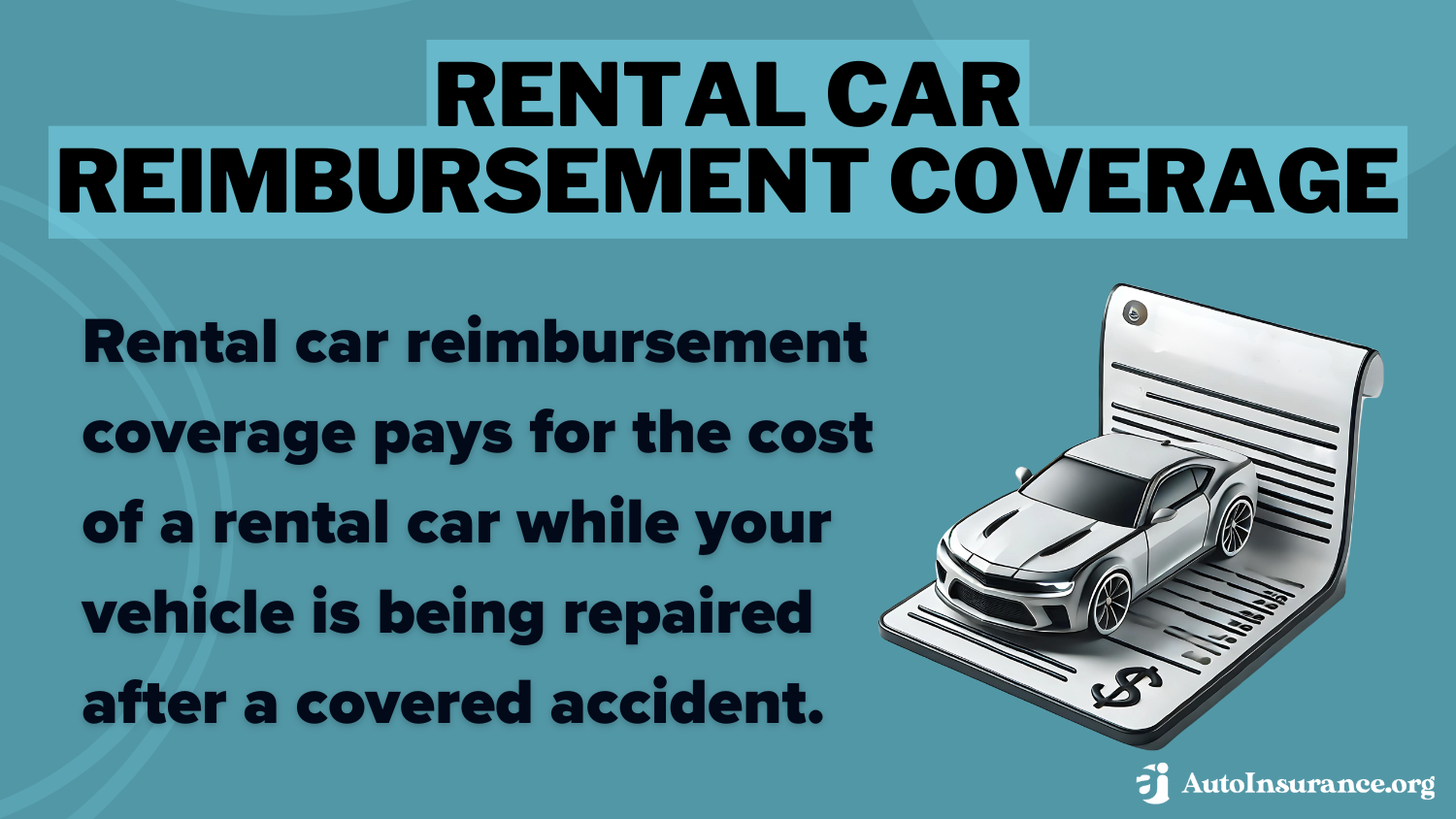
Ameriprise auto insurance—often provided through programs associated with Ameriprise Financial and underwritten by partners—typically offers rental car reimbursement as an optional coverage endorsement rather than a standard policy feature. If your vehicle is disabled due to a covered peril, this coverage helps manage the cost of a temporary replacement vehicle, subject to your chosen daily limits and total policy aggregate.
The Role of Rental Reimbursement Coverage
In the landscape of personal auto insurance, rental car coverage is categorized as a supplementary benefit. When a policyholder experiences a "loss of use" of their primary vehicle—usually following an accident, theft, or weather-related damage covered under comprehensive or collision sections of the policy—they require an alternative method of transportation.
Ameriprise, like many major insurers, provides this through a specific endorsement. It is vital to distinguish this from the coverage offered by rental car companies at the counter. The policy you purchase through an insurer covers the cost of the rental, whereas the rental company’s "Collision Damage Waiver" (CDW) or "Loss Damage Waiver" (LDW) protects against damage to the rental car itself. Understanding this distinction is the first step in avoiding gaps in your protection during a vehicle repair cycle.
Prerequisites and Eligibility
Not every policyholder is automatically entitled to rental car reimbursement. To access this benefit, you must have proactively added "Rental Reimbursement" or a similarly titled endorsement to your policy during your initial purchase or a subsequent renewal cycle.
The primary prerequisite for activating this coverage is that the damage to your vehicle must be a covered event. If your car is in the shop for routine maintenance, oil changes, or a mechanical breakdown that is not related to a covered insurance claim, your rental reimbursement coverage will typically not trigger. Furthermore, most policies require that your vehicle be non-drivable or undergoing significant repairs covered under the "Comprehensive" or "Collision" sections of your policy.
Defining Policy Limits and Daily Allowances
Insurance providers structure rental reimbursement with specific fiscal boundaries. When selecting your coverage levels, you are generally required to choose a daily maximum and a maximum total per occurrence.
For instance, a policy might offer a limit of $30, $40, or $50 per day, with an aggregate cap of $600 to $1,500 per claim. This implies that if you rent a vehicle costing $60 per day, but your policy limit is $40 per day, you are responsible for the $20 difference for every day the vehicle is in your possession.
These limits are designed to cover "comparable transportation." Insurers generally do not provide coverage for luxury vehicle rentals if your primary car is an economy model, unless your policy specifically accounts for higher tier replacements. Always verify your "Declarations Page"—a document outlining your specific coverage amounts—to understand your exact daily and aggregate caps before booking a rental vehicle.
Claims Procedure: How to Activate the Benefit
If you find yourself needing a rental, the sequence of events is critical to ensuring your expenses are reimbursable.
- Verify Coverage: Before visiting a rental agency, check your policy or speak with a representative to confirm your daily dollar limit.
- File the Primary Claim: Your rental reimbursement is contingent on a valid claim for vehicle repairs. Ensure the adjuster has logged the loss of use.
- Select an Agency: While you can often choose any reputable rental agency, some insurers have direct billing agreements with national chains (such as Enterprise, Hertz, or Avis). Using a preferred partner may allow the rental agency to bill the insurance company directly, removing the need for you to pay upfront.
- Retain Documentation: If you must pay out-of-pocket and seek reimbursement, save all itemized receipts. These must show the duration of the rental, the daily rate, and the total cost.
- Monitor Repair Progress: Ensure that the rental period does not extend unnecessarily beyond the time required to complete the authorized repairs. Insurers will not pay for additional rental days caused by delays in the shop’s service schedule that are not directly attributable to the insurance claim.
Comparing Insurance Coverage vs. Rental Counter Protection
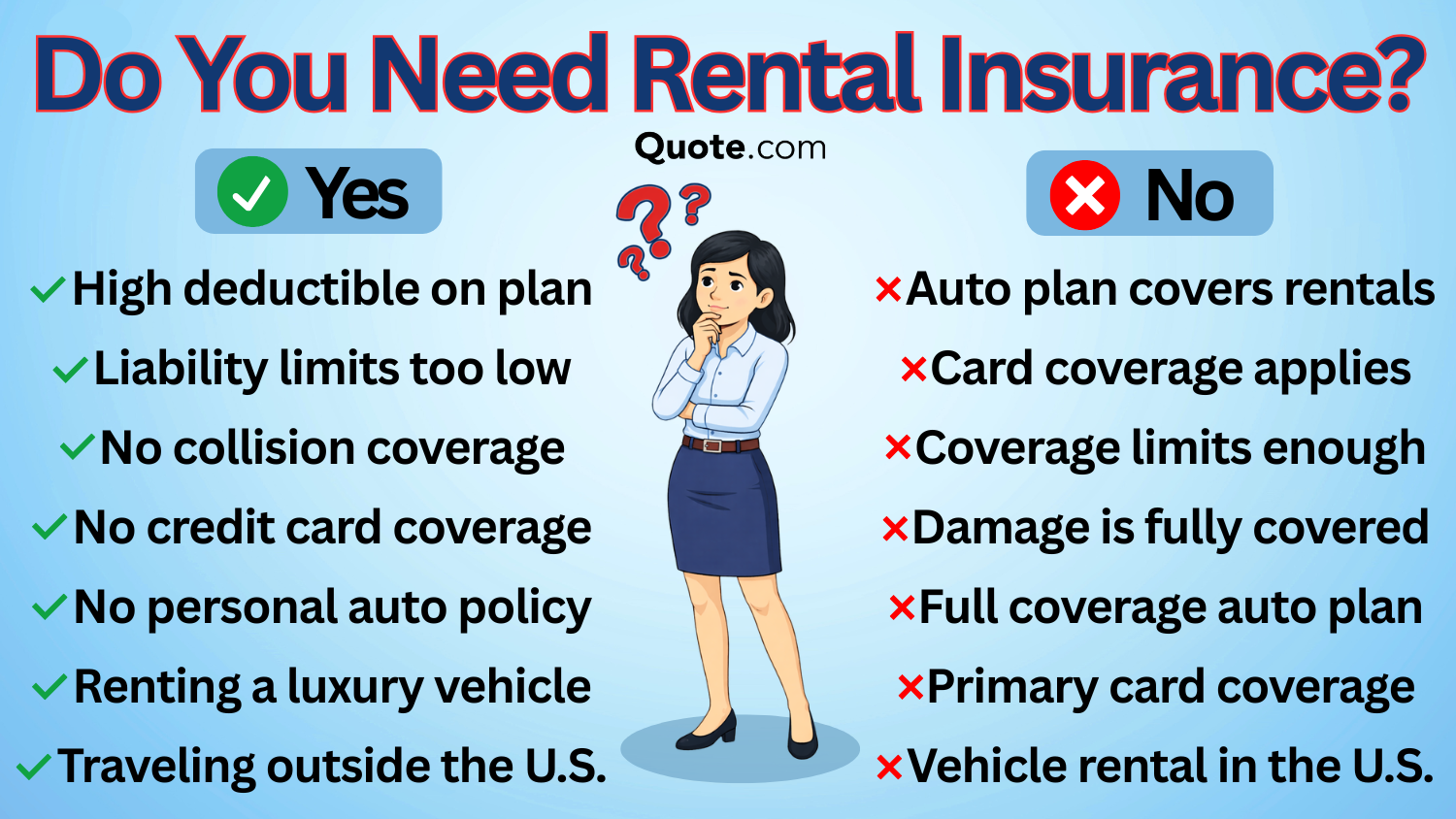
A frequent point of confusion for drivers is whether their existing auto policy covers the rental car itself.
- Liability Coverage: In most states, your personal auto insurance policy’s liability limits extend to a rental car you operate. If you hit another person or property, your standard policy generally follows you.
- Physical Damage (Collision/Comprehensive): Many personal policies also extend physical damage coverage to a rental vehicle. However, relying on this can be risky. If you are involved in an accident, a claim on your personal policy could result in premium increases or count as a surchargeable event.
- Loss of Use and Diminished Value: Rental companies often charge for "loss of use"—the revenue they lose while the car is being repaired after an accident. Many standard personal auto policies do not cover this fee, whereas the waiver sold at the rental counter usually does.
| Feature | Rental Reimbursement (On Policy) | Rental Counter Waiver (CDW/LDW) |
|---|---|---|
| Primary Purpose | Pays your cost to rent a car | Waives cost of damage to rental car |
| Activation | Triggered by a covered insurance claim | Triggered by any damage to the rental |
| Payment Method | Reimburses you or pays the agency | Fees added to your rental contract |
| Liability | Does not cover the rental car itself | May include limited coverage |
Common Mistakes to Avoid
Many policyholders assume that having "full coverage" automatically includes unlimited rental car benefits. This is a common misconception. "Full coverage" is a colloquial term that usually refers to having liability, collision, and comprehensive coverage, but it does not inherently guarantee the inclusion of rental reimbursement.
Another mistake is failing to notify the claims adjuster about the rental status. If you initiate a rental without authorization or during a period where your vehicle is not actively being repaired, you may be denied reimbursement. Always maintain clear lines of communication with your assigned claims handler.
Legal and Financial Considerations
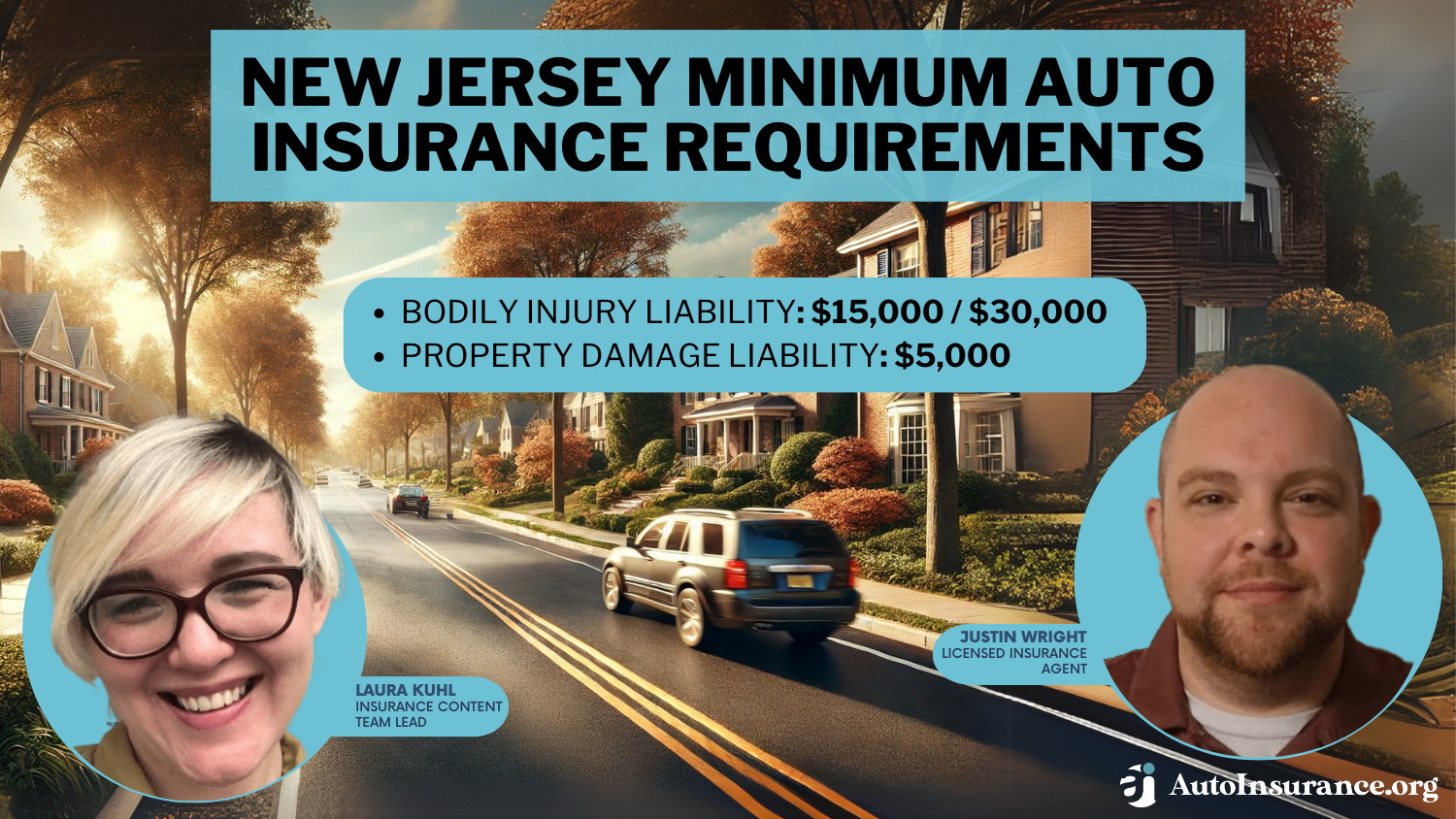
It is important to note that state insurance regulations vary significantly. In some jurisdictions, the minimum standards for auto policies include specific guidelines on how replacement transportation is handled. Additionally, if you have a loan or lease on your vehicle, your lender may have specific requirements regarding the types of coverage you must maintain. While rental reimbursement is optional, maintaining adequate coverage is a prudent financial decision to protect against the sudden, out-of-pocket costs of daily transportation during a repair period.
Frequently Asked Questions
Does my insurance policy cover rental car damage? In most cases, your personal auto policy's collision and comprehensive coverage extend to a rental car. However, this does not cover the rental agency’s administrative fees or "loss of use" charges. You should consult your policy documents to see if your coverage extends to rental vehicles or if you should purchase the rental company's waiver.
Is there a waiting period before I can get a rental? The "waiting period" is usually defined by the time your vehicle is considered "in the shop" for covered repairs. Coverage begins when your car is disabled by a covered loss and ends when the repairs are complete, or when you reach your policy's daily or total dollar limit.
What if the repair shop takes longer than expected? Insurers generally pay for the rental only for the time necessary to complete the repairs. If the repair shop experiences unexpected delays for parts or labor, the insurance company may conduct a review. It is essential to choose a reputable repair facility and stay in contact with your adjuster to manage expectations regarding the timeline.
Can I choose any rental car company? Generally, yes. However, using a rental agency that has a direct-billing arrangement with the insurer is highly recommended. If you choose an agency that does not bill the insurer directly, you will need to pay upfront and submit receipts for reimbursement, which can complicate the process.
Does rental reimbursement affect my insurance premiums? Adding rental reimbursement as an endorsement will increase your annual premium, as it adds a new layer of protection to your policy. However, using the coverage for a legitimate claim does not typically impact your "good driver" status in the same way a liability claim might, though policies vary by state and carrier.
Next Steps
To determine your current standing, locate your most recent Declarations Page. Look specifically for an entry labeled "Rental Reimbursement," "Transportation Expense," or "Loss of Use."
If you do not see this listed, and you believe it is necessary for your peace of mind, contact your insurance agent or log into your policy portal to review your coverage options. If you are currently in the middle of a claim, contact your claims representative immediately to receive authorization before securing a vehicle, ensuring that the rental agency you choose is approved for direct billing. By taking these steps, you ensure that you are not left with unexpected transportation expenses during an already stressful repair process.