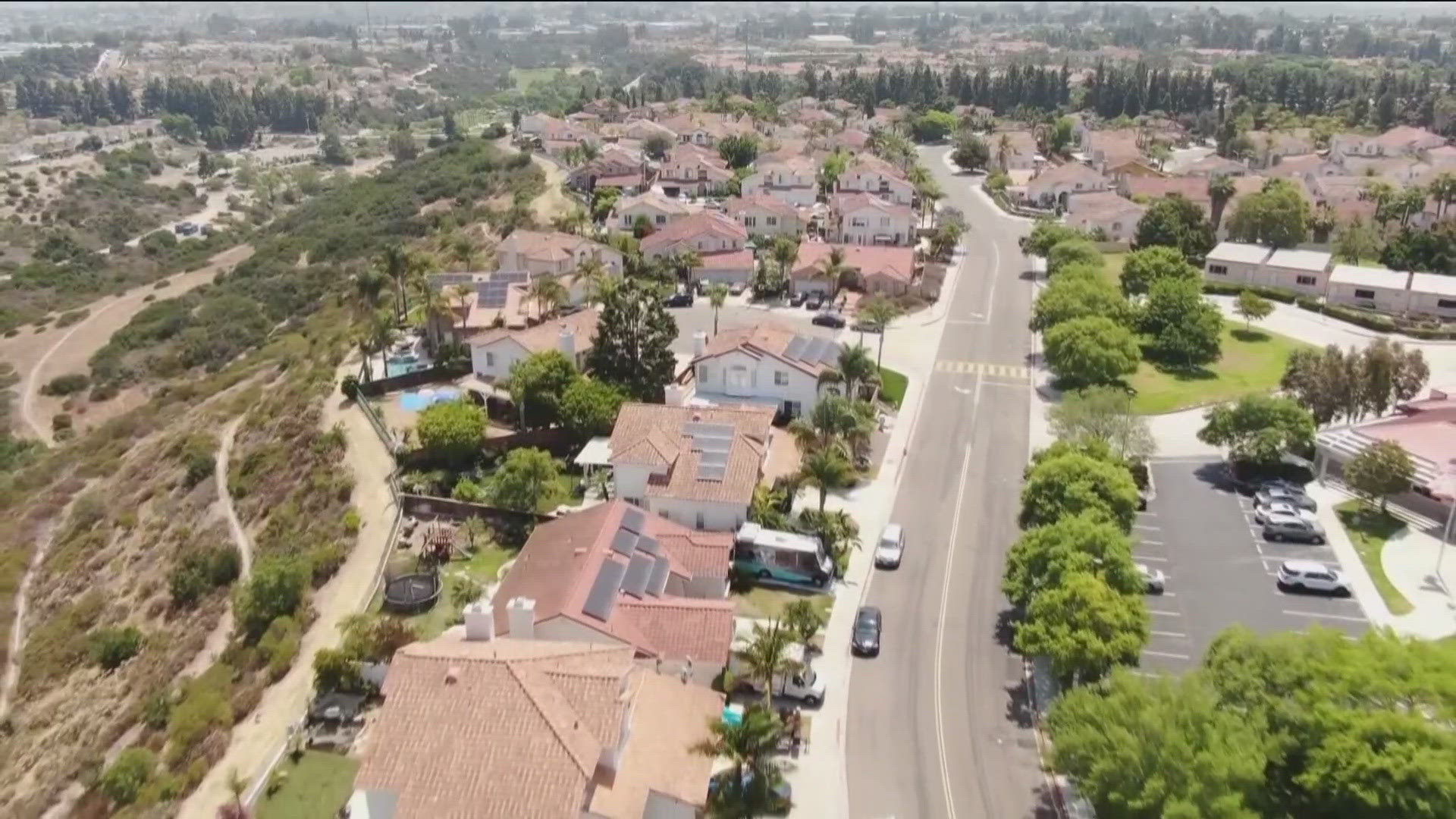
As of 2026, Allstate homeowners in California are navigating a transformed insurance landscape characterized by an average rate increase of approximately 34.1%, with some policyholders experiencing even higher adjustments. These hikes result from the California Department of Insurance (CDI) approving long-pending rate filings and implementing the Sustainable Insurance Strategy, which allows insurers to incorporate forward-looking catastrophe modeling and reinsurance costs into their premium calculations.
The insurance market in California has undergone a period of intense volatility and structural reform. For several years leading up to 2026, major carriers like Allstate and State Farm severely restricted new business or exited the market entirely, citing the state’s restrictive regulatory environment and the increasing frequency of climate-driven disasters. However, recent regulatory shifts have aimed to lure these carriers back, albeit at a significantly higher cost to the consumer. Understanding the mechanics of the Allstate home insurance California rate increase is essential for homeowners looking to protect their assets while managing rising household expenses.
The Drivers Behind Allstate’s 34.1% Average Increase
The substantial rate hike approved for Allstate is not an arbitrary figure; it is the culmination of several economic and environmental factors that converged to create a "perfect storm" for the insurance industry. By 2026, the effects of these drivers have been fully integrated into the standard premium structures.
Wildfire Risk and Catastrophe Modeling
For decades, California required insurance companies to set rates based solely on historical loss data. This "retrospective" approach became obsolete as climate patterns shifted, leading to more frequent and intense wildfires. Under the CDI’s new 2025-2026 guidelines, Allstate was permitted to use "catastrophe modeling." This technology uses computer simulations to predict future risk based on current vegetation levels, wind patterns, and housing density. Because these models often project higher risks than historical averages suggest, the resulting premiums have climbed sharply, particularly for homes in the wildland-urban interface (WUI).
Inflation and Reconstruction Costs
The cost of rebuilding a home in California has outpaced general inflation. Labor shortages in the construction sector, combined with the rising cost of materials like lumber, copper, and specialized roofing, mean that a total loss claim in 2026 is significantly more expensive for Allstate to settle than it was five years ago. Insurers are required to maintain solvency, meaning they must collect enough in premiums to cover these potentially massive payouts. When the replacement value of homes increases across the state, the premium base must rise proportionally to ensure the company remains financially viable.
The Cost of Reinsurance
Insurance companies also buy insurance for themselves, a practice known as reinsurance. Historically, California did not allow insurers to pass the cost of global reinsurance directly to consumers. However, as part of the state's recent regulatory reforms, companies like Allstate can now include a portion of these costs in their rate filings. Since global reinsurance rates have spiked due to worldwide natural disasters, this expense has become a major component of the 2026 rate increases for California policyholders.
The Sustainable Insurance Strategy: A New Regulatory Era
To understand why Allstate’s rates jumped so significantly, one must look at the "Sustainable Insurance Strategy" spearheaded by California Insurance Commissioner Ricardo Lara. By 2026, this strategy has become the operational standard for the state.
The strategy was designed as a "grand bargain." In exchange for the ability to use catastrophe modeling and pass through reinsurance costs—tools that insurers have long demanded—companies like Allstate committed to writing more policies in distressed areas. Specifically, the agreement requires major insurers to offer coverage in high-risk zones at a level equal to at least 85% of their statewide market share.
While this has improved availability—making it easier for homeowners in fire-prone areas to find a policy other than the California FAIR Plan—it has come at the cost of affordability. The 34.1% average increase was essentially the "price of admission" for Allstate to resume normal operations and help de-populate the over-leveraged FAIR Plan.
Comparing Allstate’s 2026 Rates to Market Averages
The following table outlines how Allstate’s recent rate adjustments compare to broader market trends and the California FAIR Plan for a standard $500,000 dwelling coverage policy (estimates based on 2026 market data).
| Provider | Average Annual Premium (Standard Risk) | Average Annual Premium (High Fire Risk) | Primary Rate Driver in 2026 |
|---|---|---|---|
| Allstate | $2,450 | $5,800+ | Catastrophe Modeling & Reinsurance |
| State Farm | $2,600 | $6,100+ | Non-renewal stabilization & Legacy Claims |
| CA FAIR Plan | $4,200 | $8,500+ | Last-resort pricing & Surcharges |
| Regional Carriers | $2,200 | N/A (Limited availability) | Lower overhead/Selective underwriting |
Note: These figures are averages. Actual premiums vary based on specific ZIP codes, home age, and individual mitigation efforts.
Impact on Policyholders and Non-Renewal Trends
The 2026 rate increases have a dual impact. For those who were previously unable to find private insurance, the return of Allstate to the market provides a path away from the FAIR Plan, which often offers less comprehensive coverage at higher prices. For existing Allstate customers, however, the "rate shock" can be significant.
The Shift from Non-Renewals to Rate Hikes
In 2023 and 2024, the primary concern for California homeowners was non-renewal. Allstate and others were dropping thousands of policies in high-risk areas to limit their exposure. By 2026, the trend has shifted. Instead of receiving a non-renewal notice, many homeowners are receiving renewal offers with massive premium increases. While the coverage is technically available, the cost has forced some homeowners to increase their deductibles or reduce coverage limits to stay within budget.
Mandatory "Home Hardening" Discounts
One silver lining in the 2026 regulatory environment is the enforcement of California Insurance Regulation 2644.9. This law requires insurers like Allstate to provide transparent discounts to homeowners who invest in "home hardening."
To qualify for these discounts, homeowners typically must:
- Install Class A fire-rated roofing.
- Enclose eaves and install ember-resistant vents.
- Maintain a five-foot "defensible space" zone around the structure that is free of combustible materials.
- Join a "Firewise USA" recognized community.
Allstate is now required to disclose the risk score assigned to a property and explain exactly how a homeowner can lower that score to achieve a premium reduction.
Strategies for Managing Higher Premiums in 2026
If you are facing a significant increase in your Allstate bill, there are several proactive steps you can take to mitigate the financial impact.
- Request Your Risk Score: Under current California law, you have the right to see the wildfire risk score Allstate uses to determine your rate. If the score is based on outdated information (e.g., it doesn't account for a recent brush clearance project), you can appeal it.
- Bundle and Save: Allstate remains one of the most competitive carriers for bundling homeowners and auto insurance. In 2026, multi-policy discounts can often offset 10% to 15% of the homeowners' insurance hike.
- Review Dwelling Limits: Ensure your "Coverage A" (Dwelling) reflects the actual cost to rebuild, not the market value of the home. In some cases, as the real estate market fluctuates, homeowners find themselves over-insured for the actual structural replacement cost.
- Increase Deductibles: Shifting from a $1,000 deductible to a $2,500 or $5,000 deductible can significantly lower the annual premium. However, this should only be done if you have the savings available to cover that amount in the event of a claim.
- Audit Your Discounts: Ensure all possible discounts are applied, including those for home security systems, smoke detectors, and "loyalty" credits if you have been with Allstate for many years.
The Role of the California Department of Insurance (CDI)
The CDI continues to monitor Allstate's rate implementation to ensure it adheres to the "prior approval" process mandated by Proposition 103. While the department has allowed these 2026 increases, they are subject to public hearings if the increase exceeds certain thresholds.
The primary goal of the California Department of Insurance in 2026 is to move the market toward a "new normal" where rates are high enough to keep companies in the state, but regulated enough to prevent price gouging. Consumers who feel their rate increase is unjustified can file a formal complaint with the CDI, which triggers a review of the specific policy rating.
FAQs About Allstate’s California Rate Changes
Why did Allstate raise rates so significantly in 2026?
The increase is largely a response to the "Sustainable Insurance Strategy" which allows Allstate to finally account for modern wildfire risks and the cost of reinsurance. Years of suppressed rates, combined with massive losses from previous fire seasons and rising construction costs, made the previous rate structure unsustainable.
Is Allstate writing new home insurance policies in California again?
Yes, as of 2026, Allstate has resumed writing new homeowners policies in many parts of California. This return was conditional on the approval of higher rates and the ability to use forward-looking risk models. However, they remain selective in the highest-risk zones.
How do I know if my Allstate rate increase is legal?
All rate increases in California must be approved by the Insurance Commissioner. Allstate must submit thousands of pages of data to justify any hike. If the increase is approved, it is legally enforceable, though you have the right to request a breakdown of how your specific premium was calculated.
Can I lower my rate by "hardening" my home?
Yes. California law requires Allstate to offer discounts for specific wildfire mitigation steps. By installing ember-resistant vents, clearing defensible space, and upgrading your roof, you can qualify for mandatory discounts that can help offset the 2026 rate hikes.
What should I do if I can't afford the new Allstate premium?
First, contact your Allstate agent to look for discount opportunities or adjust your deductible. If the premium is still too high, shop the market. While most major carriers have raised rates, some smaller or regional insurers may have different underwriting criteria that could result in a lower quote for your specific property.
Final Recommendations for California Homeowners
The 2026 Allstate home insurance rate increase is a reflection of a broader "re-pricing" of risk in the American West. While the cost of protection has risen, the stability of the market has improved compared to the crisis years of 2023-2024.
To navigate this period, homeowners should prioritize mitigation and documentation. Take photos of your defensible space, keep receipts for home improvements like new roofing or vent screens, and present this evidence to your insurance agent. In this new regulatory environment, the more you do to reduce the physical risk to your property, the more leverage you have to demand a lower premium. Finally, always compare your Allstate renewal quote with at least two other carriers to ensure you are receiving the most competitive rate available in your specific ZIP code.