Allotment loans are specialized personal loan products that utilize the payroll deduction system to ensure repayment, often marketed specifically to federal employees who have experienced credit challenges. Because the payment is automatically deducted from the employee's paycheck before it reaches their bank account, these loans may be available to individuals with lower credit scores who might otherwise struggle to qualify for traditional unsecured financing.
Understanding the Payroll Allotment System
The foundation of these loans is the U.S. Office of Personnel Management (OPM) payroll allotment system. An allotment is a recurring deduction from a federal employee's pay. While typically used for savings bonds, union dues, or health insurance premiums, private lenders have historically utilized these systems to secure repayment on personal loans.
For a borrower with bad credit, the allotment acts as a mechanism of "forced" reliability. Since the funds never hit the borrower's personal checking account, the risk of non-payment due to insufficient funds or poor budget management is significantly reduced for the lender. From the employee’s perspective, this provides a pathway to credit that is generally insulated from the day-to-day volatility of their liquid cash flow.
Why Credit Scores Affect Federal Employee Loans
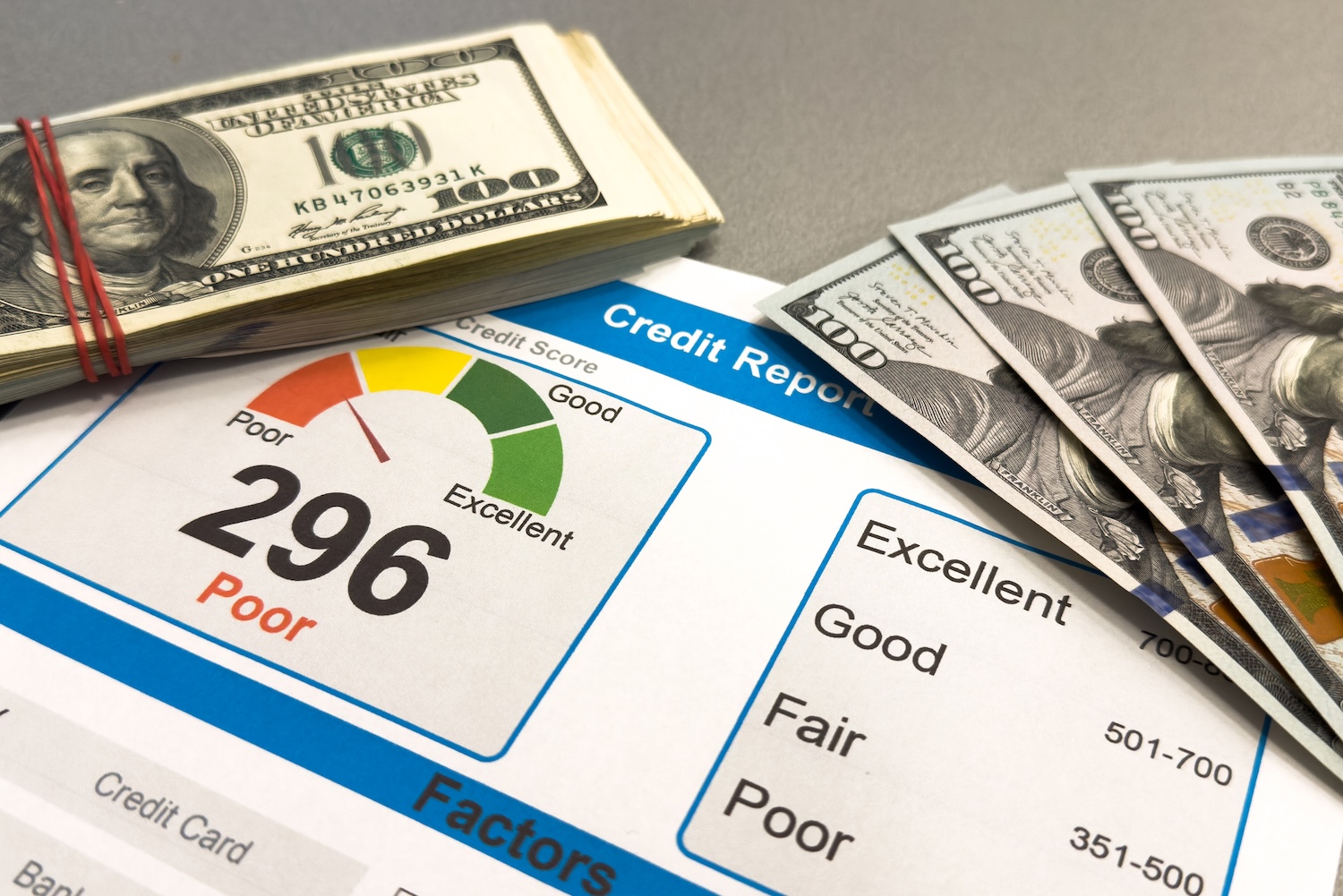
When you apply for a standard personal loan through a commercial bank, the institution relies heavily on your FICO or VantageScore to predict your likelihood of default. If you have a low score—often resulting from late payments, high debt utilization, or previous bankruptcies—most traditional banks view you as a "high-risk" applicant.
In the niche market of allotment loans, lenders often pivot from a strictly credit-score-based approval model to a cash-flow-based model. They are essentially betting on the stability of federal employment. Because a federal job is typically considered a stable, long-term source of income, lenders feel comfortable extending credit to applicants with credit scores that would be rejected by prime-rate lenders. However, this convenience often comes with higher interest rates and stricter terms regarding the duration of your federal service.
Prerequisites for Eligibility
Before seeking an allotment loan, you must verify that you meet the baseline requirements set by specialized lenders. These requirements are usually more rigid regarding employment status than credit history:
- Federal Employment Verification: You must be a current, permanent federal employee. Many lenders require that you have completed your probationary period.
- Active Paycheck Allotment: You must have the ability and willingness to set up a payroll allotment through your agency's payroll provider (such as the National Finance Center).
- Income Documentation: Recent Leave and Earnings Statements (LES) will be required. These serve as proof of income and help the lender calculate your Debt-to-Income (DTI) ratio.
- Credit History Minimums: While "bad credit" is acceptable, "no credit" or "deeply compromised credit" (such as active garnishments or severe recent defaults) may still be a disqualifier for some lenders.
Comparing Financing Options
| Loan Type | Primary Security | Typical Interest Rates | Approval Basis |
|---|---|---|---|
| Allotment Loan | Payroll Deduction | High to Very High | Employment/Income |
| Personal Loan (Bank) | Credit Profile | Low to Moderate | Credit Score |
| Credit Union Loan | Relationship/History | Moderate | Score & History |
| Salary Advance | Immediate Paycheck | Extremely High | Immediate Income |
The Mechanics of the Application Process
The process is distinct from applying for a standard personal loan. First, you locate a lender that explicitly supports the federal allotment process. Once you submit your documentation, the lender evaluates your "net pay" after existing allotments and mandatory deductions.
If approved, the lender provides the terms of the loan agreement, including the APR and the exact dollar amount that will be deducted from your bi-weekly pay. You must then submit an authorization form to your agency’s HR or payroll portal to initiate the allotment. It is important to note that you remain responsible for the loan even if you change agencies or experience a payroll system glitch.
Risks and Considerations
The primary risk associated with allotment loans for federal employees with bad credit is the cost of borrowing. Because the interest rates can be significantly higher than those of a standard credit union loan, the total cost of repayment over the life of the loan can be substantial.
Furthermore, relying on allotments can create a "budget trap." Because the deduction is automatic, it reduces your take-home pay for the duration of the loan. If you experience an emergency expense, you may find that your remaining paycheck is insufficient to cover your needs, potentially forcing you to take out additional loans, which creates a cycle of debt.
Additionally, always verify the legitimacy of the lender. Some predatory lenders target federal employees specifically because they know their income is stable. Avoid any "loan" that requires upfront fees or asks for your government login credentials. A legitimate lender will only ask for your LES and may require you to set up the allotment yourself through your official payroll system.
Troubleshooting and Managing Your Allotment
If you encounter issues—such as the allotment not reflecting in your paycheck or an overpayment—you must act quickly. First, contact your agency’s payroll office to confirm the status of the deduction. Second, contact your lender immediately to ensure they do not report a "missed payment" to credit bureaus while the payroll system is being updated.
If you find that an allotment is causing you financial hardship, you generally have the right to cancel the allotment. However, failing to pay the loan through other means will trigger the default provisions of your contract. Always review the "early payoff" and "cancellation" clauses of your loan agreement before signing.
Frequently Asked Questions
Are allotment loans the same as payday loans? While both often cater to individuals with bad credit, they function differently. Allotment loans are typically installment loans tied to your specific pay cycle, whereas payday loans are often short-term, high-interest balloon payments. Always check the APR and term length to understand the actual cost.
Will an allotment loan improve my credit score? If the lender reports your on-time payments to the major credit bureaus, an allotment loan can help rebuild your credit. However, if the lender does not report payments, you will not see an improvement in your score despite the reliability of your payments. Ask the lender about their reporting policies before applying.
Can I get an allotment loan if I am a temporary or seasonal federal employee? Most lenders require permanent, non-probationary status. Temporary or seasonal employees represent a higher risk to the lender because their employment is not guaranteed, making them ineligible for most, if not all, allotment-based lending programs.
What happens to my loan if I retire or leave federal service? Your loan agreement will contain specific terms regarding employment separation. Typically, the total balance may become due immediately, or the payment schedule will revert to standard ACH bank withdrawals. Read your contract carefully to understand the consequences of leaving federal service.
Is my data safe when using an allotment loan? Reputable lenders will use secure portals to collect your LES and other personal data. However, never provide your password for your payroll portal (like MyPay or similar systems) to a lender. You should always be the one to initiate the allotment through your agency’s secure government interface.
Recommended Next Steps
If you are a federal employee considering an allotment loan, follow these steps to protect your financial health:
- Check Credit Union Options: Before choosing an allotment loan, contact a federal credit union. Even with bad credit, these institutions often offer lower-interest "debt consolidation" or "personal loan" programs specifically for federal employees that do not always require the high-cost structure of private allotment lenders.
- Audit Your Budget: Determine if you truly need the loan or if a temporary reduction in non-essential spending could solve your cash-flow gap.
- Review the APR: Do not just look at the monthly payment amount. Focus on the Annual Percentage Rate (APR). If the APR is triple-digit, evaluate if the loan will create a long-term debt trap.
- Verify the Lender: Ensure the company is licensed to operate in your state. You can check the Consumer Financial Protection Bureau (CFPB) database or your state’s financial regulator to ensure the lender is in good standing.
Disclaimer: This information is for educational purposes only and does not constitute financial or legal advice. Loan terms, interest rates, and eligibility requirements vary by lender and individual circumstances. Consult with a qualified financial advisor before entering into any high-interest debt agreement.