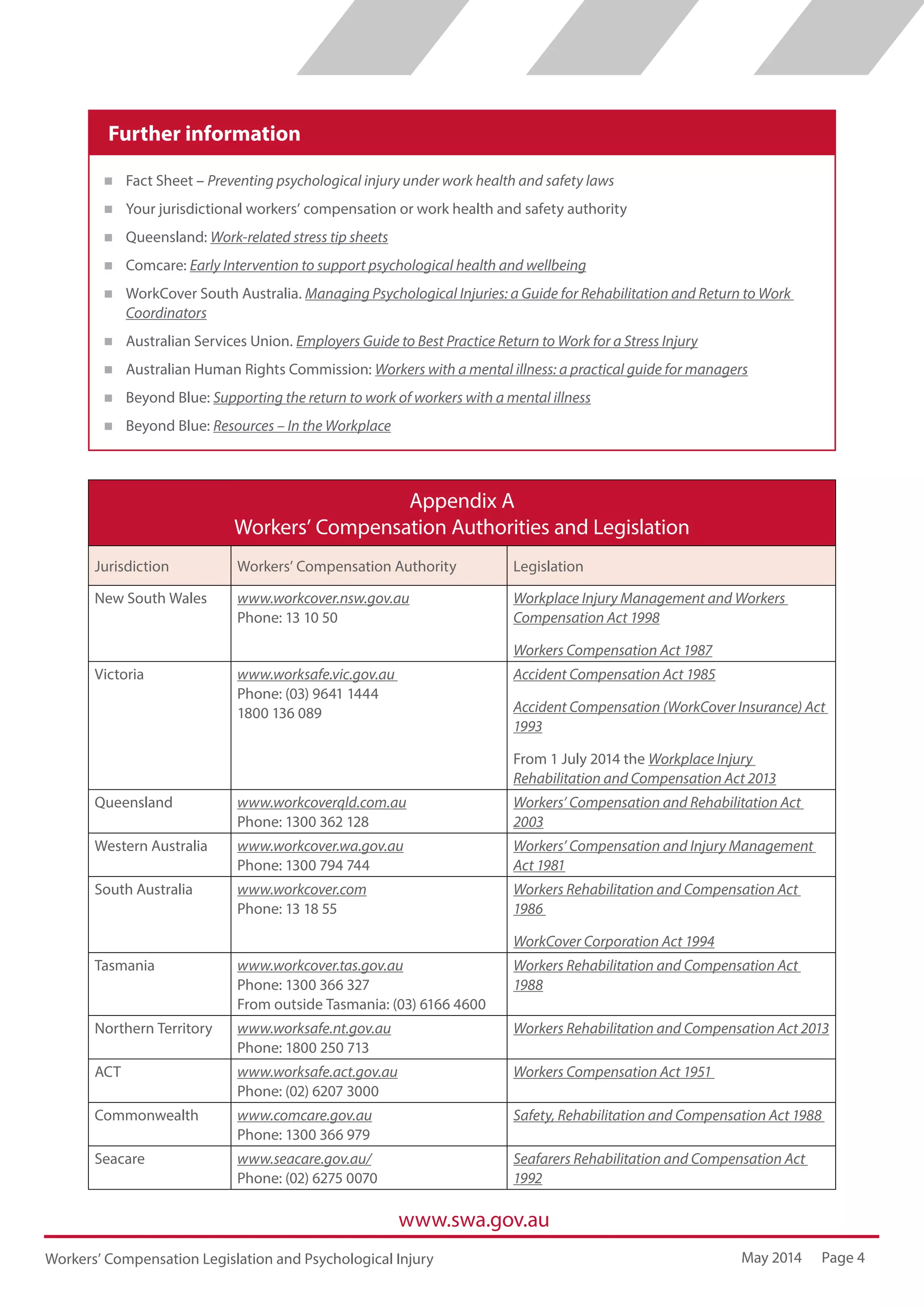
In Victoria, Allianz acts as an authorized agent for WorkSafe Victoria, administering workers' compensation insurance policies and claims under the state's legislative framework. Whether you are an employer managing premiums or an injured worker seeking support, Allianz facilitates the delivery of benefits, rehabilitation services, and policy compliance mandated by the Workplace Injury Rehabilitation and Compensation Act 2013.
Understanding the Role of Allianz in Victoria’s WorkSafe Scheme
To navigate workers' compensation in Victoria, it is essential to understand that insurance is not "private" in the traditional sense. The Victorian workers' compensation scheme is a centralized system managed by WorkSafe Victoria. However, WorkSafe appoints several "Agents"—of which Allianz is one of the largest—to perform the day-to-day operations of the scheme.
As an agent, Allianz does not set its own independent policy rules or benefit rates. Instead, they apply the regulations and fee structures determined by the Victorian Government. For an employer, Allianz is the entity that issues your premium notices and manages your policy. For a worker, Allianz is the organization that assesses your claim, pays your weekly benefits, and approves medical treatments.
The partnership between WorkSafe and Allianz is designed to leverage Allianz's global insurance expertise while maintaining a consistent, state-wide safety net. In 2026, this model remains the cornerstone of Victorian workplace relations, ensuring that every worker is protected regardless of their employer's size or industry.
For Employers: Managing Your Allianz WorkSafe Policy
If your business operates in Victoria and you pay (or expect to pay) more than $7,500 a year in rateable remuneration, or if you employ apprentices or trainees, you are legally required to have a WorkSafe insurance policy. Choosing or being assigned to Allianz means you will interact with their specialized Victorian teams for all administrative matters.
Registration and Policy Setup
Establishing a policy involves declaring your estimated remuneration for the 2026 financial year. Remuneration includes not just base salaries, but also superannuation, bonuses, commissions, and certain fringe benefits. Allianz provides digital tools via their Employer Online portal to simplify this process. Accurate reporting is critical; underestimating your remuneration can lead to "under-declaration" penalties, while overestimating may unnecessarily restrict your business's cash flow.
Calculating Premiums in 2026
Your premium is not a flat fee. It is calculated based on a complex formula that considers:
- Industry Classification: Your business is assigned a WorkSafe Industry Classification (WIC) code based on your primary activity. Each WIC has a specific industry rate.
- Remuneration: The total amount you pay your staff.
- Performance Rating: For larger employers, your individual claims history is compared against the industry average. If your workplace is safer and has fewer claims than your peers, you may receive a discount. Conversely, a poor safety record will lead to higher premiums.
Allianz assists employers in understanding these drivers. In 2026, many businesses are focusing on "Experience Rating" optimization. By investing in proactive OHS (Occupational Health and Safety) measures, employers can reduce the frequency and severity of injuries, which Allianz reflects in lower future premium costs.
Annual Renewals and Deadlines
The Victorian WorkSafe cycle typically follows the financial year.
- July: Allianz issues your premium renewal notice based on your estimated remuneration.
- August/September: Deadline for submitting your "Actual Remuneration" for the previous financial year.
- Ongoing: Adjustments are made if the actual figures differ from the estimates.
Failure to maintain a valid policy through Allianz can result in significant fines and the requirement to pay the full cost of any claims incurred while uninsured.
Navigating the Allianz Workers' Compensation Claims Process
When a workplace injury occurs, the claims process must be handled with precision to ensure the worker receives support and the employer remains compliant with the Workplace Injury Rehabilitation and Compensation Act 2013.
Steps for the Injured Worker
If you are injured at work or suffer from a work-related illness in Victoria, your priority is medical attention. To initiate a claim through Allianz:
- Seek Treatment: See a doctor and obtain a WorkSafe Certificate of Capacity. This is the primary document Allianz uses to determine your fitness for work.
- Report the Injury: Notify your employer in writing within 30 days of becoming aware of the injury.
- Complete the Claim Form: Fill out the "Worker’s Injury Claim Form." You can submit this directly to your employer.
- Submission to Allianz: Once your employer receives the form, they have 10 calendar days to forward it to Allianz.
Steps for the Employer
Upon receiving a claim, the employer's role is administrative and supportive:
- Record the Injury: Enter the details in your "Register of Injuries."
- Acknowledge Receipt: Provide the worker with a signed copy of the claim form.
- Lodge with Allianz: Forward the claim form, any Certificates of Capacity, and the employer's section of the claim to Allianz within the 10-day window.
- The Excess: For most minor claims, the employer must pay the "employer excess," which usually covers the first few days of weekly payments and a capped amount of medical expenses. Employers can opt to buy out this excess at the start of their policy year.
How Allianz Assesses the Claim
Once Allianz receives the documentation, they have 28 days to accept or reject the claim. During this period, they may appoint an investigator or request an independent medical examination (IME). They will communicate with both the worker and the employer to clarify the circumstances of the injury and the path toward recovery.
Key Benefits and Entitlements in 2026
The Victorian scheme is designed to provide "no-fault" coverage, meaning a worker is generally entitled to benefits regardless of who caused the accident, provided the injury is work-related.
| Benefit Type | Description | Duration/Conditions |
|---|---|---|
| Weekly Payments | Compensation for lost wages if you cannot work. | Generally 95% of pre-injury earnings for 13 weeks, then 80% up to 130 weeks. |
| Medical Expenses | Coverage for GP visits, surgery, physiotherapy, and medication. | Must be "reasonable" and related to the specific work injury. |
| Rehabilitation | Occupational therapy, workplace modifications, and retraining. | Focused on achieving a sustainable Return to Work (RTW). |
| Lump Sums | For permanent impairment or non-economic loss. | Subject to specific "Whole Person Impairment" (WPI) thresholds. |
| Common Law | Damages for pain, suffering, and loss of future earnings. | Only available for "serious injuries" involving negligence. |
Weekly payments in 2026 are subject to maximum caps set by WorkSafe Victoria. Allianz is responsible for calculating these payments based on the worker's Pre-Injury Average Weekly Earnings (PIAWE). It is vital for workers to provide accurate payslips to ensure these calculations are correct.
Rights and Responsibilities: The Return to Work (RTW) Focus
The ultimate goal of the Allianz-managed WorkSafe policy is to return the injured employee to safe and sustainable work. This is a collaborative effort.
Employer Obligations
Employers have a legal "Duty to Support" the worker. This includes:
- Planning for RTW: Identifying suitable duties that match the worker's current capacity.
- Consultation: Talking with the worker, their doctor, and Allianz about the RTW plan.
- Employment Obligation Period: For a period of 52 weeks (of the worker's incapacity), the employer must provide suitable employment if the worker has some capacity, or pre-injury employment if they fully recover.
Worker Obligations
Workers also have responsibilities to maintain their entitlement to benefits:
- Active Participation: You must participate in medical assessments and rehabilitation programs.
- Making Efforts: You must make reasonable efforts to return to work in suitable duties as they are identified.
- Consistency: Providing ongoing Certificates of Capacity to Allianz to justify continued benefits.
Allianz provides Return to Work specialists who act as mediators and coordinators, helping to bridge the gap between medical restrictions and operational requirements in the workplace.
Dispute Resolution and Support Services
Not every claim is straightforward. If Allianz rejects a claim, terminates weekly payments, or refuses to fund a specific surgery, there are formal channels for dispute.
- Internal Review: You can ask Allianz to conduct an internal review of their decision. A different staff member will look at the evidence to see if the original decision was correct.
- Workplace Injury Commission (WIC): If the internal review does not resolve the issue, the matter can be taken to the Workplace Injury Commission for conciliation. This is a free, independent service that helps parties reach an agreement.
- Medical Panels: If the dispute is purely medical (e.g., "is the worker fit for light duties?"), the WIC may refer the matter to a Medical Panel, whose decision is final and legally binding.
- Magistrates’ Court: Legal action is typically a last resort if conciliation through the WIC fails.
Employers and workers can also seek guidance from WorkSafe Victoria directly if they feel the agent (Allianz) is not meeting its service standards.
FAQ
Can an employer choose to switch from Allianz to another agent?
Yes. Employers in Victoria generally have the option to change their WorkSafe agent (e.g., from Allianz to EML or Gallagher Bassett) during specific windows, usually around the end of the financial year. However, the underlying policy rules, premiums, and benefits remain identical because they are set by WorkSafe Victoria, not the agent.
Does Allianz cover mental health injuries in Victoria?
Yes. Work-related mental health injuries, such as post-traumatic stress disorder (PTSD), depression, or anxiety caused by workplace stress or bullying, are covered under the Victorian scheme. Since 2021, Victorian laws have also allowed for "provisional payments" for mental health claims, meaning Allianz may pay for initial medical treatment while the claim is still being assessed.
What happens if my injury occurred while working from home?
In 2026, the "workplace" is broadly defined. If you were injured while performing work duties at home, you are generally covered. However, the injury must "arise out of or in the course of employment." Allianz will examine whether the activity you were doing at the time of the injury had a significant connection to your job.
How long can I receive medical expenses from Allianz?
Medical expenses are typically covered for as long as they are "reasonable and necessary" for your work-related injury. Even if your weekly payments for lost wages cease (for example, after 130 weeks), you may still be entitled to ongoing medical coverage if your condition requires it.
Are subcontractors covered by my Allianz policy?
This is a complex area of Victorian law. In many cases, "contractors" are deemed to be "workers" for insurance purposes if they provide labor-only services. Allianz provides a "Deemed Worker" test to help employers determine if they need to pay premiums for their subcontractors.
Practical Recommendation for 2026
For employers, the most effective way to manage your Allianz workers' compensation costs is through early intervention. When an injury occurs, contact Allianz within 24 hours. Early reporting often leads to better medical outcomes and faster returns to work, which protects your performance rating and keeps premiums low. Ensure your OHS policies are updated for 2026 standards, particularly regarding psychological safety.
For workers, transparency is key. Maintain open communication with your Allianz case manager and provide your Certificates of Capacity on time. If you encounter difficulties, utilize the Workplace Injury Commission early in the process to avoid prolonged disputes.
Disclaimer: This article provides general information about Victorian workers' compensation and is not a substitute for legal or financial advice. Jurisdictional rules are governed by WorkSafe Victoria and the Workplace Injury Rehabilitation and Compensation Act 2013.