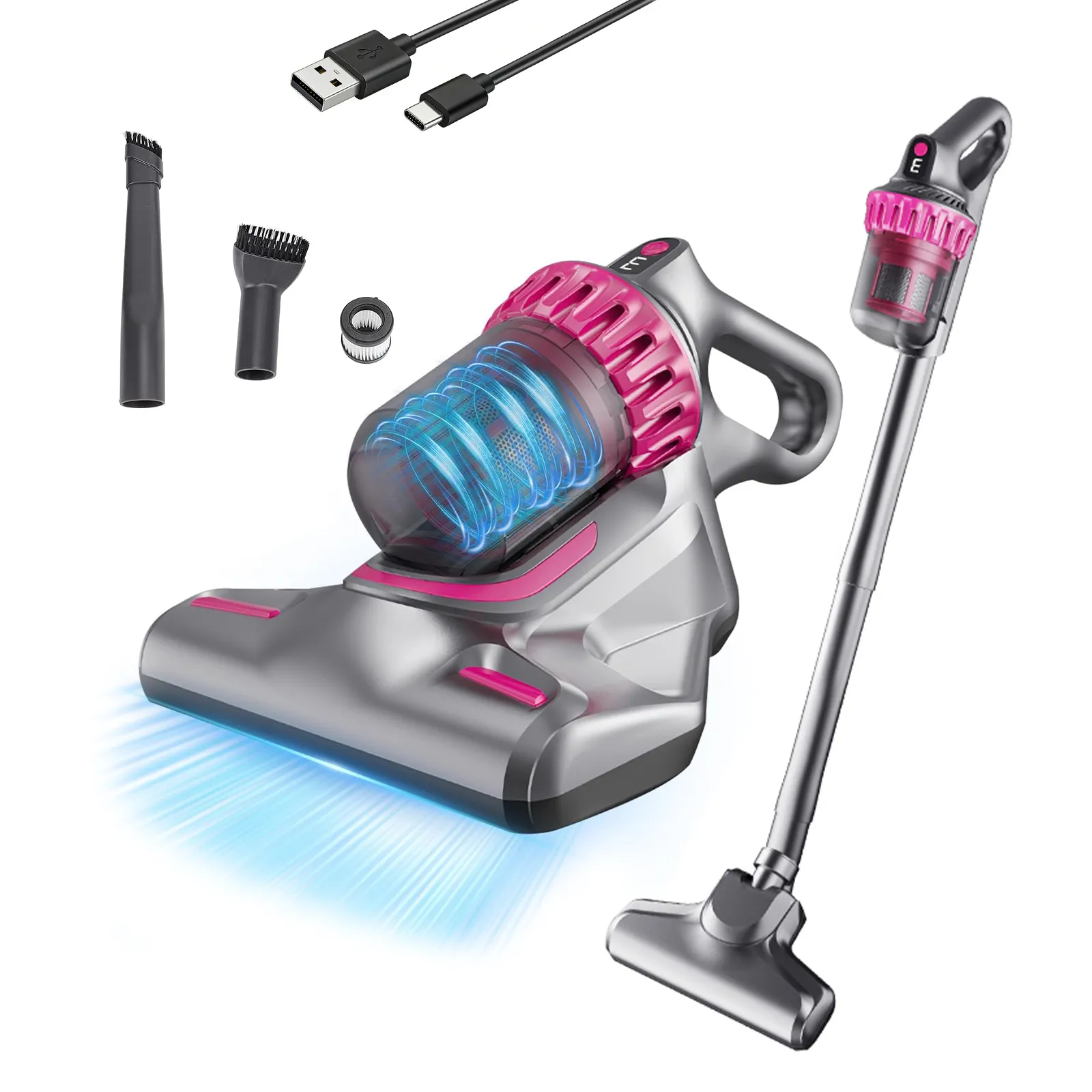
An effective allergy vacuum cleaner must feature a certified HEPA filter and a completely sealed system to ensure captured allergens are not exhausted back into the room. To alleviate symptoms, prioritize models that utilize self-sealing bags and high-suction motors capable of removing microscopic triggers like dust mite dander and pet allergens from deep carpet fibers.
The Science of Filtration: Why HEPA Matters
When discussing vacuum cleaners for allergy sufferers, the term HEPA (High-Efficiency Particulate Air) is the gold standard. However, by 2026, the market distinguishes between "HEPA-type" filters and "True HEPA" or "Certified HEPA" systems. For an individual with respiratory sensitivities or asthma, this distinction is critical.
A True HEPA filter is theoretically capable of removing at least 99.97% of dust, pollen, mold, bacteria, and any airborne particles with a size of 0.3 microns. To put this in perspective, a human hair is roughly 50 to 70 microns in diameter. The 0.3-micron benchmark is used because it represents the "most penetrating particle size" (MPPS)—particles that are neither large enough to be easily trapped by simple mesh nor small enough to move in ways that make them hit filter fibers through Brownian motion.
The Physics of Particle Capture
HEPA filters do not work like a simple sieve. They utilize three distinct mechanisms to trap allergens:
- Interception: Larger particles follow the airflow but come within one radius of a filter fiber and stick to it.
- Impaction: Heavy particles cannot navigate the quick turns of the air path through the dense fiber mat and instead crash directly into the fibers.
- Diffusion: The smallest particles (below 0.1 microns) collide with gas molecules, causing them to move erratically. This increases the likelihood that they will eventually strike a fiber and remain trapped.
For those managing severe allergies, look for H13 or H14 medical-grade HEPA filtration. These standards, commonly used in 2026 high-end canister and upright models, offer even higher retention rates, ensuring that the air exiting the vacuum is often cleaner than the air entering it.
The Critical Importance of a Completely Sealed System
A high-quality HEPA filter is essentially useless if the vacuum cleaner’s body allows air to leak through gaps in the housing, hinges, or around the filter frame itself. This is known as a "bypass" issue. If the vacuum is not a Completely Sealed System, the internal pressure created by the motor will force allergen-laden air out of these microscopic cracks before it ever reaches the HEPA filter.
When evaluating a vacuum, look for manufacturers that specifically advertise "Advanced Allergen Seals" or "Anti-Allergen Complete Seal Technology." These units utilize rubber gaskets and airtight construction to ensure that 100% of the air sucked into the machine passes through the entire filtration sequence.
In technical testing, a vacuum with a high-grade HEPA filter but a poor seal can actually increase the concentration of airborne allergens in a room by "kicking up" settled dust and then spraying it back out in a finer, more breathable mist. For this reason, a sealed system is just as important—if not more so—than the filter rating itself.
Bagged vs. Bagless: Navigating the Allergy Debate
One of the most persistent debates in vacuum technology involves the collection method. While bagless vacuums have become highly popular for their convenience and lack of recurring costs, the bagged vacuum remains the preferred choice for allergy specialists and clinical environments in 2026.
The Case for Bagged Vacuums
Bagged vacuums, such as those produced by Miele or Sebo, act as an additional layer of filtration. The bag itself is often constructed from several layers of electrostatically charged material.
- Hygienic Disposal: The primary advantage is the "dust cloud" factor. High-quality allergy bags feature self-sealing collars. When you open the vacuum to change the bag, the opening snaps shut, preventing any dust from escaping.
- Sustained Filtration: As the bag fills, the filtration remains consistent. Furthermore, you are essentially replacing a major part of your filtration system every time you change the bag.
The Evolution of Bagless Systems
For those who prefer bagless models (like many Dyson or Shark uprights), technology has improved. Modern bagless vacuums for allergy sufferers now feature "one-touch" emptying systems designed to drop the debris deep into a trash can. However, the risk of a "dust puff" remains high. If you choose a bagless model, it is recommended to empty the canister outdoors and to wash the dust cup and secondary filters frequently to prevent the growth of mold or bacteria within the unit.
Performance Metrics: Suction vs. Airflow
For allergy relief, the vacuum must be able to pull allergens out of the base of the carpet, not just the surface. This requires a balance of Suction (the lift capacity) and Airflow (the volume of air moving through the system).
- Water Lift (Sealed Suction): This measures the motor's raw strength. It is vital for pulling heavy particles like sand or deeply embedded pet dander from the backing of a carpet.
- CFM (Cubic Feet per Minute): This measures the airflow. High airflow is necessary to carry the particles through the filtration system and into the bag or bin.
In 2026, many high-end allergy vacuums utilize "Digital Pulse Motors" that can adjust their power based on the floor type. This prevents the vacuum from "sealing" itself to a hardwood floor (which stops airflow) while providing maximum lift on thick rugs where dust mites thrive.
Essential Features for Allergy Maintenance
Beyond filtration and seals, several secondary features significantly impact how well a vacuum handles allergens:
- Motorized Brush Roll with Shut-off: For hardwood floors, you must be able to turn the brush roll off. A spinning brush on a hard surface often scatters dust (and allergens) before it can be sucked up.
- Anti-Tangle Technology: Hair wrap on a brush roll creates air turbulence and reduces suction efficiency. Modern "active hair wrap" removal ensures the vacuum maintains peak performance.
- Low Profile and LED Lighting: Allergens often accumulate in dark, hard-to-reach places like under beds or sofas. LED headlights help you identify "dust bunnies" that are otherwise invisible to the naked eye.
- Specialized Attachments: An allergy vacuum should include a HEPA-rated upholstery tool. Since humans spend a third of their lives in bed, vacuuming the mattress with a dedicated tool can significantly reduce nighttime allergy symptoms.
Comparison of Top Allergy Vacuum Technologies (2026)
| Feature | Premium Canister (e.g., Miele) | Advanced Stick (e.g., Dyson) | Professional Upright (e.g., Sebo) |
|---|---|---|---|
| Filtration Level | HEPA H13 (Certified) | HEPA H13 (Sealed) | S-Class / HEPA |
| Collection Type | Self-Sealing Bag | Bagless / Cyclonic | High-Capacity Bag |
| Sealed System | Yes, Gasket-Sealed | Yes, Fully Sealed | Yes, Hospital Grade |
| Best For | Deep Carpets & Hard Floors | Quick Cleaning / Versatility | Large Carpeted Areas |
| Maintenance | Low (Bag changes only) | Moderate (Filter washing) | Low (Bag changes) |
| Dust Exposure | Minimal (Best for Asthma) | Moderate (During emptying) | Minimal |
Managing Different Types of Allergens
Not all "dust" is the same, and your vacuuming strategy should change based on your specific triggers.
Dust Mites and Bedding
Dust mites are microscopic arachnids that feed on dead human skin cells. Their waste products are a major trigger for asthma. Because they burrow deep into fibers, you need a vacuum with high "water lift" suction and a motorized powerhead to vibrate the fibers and bring the allergens to the surface.
Pet Dander
Pet dander (skin flakes) and dried saliva are incredibly "sticky" and lightweight. They cling to walls and upholstery. A vacuum for pet allergies needs an upholstery tool with stiff bristles and a filtration system capable of trapping the proteins found in dander, which are often smaller than 2.5 microns.
Pollen and Seasonal Triggers
Pollen enters the home through open windows and on clothing. Unlike dust mites, pollen is often tracked onto hard floors. A vacuum with a dedicated "soft roller" head is best for this, as it "envelops" the pollen grains rather than pushing them around the floor.
Maintenance and Longevity
An allergy vacuum is a medical investment, and it requires specific maintenance to remain effective:
- HEPA Filter Replacement: Even "permanent" HEPA filters eventually clog. In 2026, many vacuums include a filter-life indicator. If your model doesn't, a general rule is to replace the HEPA filter every 12 months or after 50 hours of use.
- Checking Gaskets: Periodically inspect the rubber seals around the filter and the bag compartment. If they appear cracked or brittle, the vacuum is no longer a "sealed system."
- Pre-motor Filters: Most vacuums have a foam or felt pre-motor filter. Wash these once a month. This protects the motor and prevents the HEPA filter from becoming prematurely overwhelmed with large debris.
Common Mistakes When Using an Allergy Vacuum
Even with the best equipment, user error can compromise air quality:
- Vacuuming Too Fast: Moving the vacuum head too quickly doesn't allow enough time for the airflow to lift embedded particles. Slow, deliberate strokes are required.
- Neglecting the Exhaust Path: Ensure the exhaust air is not blowing directly onto un-vacuumed areas, as this will kick up dust into the breathing zone.
- Ignoring Attachments: Allergens don't just stay on the floor. Use the crevice tool for baseboards and the dusting brush (with soft bristles) for blinds and curtains.
Frequently Asked Questions
Can a regular vacuum be upgraded to an allergy vacuum?
Generally, no. While you can sometimes buy HEPA filters for standard vacuums, if the machine was not originally designed as a "sealed system," the air will simply leak out of the motor housing before reaching the filter. Furthermore, the motor in a non-HEPA vacuum may not be powerful enough to pull air through the dense pleats of a True HEPA filter, leading to overheating.
How often should I vacuum if I have severe allergies?
For those with significant respiratory issues, high-traffic areas should be vacuumed daily, while the rest of the home should be covered at least twice a week. Frequent vacuuming prevents allergens from "settling" and becoming embedded so deeply that they are difficult to remove even with high-suction equipment.
Are robot vacuums good for allergy sufferers?
By 2026, high-end robot vacuums have become much better for allergies. Look for models with HEPA filters and self-emptying bases that use bags. However, a robot vacuum should be considered a "maintenance" tool. They lack the deep-cleaning suction of a corded upright or canister, so a manual deep clean is still necessary once a week.
Does a HEPA vacuum help with mold spores?
Yes, HEPA filters are highly effective at capturing mold spores, which typically range from 3 to 100 microns. However, if the vacuum is bagless and you leave the dust in the canister in a humid environment, mold can grow inside the vacuum. If you have a mold problem, a bagged vacuum is significantly safer.
Is UV-C light in a vacuum effective?
Some 2026 models feature UV-C lights on the brush head. While UV-C can kill bacteria and viruses, the "dwell time" (the amount of time the light shines on a specific spot) during normal vacuuming is usually too short to effectively neutralize allergens like dust mites. Focus on suction and filtration rather than UV features.
Final Recommendation for 2026
If you or a family member suffers from chronic allergies or asthma, the most effective solution remains a corded, bagged canister vacuum with a certified H13 HEPA filter and a fully sealed body. While stick vacuums offer convenience for quick spills, the airtight integrity and superior suction of a premium canister (such as the Miele Complete C3 series or the Sebo Airbelt) provide the most significant reduction in household allergen loads. Always verify that the manufacturer provides a certificate of filtration for the entire machine, not just the filter material.