Mariah Carey’s holiday masterpiece, "All I Want for Christmas Is You," was officially released on October 28, 1994, as the lead single from her fourth studio album and first holiday collection, Merry Christmas. Since its debut over 30 years ago, the song has evolved from a contemporary hit into the definitive modern Christmas standard.
The Origins and 1994 Debut of a Holiday Legend
To understand the release of "All I Want for Christmas Is You," one must look back to the summer of 1994. At the time, Mariah Carey was at the height of her initial commercial powers, following the massive success of her 1993 album Music Box. The decision to record a Christmas album at such a young age—Carey was only 24—was considered a risky career move. Traditionally, holiday albums were reserved for artists toward the end of their careers. However, Carey and her then-husband and manager, Tommy Mottola, decided to proceed with the project that would eventually redefine her legacy.
The song was co-written and co-produced by Mariah Carey and Walter Afanasieff. In a fascinating bit of music lore, the song was primarily composed in August 1994. To get into the holiday spirit during the humid New York summer, Carey reportedly decorated the studio with Christmas trees and lights to create the necessary atmosphere. This creative environment birthed a track that felt both nostalgic and fresh, blending the "Wall of Sound" production style popularized by Phil Spector in the 1960s with Carey’s signature R&B and pop sensibilities.
When the single finally dropped on October 28, 1994, it was serviced to radio stations just as the retail world began its transition into the holiday shopping season. The timing was impeccable, allowing the song to build momentum throughout November and December. While it was an immediate radio success, the song’s journey to the top of the charts was hampered by the era's specific Billboard rules.
The Complicated Chart History of the 1994 Release
While "All I Want for Christmas Is You" is now synonymous with the number one spot on the Billboard Hot 100, its initial release date did not lead to immediate chart dominance. In 1994, Billboard rules dictated that a song could only enter the Hot 100 if it was available as a physically mass-produced commercial single. Because Columbia Records opted to promote the song primarily as a radio single to drive sales of the Merry Christmas album, it was ineligible for the main chart during its debut year.
Despite this technicality, the song peaked at number six on the Billboard Hot Adult Contemporary Tracks and number 12 on the Hot 100 Airplay chart. It wasn't until decades later, following changes in Billboard's "re-entry" rules and the advent of digital streaming, that the song finally claimed its throne. The 1994 release date serves as the anchor, but the song's life cycle has been one of consistent growth rather than a one-time peak.
In 2026, looking back at the 32-year history of the track, the 1994 release date is viewed as the "Big Bang" of modern holiday music. It effectively ended the era where holiday charts were dominated exclusively by songs from the 1940s and 50s, such as Bing Crosby’s "White Christmas" or Nat King Cole’s "The Christmas Song."
Evolution of the Single: Re-Releases and Versions
Since the original October 1994 release, Mariah Carey has revisited the track several times, ensuring its relevance for new generations. These subsequent release dates are often confused with the original, but they represent distinct chapters in the song's history.
The Extra Festive Version (2010)
In 2010, Carey released her second holiday album, Merry Christmas II You. This album featured a re-recorded version titled "All I Want for Christmas Is You (Extra Festive)." This version featured a more orchestral introduction and slightly different vocal arrangements, though it stayed true to the upbeat tempo of the original.
The Justin Bieber Duet (2011)
Perhaps the most notable "re-release" occurred in 2011 when Carey teamed up with pop star Justin Bieber for the "SuperFestive!" version of the song. Released as part of Bieber's Under the Mistletoe album, this version introduced the track to a younger demographic, ensuring the song’s longevity in the digital age.
The 25th Anniversary Deluxe Edition (2019)
To celebrate the 25th anniversary of the original 1994 release, Carey released a deluxe anniversary edition of the Merry Christmas album in November 2019. This release included unreleased live recordings from her 1994 Cathedral of St. John the Divine performance and various remixes. This push was instrumental in helping the song reach #1 on the Billboard Hot 100 for the first time in December 2019.
Technical Specifications and Composition Analysis
What makes the 1994 recording so enduring? Musically, the song is a masterclass in pop construction. It is performed in the key of G major and follows a tempo of 150 beats per minute. The composition is notable for its use of the "minor subdominant" chord (a C minor chord in the key of G), which evokes a sense of "Christmassy" nostalgia similar to the works of Irving Berlin.
Afanasieff handled the majority of the programming and arrangement. Interestingly, despite the lush sound, the song does not feature a live band. Most of the instrumentation, including the drums, bass, and keyboards, was programmed by Afanasieff using synthesizers and sequencers. The "human" element comes from Carey’s multi-layered vocal tracks and the gospel-inflected backing vocals, which provide the warmth and soul that have made the song a staple for over three decades.
| Feature | Details |
|---|---|
| Release Date | October 28, 1994 |
| Album | Merry Christmas |
| Writers | Mariah Carey, Walter Afanasieff |
| Key | G Major |
| BPM | 150 |
| RIAA Certification | Diamond (12x Platinum as of 2024/2025 updates) |
| Streaming Milestone | Over 1.5 Billion streams on Spotify |
The "Defrosting" Phenomenon: Yearly Performance Cycles
In the current landscape of 2026, "All I Want for Christmas Is You" follows a predictable and massive commercial cycle. This cycle typically begins immediately after Halloween. Mariah Carey herself has leaned into this with her annual "It's Time" social media videos, usually posted at midnight on November 1st.
The "defrosting" of Mariah Carey has become a cultural meme, but the data supports the humor. According to Billboard, the song consistently begins its climb back into the Hot 100 in mid-November, usually hitting the top 10 by the first week of December. This annual resurgence is a feat unmatched by any other song in music history. It is not just a song; it is a seasonal economic engine that generates millions in royalties every year for Carey and the estate of the various contributors.
Commercial Impact and World Records
The October 1994 release set the stage for a series of records that may never be broken. Mariah Carey has earned several Guinness World Records for the track, including:
- Highest-charting holiday (Christmas/New Year) song on the Hot 100 by a solo artist.
- Most streamed track on Spotify in 24 hours (multiple times).
- Most weeks in the UK singles Top 10 for a Christmas song.
As of 2026, the song remains the only holiday single to be certified Diamond by the RIAA, signifying over 10 million units moved in the United States alone. Globally, its sales and equivalent units are estimated to exceed 16 million, making it one of the best-selling singles of all time, regardless of genre or season.
Why the Release Date Matters for Music Strategy
The October 28 release date was a strategic masterstroke by Columbia Records. By releasing the lead single in late October, the label allowed the song to permeate the retail and radio environment before the heavy competition of the holiday season hit.
In the modern music industry, artists often release holiday music as early as September to compete with Carey’s dominance. However, the "sweet spot" identified in 1994 remains the gold standard. The release was late enough to avoid being dismissed as premature but early enough to secure a place on every major holiday playlist before Thanksgiving.
Common Misconceptions About the Song
Despite its ubiquity, several myths surround the 1994 release. One common misconception is that the song was a cover of an older track. While there are other songs with the same title—notably a 1989 track by Vince Vance & The Valiants—Carey’s version is an entirely original composition.
Another misconception is that the song was an instant #1 hit. As previously mentioned, it took 25 years for the song to actually reach the top spot on the Billboard Hot 100. This slow-burn success is part of what makes the song's history so unique; it didn't burn out after a single season but rather grew in stature every year as it became a generational hand-me-down.
The Cultural Legacy in 2026
By 2026, "All I Want for Christmas Is You" has moved beyond being a mere "pop song." It is a cultural marker. For many, the holiday season does not officially begin until they hear those opening glockenspiel notes.
The song's 1994 release date represents a turning point where the music industry realized that a contemporary artist could write a "new" classic. Before Carey, the consensus was that the Christmas canon was closed. She proved that with the right blend of vocal prowess, nostalgic production, and relentless marketing, a modern artist could join the ranks of the immortals.
Frequently Asked Questions
When exactly was "All I Want for Christmas Is You" released?
The song was officially released as a single on October 28, 1994. The parent album, Merry Christmas, followed shortly after on November 1, 1994.
Why did it take so long for the song to hit number one?
In 1994, Billboard's rules prevented songs that weren't released as physical singles from entering the Hot 100. Additionally, the song was ineligible to re-enter the charts for many years due to rules regarding "recurrent" singles. Those rules were eventually changed, and the rise of streaming platforms like Spotify and Apple Music allowed the song’s massive popularity to be accurately reflected in the charts, leading to its first #1 in 2019.
How much money does Mariah Carey make from the song each year?
While exact figures are private, various financial reports and music industry analysts estimate the song generates between $2.5 million and $4 million in royalties annually. This includes streaming, radio play, and licensing for films, commercials, and retail spaces.
Who wrote "All I Want for Christmas Is You"?
The song was written and produced by Mariah Carey and Walter Afanasieff. While Afanasieff contributed the arrangement and much of the instrumentation, Carey is responsible for the melody, lyrics, and vocal arrangements.
Is there more than one music video for the song?
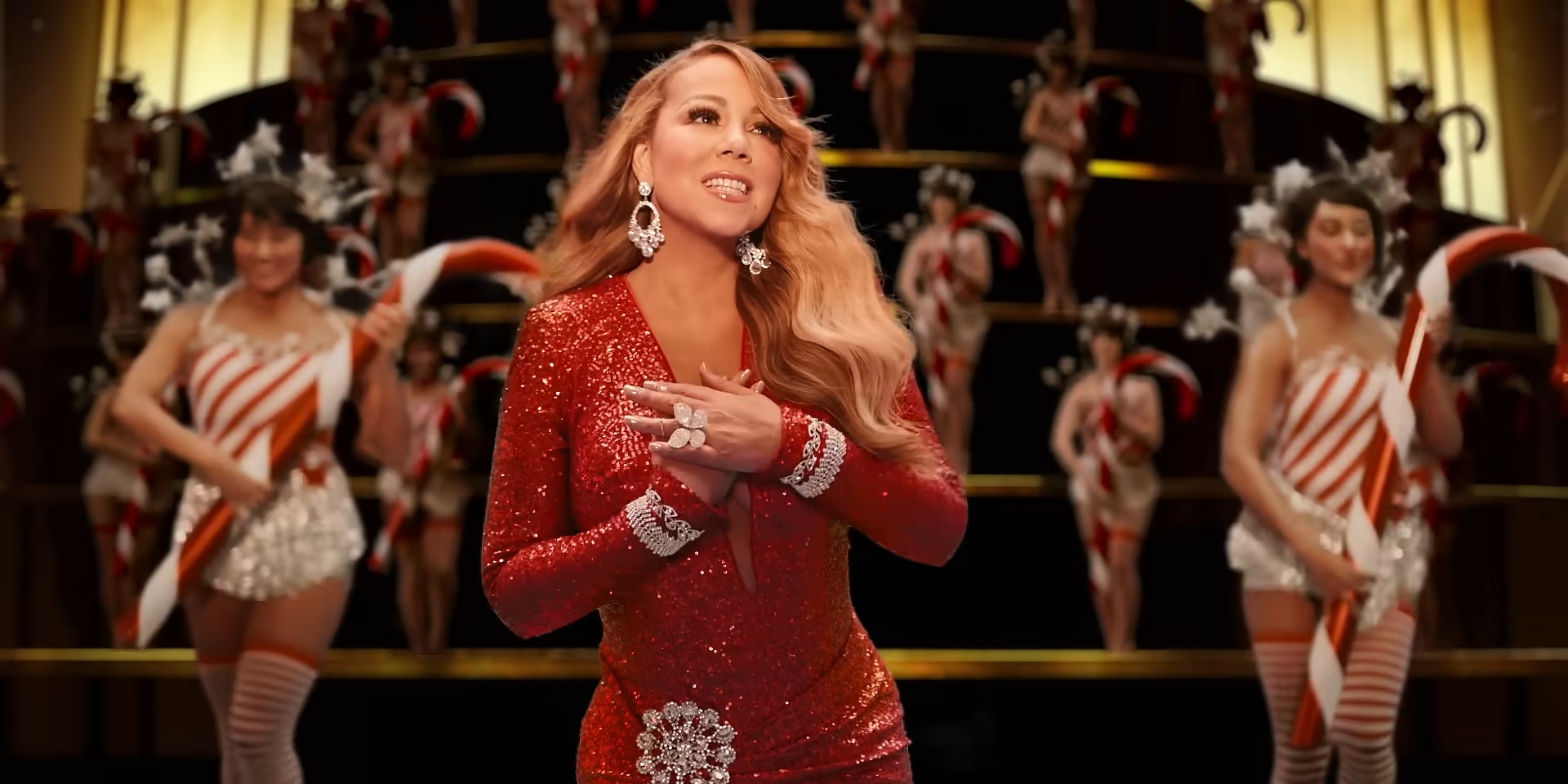
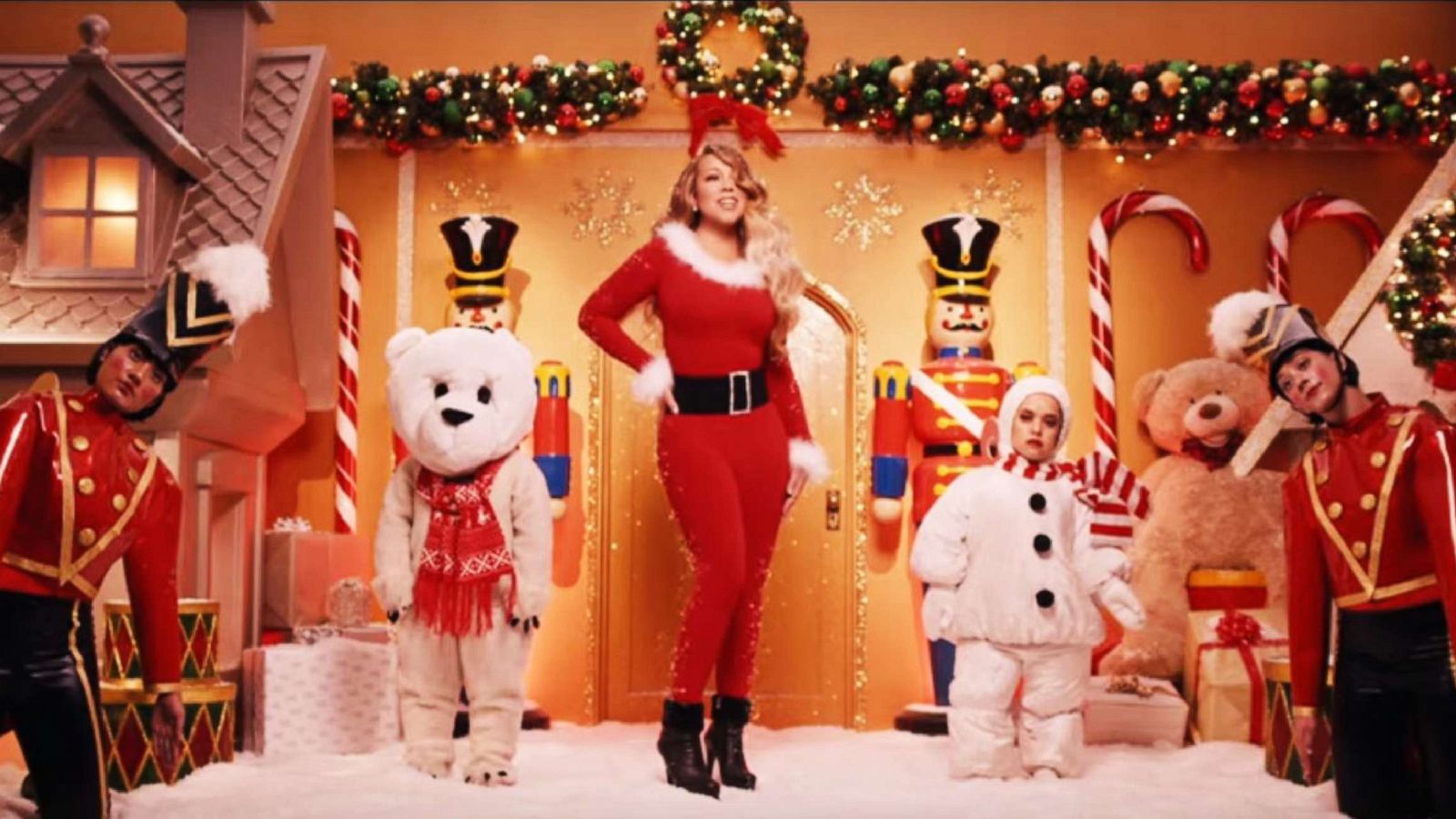
Yes, there are three primary versions. The original 1994 video features home-movie style footage of Carey in the snow. An alternate 1994 video, filmed in black and white, pays homage to The Ronettes and the 1960s. In 2019, for the 25th anniversary, a new high-budget version titled the "Make My Wish Come True Edition" was released, directed by Joseph Kahn.
Was the song recorded during Christmas?
No. To meet the October release date, the song was actually recorded in the summer of 1994. To create a festive mood, the studio in Upstate New York was decorated with Christmas ornaments and trees during the recording sessions.
Final Recommendations for Fans and Researchers
If you are looking to experience the song in its most authentic form, the original 1994 studio recording found on the Merry Christmas album remains the gold standard. For researchers tracking the song's commercial trajectory, the Billboard "Holiday 100" chart is the best resource for seeing how the song performs relative to other seasonal tracks.
As we move through 2026, the song's influence shows no signs of waning. Whether you are a casual listener or a music historian, the release of "All I Want for Christmas Is You" on October 28, 1994, remains one of the most significant dates in pop music history, marking the birth of a song that truly defined the sound of the holidays for the 21st century.