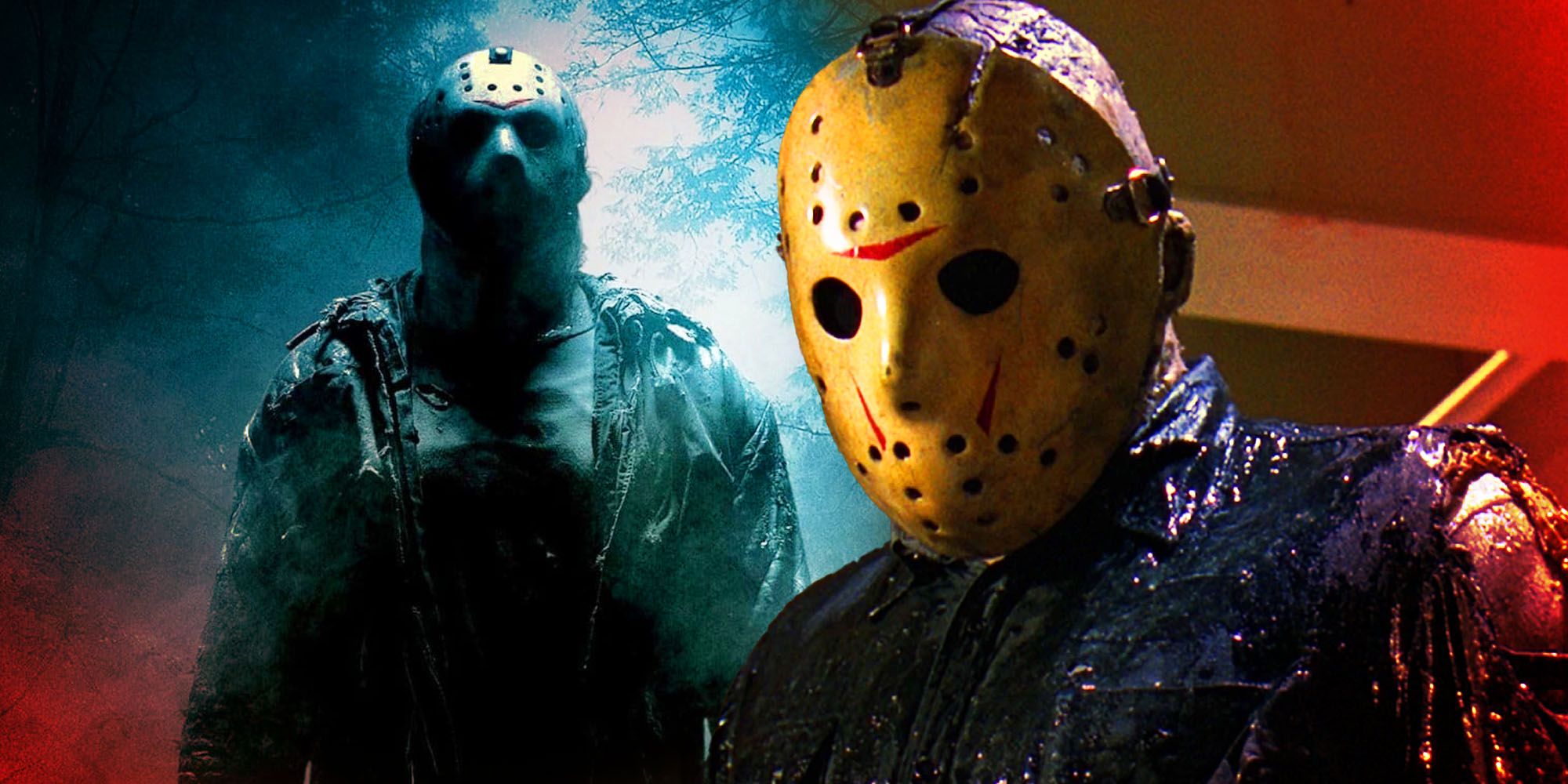
The character Jason Voorhees, the primary antagonist of the Friday the 13th film franchise, has been portrayed by numerous actors and stunt performers across twelve feature films and various media appearances. While his visual aesthetic evolved from a deformed child to a masked, hulking supernatural entity, the consistent identity remains the vengeful son of Pamela Voorhees, defined by his signature hockey mask and iconic machete.
The Evolution of the Jason Voorhees Identity
Jason Voorhees did not begin as the unstoppable slasher icon known to modern audiences. In the original 1980 film Friday the 13th, the antagonist is actually his mother, Pamela Voorhees, who seeks revenge for the death of her son, who allegedly drowned at Camp Crystal Lake in 1957 due to counselor negligence. Jason appears only in a brief dream sequence as a young, deformed boy.
It was not until the 1981 sequel, Friday the 13th Part 2, that Jason emerged as an adult antagonist. In this iteration, he is a feral, mountain-man-style killer who hides his face behind a burlap sack. The definitive look—the iconic white hockey mask—did not debut until Friday the 13th Part III (1982). This evolution represents a transition from a survivalist slasher to a cinematic legend, with different performers bringing specific physicality to the role depending on the director’s vision and the stunt requirements of the specific production.
Chronological Breakdown of Primary Portrayals
Understanding the portrayals of Jason Voorhees requires looking at the actors who occupied the suit, as their physical acting styles dictate the character's movement, aggression, and screen presence.
- Ari Lehman (1980): Played the young Jason in the original film's finale. His contribution is historically significant for establishing the foundation of the character.
- Warrington Gillette (1981): Played the adult Jason in Part 2. Notably, he also played the character of the unmasked Jason, though stuntman Steve Dash performed the majority of the physically demanding scenes.
- Richard Brooker (1982): Often cited as the first "true" cinematic Jason. In Part III, he established the iconic hockey mask look and the heavy, lumbering walk that became a franchise staple.
- Ted White (1984): Portrayed Jason in Friday the 13th: The Final Chapter. White is frequently praised by fans for bringing a sense of controlled, lethal aggression to the role, making Jason feel particularly dangerous.
- Tom Morga (1985): Played the impostor Jason in A New Beginning. Because this version of the character was not technically Jason Voorhees, it serves as a unique footnote in the series history.
- C.J. Graham (1986): Portrayed the "reanimated" Jason in Jason Lives: Friday the 13th Part VI. His performance leaned into the supernatural, zombie-like nature of the character, introducing a more robotic, unstoppable pace.
- Kane Hodder (1988–2001): Widely considered the definitive Jason. Hodder played the character in four consecutive films: Part VII: The New Blood, Part VIII: Jason Takes Manhattan, Jason Goes to Hell: The Final Friday, and Jason X. Hodder added a signature heavy breathing style and a more reactive, character-driven physicality.
- Ken Kirzinger (2003): Portrayed Jason in the crossover Freddy vs. Jason. Kirzinger provided a larger frame that contrasted effectively with Robert Englund’s Freddy Krueger.
- Derek Mears (2009): Portrayed the character in the reboot of the franchise. Mears combined elements of the survivalist Jason from the early films with the agility and ferocity required for a modern action-horror aesthetic.
Comparative Analysis of Jason Voorhees Physicality
The physical portrayal of Jason has shifted based on whether the character is depicted as a man, a zombie, or a reanimated corpse. The following table illustrates the variance in performance styles across the major films.
| Film Era | Primary Actor | Character Status | Performance Style |
|---|---|---|---|
| Part 2 | Steve Dash | Man | Feral, agile, survivalist |
| Part III | Richard Brooker | Man | Strong, methodical, imposing |
| Part IV | Ted White | Man | Aggressive, relentless, human |
| Part VI | C.J. Graham | Undead | Robotic, unstoppable, hulking |
| Part VII-X | Kane Hodder | Undead | Reactive, heavy-breathing, iconic |
| FvJ | Ken Kirzinger | Undead | Towering, heavy, brutal |
| 2009 Reboot | Derek Mears | Man | Strategic, fast, animalistic |
Key Differences in Technical Execution
The "human" Jason (seen in the early entries and the 2009 reboot) moves with a sense of purpose and vulnerability. He is capable of running and utilizes the environment for traps. Conversely, the "undead" Jason—introduced in Part VI—is characterized by a slower, deliberate gait. He does not run; he walks, yet he is always exactly where his victims are, creating a sense of inevitability.
The transition to the undead Jason allowed stunt performers to endure more "punishment" in the scripts. While a human Jason could be knocked down or incapacitated, the undead Jason possesses a supernatural durability, allowing for more creative and gore-heavy kill sequences that define the later half of the franchise.
The Role of Stunt Coordination
It is important to note that many of these actors were professional stunt performers. In many instances, the "Jason" seen on screen is a combination of the main actor and a secondary stunt double. For example, during high-risk scenes or complex kills, the lead actor might be swapped for someone better suited to the specific physical requirements of that scene. This collaborative approach is what allowed the franchise to maintain a consistent visual language despite changing actors over several decades.
Related Questions Regarding the Character
Is Jason Voorhees always a villain? Within the narrative of the franchise, Jason is the primary antagonist. However, his motivations are rooted in his psychological trauma and the protective bond he maintains with his mother. While he is consistently portrayed as a killer, the audience's perspective often shifts between viewing him as a monster and a tragic figure.
Why did the actor change so often? The change in actors was primarily driven by physical requirements. As the films progressed, the stunts became more dangerous and physically demanding. Stunt coordinators often required performers with specific body builds to fit under the heavy masks and prosthetic makeup, leading to the casting of different stunt professionals who could handle the rigorous production schedule.
What is the most accurate version of Jason Voorhees? "Accuracy" in the context of Jason is subjective and depends on which film a viewer prefers. Fans of the classic slasher era often point to Ted White for his realistic portrayal. Fans of the later supernatural era almost universally cite Kane Hodder as the definitive version because he played the character for the longest duration and helped shape the "personality" of the monster.
Are all these films part of a single timeline? Generally, the films follow a loose continuity, though Jason Goes to Hell and Jason X push the boundaries of this reality significantly. The 2009 film is a standalone reboot and does not follow the original timeline established in the 1980s.
Next Actions for Fans and Researchers
For those looking to explore the character further, the most effective next step is to examine the "Making Of" documentaries included with the Blu-ray and digital collections of the franchise. These features often include interviews with the performers themselves, providing firsthand accounts of the makeup process, the difficulty of wearing the costume, and the collaborative effort required to create the horror icon. Additionally, tracking the specific release dates and production histories of each film can help clarify why certain design choices—such as the mask's appearance—changed from one installment to the next.