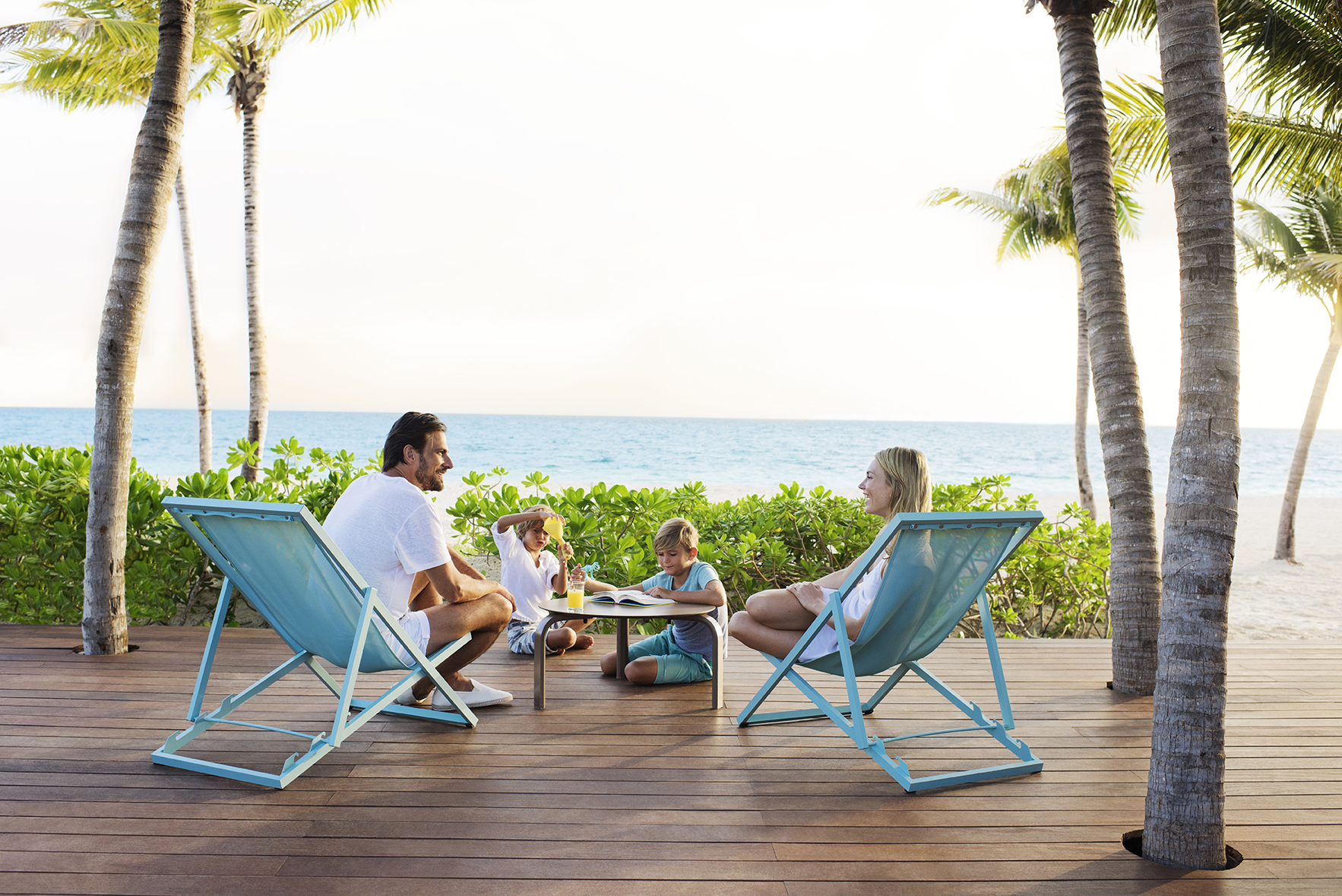
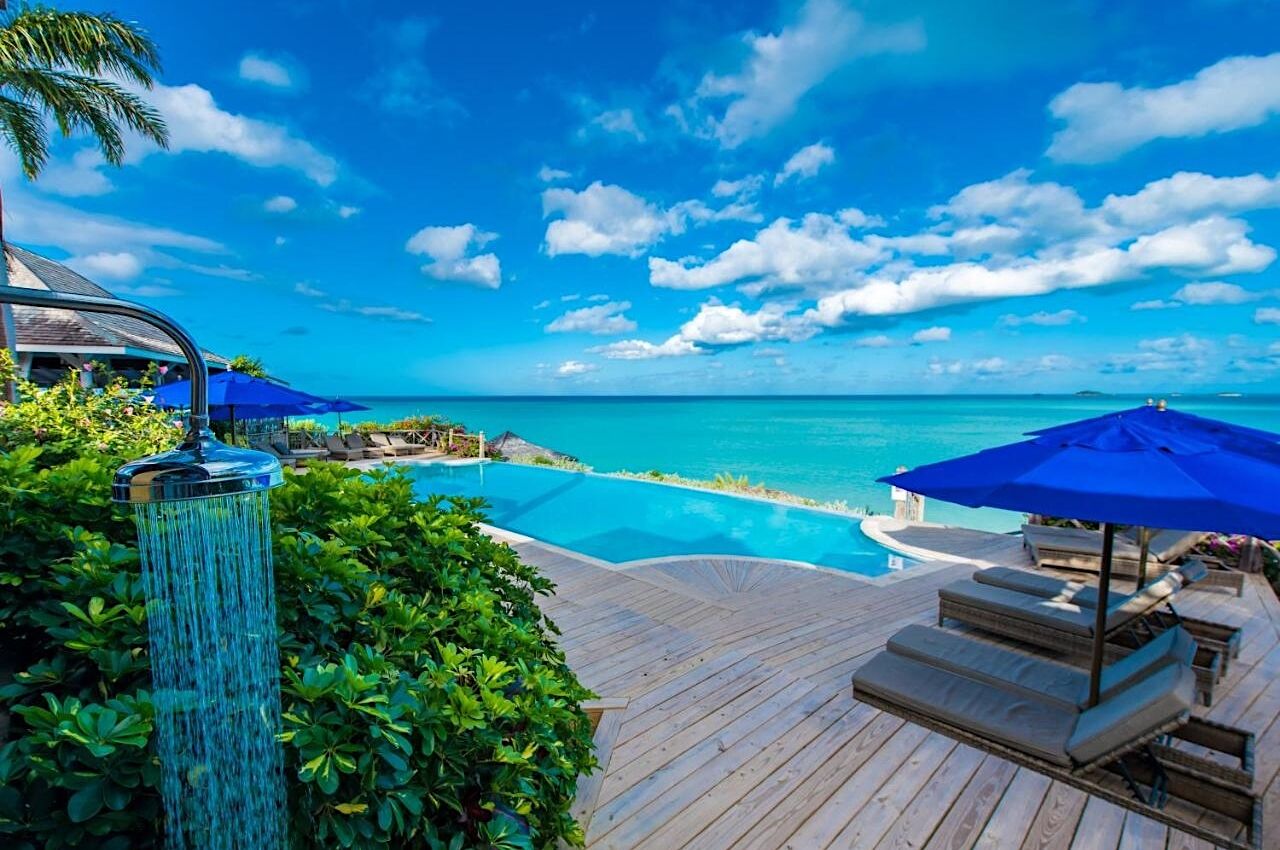
Booking an all-inclusive Caribbean vacation for families in 2026 involves selecting a resort that bundles gourmet dining, age-appropriate childcare, and expansive water sports into a single upfront price. This model prioritizes convenience and predictable budgeting, allowing parents to focus on relaxation while children engage in supervised, high-quality programming ranging from coral reef education to surf camps.
Understanding the All-Inclusive Model for Families in 2026
The concept of "all-inclusive" has evolved significantly over the last decade. In 2026, the industry has moved away from the buffet-only, high-volume model toward "Ultra-All-Inclusive" or "Luxury Included" experiences. For families, this means that the base price now frequently includes non-motorized water sports (like kayaking and paddleboarding), premium-brand liquors for adults, supervised kids' clubs with certified staff, and often airport transfers. This evolution is driven by a demand for higher-quality culinary experiences and more specialized activities that cater to diverse age groups, from toddlers to "Gen Alpha" teens.
When evaluating a resort, it is essential to distinguish between "family-friendly" and "family-centric." A family-friendly resort may simply allow children and offer a small playground, whereas a family-centric resort is designed from the ground up with interconnected suites, nursery services, and evening entertainment tailored to younger audiences. In 2026, the top-tier resorts have also integrated sustainable practices, such as farm-to-table dining and educational programs that teach children about local Caribbean ecosystems, reflecting a global shift toward more responsible tourism.
Before booking, families should verify exactly what "all" includes. Some resorts may exclude spa treatments, motorized water sports (like jet skis), or off-site excursions. Furthermore, while the upfront cost is higher than a traditional hotel, the lack of "nickel-and-diming" for every meal and activity often results in a lower total trip cost, especially for larger families with teenagers who can consume significant amounts of food and beverages.
Essential Prerequisites for Caribbean Travel
Traveling to the Caribbean in 2026 requires more than just a plane ticket. Most destinations require a valid passport with at least six months of validity remaining from the date of departure. While U.S. citizens can travel to the U.S. Virgin Islands or Puerto Rico without a passport, almost all other "all-inclusive" hubs—including Jamaica, the Dominican Republic, and Saint Lucia—require international travel documentation.
Additionally, many Caribbean nations have modernized their entry processes with digital "ED Cards" (Embarkation-Disembarkation cards). These should be completed online 24 to 72 hours before arrival to ensure a smooth transition through customs. It is also prudent to check the U.S. Department of State Travel Advisories for the specific island you intend to visit. These advisories provide real-time updates on safety, health, and local laws that could impact your stay.
Lastly, travel insurance has become a non-negotiable component of a 2026 family vacation. Look for "Cancel for Any Reason" (CFAR) policies. Given the susceptibility of the Caribbean to hurricane season (officially June 1 through November 30), insurance provides a financial safety net against weather-related cancellations or medical emergencies abroad.
Top Caribbean Destinations for Families
Selecting the right island is as important as selecting the resort. Each destination offers a different "vibe," ranging from the high-energy atmosphere of Jamaica to the serene, crystal-clear waters of Turks and Caicos.
Jamaica: The Home of Family Adventure
Jamaica remains a top contender for families due to its accessibility and the sheer variety of activities. Regions like Montego Bay and Negril are famous for their long, sandy beaches and calm waters. Jamaica is particularly well-suited for families with older children who enjoy off-resort adventures like climbing Dunn’s River Falls or river tubing. The island’s resorts often feature world-class kids' clubs, such as the Sesame Street-themed programs found at Beaches Resorts, which are specifically designed to keep younger children engaged while parents relax.
Dominican Republic: Unmatched Value and Scale
The Dominican Republic, specifically the Punta Cana region, offers some of the largest all-inclusive resorts in the world. This scale allows for massive water parks, multiple swimming pools, and upwards of ten different dining venues within a single property. For families seeking the most "bang for their buck," the Dominican Republic is often the most cost-effective choice. The Dominican Republic Ministry of Tourism provides extensive resources on family-focused activities beyond the resort walls, such as cenote swimming and zip-lining.
Turks and Caicos: Luxury and Pristine Beaches
For families where the beach is the primary draw, Providenciales in Turks and Caicos is hard to beat. Grace Bay Beach consistently ranks among the best in the world. Resorts here tend to be more upscale and less crowded than those in the Dominican Republic. While the price point is higher, the quality of the sand, the clarity of the water, and the level of personalized service are generally superior. It is an ideal spot for multi-generational families looking for a quieter, more sophisticated environment.
Key Features to Look for in a Family Resort
Not all family resorts are created equal. To ensure a successful vacation, look for the following specific amenities that define the top tier of Caribbean hospitality in 2026:
- Certified Childcare: Look for resorts that employ nannies or kids' club counselors certified by recognized organizations, such as the International Nanny Association. This ensures a higher standard of safety and engagement.
- Age-Segregated Programming: A ten-year-old and a four-year-old have very different needs. The best resorts offer "Tots," "Tweens," and "Teens" clubs with activities tailored to each group, such as DJ academies for teens or puppet shows for toddlers.
- Family Suite Configurations: Traditional hotel rooms can be cramped. Many 2026 resorts now offer "Family Suites" that include separate sleeping areas for children, sometimes with bunk beds or Xbox consoles, and a second bathroom.
- Specialized Dining: Beyond kids' buffets, look for resorts that accommodate dietary restrictions (gluten-free, nut-free) and offer "early dining" hours for families with young children whose schedules don't align with standard 8:00 PM dinner times.
2026 Comparison of Popular Family Resort Tiers
The following table compares the typical offerings and costs associated with different tiers of family all-inclusive resorts in the Caribbean for the 2026 season.
| Resort Tier | Estimated Nightly Rate (Family of 4) | Key Features | Best For |
|---|---|---|---|
| Value (3.5-4 Stars) | $450 – $750 | Buffet-style dining, standard pool, basic kids' club, local liquors. | Budget-conscious families wanting basic convenience. |
| Mid-Range (4-4.5 Stars) | $800 – $1,200 | A la carte dining options, small water park, teens' lounge, included non-motorized water sports. | Families seeking a balance of amenities and cost. |
| Luxury (5 Stars) | $1,300 – $2,500+ | Gourmet dining, certified nannies, large water parks, premium spirits, butler service options. | Multi-generational groups and those seeking high-end service. |
| Boutique/Eco-Focus | $900 – $1,600 | Farm-to-table food, educational nature programs, smaller footprint, personalized service. | Families interested in sustainability and quiet. |
Health and Safety Considerations
When traveling with children, health and safety are paramount. In 2026, most major Caribbean resorts have on-site medical clinics or 24/7 access to a local doctor. However, it is important to consult the CDC's Travelers' Health website several months before your trip to check for any recommended vaccinations, such as Hepatitis A or Typhoid, which are common for tropical destinations.
Safety also extends to the water. While resorts have lifeguards, the standards can vary. It is always recommended that children wear USCG-approved life jackets when participating in ocean-based activities, even if they are strong swimmers. Most resorts provide these, but bringing your own ensures a proper fit for younger children.
Common Mistakes to Avoid
Even the most well-planned vacation can hit snags. Here are common pitfalls families encounter when booking Caribbean all-inclusives:
- Overlooking the "Hidden" Fees: While "all-inclusive" suggests everything is paid for, some resorts charge extra for airport transfers, "premium" WiFi, or certain "reserve" wine lists. Always read the fine print.
- Ignoring the Transfer Time: If you are traveling with toddlers, a three-hour bus ride from the airport to the resort can be a nightmare. Look for resorts within 30-45 minutes of the major international airports (like Sangster International in Montego Bay or Punta Cana International).
- Underestimating the Sun: The Caribbean sun is significantly stronger than in much of North America or Europe. Reef-safe sunscreen is increasingly required by local laws to protect the coral reefs, so be sure to pack the correct type and apply it more frequently than you think is necessary.
- Booking Too Late: For peak periods like Spring Break or the December holidays, the best family suites often sell out 9 to 12 months in advance. Booking early not only secures your room type but often allows you to take advantage of "Early Bird" pricing.
Sustainable Family Travel in 2026
A growing trend in 2026 is the integration of "Voluntourism" and environmental education into the family vacation. Many resorts now partner with organizations like the Caribbean Tourism Organization to offer coral reef planting or sea turtle release programs. Engaging children in these activities provides a deeper connection to the destination and teaches them the importance of preserving the natural beauty they are enjoying. Choosing a resort with a "Green Globe" certification or similar environmental credential ensures your tourism dollars are supporting sustainable practices.
FAQs
What age is best for a Caribbean all-inclusive?
While resorts cater to all ages, children aged 5 to 12 often get the most out of the experience. At this age, they are old enough to participate in most kids' club activities and water sports but young enough to be captivated by the resort's entertainment. However, many resorts now offer specialized "Infant Creches" for babies as young as three months, making it viable for families with very young children.
Are all-inclusive resorts safe for kids?
Generally, yes. Major all-inclusive resorts are gated communities with private security. The most significant risks are environmental, such as sun exposure, dehydration, or strong ocean currents. Always supervise children near water, even if a lifeguard is present, and ensure they stay hydrated with bottled water, which is provided in abundance at these resorts.
Do I need to tip at an all-inclusive resort?
This depends on the resort's specific policy. Some brands, like Beaches or Sandals, have a strict "no tipping" policy because gratuities are built into the price. Others allow or even expect small tips for exceptional service from bartenders, housekeepers, or porters. Check the resort’s FAQ page before arrival to understand the local etiquette.
Is the food good at family all-inclusives?
In 2026, the quality of food at family resorts has improved drastically. Many resorts have moved away from massive buffets toward themed a la carte restaurants (Italian, Japanese, French, local Caribbean). Most resorts also have a "Kid's Menu" at every venue, but they are increasingly encouraging children to try more sophisticated options through "tasting portions."
What happens if it rains?
The Caribbean experiences brief tropical showers frequently, but they usually pass within 20 minutes. Resorts are well-prepared for longer rainy days with indoor game rooms, movie theaters, and organized indoor activities like cooking classes or arts and crafts.
Final Recommendation for Families
For families planning a trip in 2026, the best approach is to prioritize the destination's flight accessibility and the resort's childcare certification. If you have a larger budget and want the highest level of service and beach quality, Beaches Turks & Caicos remains the industry gold standard. For families looking for high-energy fun and the best value, the Hyatt Ziva Cap Cana in the Dominican Republic offers a modern, water-park-centric experience that appeals to both children and adults. Always secure travel insurance and book at least six months in advance to ensure the best suite availability for your family's needs.