The seven deadly sins—pride, greed, lust, envy, gluttony, wrath, and sloth—persist in 2026 because they represent fundamental human impulses that have been amplified by modern technology. While originally categorized as theological vices, these behaviors now serve as a framework for understanding cognitive biases, the dopamine-driven economy, and the psychological challenges of navigating an increasingly digital social landscape.
The Historical Evolution of the Seven Deadly Sins
To understand why these concepts remain relevant in 2026, we must first recognize that they were never intended merely as a list of "bad things people do." They were originally developed as a diagnostic tool for the human psyche. The list as we know it today was largely codified by Pope Gregory I in the 6th century, drawing from the earlier "eight wicked thoughts" identified by the monk Evagrius Ponticus.
Evagrius was a desert ascetic who observed how certain mental patterns disrupted focus and spiritual well-being. This transition from "thoughts" to "sins" changed how society viewed human failure. In the Middle Ages, Dante Alighieri’s Divine Comedy further cemented these ideas in the public consciousness, structuring the Purgatorio around the purging of these seven tendencies. In the 21st century, we have largely replaced the word "sin" with terms like "dysfunction," "addiction," or "maladaptive behavior," yet the underlying patterns remain unchanged. The persistence of these sins is not a matter of outdated morality but a reflection of the biological and neurological architecture of the human brain.
Understanding Each Sin through a 2026 Lens
The reason these sins "shape us" today is that our modern environment is designed to exploit the very instincts these categories describe. Whether through algorithmic curation or the gamification of daily life, the deadly sins have found a new medium in which to flourish.
Pride: The Digital Self-Image and the "Personal Brand"
Traditionally considered the root of all other sins, pride (superbia) has transformed from an internal state of arrogance into a public-facing performance. In 2026, the pressure to curate a "personal brand" has made pride a professional necessity. We are encouraged to project an image of perfection, success, and superiority. This "digital pride" creates a feedback loop where our self-worth is tied to external validation—metrics, likes, and shares. The danger of pride today is not just egoism, but the resulting fragility; when our entire identity is built on a curated facade, any threat to that image results in profound psychological distress.
Greed: Wealth Accumulation and the Hedonic Treadmill
Greed (avaritia) is no longer just about hoarding gold; it is about the infinite pursuit of "more" in a world of finite resources. In 2026, the global economy continues to prioritize perpetual growth, a macro-level manifestation of individual greed. Psychologically, greed is linked to the hedonic treadmill—the tendency for humans to return to a baseline level of happiness despite significant positive changes in wealth or status. As we acquire more, our expectations rise, leaving us perpetually unsatisfied. This shaping of our behavior leads to burnout and environmental degradation, as the drive for accumulation overrides the capacity for contentment.
Lust: The Monetization of Desire
Lust (luxuria) has been radically reshaped by the accessibility of high-definition digital content and the "swipe culture" of modern dating. In 2026, the commodification of intimacy has led to what sociologists call the "paradox of choice." When desire is constantly stimulated by an endless stream of digital imagery and potential "matches," the ability to form deep, lasting commitments is often eroded. Lust in the modern age is less about the physical act and more about the constant state of craving, which is leveraged by the attention economy to keep users engaged with platforms that profit from restless desire.
Envy: Comparison in the Age of Algorithms
Envy (invidia) is perhaps the most pervasive sin in the current social climate. Evolutionary psychology suggests that we are hardwired to compare ourselves to our "tribe" to determine our social standing. However, in 2026, our "tribe" is no longer the 150 people we know in real life; it is a global network of the most successful, attractive, and wealthy individuals on Earth. Algorithms prioritize content that triggers envy because it drives engagement—users look longer at what they covet. This constant exposure to the "highlight reels" of others fuels feelings of inadequacy and resentment, shaping our political discourse and personal happiness.
Gluttony: Excess in a World of Hyper-Palatability
While historically associated with overeating, gluttony (gula) in 2026 represents a broader failure of self-regulation in an era of abundance. We live in an environment filled with "hyper-palatable" stimulants—not just ultra-processed foods designed to override our satiety signals, but also "junk food" content and infinite-scroll entertainment. Gluttony is the inability to say "enough" in a system designed to ensure we never do. This shapes us physically through rising rates of metabolic disease and mentally through a diminished capacity for delayed gratification.
Wrath: Outrage Culture and Algorithmic Friction
Wrath (ira) has found a potent home in the digital town square. Online platforms have discovered that anger is the fastest-spreading emotion, leading to the rise of "outrage culture." In 2026, political and social polarization is often fueled by a constant state of indignation. This is not the productive anger that leads to justice, but a performative wrath that serves to signal group loyalty. It shapes us by narrowing our empathy and making constructive dialogue nearly impossible, as we are conditioned to view "the other" through a lens of perpetual hostility.
Sloth: Resistance to Meaningful Action
Sloth (acedia) was originally defined not as physical laziness, but as a "spiritual apathy" or a lack of care for one's own soul and purpose. In the modern context, sloth manifests as the "doomscroll"—the state of being paralyzed by an overwhelming amount of information or choice. In 2026, with the integration of AI and automation into daily life, the temptation to succumb to a passive existence is higher than ever. Sloth shapes us by replacing active participation in life with passive consumption, leading to a sense of existential drift and a loss of agency.
Why These Concepts Persist in Modern Psychology
The reason we cannot "evolve past" these sins is that they are tied to our survival mechanisms. Each sin is a perversion of a necessary drive:
- Pride is a perversion of self-esteem and social confidence.
- Greed is a perversion of the drive to provide and secure resources.
- Lust is a perversion of the reproductive instinct.
- Envy is a perversion of the drive to improve one's status or circumstances.
- Gluttony is a perversion of the biological need to seek nourishment.
- Wrath is a perversion of the fight-or-flight response to injustice or threat.
- Sloth is a perversion of the body’s need for rest and conservation of energy.
In 2026, we understand that these "sins" are essentially dopamine traps. Our brains evolved in an environment of scarcity, where a sudden influx of sugar (gluttony) or a boost in social status (pride) was rare and beneficial. In our current environment of artificial super-abundance, these same biological triggers lead to compulsive behaviors that are no longer adaptive.
Comparative Analysis: Traditional Vice vs. 2026 Manifestation
The following table illustrates how the traditional definitions of these sins have transitioned into specific modern psychological and social phenomena.
| Traditional Sin | Theological Focus | 2026 Manifestation | Psychological Counterpart |
|---|---|---|---|
| Pride | Arrogance before God | Personal Branding / Narcissism | Fragile Self-Esteem |
| Greed | Hoarding material wealth | Infinite Growth / Consumerism | Hedonic Adaptation |
| Lust | Disordered sexual desire | Pornography / Swipe Culture | Reward System Dysregulation |
| Envy | Resentment of others' good | Social Media Comparison | Relative Deprivation |
| Gluttony | Over-consumption of food | Ultra-processed habits / Binge-watching | Executive Function Failure |
| Wrath | Uncontrolled anger | Outrage Culture / Polarization | Amygdala Hijack |
| Sloth | Spiritual apathy (Acedia) | Passive Consumption / Doomscrolling | Choice Paralysis |
Managing the Influence of the Deadly Sins
Recognizing how these sins shape us is the first step toward reclaiming agency. In 2026, psychological resilience requires a conscious effort to counteract the environmental triggers that exploit these ancient tendencies.
Practicing Digital Asceticism
Just as the desert monks practiced physical asceticism to guard their thoughts, modern individuals are increasingly turning to "digital asceticism." This involves setting strict boundaries on the use of technology that triggers envy, wrath, and lust. By limiting the influence of algorithms, individuals can reduce the constant stimulation of these "sinful" impulses.
Cultivating the "Counter-Virtues"
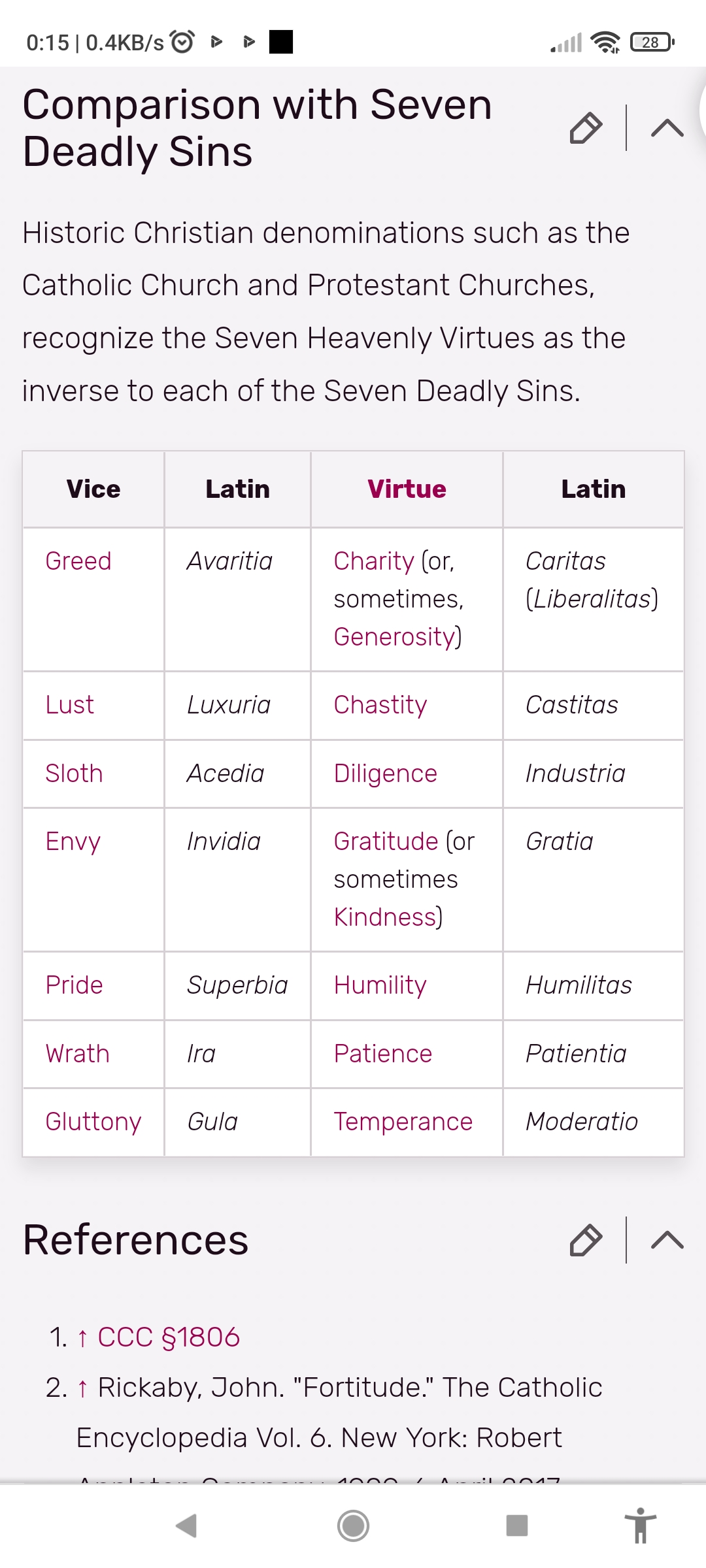
The historical antidote to the seven deadly sins was the cultivation of the seven heavenly virtues: humility, charity, chastity, gratitude, temperance, patience, and diligence. In a secular context, these can be viewed as "pro-social behaviors" that improve mental health:
- Gratitude is the direct neurological competitor to envy.
- Temperance (moderation) provides the framework for overcoming gluttony and greed.
- Diligence (meaningful action) is the solution to the apathy of sloth.
Structural and Environmental Design
On a societal level, shaping our behavior for the better in 2026 requires changing the "choice architecture" of our lives. This means designing cities that encourage movement (combating sloth), regulating food environments (combating gluttony), and demanding ethical design in social media platforms to reduce the monetization of wrath and envy.
Summary of Modern Impact
The seven deadly sins continue to shape us because they are the shadows cast by our most basic human needs. In 2026, they serve as a vital diagnostic tool—not for identifying moral failure, but for identifying where our modern world has hijacked our biology. By understanding that pride, greed, lust, envy, gluttony, wrath, and sloth are the natural results of ancient brains navigating a hyper-stimulated world, we can begin to build the psychological and social systems necessary to mitigate their impact.
Frequently Asked Questions
Are the seven deadly sins still relevant in a secular society?
Yes. Even without a religious framework, these sins describe universal human behaviors that lead to personal suffering and social instability. Modern psychology often categorizes these same issues under terms like "addiction," "narcissism," or "emotional dysregulation." The sins are essentially a pre-modern map of the pitfalls of human nature.
Why is pride considered the "worst" of the sins?
Pride is historically considered the most dangerous because it prevents self-reflection. If an individual is convinced of their own perfection or superiority, they cannot recognize their other faults (like greed or wrath). In 2026, this manifests as an inability to accept corrective feedback or engage with opposing viewpoints.
How does social media specifically trigger envy?
Social media triggers envy through "upward social comparison." By constantly showing users the highlights of others' lives, the platform creates a distorted reality where everyone else appears more successful or happy. This triggers the brain's "relative deprivation" response, making the user feel their own life is inadequate by comparison.
Can sloth be a symptom of burnout?
In modern terms, what was once called sloth (specifically acedia) is very similar to what we now call burnout or clinical depression. It is often not a lack of "willpower" but an exhaustion of the spirit or a loss of meaning. Treating it involves more than just "working harder"; it requires reconnecting with a sense of purpose.
Is wrath always bad?
Historically, theologians distinguished between "sinful wrath" and "righteous indignation." The difference lies in the motive and the outcome. Sinful wrath is destructive and self-serving, while righteous indignation is a controlled response to injustice that aims for a positive resolution.
Practical Recommendation for 2026
To reduce the shaping influence of these "sins" in your own life, perform a weekly audit of your digital and physical consumption. Identify which of the seven categories is currently having the most significant impact on your mental health. For instance, if you find yourself feeling resentful after using social media, you are being shaped by envy. Once identified, implement a specific "virtue-based" habit—such as a daily gratitude journal—to recalibrate your neurological response and regain control over your behavior.