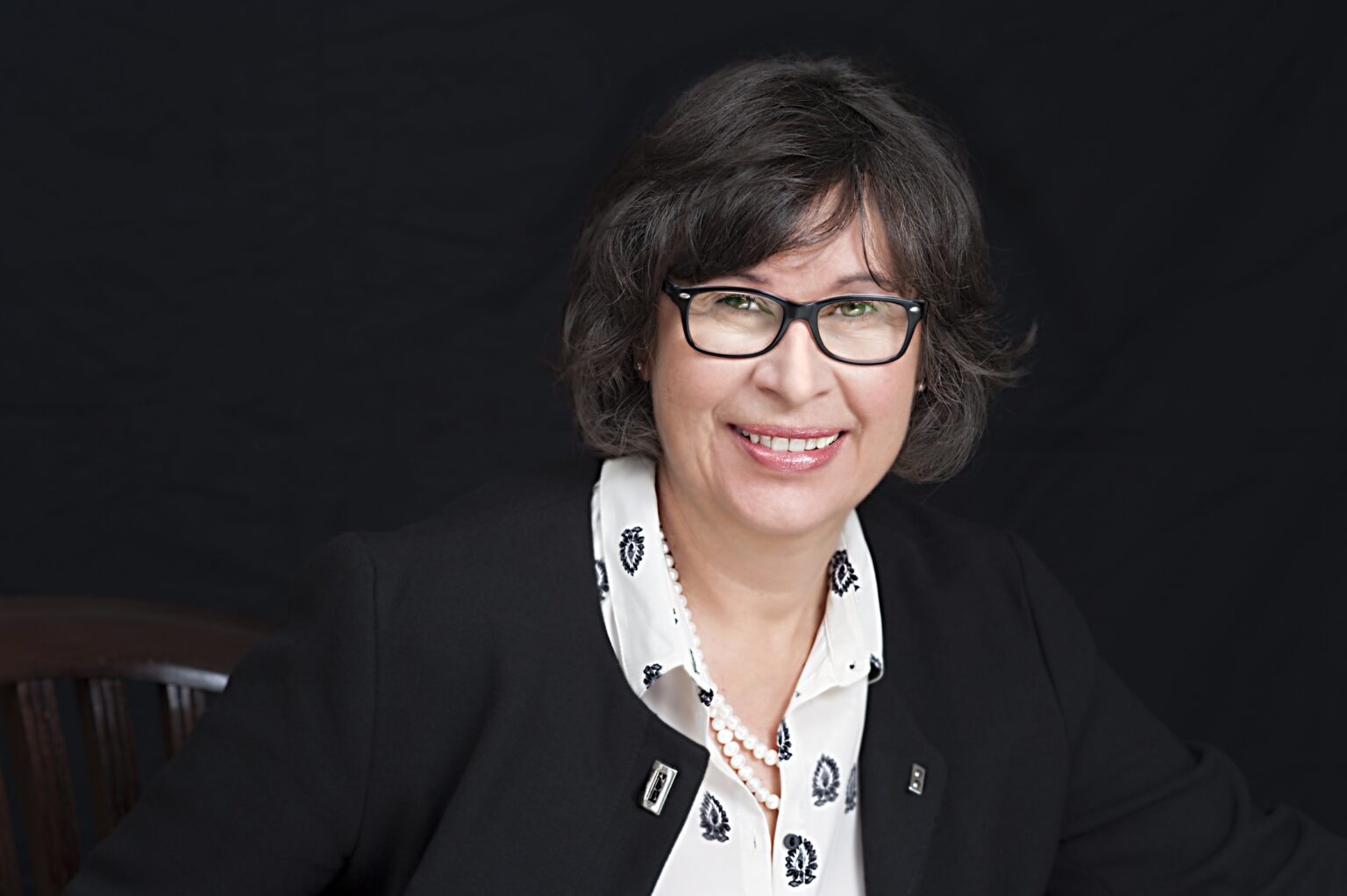
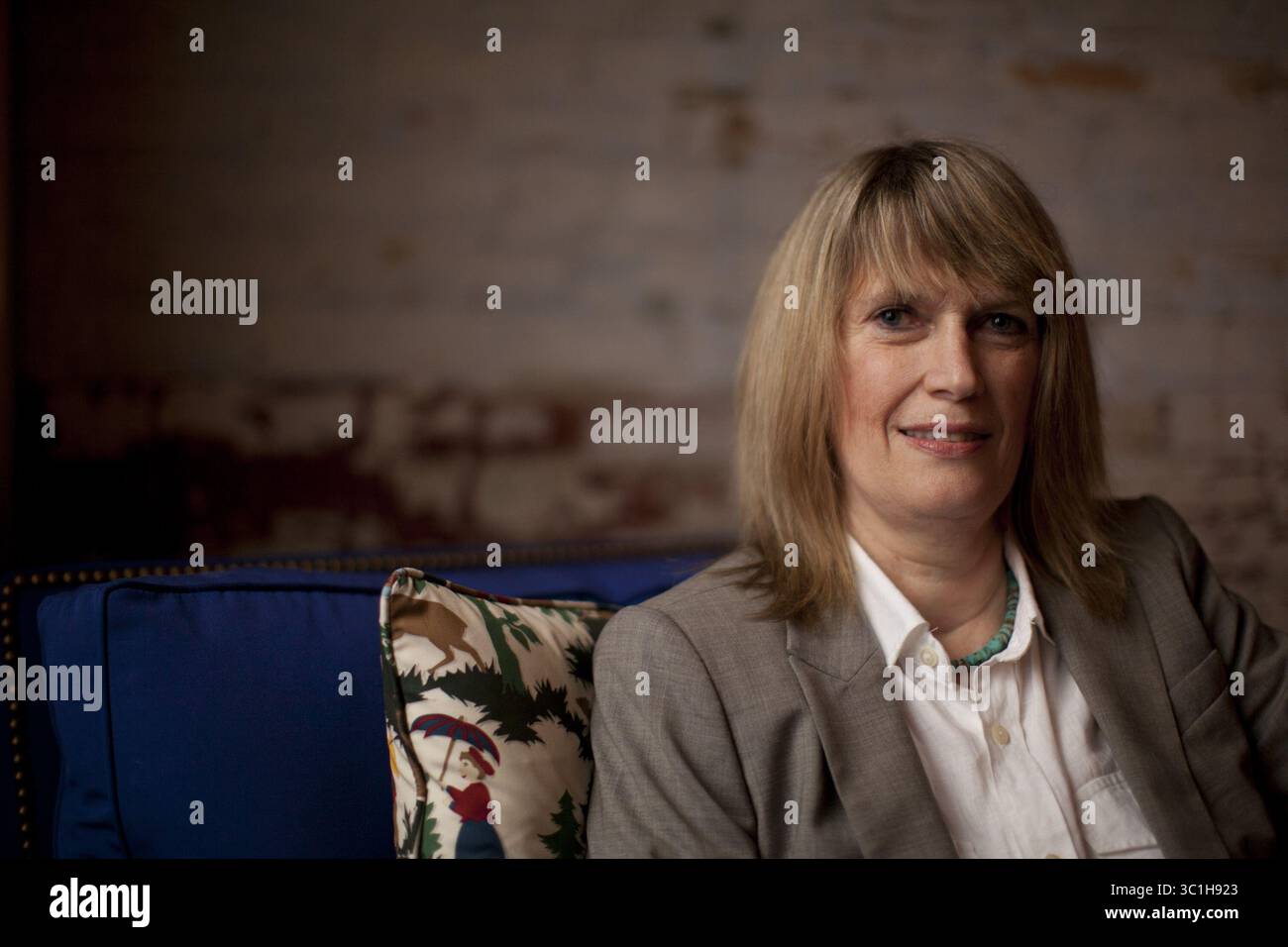
Alida Rockefeller Messinger is a prominent American philanthropist and a member of the fourth generation of the Rockefeller family. As the daughter of John D. Rockefeller III and Blanchette Ferry Hooker, she has dedicated her career to environmental advocacy, sustainable energy initiatives, and supporting the arts, primarily through her leadership roles in various private foundations and charitable organizations.
The Rockefeller Lineage and Historical Context
To understand the scope of Alida Rockefeller’s work, one must first recognize the structural environment of the Rockefeller family, one of the most influential dynasties in American history. Born in 1949, Alida is part of a generation that transitioned the family’s focus from the initial industrial wealth generation, pioneered by her great-grandfather John D. Rockefeller, toward structured, systematic philanthropy.
The Rockefeller family dynamics, often studied by historians and sociologists, are characterized by a commitment to "stewardship." This philosophy dictates that wealth is not merely a private asset but a resource meant to solve systemic social issues. Alida’s upbringing occurred within a framework that emphasized education, cultural engagement, and a high sense of civic duty. Her father, John D. Rockefeller III, founded the Asia Society and significantly influenced international relations, while her mother, Blanchette, served as the president of the Museum of Modern Art (MoMA). This dual exposure to global civic responsibility and institutional arts management provided the foundation for Alida’s future philanthropic focus.
Philanthropic Leadership and Focus Areas
Unlike public figures whose wealth is maintained through active corporate management, Alida Rockefeller Messinger has primarily directed her influence toward the nonprofit sector. Her philanthropic strategy is characterized by the use of family foundations to distribute capital to environmental research, conservation, and advocacy groups.
Environmental Stewardship
A significant portion of Alida’s charitable contributions has been funneled into environmental protection. She has been a key figure in funding projects aimed at combating climate change and promoting sustainable land use. Her approach often involves supporting policy think tanks and grassroots organizations that aim to change the discourse around fossil fuel dependency.
Artistic and Cultural Support
Following in the footsteps of her mother, Alida maintains a deep connection to the arts. Her support is not limited to passive donation but often involves active involvement in the governance of cultural institutions. By sitting on boards or providing leadership for major museums and community art centers, she helps ensure the preservation of cultural heritage and the accessibility of the arts to a wider public.
Sustainable Investment
In the 21st century, Alida has been associated with the shift toward ESG (Environmental, Social, and Governance) criteria within private wealth management. This involves ensuring that family wealth is invested in a manner that does not contradict the charitable goals of the foundations she leads. This alignment of capital allocation with personal values is a defining characteristic of her professional life in the 2020s.
The Role of Family Foundations
The Rockefeller family utilizes a complex network of foundations to conduct their philanthropy. Alida Rockefeller Messinger’s work is often channeled through these entities, which function as institutional hubs for decision-making.
Why Foundations Matter
For a family of significant means, a foundation provides several functional advantages:
- Perpetuity: It ensures that charitable work continues across generations.
- Professionalization: Foundations hire experts, scientists, and researchers to verify that grants are effective.
- Strategic Focus: It allows donors to target specific niches—such as ocean conservation or sustainable agriculture—rather than giving broadly and inefficiently.
Understanding Alida’s work requires acknowledging that she is not acting as an individual donor, but as a coordinator of a legacy-based mechanism designed to move large-scale capital into the nonprofit sector.
Comparative Overview of Rockefeller Philanthropy
The following table provides a high-level view of how different generations and members of the Rockefeller family tend to categorize their contributions. While Alida’s focus is specific, it is part of a larger, evolving strategy.
| Focus Area | Primary Objectives | Typical Mechanism |
|---|---|---|
| Early Generation | Infrastructure & Education | Endowments & Building Funds |
| Mid Generation | International Relations | Diplomatic Foundations & Boards |
| Current Generation (Alida) | Climate & Sustainability | Grant-making & Social Investing |
| Cultural Support | Arts Preservation | Museum Trusteeships |
Challenges and Responsibilities in Modern Philanthropy
Operating a high-profile philanthropic legacy in 2026 involves navigating a complex landscape of public scrutiny and evolving regulatory requirements.
Managing Expectations
Public perception of the Rockefeller name is often a mix of historical fascination and modern critique. Alida must navigate the responsibility of managing a name that is synonymous with both immense wealth and the origins of the modern oil industry. Much of her work in environmental advocacy can be viewed through the lens of a conscious effort to realign the family’s legacy with the urgent ecological requirements of the modern world.
Compliance and Regulatory Constraints
Like all major family offices and foundations, the entities associated with Alida must comply with stringent IRS regulations regarding private foundations, specifically concerning the minimum distribution requirements and the prohibition of self-dealing. Ensuring that these foundations remain compliant while also adapting to changing tax landscapes requires a team of legal and financial professionals.
Frequently Asked Questions
Is Alida Rockefeller still active in philanthropy? Yes, as of 2026, Alida Rockefeller Messinger remains active in various philanthropic endeavors, primarily focusing on environmental advocacy and the arts. She continues to oversee and contribute to initiatives that align with her long-standing interest in sustainability.
How does Alida Rockefeller’s work differ from earlier generations? Earlier generations of the Rockefeller family focused heavily on building large-scale institutional infrastructure, such as universities and medical research facilities. Alida’s generation focuses more on advocacy, policy change, and direct support for social and ecological causes, reflecting the shifting needs of a globalized society.
Are there public records of her charitable contributions? Yes, because much of her philanthropy is conducted through formalized, tax-exempt foundations, these entities are required to file public disclosures (such as Form 990-PF in the United States). These documents are part of the public record and detail the grants and organizational expenses of the foundations.
What is the connection between Alida Rockefeller and the arts? Her connection to the arts is primarily rooted in the legacy of her mother, Blanchette Ferry Hooker, who was a pivotal figure at the Museum of Modern Art. Alida has continued this tradition through board participation and support for cultural programming that emphasizes community engagement.
Does Alida Rockefeller provide individual grants to the public? No. Like most high-net-worth philanthropists, her giving is channeled through structured foundations that partner with established organizations, universities, and research groups. They generally do not accept unsolicited grant applications from the general public.
Practical Next Steps for Interested Researchers
If you are researching the work of Alida Rockefeller Messinger for academic or professional purposes, you should prioritize primary source documentation:
- IRS Tax Filings: Access the 990-PF forms for the specific foundations with which she is associated. These documents provide the most granular and legally verified data regarding where funds are directed.
- Institutional Archives: Organizations like the Rockefeller Archive Center house extensive documentation on the family’s activities. They provide context on how individual family members have contributed to the evolution of the family's philanthropic mission.
- Foundation Websites: Always check the official website of the foundations where she serves on the board. These portals often publish annual reports that explain the "why" and "how" behind their current funding priorities, which is often missing from brief media mentions.
By focusing on these institutional sources, you can avoid the speculative nature of general interest media and obtain a clear picture of how Alida Rockefeller utilizes her resources to influence contemporary social and environmental policy.