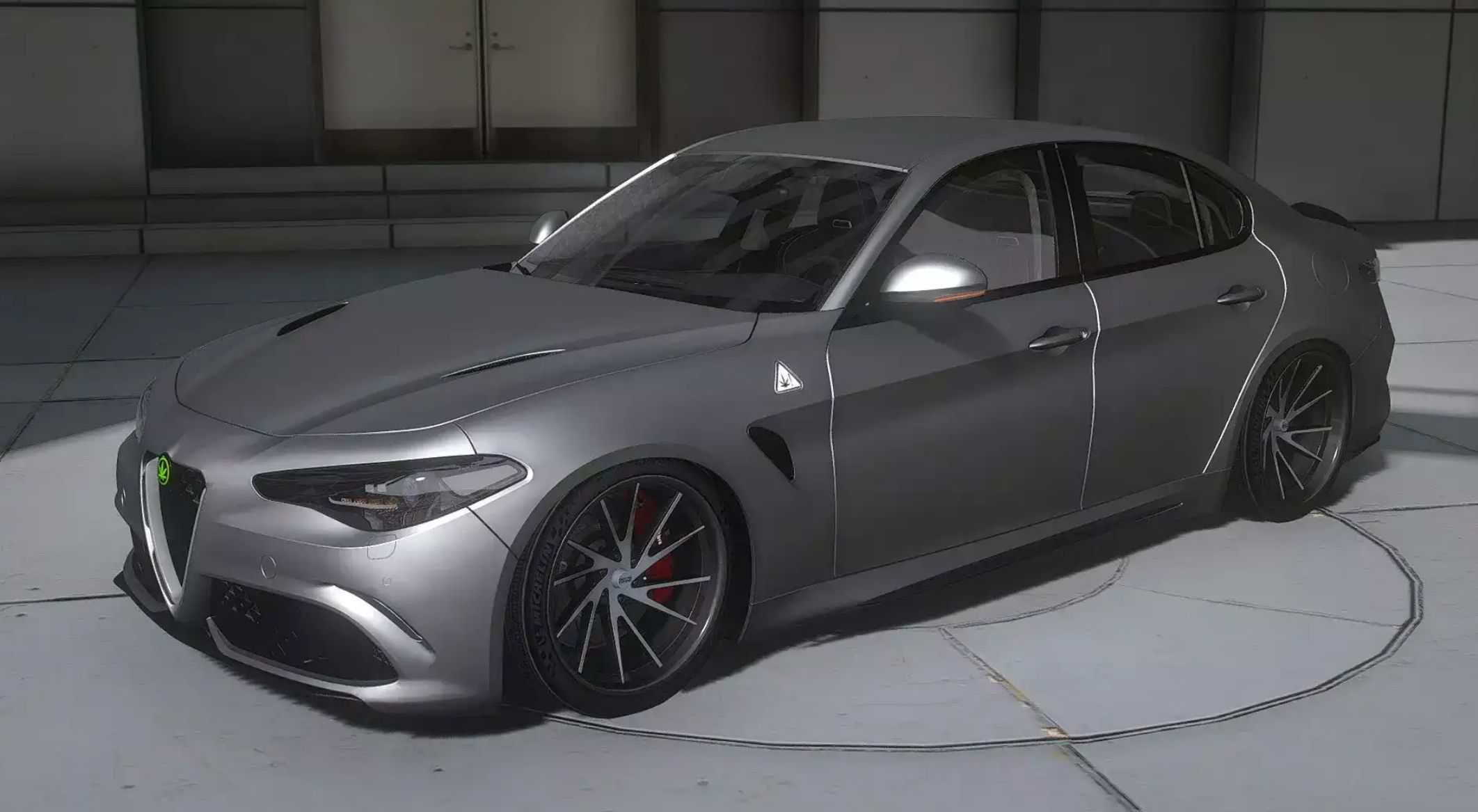
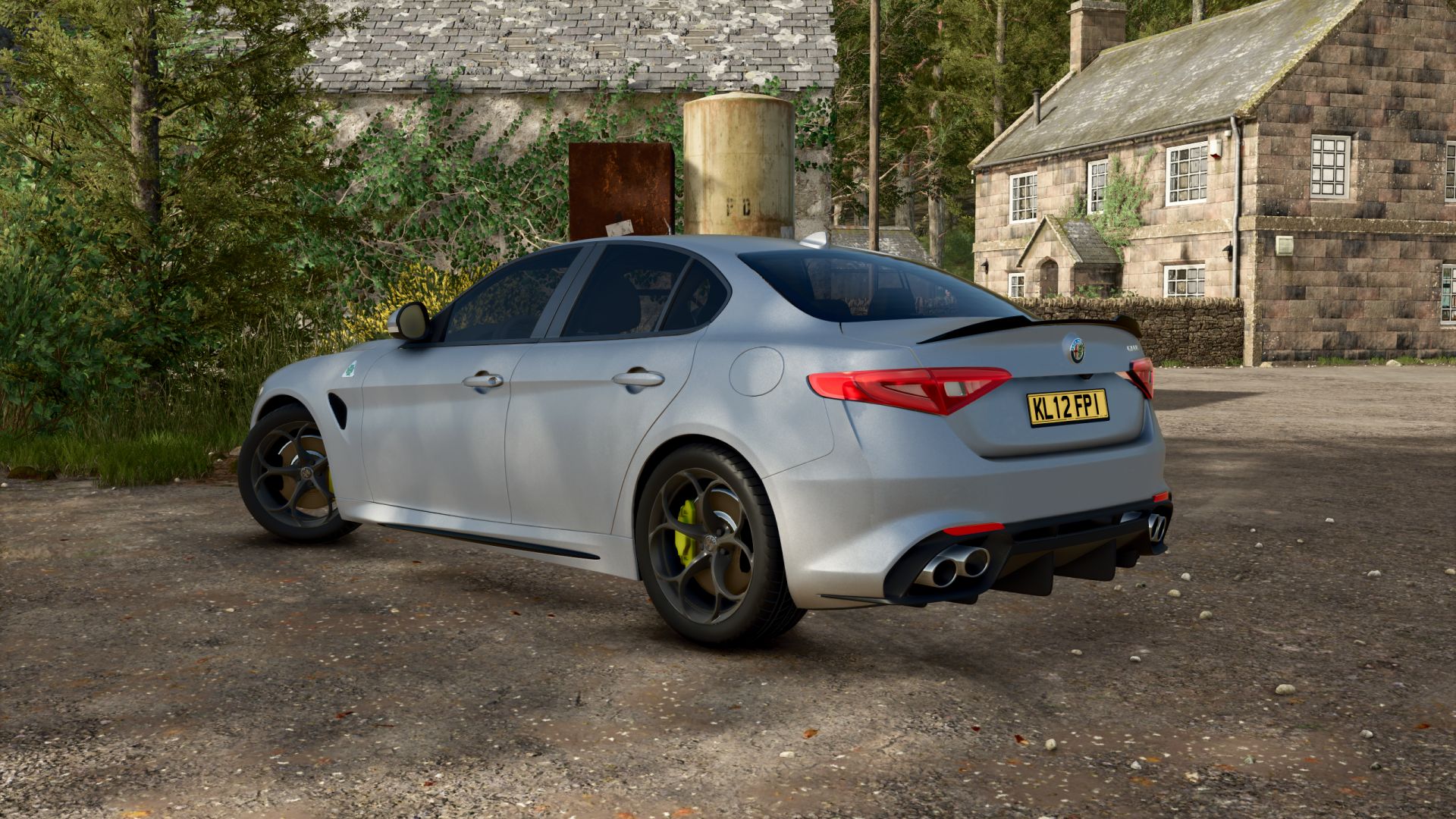
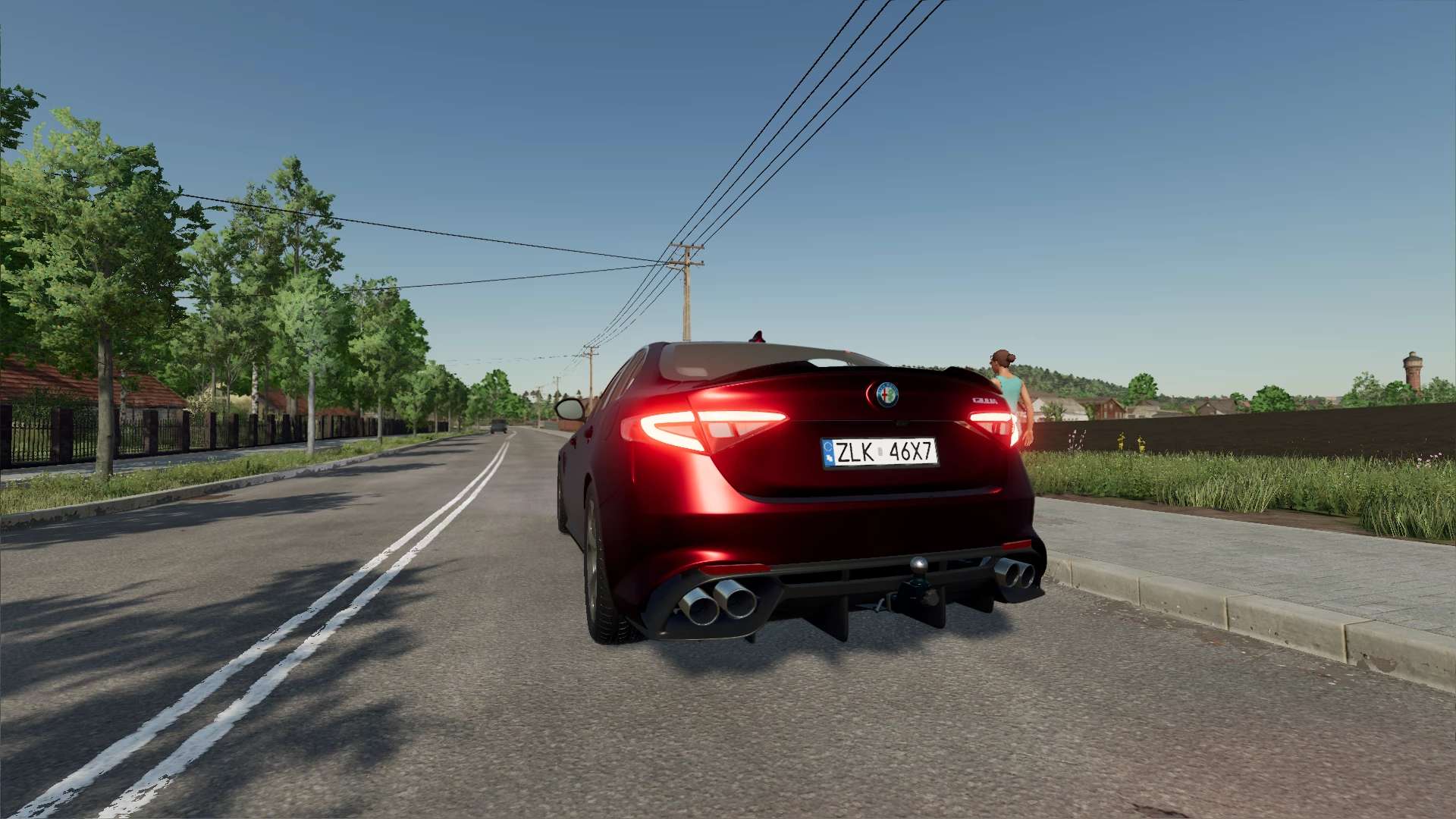
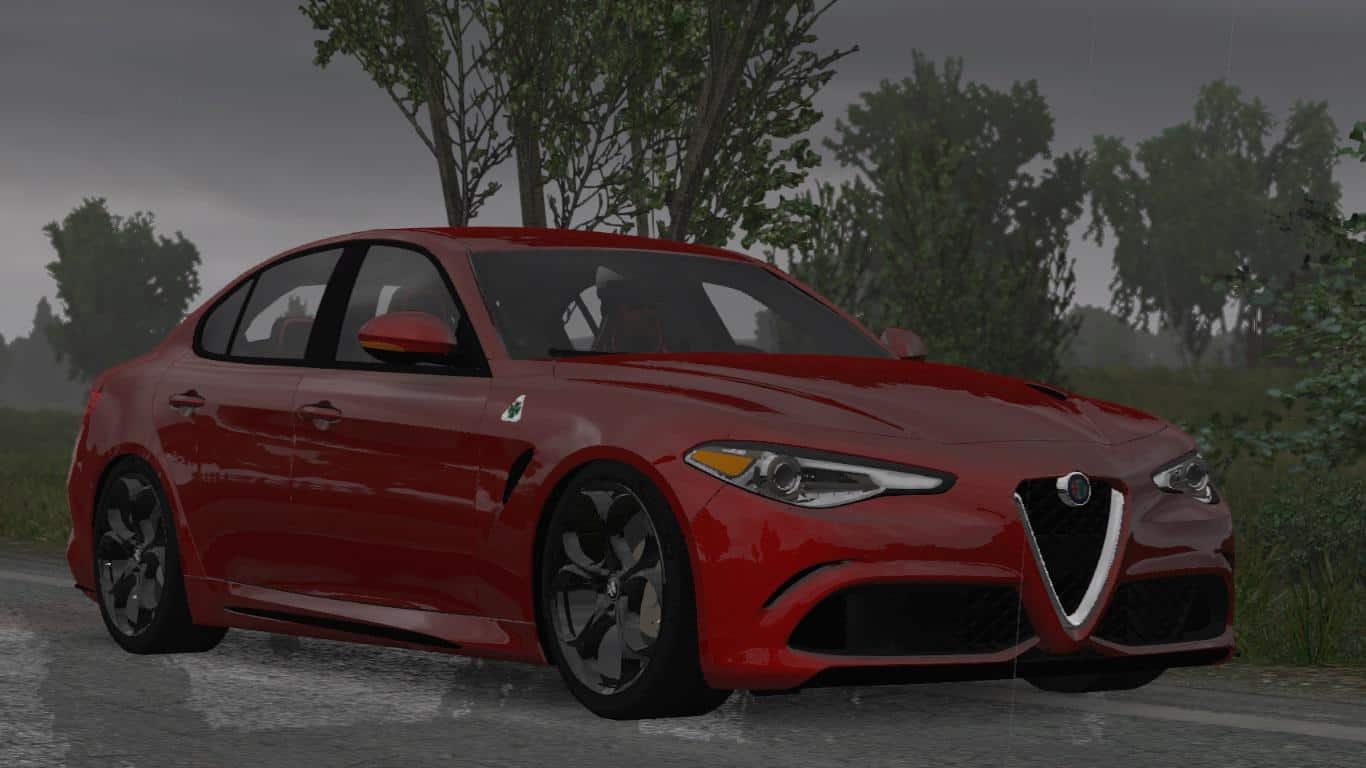
To modify an Alfa Romeo Giulia effectively in 2026, owners should prioritize a Security Gateway (SGW) bypass, followed by an ECU tune for significant power gains and high-quality lowering springs or coilovers to refine the Giorgio platform’s handling. Aesthetic upgrades like carbon fiber aero kits and performance exhaust systems complete the transformation for both 2.0T and Quadrifoglio models.
The Alfa Romeo Giulia (Type 952) remains one of the most celebrated sport sedans of the modern era. Built upon the rear-wheel-drive Giorgio platform, it offers a level of steering precision and chassis balance that often puts its German competitors to shame. However, like any mass-produced vehicle, the Giulia leaves room for personalization and performance optimization. Whether you own the spirited 2.0L turbocharged inline-four or the fire-breathing 2.9L V6 Quadrifoglio, this guide provides a comprehensive roadmap for upgrading your vehicle.
Understanding the Giulia Platform and the SGW Prerequisite
Before purchasing a single performance part, every owner of a 2018 or newer Alfa Romeo Giulia must address the Security Gateway (SGW) Module. Introduced by Fiat Chrysler Automobiles (FCA) to prevent unauthorized OBDII access, this hardware firewall blocks most aftermarket tuning tools and diagnostic scanners from writing data to the vehicle’s ECU.
To modify the software or even perform basic maintenance like electronic parking brake retraction, you must install an SGW Bypass block. This small device sits behind the dashboard, bridging the connection and allowing full communication with the car’s computer systems. Without this, most engine tunes and advanced coding modifications are impossible. Once the bypass is in place, the true potential of the Giulia can be unlocked.
The Giulia's architecture is divided primarily into two tiers: the "Base/Ti/Veloce" models powered by the 2.0L MultiAir engine, and the "Quadrifoglio" powered by the 2.9L 90-degree V6. While many suspension and aesthetic mods overlap, their powertrain requirements differ significantly.
Engine and Power Modifications
The heart of the Giulia's modification potential lies in its engine management. The 2.0L engine, in particular, is heavily detuned from the factory to maintain a gap between it and the Quadrifoglio.
ECU Tuning: Flash vs. Piggyback
In 2026, owners generally choose between two tuning philosophies:
- Piggyback Modules (e.g., JB4, Madness MAXPower): These devices intercept signals between the engine sensors and the ECU. They are popular because they can be removed before service visits, potentially preserving warranty coverage. They provide noticeable gains (approx. 35–50 hp), though they lack the refinement of a full remap.
- ECU Flashing (e.g., Euro+Drive, Squadra Tuning, Celtic Tuning): This involves rewriting the actual software on the Bosch engine controller. Flashing allows for much deeper optimization of ignition timing, fuel maps, and boost pressure. A "Stage 1" flash on a 2.0L Giulia can reliably push the car from 280 hp to roughly 310–330 hp and significantly increase torque across the rev range.
Intake Systems
The stock Giulia intake is surprisingly efficient, but it lacks the induction sound enthusiasts crave. Aftermarket "cold air" intakes from brands like EuroCompulsion or Injen replace the restrictive plastic airbox with high-flow filters and heat-shielded piping. While the horsepower gains are modest (5–10 hp), the improved throttle response and audible "whoosh" from the turbocharger enhance the driving experience.
Exhaust Upgrades
For the 2.0L models, the stock exhaust is notably quiet. A "cat-back" system from Remus or Ragazzon provides a deeper, more authoritative tone without excessive cabin drone. Quadrifoglio owners often look for "center-line" resonators or "valved" exhaust systems from Akrapovič or Capristo. These systems allow the V6 to scream at high RPMs while maintaining a civil volume for daily commuting. Removing the factory catalytic converters (downpipes) provides the largest power gain but may trigger check-engine lights and fail emissions inspections depending on your jurisdiction.
Suspension and Handling Refinement
The Giulia is already the class leader in handling, but its factory ride height—especially on North American models—is often criticized for being too high, creating a large "fender gap."
Lowering Springs
Lowering springs are the most cost-effective way to improve the Giulia's stance and center of gravity.
- H&R Sport Springs: These offer a more aggressive drop (approx. 1.2 to 1.5 inches) and a stiffer ride, which is ideal for track days but can be harsh on city streets.
- Eibach Pro-Kit: These provide a more subtle "Euro" drop (approx. 0.8 to 1.0 inches) and maintain a ride quality very close to the factory Veloce settings.
Coilovers
For drivers who want total control over ride height and damping, coilovers like the KW V3 or Bilstein B16 are the gold standard. These allow you to corner-balance the car and adjust the compression and rebound settings to suit your specific driving style. Coilovers are highly recommended for Quadrifoglio owners who find the stock electronic dampers either too soft in "Natural" mode or too punishing in "Race" mode.
Wheel Spacers
If you are keeping the factory wheels (such as the iconic 19-inch 5-hole "Teledial" wheels), adding spacers is a must. A setup of 12mm spacers in the front and 15mm in the rear pushes the wheels out to be flush with the fenders, giving the car a wider, more muscular appearance without requiring new tires.
Exterior Aesthetics and Aerodynamics
The Giulia's design is timeless, but it can be enhanced with elements inspired by the limited-run GTA and GTAm models.
Carbon Fiber Components
Carbon fiber is the primary material used for Giulia visual mods. Key areas for upgrade include:
- V-Shield Grille: Replacing the chrome or plastic "V" on the front grille with carbon fiber is a classic first mod.
- Mirror Caps: Real carbon fiber caps add a subtle premium touch.
- Rear Spoiler: The Quadrifoglio-style "ducktail" spoiler is a popular addition for base and Ti models, providing a more aggressive silhouette.
- Rear Diffuser: Upgrading to a more aggressive diffuser—especially one that accommodates larger exhaust tips—drastically changes the rear profile of the car.
GTA/GTAm Conversions
In 2026, several manufacturers offer body kits that replicate the look of the hardcore GTAm. These kits include widened front fenders, carbon fiber hoods with vents, and the massive adjustable rear wing. While expensive and labor-intensive to install, these mods turn a standard Giulia into a true head-turner.
Interior and Technology Upgrades
The interior of the Giulia is driver-focused, but early models (2017–2019) lagged behind in technology.
- Infotainment Retrofits: For older models that lacks factory Apple CarPlay or Android Auto, there are interface modules available that integrate these features into the existing 8.8-inch screen.
- Carbon Fiber Trim: Owners of base models often swap the wood or textured plastic interior trim for genuine carbon fiber kits to match the Quadrifoglio’s interior.
- Shift Paddles: The Giulia’s column-mounted aluminum paddles are legendary. If your car didn't come with them, they can be retrofitted, though it requires specific wiring harnesses and software activation via tools like MultiECUScan.
Summary of Modifications and Expected Impact
| Modification Category | Popular Component | Estimated Cost (USD) | Difficulty Level | Performance Impact |
|---|---|---|---|---|
| Engine | ECU Stage 1 Flash | $700 – $1,200 | Easy (Plug & Play) | High (+40-60 hp) |
| Electronics | SGW Bypass Block | $50 – $100 | Moderate (Under dash) | Required for Tuning |
| Suspension | Eibach Lowering Springs | $350 – $500 | Professional Recommended | Improved Handling/Look |
| Exhaust | Axle-back System | $800 – $1,800 | Moderate | Moderate Sound Gain |
| Aero | Carbon Rear Spoiler | $250 – $600 | Easy (Adhesive) | Aesthetic Only |
| Wheels | 12mm/15mm Spacers | $150 – $250 | Easy | Improved Stance |
Frequently Asked Questions
Will modifying my Giulia void the factory warranty?
In the United States, the Magnuson-Moss Warranty Act protects consumers, stating that a dealer cannot deny a warranty claim unless they can prove the aftermarket part caused the failure. However, an ECU tune is often a "gray area." If your engine fails and the manufacturer detects a non-factory flash, they may deny coverage for that specific repair. Always consult with a mod-friendly dealership before proceeding.
Does the 2.0L Giulia share parts with the Quadrifoglio?
The Giorgio platform is shared, but many components are specific to each trim. For example, the Quadrifoglio uses a different braking system (Brembo 6-piston) and carbon fiber driveshaft as standard. While some body panels and interior bits are interchangeable, performance parts like exhausts and engine tunes are not.
How much horsepower can the stock 2.0L engine handle?
The 2.0L GME engine is robust. Most tuners agree that the "safe" limit for the stock internals and turbocharger is around 350 hp and 380 lb-ft of torque. Pushing beyond this usually requires an upgraded turbocharger (hybrid turbo), high-pressure fuel pumps, and reinforced transmission components.
Is the SGW Bypass difficult to install?
The installation requires you to reach behind the dashboard, typically near the steering column or glovebox depending on the production year. It is a cramped space, and you will need to unplug two factory connectors to bridge them with the bypass. It generally takes an experienced enthusiast 20–40 minutes.
What is the most important "first mod" for a new owner?
Most owners agree that wheel spacers and a subtle drop (lowering springs) provide the most immediate satisfaction. The car's factory stance is its biggest visual weakness. Following that, a Stage 1 tune provides the "oomph" that the chassis clearly craves.
Practical Recommendations for 2026 Owners
When embarking on your Giulia modification journey, the best approach is incremental. Start with the SGW Bypass and a diagnostic tool like MultiECUScan; this allows you to monitor the car's health and perform your own service resets.
For those seeking the best "bang for buck" in 2026, a Stage 1 ECU flash combined with Eibach springs and 15mm spacers transforms the Giulia from a handsome sedan into a sharp, aggressive performer that can challenge much more expensive sports cars. If you own a Quadrifoglio, focus on a high-quality valved exhaust and carbon fiber aero to emphasize its exotic DNA without ruining the sophisticated ride quality Alfa Romeo worked so hard to achieve.
Always prioritize high-quality parts from reputable Alfa Romeo specialists rather than generic universal components. The Giulia is a precision instrument, and it responds best to components specifically engineered for the Giorgio platform.