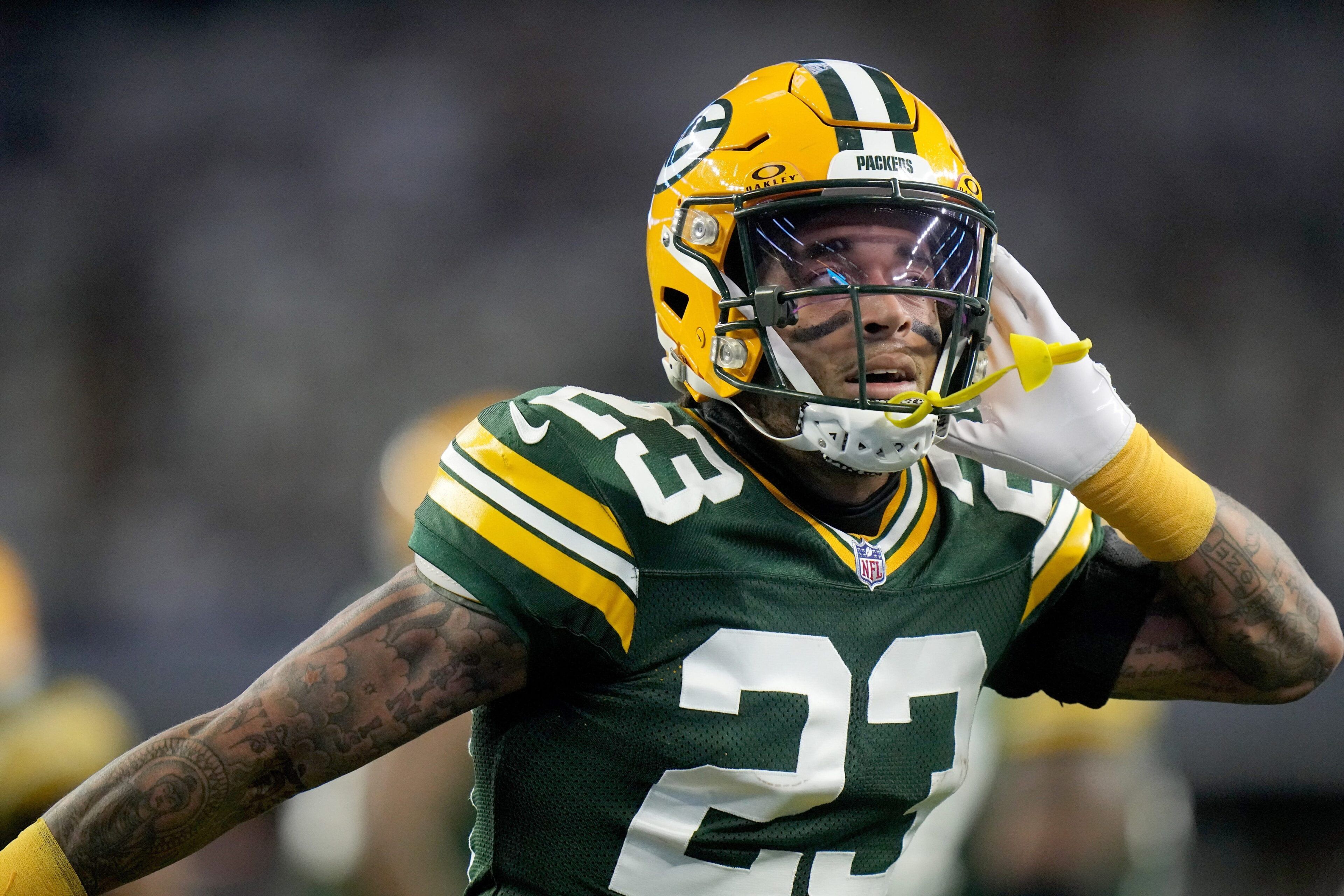
Alex Lewis navigated a challenging tenure in the National Football League, spanning from his selection in the 2016 NFL Draft to his final appearances in the early 2020s. His career trajectory was defined by his versatility across the interior offensive line, his resilience in overcoming significant injuries, and his transition through various high-profile franchises including the Baltimore Ravens, New York Jets, and Carolina Panthers.
The Foundation: Collegiate Success and Draft Profile
Before entering the professional arena, Alex Lewis established himself as a formidable presence in collegiate football. After beginning his career at the University of Colorado, he transferred to the University of Nebraska, where he served as a staple of the Cornhuskers' offensive line. His transition to Nebraska allowed him to showcase his ability to adapt to complex blocking schemes, an essential prerequisite for success at the professional level.
Lewis possessed the prototypical size and tenacity that NFL scouts prioritized during the mid-2010s. Standing at 6'6" and weighing approximately 310 pounds, he demonstrated the physical leverage necessary to excel as a guard or tackle. His scouting reports frequently highlighted his aggressive blocking style and his technical proficiency in pass protection, traits that solidified his draft stock. In the 2016 NFL Draft, the Baltimore Ravens selected Lewis in the fourth round (135th overall), placing him in a system known for demanding high-level discipline from its offensive linemen.
The Baltimore Years: Early Promise and Adjustments
The Baltimore Ravens provided Lewis with his first opportunity to prove his mettle at the highest level of professional football. His rookie season in 2016 served as a trial by fire. He was thrust into the starting lineup earlier than many mid-round selections, due to roster instability and his own ability to grasp the team’s offensive philosophy.
During his stint in Baltimore, Lewis demonstrated an ability to play multiple interior positions. While primarily deployed as a guard, his background allowed him to shift outside if necessary, providing the coaching staff with essential depth. However, the physical toll of NFL play became apparent early in his career. Injuries, a common reality for offensive linemen, began to disrupt his momentum. His time in Baltimore was characterized by flashes of high-quality play punctuated by stints on the injury report, forcing him to engage in a cycle of rehabilitation and re-acclimation that would define his professional endurance.
Trade and Transition: The New York Jets Era
In 2019, the Baltimore Ravens traded Lewis to the New York Jets. This move marked a significant turning point in his professional narrative. Joining a franchise undergoing its own rebuilding phase, Lewis was viewed as an experienced hand capable of stabilizing a developing offensive line.
His tenure in New York was marked by a persistent effort to secure a consistent starting role. Under various coaching regimes, Lewis had to prove his value repeatedly. This period emphasized the "next-man-up" mentality prevalent in professional football. Lewis adapted to different offensive schemes, ranging from zone-blocking concepts to power-running games. During the 2019 and 2020 seasons, his presence was critical during periods when the Jets faced significant personnel turnover. His legacy in New York is largely defined by his willingness to step into high-pressure situations, even when the broader organizational structure was struggling to find consistency.
Technical Versatility and the Life of a Lineman
To understand the trajectory of a player like Alex Lewis, one must appreciate the technical requirements of the offensive line. Success at the interior positions—guard and center—requires a distinct set of skills that differ from the perimeter duties of an offensive tackle.
| Skill Requirement | Importance for Guards | Application in Lewis's Career |
|---|---|---|
| Lateral Quickness | High | Vital for defending against quick interior defensive tackles. |
| Hand Placement | Critical | Necessary for maintaining leverage and controlling engagement. |
| Football IQ | High | Required for identifying blitz packages and line stunts. |
| Strength/Anchoring | Critical | Essential to prevent a "bull rush" from disrupting the pocket. |
Lewis’s ability to remain in the league for several seasons underscores his mastery of these fundamentals. Unlike skill-position players who rely on explosive speed, an interior lineman’s longevity is tethered to their technical consistency. Throughout his career, Lewis’s game tape reflected a commitment to maintaining a low center of gravity and utilizing aggressive hand strikes to dictate the tone of the play.
Overcoming Adversity: The Mental Aspect of the NFL
The "legacy" of a player who navigates several teams is often written in their ability to handle the mental pressures of the sport. Professional football is as much a psychological challenge as a physical one. Players are frequently subjected to roster churn, contract uncertainty, and the recovery process associated with high-impact injuries.
For Lewis, his journey involved navigating the realities of the business side of the NFL. Being traded and transitioning between different organizational cultures requires a high degree of adaptability. Veterans in the league often serve as mentors to younger players, even while fighting for their own roster spots. His career demonstrates the necessity of maintaining professional standards despite the instability of the environment. The resilience required to move from the AFC North (a notoriously physical division) to the AFC East highlights the mental flexibility needed to survive in the NFL over the long term.
The Final Chapters and NFL Impact
As Lewis’s career progressed into the 2020s, his role evolved into that of a seasoned veteran. His short stints with organizations like the Carolina Panthers towards the latter part of his career provided depth and experience. By this stage, his primary value to a franchise was his familiarity with the speed of the game and his capacity to assist younger draft picks in their transition to the professional ranks.
While he may not have been a perennial All-Pro selection, players of Lewis's profile are the backbone of the NFL. The league requires depth, and individuals who can reliably step in, understand a playbook, and perform under pressure are invaluable to general managers and head coaches alike. His journey serves as a representative case study for the "journeyman" professional—a player whose career is defined not by a single legendary moment, but by a consistent commitment to their craft despite the physical and organizational obstacles presented by the sport.
Frequently Asked Questions
What was Alex Lewis's primary position in the NFL?
Alex Lewis primarily played as an offensive guard throughout his NFL career. His experience, however, allowed him to provide depth as a tackle when necessitated by roster needs or injury crises within his various teams.
How did injuries impact Alex Lewis’s career path?
Like many offensive linemen, Lewis dealt with several injuries that interrupted his playing time. These injuries necessitated multiple recovery periods, which often hindered his ability to maintain a permanent starting position across his stints with the Ravens, Jets, and Panthers.
What is the significance of the "journeyman" status in the NFL?
A "journeyman" player is someone who plays for multiple teams throughout their career. This status is highly respected in the NFL as it implies a player is skilled enough to be consistently rostered, adaptable enough to learn multiple offensive schemes, and resilient enough to handle frequent organizational changes.
How does the career of a mid-round draft pick typically compare to high-round picks?
Mid-round picks (rounds 4–7) are often tasked with proving their value through special teams or as versatile backups. While high-round picks are expected to start immediately, mid-round players like Lewis often carve out long careers by becoming reliable "Swiss Army knife" assets who can fill multiple roles as needed.
How is an NFL player's legacy measured beyond statistics?
For an offensive lineman, legacy is often measured by games played, the ability to protect the quarterback, and the respect of peers and coaching staffs. Because guards and tackles lack traditional "glamour" stats like touchdowns or interceptions, their success is viewed through the lens of team consistency and reliability over time.
Moving Forward: The Evolving Landscape of the NFL
As we look at the NFL in 2026, the league continues to prioritize offensive line depth, perhaps even more than in the past. The rise of sophisticated pass-rushing schemes requires teams to invest heavily in reliable interior blockers. Athletes who emulate the career path of Alex Lewis—focusing on technique, versatility, and mental toughness—remain vital to the success of any franchise. Players seeking to replicate such a journey should prioritize the mastery of fundamentals and an open-minded approach to changing coaching philosophies, ensuring they remain valuable assets regardless of the team or system.