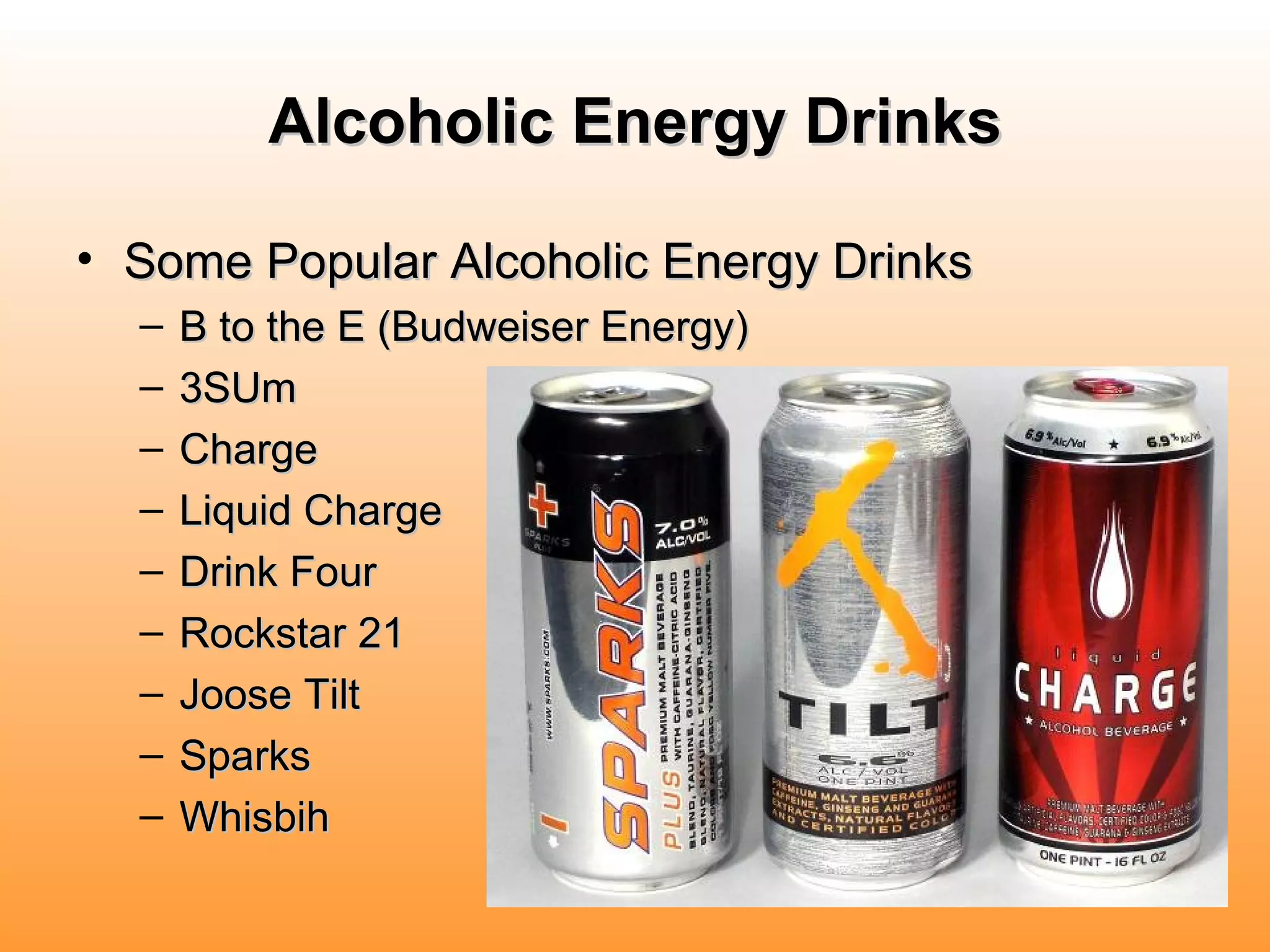
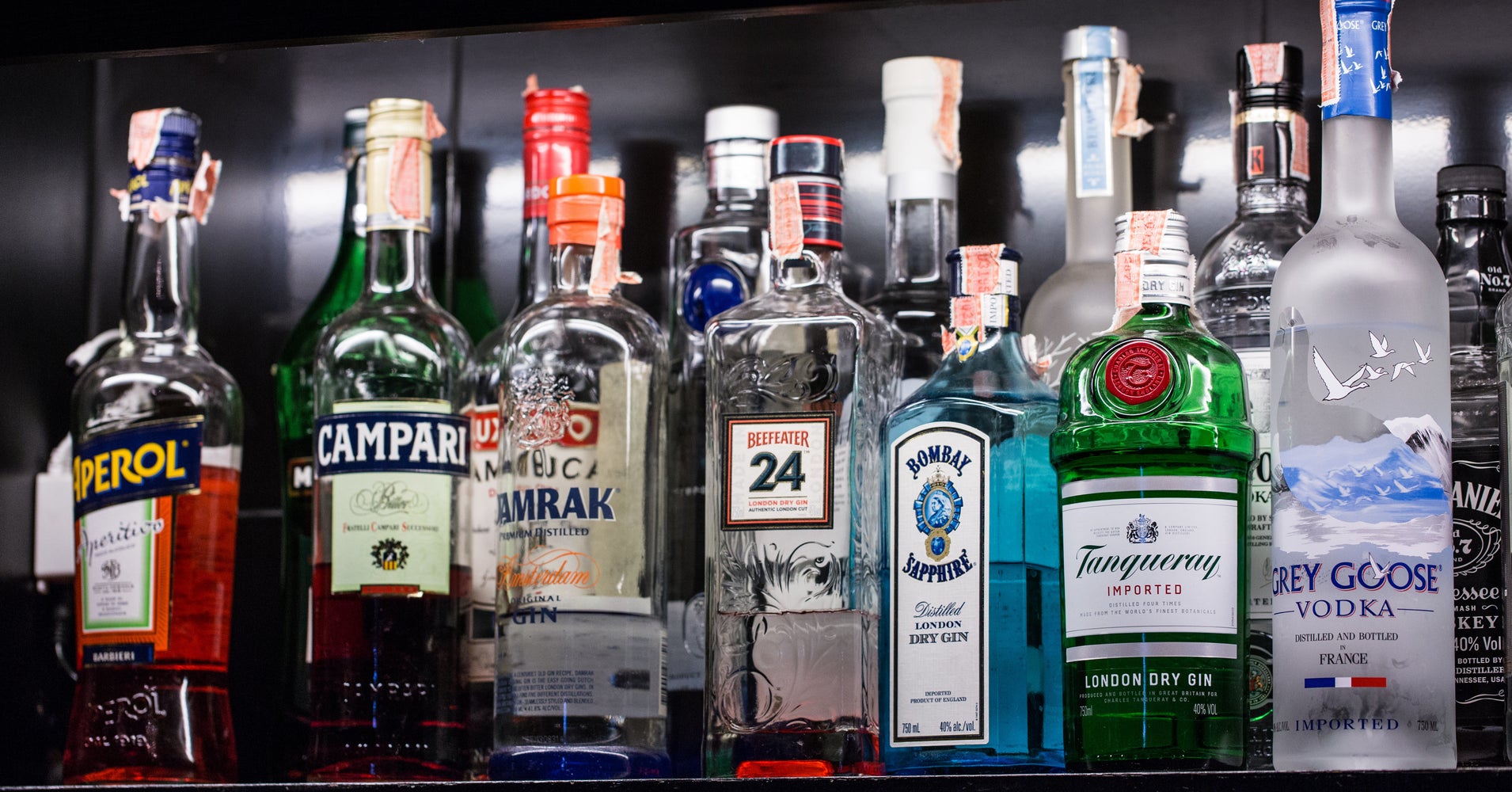
Distinguishing between non-alcoholic energy drinks and those containing actual alcohol requires looking beyond the branding and examining the label for specific ingredients and regulatory classifications. While many energy drinks are stimulant-heavy sodas, products containing "booze" are legally classified as malt beverages, spirits-based ready-to-drink (RTD) cocktails, or wine-based coolers, all of which fall under strict alcohol-by-volume (ABV) labeling requirements.
Understanding the Regulatory Landscape of Energy-Alcohol Products
The marketplace for beverages that combine the stimulating effects of caffeine with the depressant effects of alcohol is governed by complex regulations. In the United States, the Alcohol and Tobacco Tax and Trade Bureau (TTB) and the Food and Drug Administration (FDA) have historically scrutinized these products. Following concerns regarding the safety of "pre-mixed" caffeinated alcoholic beverages—most notably the 2010 regulatory actions that effectively removed original formulations of drinks like Four Loko from the market—the current landscape is much more transparent.
Today, if a beverage contains alcohol, it must be clearly labeled as such. Unlike non-alcoholic energy drinks, which are regulated by the FDA under food labeling laws, alcoholic energy drinks are treated as alcohol products. This means the container must state the percentage of alcohol by volume (ABV), identify the class of alcohol used (e.g., malt beverage, distilled spirits), and include the mandatory government health warning regarding pregnancy, machinery operation, and health impairments.
How to Verify if Your Drink Contains Booze
If you are unsure whether a product is a standard energy drink or an alcoholic one, you can determine its status through a systematic check of the packaging.
- The Government Warning Statement: The most reliable indicator is the Surgeon General’s health warning. By law, any beverage containing 0.5% alcohol or more by volume must bear the specific government warning statement on its packaging. If you see this block of text, the drink contains alcohol.
- ABV Percentage: Look for the ABV (Alcohol by Volume) percentage. Manufacturers are required to disclose this on the label of alcoholic beverages. Standard energy drinks, such as Red Bull, Monster, or Rockstar (in their standard, non-alcoholic formulations), will not have an ABV percentage.
- Ingredient Lists: Alcoholic energy drinks often list "malt beverage," "vodka," "tequila," or "wine" as primary ingredients. If a drink is marketed as an "energy cocktail," check the ingredient list for these sources of alcohol.
- Sales Location: In many jurisdictions, alcoholic energy drinks cannot be sold in the same areas as soft drinks. They are typically found in the alcohol aisle, behind a register in a liquor store, or in a refrigerated cooler section specifically designated for beer and wine.
Categorizing Alcoholic Energy Drinks
The term "alcoholic energy drink" is often used loosely by consumers to describe several distinct types of products. Understanding these categories is essential for identifying what exactly is in the can.
Malt-Based Energy Drinks
These are the most common variants. They use a fermented malt base, similar to beer, to which caffeine, taurine, guarana, and flavorings are added. Because the base is malt, these are often sold in the same section as domestic beers. Examples include various flavored "spiked" malt beverages that utilize branding consistent with high-energy imagery.
Spirits-Based RTDs (Ready-to-Drink)
These products contain distilled spirits, such as vodka or tequila, blended with caffeine-rich ingredients. These are typically higher in ABV than malt-based versions and are often sold in smaller cans or single-serve containers. The packaging will explicitly state the type of spirit (e.g., "Vodka and Energy").
Wine-Based Cocktails
While less common, some manufacturers create energy-infused wine coolers. These use a wine base rather than malt or spirits. These products are usually lower in ABV compared to spirit-based options but still carry the required health warnings and alcohol tax stamps.
Comparison of Beverage Types
The following table outlines the key differences between standard energy drinks and their alcoholic counterparts to assist in identification.
| Feature | Standard Energy Drink | Alcoholic Energy Drink |
|---|---|---|
| Primary Base | Carbonated water, caffeine, taurine | Malt, Spirits (Vodka/Tequila), or Wine |
| Label Requirement | FDA Nutrition Facts Label | TTB Alcohol Label (ABV + Health Warning) |
| Sales Restriction | None (General retail) | Age-restricted (ID required) |
| Health Warning | None (unless voluntary) | Required Government Warning |
| Regulatory Body | FDA | TTB |
Health and Safety Considerations
The combination of stimulants (caffeine) and alcohol creates a physiological effect that many medical experts warn against. The "masking effect" occurs when the stimulant properties of caffeine reduce the subjective feeling of intoxication. A consumer may feel more alert and energetic than they actually are, which can lead to overconsumption of alcohol.
Because alcohol is a central nervous system depressant and caffeine is a stimulant, the body receives conflicting signals. While the heart rate may increase due to caffeine, the motor coordination and judgment are simultaneously impaired by the alcohol. For those who consume these products, it is vital to track intake carefully, as the usual cues for "feeling drunk" may be diminished.
Frequently Asked Questions
Are all canned energy drinks with names implying "high energy" alcoholic? No. Many non-alcoholic energy drinks use names like "Blast," "Turbo," or "Rush" to appeal to consumers. Always check for the government-mandated health warning and the ABV percentage to confirm if the product contains alcohol.
Does a drink labeled "Hard" always mean it contains alcohol? In the beverage industry, the term "Hard" (e.g., Hard Seltzer, Hard Tea) is a marketing standard used to signify that the product contains alcohol. If you see the word "Hard" on a label, it is a definitive indicator that the product contains booze.
Can I buy alcoholic energy drinks in any grocery store? This depends entirely on local and state laws. Some states allow the sale of malt-based beverages in grocery stores, while others restrict the sale of all alcoholic products to state-licensed liquor stores. The location of the purchase is often a good indicator of the product's alcoholic content.
What should I do if I think a minor has purchased an alcoholic energy drink by mistake? Alcoholic energy drinks are legally classified as alcohol and are subject to the same strict purchase-age requirements. Retailers are required to verify identification. If a purchase is made by a minor, it usually suggests a failure in store policy enforcement. Return the item to the retailer, as they are legally obligated to manage the sale of age-restricted items correctly.
Is the caffeine content higher in alcoholic energy drinks? Not necessarily. The caffeine content in alcoholic energy drinks varies widely. Some contain levels similar to a standard cup of coffee, while others are highly concentrated. Always read the back of the label to understand the stimulant dosage alongside the alcohol content.
Practical Steps for Identification and Responsible Consumption
If you are in a retail environment and are attempting to determine if a beverage contains alcohol, prioritize these two steps:
- Check for the Surgeon General’s Warning: This is the most consistent marker across all brands. If it is present, the drink contains alcohol.
- Verify the ABV: If you do not see an ABV percentage, it is likely not an alcoholic product.
If you choose to consume these products, treat them with the same caution you would apply to any other alcoholic beverage. Because of the masking effect of caffeine, set a strict limit on how many units you consume in a single sitting. If you are operating a motor vehicle, participating in sports, or have underlying health conditions, avoid these drinks entirely. Always look for the TTB labeling standards to ensure you know exactly what is in your drink before you open it.