Alcoholic brain damage encompasses a spectrum of neurological impairments resulting from long-term, heavy alcohol consumption. These conditions range from mild cognitive deficits to severe, irreversible neurodegenerative disorders, often exacerbated by nutritional deficiencies and the neurotoxic effects of ethanol. Recovery outcomes depend heavily on the duration of alcohol exposure, the presence of comorbid nutritional deficits, and the timeliness of medical intervention.
The Neurobiological Impact of Chronic Ethanol Consumption
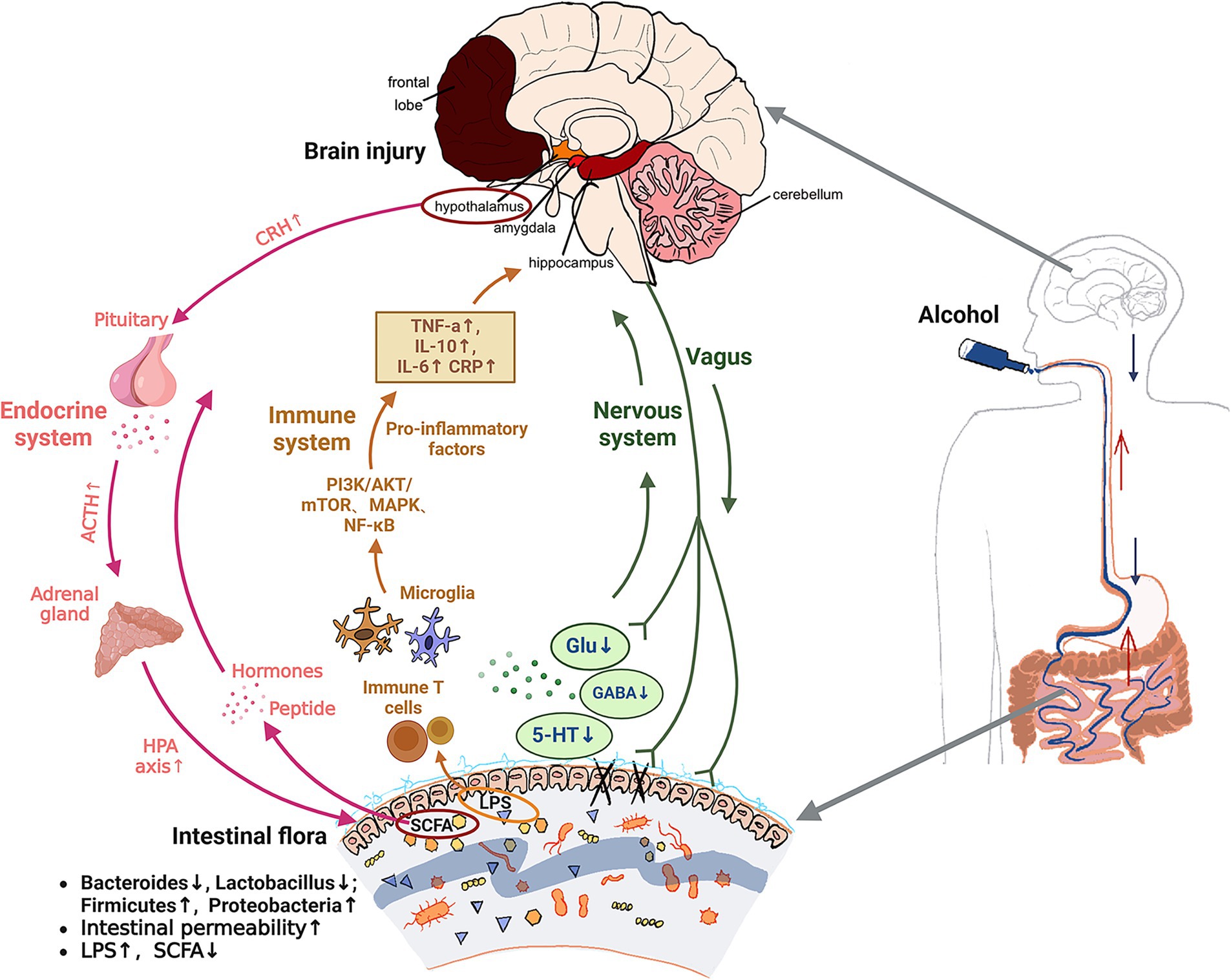
Alcohol acts as a potent central nervous system depressant. When consumed in excess over prolonged periods, it induces systemic changes that directly affect brain architecture and function. Ethanol and its primary metabolite, acetaldehyde, exert neurotoxic effects by disrupting neurotransmitter balance—specifically the inhibition of glutamate (the brain's primary excitatory neurotransmitter) and the potentiation of gamma-aminobutyric acid (GABA, the primary inhibitory neurotransmitter).
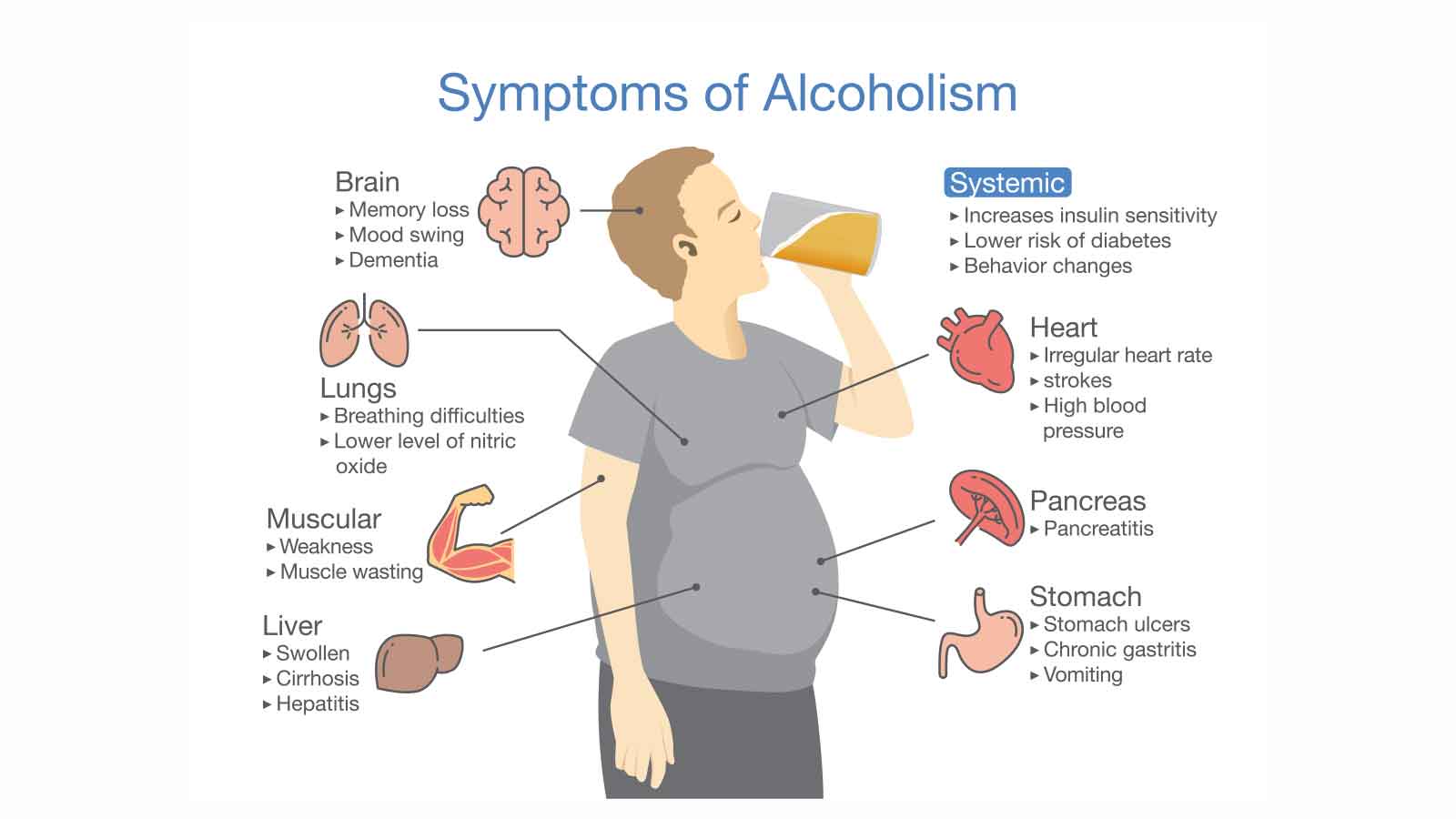
Beyond acute chemical shifts, chronic consumption triggers oxidative stress, causing widespread neuronal inflammation. Over time, this leads to structural changes, including ventricular enlargement and the loss of white and gray matter. The prefrontal cortex, which governs executive function, decision-making, and emotional regulation, is particularly susceptible to these structural modifications.
Wernicke-Korsakoff Syndrome: The Essential Distinction
One of the most critical clinical manifestations of alcohol-related brain damage is Wernicke-Korsakoff Syndrome (WKS). This is not caused by alcohol alone but by a secondary, severe thiamine (vitamin B1) deficiency, which is highly prevalent in individuals with heavy alcohol use patterns.
Wernicke’s Encephalopathy (The Acute Phase)
Wernicke’s Encephalopathy (WE) is a medical emergency. It is characterized by the "classic triad" of symptoms: confusion (mental status changes), ophthalmoplegia (paralysis of eye muscles or abnormal eye movements), and ataxia (loss of coordination). If detected early, WE can often be reversed or significantly improved through high-dose intravenous thiamine replacement therapy.
Korsakoff’s Syndrome (The Chronic Phase)
If Wernicke’s Encephalopathy goes untreated, it progresses to Korsakoff’s Syndrome, a chronic neuropsychiatric condition. The hallmark of this stage is severe anterograde amnesia (the inability to form new memories) and retrograde amnesia (loss of existing memories). Patients often exhibit "confabulation," where they fill in memory gaps with fabricated information, not out of a desire to deceive, but as a genuine attempt to make sense of a fragmented reality. Unlike the acute phase, the damage associated with Korsakoff’s Syndrome is frequently permanent.
Alcohol-Related Dementia and Cognitive Decline
Chronic alcohol use is an established risk factor for accelerated cognitive decline. Unlike Alzheimer’s disease, which features distinct protein plaques and tangles, alcohol-related dementia is characterized by the cumulative damage to the frontal lobes and cerebellum.
Patients with this condition typically present with:
- Difficulty with abstract reasoning and problem-solving.
- Reduced impulse control and poor social judgment.
- Diminished visuospatial skills.
- Problems with "executive function," making it difficult to organize tasks or maintain a daily routine.
While some cognitive improvement is possible upon cessation of alcohol, the degree of recovery is highly variable and often contingent upon the extent of the initial cerebral atrophy.
The Role of Nutritional Deficiencies
Alcoholism often leads to malnutrition, which serves as a force multiplier for brain damage. The digestive tract’s ability to absorb essential vitamins—particularly the B-complex vitamins—is severely compromised by ethanol.
- Thiamine (B1): Essential for glucose metabolism in brain cells. Deficiency leads to the selective death of neurons in the thalamus and hypothalamus.
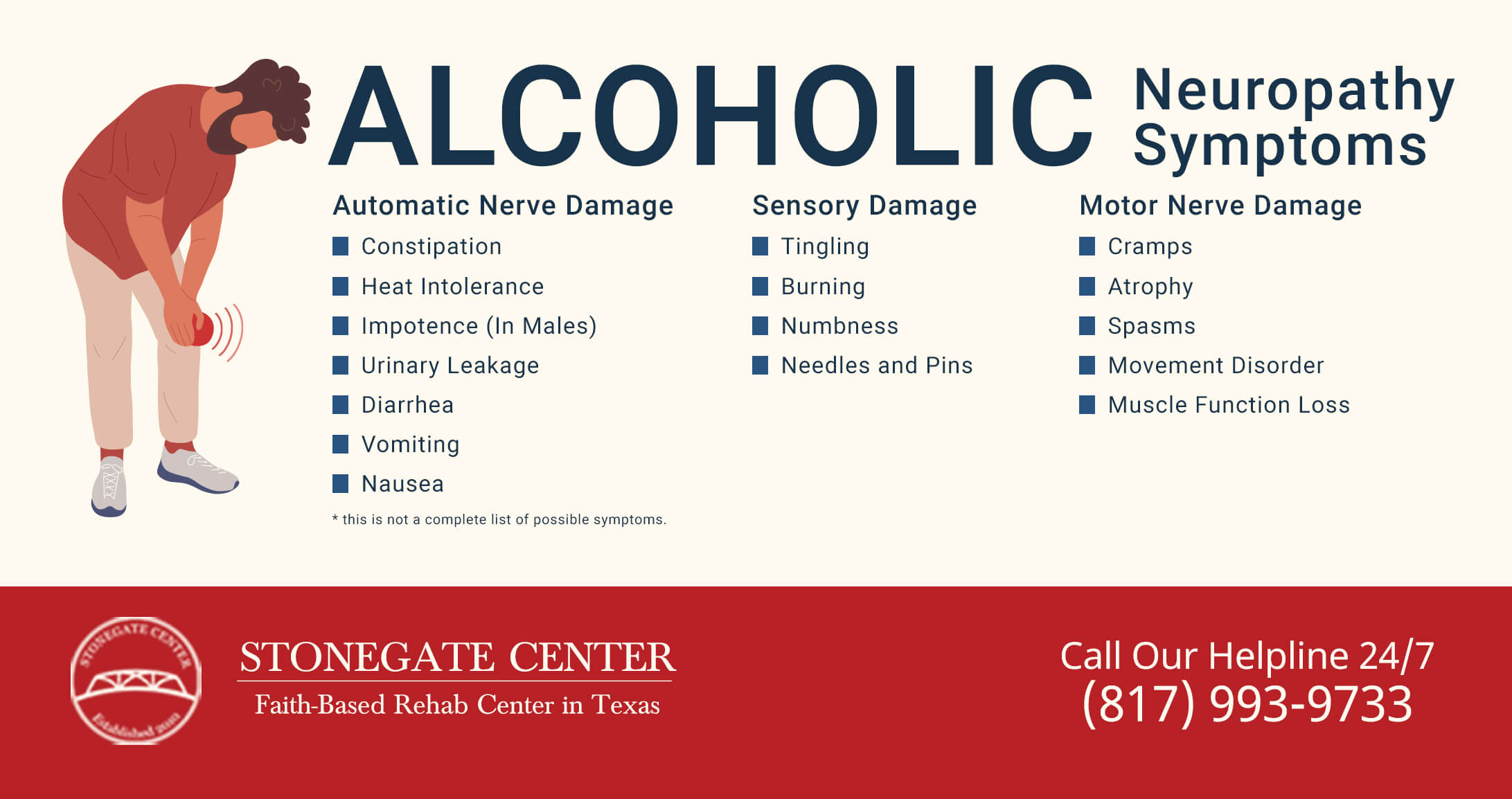
- Niacin (B3) and B12: Deficiencies here can lead to peripheral neuropathy and cognitive impairment, often mimicking symptoms of primary alcoholic dementia.
- Folate (B9): Deficiency is associated with increased homocysteine levels, which are toxic to neurons and increase the risk of vascular brain damage.
Diagnostic Procedures and Clinical Evaluation
Diagnosing alcoholic brain damage requires a multi-disciplinary approach involving neurology, psychiatry, and internal medicine. Since there is no single "biomarker" that identifies the condition, clinicians utilize a combination of diagnostic tools.
- Clinical Interviews: Establishing a timeline of consumption, nutritional history, and social functioning.
- Neuropsychological Testing: Standardized assessments like the Montreal Cognitive Assessment (MoCA) or Mini-Mental State Examination (MMSE) are used to map cognitive deficits.
- Neuroimaging: Magnetic Resonance Imaging (MRI) or Computed Tomography (CT) scans are essential for visualizing structural changes, such as cortical thinning or cerebellar shrinkage.
- Blood Chemistry: Testing for liver enzymes (ALT, AST), which are often elevated, and serum vitamin levels to confirm nutritional deficits.
Comparison of Alcohol-Related Brain Conditions
| Condition | Primary Cause | Primary Symptom | Reversibility |
|---|---|---|---|
| Wernicke's Encephalopathy | Acute Thiamine Deficiency | Eye movement issues, Ataxia | High (if treated early) |
| Korsakoff’s Syndrome | Chronic Thiamine Deficiency | Severe Amnesia, Confabulation | Low |
| Alcoholic Dementia | Chronic Neurotoxicity | Executive dysfunction | Moderate (variable) |
| Cerebellar Degeneration | Direct Ethanol Toxicity | Gait imbalance, tremors | Moderate (with abstinence) |
Treatment Strategies and Management
The foundation of any treatment protocol for alcoholic brain damage is the cessation of alcohol consumption. Even in advanced cases, stopping alcohol intake prevents further neurotoxic damage and allows the brain a period of potential stabilization.
Medical Stabilization
- Thiamine Replacement: High-dose thiamine, typically administered intravenously in hospital settings, is the standard of care for suspected Wernicke’s.
- Multivitamin Therapy: Supplementation of B-vitamins, magnesium, and other micronutrients is vital to address malnutrition.
- Liver Function Management: Protecting the liver is indirectly protective of the brain, as the liver clears metabolic toxins that would otherwise cross the blood-brain barrier.
Cognitive Rehabilitation
Post-acute treatment focuses on cognitive rehabilitation. Occupational therapy can help individuals relearn daily living skills, while speech and language therapy may address communication difficulties. Behavioral therapies (such as Cognitive Behavioral Therapy) are often employed to help patients manage the secondary emotional impacts of brain injury, including anxiety and depression.
Frequently Asked Questions
Is alcoholic brain damage always permanent?
Not necessarily. While some structural damage, particularly in severe Korsakoff’s cases, may be irreversible, the brain possesses neuroplasticity. Many individuals experience significant cognitive recovery within the first year of sobriety, provided they receive proper nutrition and medical oversight.
How much alcohol does it take to cause brain damage?
There is no "safe" threshold that guarantees immunity from neurological harm. Brain damage is often the result of cumulative exposure over years. However, high-intensity, binge-drinking patterns significantly increase the risk of acute neurological emergencies like Wernicke’s Encephalopathy.
Can vitamins fix the damage?
Vitamins, specifically thiamine, are essential for stopping the progression of conditions like Wernicke’s. While they cannot "repair" dead neurons, they provide the necessary environment for surviving neurons to function at their optimal capacity and for the brain to utilize neuroplastic pathways.
Does alcoholic brain damage lead to Alzheimer's?
While they are distinct conditions, they are linked. Chronic alcohol use can mimic the symptoms of Alzheimer's and may accelerate the onset of dementia in individuals who are already genetically predisposed to it.
How can I support a family member with this condition?
Support should focus on encouraging medical compliance (taking prescribed supplements), ensuring a healthy, balanced diet, and facilitating professional rehabilitation. Caregivers should prioritize patience, as memory and executive function deficits often make simple tasks challenging for the patient.
Next Steps and Professional Guidance
If you or a loved one are experiencing symptoms such as confusion, balance issues, or significant memory lapses following heavy alcohol use, seek medical attention immediately. These symptoms are not merely behavioral; they are potential signs of medical emergencies like Wernicke’s Encephalopathy.
Schedule an appointment with a primary care physician to request a referral to a neurologist. Be prepared to provide an honest, detailed history of alcohol consumption, as this information is critical for accurate diagnosis and the prevention of further neurological decline. In 2026, many specialized addiction medicine clinics offer integrated programs that combine substance use treatment with cognitive health monitoring.