Alcohol monitoring in the United States encompasses a range of clinical, workplace, and judicial technologies designed to detect, track, or measure ethanol consumption. These systems range from continuous transdermal ankle bracelets used in criminal justice programs to point-in-time breathalyzers and biomarker blood tests utilized in healthcare and occupational settings, establishing accountability and ensuring public safety across diverse jurisdictions.
Alcohol monitoring in the United States functions as a critical tool across criminal justice, clinical healthcare, and regulated workplaces. Driven by technological advancements and state-specific statutory frameworks, these systems help courts manage DUI offenders, assist healthcare monitoring programs in tracking medical professionals, and enable employers to maintain safety-sensitive environments. Understanding the mechanics, legal boundaries, and operational demands of these technologies is essential for participants, legal counsel, and administrators navigating the landscape of sobriety enforcement.
The Evolution and Purpose of Alcohol Monitoring Systems
The practice of monitoring alcohol consumption has evolved from simple subjective reporting and intermittent law enforcement stops to sophisticated, continuous scientific tracking. Historically, monitoring relied almost exclusively on standard law enforcement breath tests during traffic stops or post-incident investigations. While effective for immediate impairment checks, these spot-checks failed to provide insight into long-term behavioral compliance or continuous abstinence mandates.
Today, the primary goals of alcohol monitoring span public safety, offender rehabilitation, and workplace risk mitigation. In the judicial sector, courts implement monitoring to reduce recidivism among repeat driving under the influence (DUI) offenders. By imposing continuous or periodic sobriety checks, jurisdictions can safely manage individuals in the community rather than relying solely on incarceration, thereby reducing correctional costs while maintaining public protection. In clinical and professional settings—such as physician health programs—monitoring serves as an early-warning mechanism to protect patients while offering professionals a structured path toward rehabilitation.
Core Technologies Used in Alcohol Monitoring
To achieve reliable detection, modern monitoring relies on several distinct technological methodologies. Each approach offers unique benefits, limitations, and operational requirements that dictate its deployment in specific scenarios.
Continuous Transdermal Alcohol Monitoring
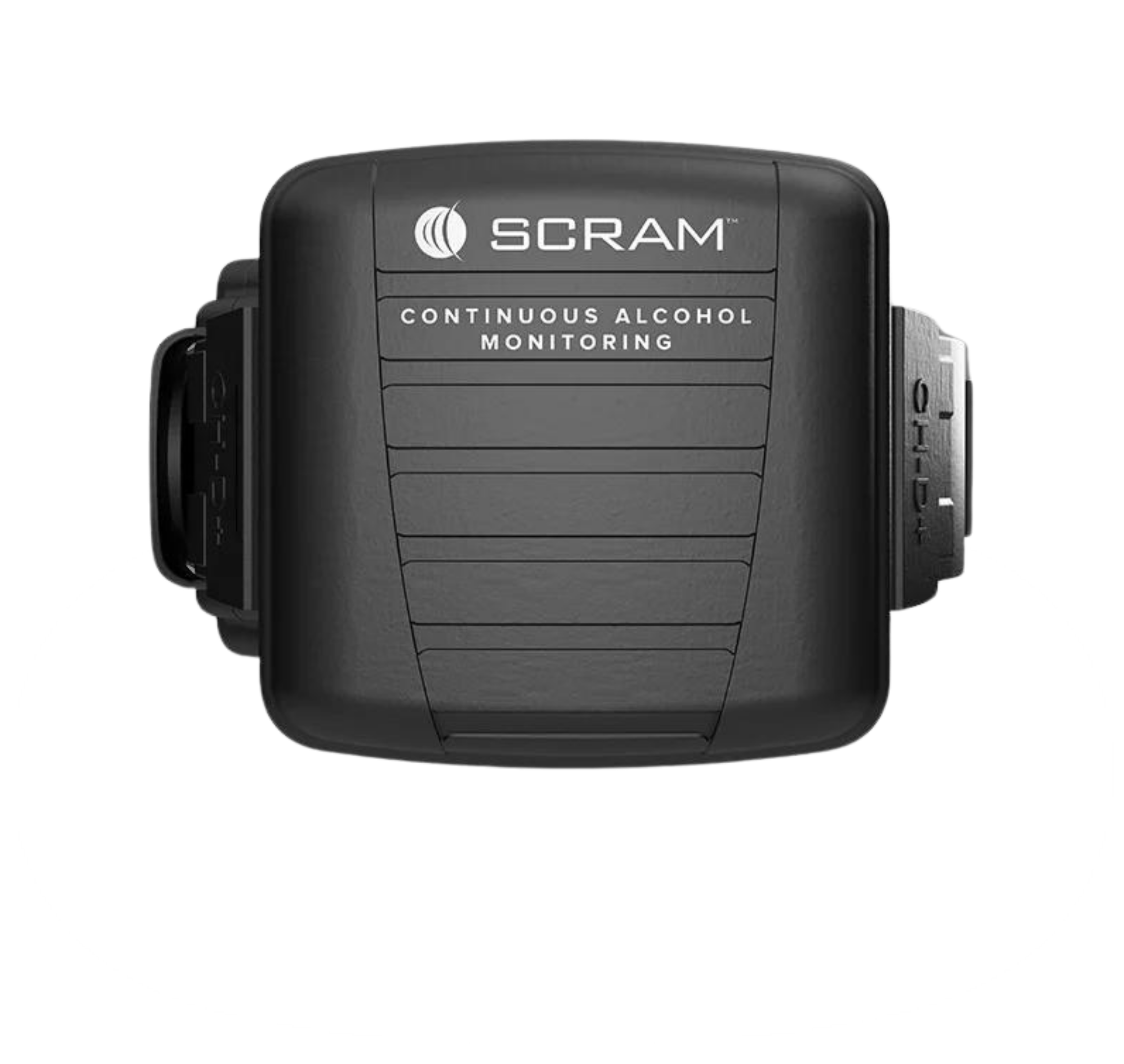
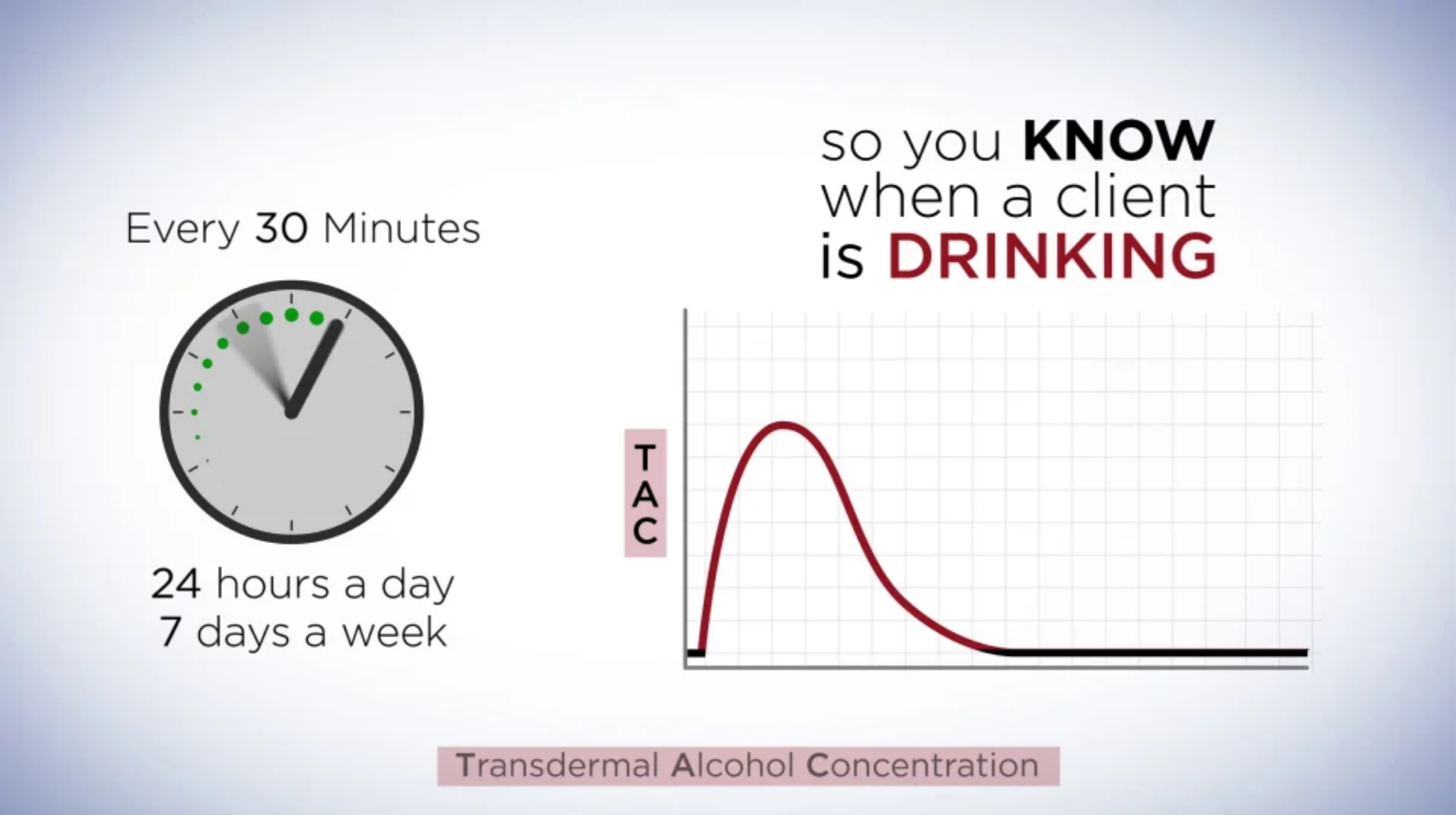
Transdermal monitoring systems, most notably exemplified by devices like the Secure Continuous Remote Alcohol Monitor (SCRAM), attach securely to an individual's ankle. These devices sample perspiration from the skin surface every 30 minutes, measuring the concentration of ethanol vapor. Because the body metabolizes and excretes a small percentage of alcohol through the skin (roughly 1% of ingested alcohol), continuous transdermal monitors can detect the presence of alcohol even in minute amounts.
These devices communicate data regularly to a central monitoring agency via landlines, cellular base stations, or smartphone applications. Any attempt to tamper with the bracelet—such as inserting foreign objects between the strap and the leg, blocking the sensor, or removing the unit—triggers a tamper alert. Transdermal monitoring is prized in judicial settings because it eliminates the gaps in accountability inherent in random testing, capturing covert drinking episodes that occur days or weeks apart.
Breath Alcohol Testing Devices
Breathalyzers remain a cornerstone of alcohol monitoring due to their direct correlation with blood alcohol concentration (BAC). Modern breath testing extends far beyond handheld roadside units carried by police officers:
- Ignition Interlock Devices (IIDs): Installed in the dashboard of a motor vehicle, an IID requires the driver to provide a breath sample before the engine will start. If the breath alcohol concentration exceeds a pre-set threshold (typically 0.02% or 0.04% depending on state law and program rules), the vehicle disables. Modern IIDs also require rolling re-tests while driving to prevent a sober third party from starting the vehicle for the user.
- Remote/Home Breathalyzers: These desktop or handheld cellular units require users to submit scheduled or random breath samples throughout the day. Equipped with facial recognition technology and internal cameras, these devices verify the identity of the person blowing into the tube, preventing proxy testing.
Biological Marker Testing
When historical consumption patterns or long-term abstinence verification is required, medical and legal authorities turn to biological marker tests. Unlike breath or transdermal devices that measure acute intoxication or very recent consumption, biomarkers analyze blood, urine, or hair samples to reveal patterns of use over extended windows.
- Phosphatidylethanol (Peth): A blood test that detects a direct phospholipid metabolite of ethanol. Peth testing can typically identify alcohol consumption occurring within the preceding two to four weeks, making it highly valuable in compliance monitoring.
- Carbohydrate-Deficient Transferrin (CDT): A blood serum test that measures altered forms of transferrin, indicating chronic, heavy alcohol consumption over a multi-week period.
- Ethyl Glucuronide (EtG) and Ethyl Sulfate (EtS): Urine or hair tests that detect minor non-oxidative metabolites of ethanol. While EtG urine tests can detect drinking within the past 24 to 72 hours, they are sensitive to environmental alcohol exposure (such as hand sanitizer or mouthwash), requiring careful interpretation by testing administrators.
| Monitoring Technology | Primary Detection Method | Typical Use Case | Detection Window / Frequency | Key Operational Limitation |
|---|---|---|---|---|
| Continuous Transdermal (SCRAM) | Ankle sensor measuring ethanol in insensible perspiration | Criminal justice, felony DUI, high-risk domestic violence cases | Continuous; sampled every 30 minutes | Susceptible to physical damage, false positives from environmental products containing alcohol. |
| Ignition Interlock Device (IID) | Breath analysis integrated with vehicle ignition | Post-conviction DUI sentencing, administrative license reinstatement | Per-trip and rolling re-tests | Requires vehicle access, regular calibration, and monthly maintenance. |
| Remote Breathalyzer | Cellular breath test with facial recognition | Pre-trial release, probation, professional monitoring programs | Scheduled and random intervals daily | Requires reliable cellular service and active user compliance with call-in schedules. |
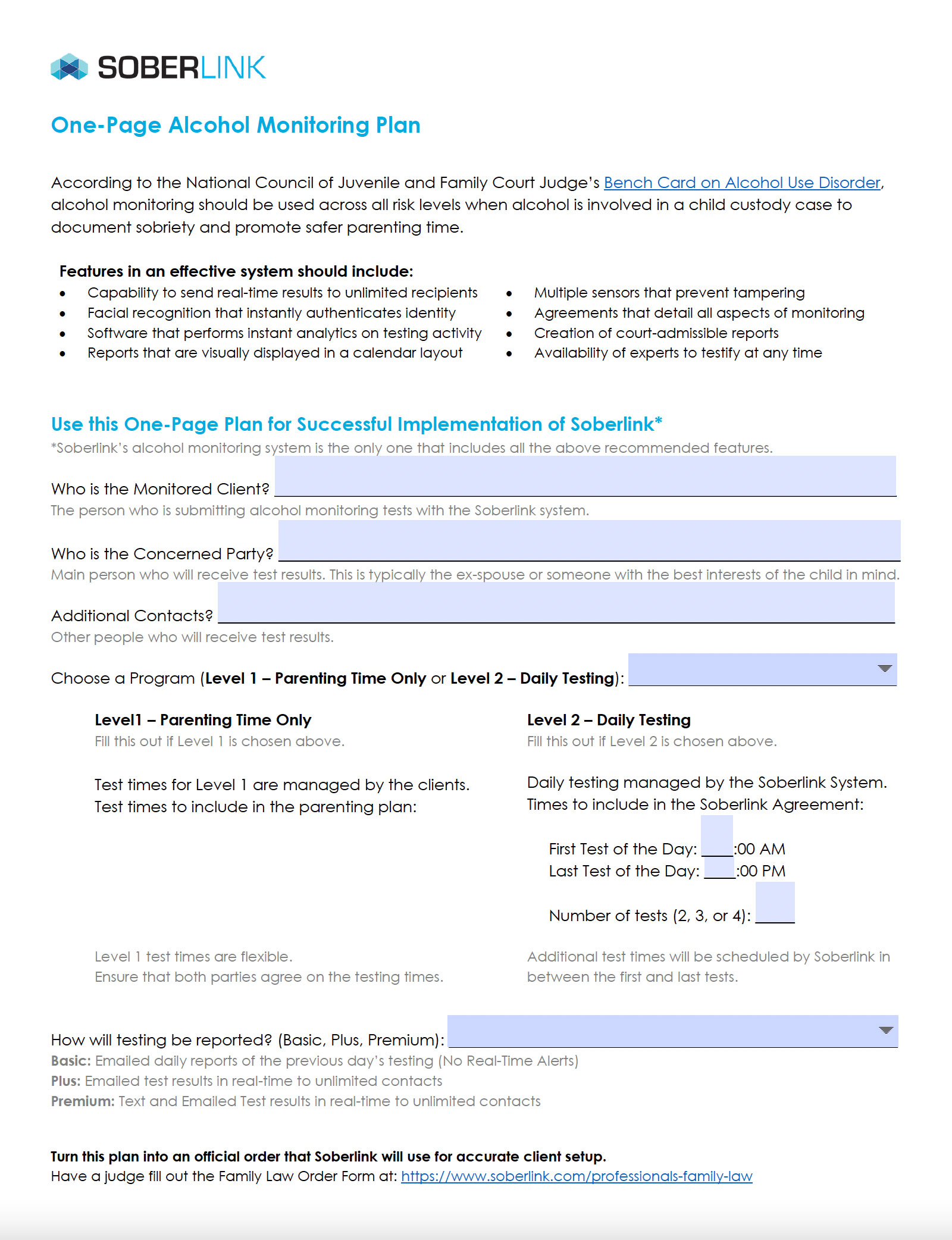
| Biological Markers (EtG/PEth) | Laboratory analysis of blood, urine, or hair | Clinical compliance, physician health programs, child custody disputes | Point-in-time (24 hours to 4 weeks depending on marker) | Does not provide continuous monitoring; urine EtG can be triggered by environmental exposure. |
Legal Frameworks and Judicial Applications
In the United States, alcohol monitoring is heavily governed by state statutes, administrative regulations, and judicial discretion. The legal application varies significantly depending on whether the monitoring is ordered as a condition of pre-trial release, probation, or parole.
Pre-Trial and Probationary Mandates
Courts across all 50 states utilize alcohol monitoring as an alternative to pre-trial detention. Under the Eighth Amendment and state bail laws, judges weigh public safety and flight risk. For defendants with a history of alcohol-related offenses, ordering a continuous alcohol monitoring bracelet or remote breathalyzer allows the court to grant release while ensuring community safety.
During probation, monitoring serves as a condition of suspended sentencing. Failure to comply—recorded as a confirmed drinking event, a missed test, or a device tampering alert—triggers a technical violation of probation. This often results in accelerated hearings, the revocation of probation, and the imposition of executed jail or prison sentences.
Ignition Interlock Laws
State legislation regarding ignition interlocks has expanded dramatically over the past two decades. Driven largely by advocacy groups like Mothers Against Drunk Driving (MADD) and federal highway funding incentives, nearly every state has enacted mandatory interlock laws for first-time and repeat DUI offenders.
Under these statutes, individuals seeking administrative license reinstatement or convicted of driving under the influence must install an approved IID at their own expense for a mandated duration. Compliance is strictly audited by state departments of motor vehicles or specialized monitoring authorities; any circumvention attempt or failed start is reported directly to the court or supervising agency.
Workplace and Professional Monitoring Programs
Beyond the criminal justice system, alcohol monitoring plays a pivotal role in maintaining safety in federally regulated industries and specialized professions.
Federal Regulations and Safety-Sensitive Roles
The U.S. Department of Transportation (DOT), along with operating administrations such as the Federal Aviation Administration (FAA), Federal Motor Carrier Safety Administration (FMCSA), Federal Railroad Administration (FRA), and Federal Transit Administration (FTA), enforces strict alcohol testing protocols for safety-sensitive employees. Under 49 CFR Part 40, transportation workers are subject to pre-employment, random, post-accident, and reasonable suspicion alcohol testing using evidential breath testing devices.
Similarly, the Nuclear Regulatory Commission (NRC) mandates rigorous fitness-for-duty programs, requiring nuclear power plant personnel to undergo behavioral observation and chemical testing to ensure absolute sobriety on the job.
Professional Health Programs
Healthcare professionals, including physicians, nurses, and pharmacists, often participate in Monitored Treatment Programs (MTPs) or Physician Health Programs (PHPs). Governed by state licensing boards and specialized monitoring organizations, these voluntary or mandated programs use random breathalyzer checks, Peth blood draws, and EtG urine screens. Successful compliance allows professionals to maintain their licenses and continue practicing under supervision, balancing public protection with rehabilitation support.
Operational Costs, Logistics, and Financial Responsibility
The administration of alcohol monitoring in the United States operates largely on a user-pay model, introducing significant logistical and financial considerations for participants.
Fee Structures and Financial Burden
Unlike traditional incarceration, where costs are absorbed by taxpayers, community-based alcohol monitoring typically requires the participant to cover all associated expenses. For example, a continuous transdermal ankle monitor often involves:
- An initial installation or activation fee.
- A daily monitoring fee (ranging from $5 to $12 or more per day).
- Equipment replacement deposits or insurance deductibles for accidental damage.
Ignition interlock devices involve installation fees, monthly calibration and lease fees, and removal charges. For low-income individuals, these cumulative costs can present a substantial barrier. While some jurisdictions offer indigent funds or sliding-scale fee structures subsidized by court administrative funds, availability varies widely by county and state, occasionally leading to legal challenges regarding equal protection and debtors' prison principles.
Calibration, Maintenance, and Data Integrity
The legal admissibility of alcohol monitoring data in court proceedings depends heavily on strict adherence to chain of custody, device calibration, and data integrity standards. Manufacturers and service providers must maintain rigorous quality control protocols. Breathalyzers and interlock units require periodic calibration against certified reference gases to ensure measurement accuracy.
Data transmitted from monitoring units to central servers must be encrypted and securely stored to protect user privacy while remaining accessible for evidentiary hearings. If a defense attorney challenges a tampering alert or a high BAC reading, the monitoring provider must be prepared to produce calibration logs, maintenance histories, and certified records of data transmission.
Common Challenges, False Positives, and Troubleshooting
Despite high levels of technological sophistication, alcohol monitoring systems are not infallible. Administrators, legal professionals, and users frequently navigate technical quirks and environmental interference.
Environmental False Positives
Transdermal monitors and sensitive breathalyzers can occasionally register false positives triggered by environmental sources of ethanol or interfering compounds. Common culprits include:
- Hand sanitizers, cosmetics, and colognes containing isopropyl or ethyl alcohol.
- Certain foods, mouthwashes, and breath sprays.
- In rare cases, medical conditions such as severe diabetes resulting in ketoacidosis, which can produce chemical compounds mistaken for ethanol by older or less sophisticated fuel-cell sensors.
To mitigate false positives, modern monitoring protocols mandate confirmation procedures. When a transdermal monitor registers an elevated skin alcohol level, it typically looks for a classic drinking curve—a gradual rise, peak, and systematic elimination phase—rather than a sudden, flat spike, which usually indicates environmental exposure or physical contamination rather than systemic ingestion.
Device Malfunctions and Connectivity Issues
Cellular dead zones, depleted internal batteries, and physical damage can interrupt data transmission. When a remote breathalyzer fails to upload a scheduled test due to poor cellular coverage, the system registers a missed test. Participants are typically required to follow strict troubleshooting protocols, such as moving to an open area, syncing via Wi-Fi, or immediately contacting their supervising officer to report technical difficulties before an administrative violation is filed.
Frequently Asked Questions
Can over-the-counter medications trigger an alcohol monitoring device?
Yes, certain over-the-counter products, such as liquid cold medications, breath sprays, and mouthwashes containing alcohol, can register on breathalyzers or transdermal monitors if used immediately prior to testing. However, advanced monitoring devices analyze breath patterns and absorption curves to distinguish between ingested beverage alcohol and residual mouth alcohol, and testing protocols usually allow for a brief re-test window to clear residual substances.
Who pays for court-ordered alcohol monitoring equipment?
In the vast majority of jurisdictions in the United States, the participant or offender is financially responsible for the cost of installation, daily monitoring fees, and maintenance. While some courts provide indigent waivers or sliding-scale fees for individuals experiencing severe financial hardship, these accommodations are not universally guaranteed.
What happens if a transdermal ankle monitor detects a drinking event?
When a transdermal device detects alcohol consumption, it records the event along with a timestamp and uploads the data during the next scheduled transmission. The monitoring agency reviews the data pattern to rule out environmental interference. If confirmed as a drinking event, the agency notifies the probation officer, pre-trial services, or the court, which typically results in the issuance of a warrant, a compliance hearing, or a probation revocation proceeding.
Are ignition interlock devices required for first-time DUI offenders?
Ignition interlock requirements vary significantly by state. A majority of U.S. states have enacted mandatory all-offender interlock laws, requiring IID installation even for first-time DUI convictions, particularly if the blood alcohol concentration exceeded a specific threshold (such as 0.08% or 0.15%). Other states reserve mandatory interlocks for repeat offenders or high-BAC levels, relying on judge discretion for first-time offenders.
How accurate are continuous alcohol monitoring ankle bracelets?
Continuous transdermal monitoring devices are highly reliable when properly calibrated and fitted. They do not measure exact blood alcohol concentration directly in the bloodstream; instead, they measure transdermal alcohol concentration (TAC) via perspiration vapor. Because TAC correlates closely with BAC (typically lagging behind blood levels by approximately 30 to 60 minutes), courts widely accept properly authenticated transdermal data as reliable evidence of abstinence compliance.
Practical Recommendations for Program Compliance
Navigating an alcohol monitoring program requires strict adherence to operational guidelines and proactive communication. Individuals subject to monitoring—whether for judicial, professional, or personal accountability—should adopt the following practices to ensure seamless compliance:
- Read and Understand the Program Agreement: Review all terms, restrictions, fee schedules, and testing schedules outlined in your monitoring contract. Ignorance of testing windows or prohibited products is not accepted as a valid excuse for non-compliance.
- Audit Personal Products: Eliminate household and personal care products containing ethanol. Switch to alcohol-free hand sanitizers, deodorants, and mouthwashes to prevent accidental environmental alerts.
- Maintain Open Communication with Supervisors: If you experience device damage, connectivity issues, or medical emergencies, notify your monitoring officer or program administrator immediately and document the communication in writing.
- Keep Equipment Charged and Serviced: Ensure that remote breathalyzers and transdermal base stations are plugged in and fully charged at all times. Never miss scheduled maintenance or calibration appointments for ignition interlock devices.