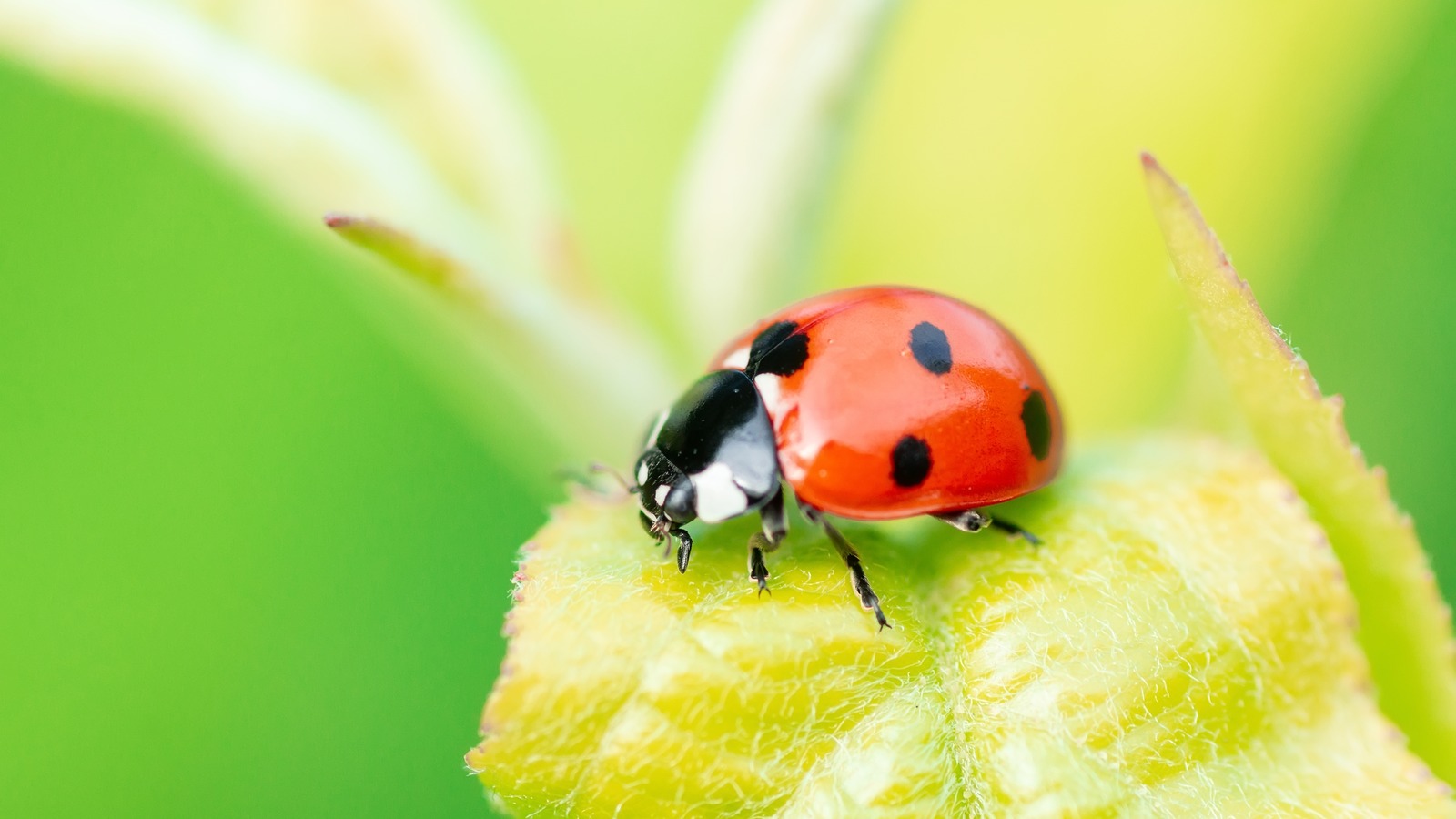
If you discover a white or "albino" ladybug in your home, you are likely looking at a lady beetle that has recently undergone the molting process and has not yet developed its final pigment. While true genetic albinism is exceptionally rare in the insect world, these pale specimens are usually "teneral" adults or belong to specific species like the Ash-gray Lady Beetle, often seeking shelter indoors during seasonal transitions.
The sight of a stark white ladybug crawling across a windowsill or ceiling often sparks curiosity and concern. In the residential context of 2026, where homeowners are increasingly attuned to biodiversity and indoor air quality, understanding whether these insects are a rare omen, a specific pest, or a common biological curiosity is essential for proper home maintenance. This guide explores the biological reality behind "albino" ladybugs, why they enter human habitations, and how to manage their presence effectively.
The Biological Reality of the Albino Ladybug
The term "albino ladybug" is widely used by the public, but it is technically a misnomer in entomology. In mammals, albinism is a genetic condition resulting in the absence of melanin. In ladybugs (family Coccinellidae), the white appearance usually stems from one of two distinct biological scenarios: the teneral stage of development or species-specific coloration.
The Teneral Stage: A Temporary Mask
The most common reason for seeing a white ladybug in your home is that the insect has just emerged from its pupal stage. When a ladybug undergoes metamorphosis and transitions from a stationary pupa to an active adult, its exoskeleton (elytra) is initially soft and lacks pigment. During this period, known as the teneral stage, the ladybug appears white, pale cream, or a translucent yellow.
Within a few hours to a day, the beetle’s body undergoes a chemical hardening process called sclerotization. During this time, the characteristic reds, oranges, or yellows begin to manifest, and the black spots (if the species has them) gradually darken. If you find a white ladybug in your home, it is often a sign that a colony has established a breeding or overwintering site nearby, allowing you to witness this specific life stage.
Naturally Pale Species
Not all white ladybugs are waiting for their color to arrive. Several species are naturally pale. The Ash-gray Lady Beetle (Olla v-nigrum) is a prominent example often found in North American homes. This species is naturally a light gray or white with tiny black spots. Another candidate is the Fifteen-spotted Lady Beetle (Anatis labiculata), which can appear very pale or even white in certain color morphs before aging into a deep purple or black.
Why Are Ladybugs Entering Your Home?
Finding ladybugs indoors is rarely a coincidence. In the current 2026 climate, shifts in local weather patterns often drive these insects toward the stable temperatures of human dwellings. Most white ladybugs found indoors are actually the Multicolored Asian Lady Beetle (Harmonia axyridis) in their teneral state.
Overwintering Behavior
As temperatures drop in the autumn, ladybugs seek crevices in which to hibernate. In their native habitats, they often choose cliffs or rock outcroppings. In suburban and urban environments, the light-colored siding of a house or the warmth radiating from a poorly insulated wall serves as a substitute. Once one beetle finds a suitable spot, it releases aggregation pheromones, chemical signals that tell other ladybugs, "This is a safe place to sleep." This can lead to hundreds or even thousands of beetles congregating in wall voids.
Structural Vulnerabilities
Ladybugs do not "eat" your house; they simply use it as a hotel. They enter through:
- Gaps in window screens or frames.
- Unsealed utility penetrations (where pipes or wires enter the home).
- Cracks in the foundation or siding.
- Vents in attics and crawlspaces that lack fine mesh screening.
If you see white ones, it means the population is active enough that new adults are emerging from pupae within the warmth of your walls, mistaking the indoor heating for the arrival of spring.
Identification Guide: "Albino" vs. Common Species
To manage these insects, you must first identify what you are looking at. The following table highlights the differences between the common "white" beetles found in residential settings.
| Feature | Teneral (Newly Molted) | Ash-gray Lady Beetle | Multicolored Asian Lady Beetle |
|---|---|---|---|
| Primary Color | Pure white to pale yellow | Ash-gray or off-white | Orange, Red, or Yellow |
| Spot Pattern | None (initially) | Tiny, distinct black spots | 0 to 19 spots; "M" shape on thorax |
| Texture | Soft, almost "waxy" | Hard, matte | Hard, shiny |
| Behavior | Slow-moving, stays near pupa | Active, predatory | Aggressive, seeks light/windows |
| Common Location | Near crevices or houseplants | Near trees/shrubs (accidental entry) | Windowsills, ceilings, wall voids |
Are White Ladybugs Dangerous?
For most homeowners, "albino" ladybugs represent more of a nuisance than a health or safety hazard. However, there are specific factors to consider regarding their presence in a domestic environment.
Reflex Bleeding and Staining
When threatened or crushed, ladybugs exhibit a defense mechanism known as reflex bleeding. They excrete a foul-smelling, yellowish fluid (hemolymph) from their leg joints. This fluid is not toxic to humans, but it can cause permanent yellow stains on white curtains, upholstery, and light-colored walls. Because white (teneral) ladybugs are softer than fully hardened adults, they are easier to accidentally crush, making the staining risk higher.
Allergies and Bites
The Multicolored Asian Lady Beetle is known to be more aggressive than native species. While they do not have stingers and do not carry diseases, they can "pinch" or bite human skin. For most, this is a minor irritation. However, in large infestations, the dust created by decaying beetle carcasses in wall voids can trigger respiratory issues or allergic reactions (rhinitis or asthma) in sensitive individuals.
Impacts on Indoor Plants
If you have an indoor garden or many houseplants, a white ladybug is actually a beneficial guest. Ladybugs are voracious predators of aphids, scale insects, and mites. If you find a newly molted ladybug near your plants, it is likely there because its "mother" laid eggs nearby to ensure the larvae had a steady food supply.
Professional Management and Removal Strategies
If you find yourself facing more than a few stray insects, a systematic approach to removal is necessary. By 2026 standards, integrated pest management (IPM) emphasizes exclusion and non-toxic removal over heavy pesticide use.
The Vacuum Method
The most effective way to remove ladybugs without triggering reflex bleeding is to use a vacuum. To prevent the insects from being crushed inside the machine, use a knee-high nylon stocking method:
- Insert the stocking into the end of the vacuum wand.
- Fold the top of the stocking over the edge of the wand and secure it with a rubber band.
- Suck the ladybugs into the stocking.
- Remove the stocking, tie it off, and release the insects far from the home or dispose of them.
Sealing and Exclusion
Removing the insects is a temporary fix if the entry points remain open. Focus on the following areas:
- Caulking: Apply high-quality exterior caulk to gaps around window and door frames.
- Weatherstripping: Ensure door sweeps are functional and bottom seals on garage doors are tight.
- Screening: Replace damaged window screens and ensure attic vents are covered with 20-mesh or finer screening.
Deterrents and Natural Repellents
If you prefer to avoid chemicals, certain scents are known to be distasteful to ladybugs. Essential oils such as clove, peppermint, and citrus can be diluted with water and sprayed around entry points. While these do not kill the beetles, they can disrupt the pheromone trails that lead other beetles into your home.
Common Mistakes to Avoid
When dealing with "albino" ladybugs, homeowners often make errors that complicate the situation:
- Using Bug Bombs: Total release foggers rarely reach the beetles hiding deep within wall voids. They often result in a layer of dead beetles in inaccessible areas, which can attract secondary pests like carpet beetles.
- Squashing Them: As mentioned, the yellow hemolymph is an irritant and a staining agent. Always use a capture-and-release or vacuum method.
- Ignoring the "M": If the white ladybug eventually turns orange and has a black "M" or "W" shape on its white pronotum (the area behind the head), it is an Asian Lady Beetle. These are the ones most likely to return in large numbers year after year.
FAQ
Is a white ladybug rare?
A truly albino ladybug—one with a genetic mutation preventing pigment—is exceptionally rare. However, seeing a white ladybug is common if you are observing a beetle that has just emerged from its pupal case (teneral stage) or if you have encountered an Ash-gray Lady Beetle.
Why do I find white ladybugs on my ceiling?
Ladybugs are attracted to light and warmth. In the winter, they move toward the interior of the home where the air is warmest, which is typically near the ceiling. They also congregate on light-colored surfaces, which they mistake for the sun-warmed rocks they use in the wild for overwintering.
Do white ladybugs lose their spots?
If the ladybug is in its teneral stage, it doesn't "lose" its spots; it hasn't developed them yet. As the exoskeleton hardens over 24 hours, the spots and primary color (red or orange) will slowly appear. If the ladybug is an Ash-gray species, it will keep its white/gray color and spots for its entire adult life.
Are white ladybugs poisonous to dogs?
Ladybugs contain small amounts of toxic chemicals (alkaloids) that make them taste bitter to predators. While a dog eating one or two is unlikely to suffer anything more than a stomach upset, large-scale ingestion of Asian Lady Beetles can cause chemical burns in a dog's mouth or digestive tract. If you see your pet obsessively eating them, contact a veterinarian.
Can I keep a white ladybug as a pet?
You can keep a ladybug in a terrarium temporarily, but it is difficult to maintain the correct humidity and food source (aphids) for them to thrive. If it is a white teneral beetle, you will likely see it change color within a day. It is generally better to release them outdoors near a garden where they can hunt pests.
Does a white ladybug mean I have an infestation?
Finding one or two is normal. However, if you see several "albino" or pale ladybugs, it suggests that a significant population is breeding or pupating within your walls or attic. This is a sign that you should inspect your home's exterior for entry points.
Next Steps for Homeowners
If you find an "albino" ladybug in your home today, your first action should be observation without contact. Wait 12 to 24 hours to see if the insect changes color; this confirms whether it is a common species in transition. If you notice a high frequency of these insects, perform a "light test" on a sunny afternoon by walking around the exterior of your home and looking for beetles congregating on walls.
For persistent issues, focus on physical exclusion. The most effective time to seal a home is in the late summer or early fall, before the "scout" beetles begin looking for overwintering sites. If an infestation is already established inside your walls, consult with a pest management professional who specializes in exclusion techniques rather than just chemical sprays, ensuring a long-term solution for your home in 2026.