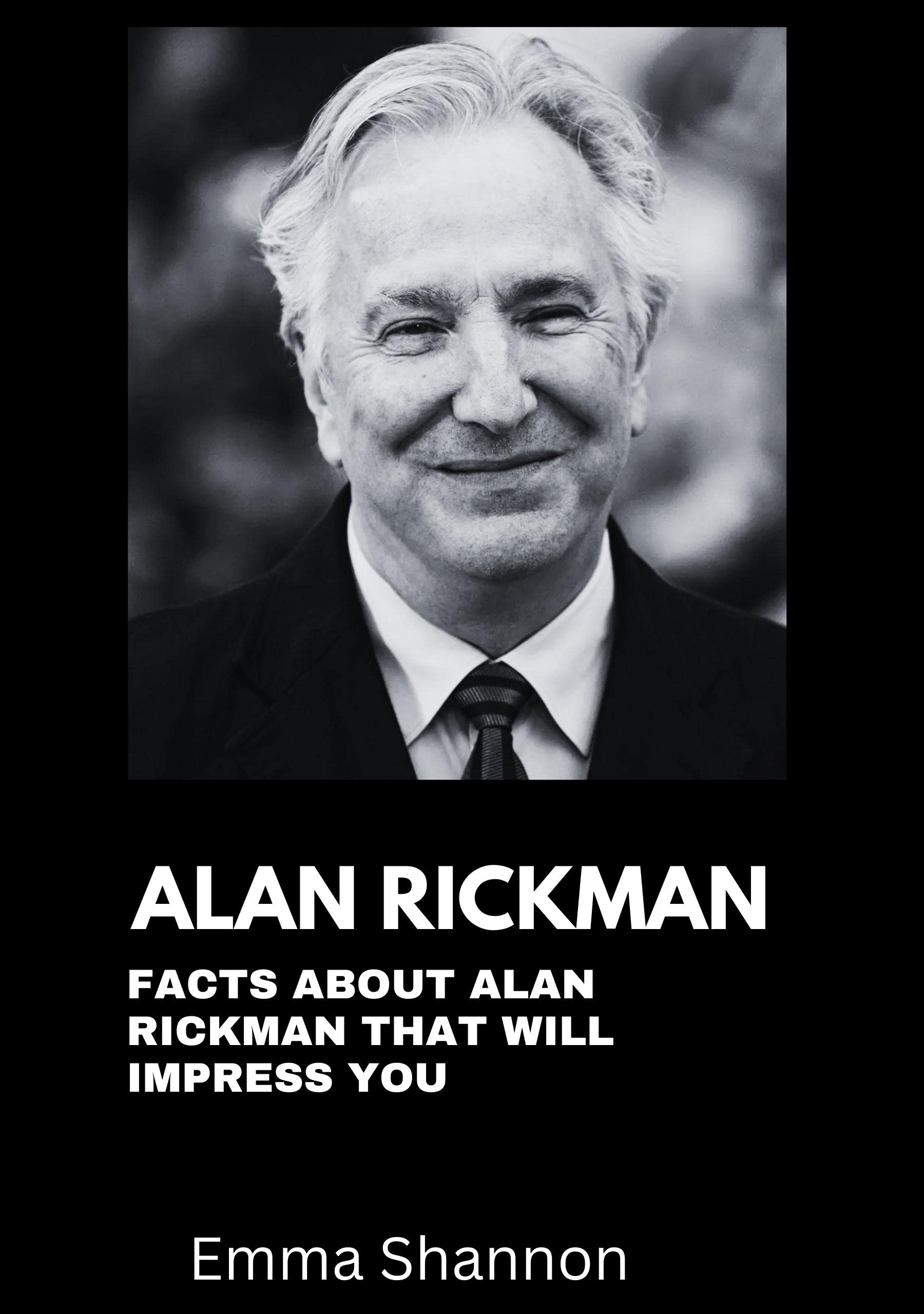
Alan Rickman, the esteemed British actor of stage and screen, is no longer alive. He passed away on January 14, 2016, at the age of 69 following a short and private battle with pancreatic cancer. As of 2026, the world marks a decade since his passing, continuing to celebrate his profound influence on the performing arts.
The Circumstances of Alan Rickman’s Passing
The news of Alan Rickman’s death on January 14, 2016, sent shockwaves through the global entertainment industry and his massive international fanbase. Unlike many public figures who share their health struggles openly, Rickman chose to keep his medical condition incredibly private. He had suffered a minor stroke in August 2015, which led to the subsequent diagnosis of pancreatic cancer. Only a very small circle of family and close friends were aware of the severity of his illness during his final months.
This privacy was characteristic of Rickman’s dignified approach to his personal life. He continued to work and socialized in London almost until the very end, which contributed to the immense sense of public surprise when his family finally released the statement confirming his death. The announcement noted that he died in London, surrounded by family and friends. For fans, the loss was particularly poignant as it occurred just four days after the death of another British icon, David Bowie, creating a period of deep mourning for the UK’s cultural community.
By 2026, the medical community often cites the "Rickman effect" in relation to pancreatic cancer awareness. Because the disease is often asymptomatic in its early stages, Rickman’s sudden passing highlighted the urgent need for better diagnostic tools and early intervention strategies. His death remains a somber reminder of the lethal nature of this specific form of cancer, which remains one of the most difficult to treat effectively even a decade later.
A Career Defined by Range and Technical Mastery
Alan Rickman did not follow the traditional path to Hollywood stardom. He was a "late bloomer" by industry standards, not making his feature film debut until he was 41 years old. Before his cinematic success, Rickman was a deeply respected member of the Royal Shakespeare Company (RSC). His background in classical theater provided him with the technical precision, vocal control, and physical presence that would later define his most famous roles.
His breakout role came in 1985 with the RSC’s production of Les Liaisons Dangereuses, where he played the manipulative Vicomte de Valmont. His performance was so magnetic that it caught the attention of Hollywood producers, leading to his casting as the sophisticated terrorist Hans Gruber in the 1988 action classic Die Hard.
Rickman’s portrayal of Gruber fundamentally changed the "action villain" archetype. Before Rickman, villains were often portrayed as muscular, shouting antagonists. Rickman introduced a level of intellectual coldness and dry wit that made Gruber just as compelling as the hero. This role set the stage for a career that balanced mainstream blockbusters with intimate independent films, allowing him to showcase a range that few of his peers could match.
The Cultural Weight of Severus Snape
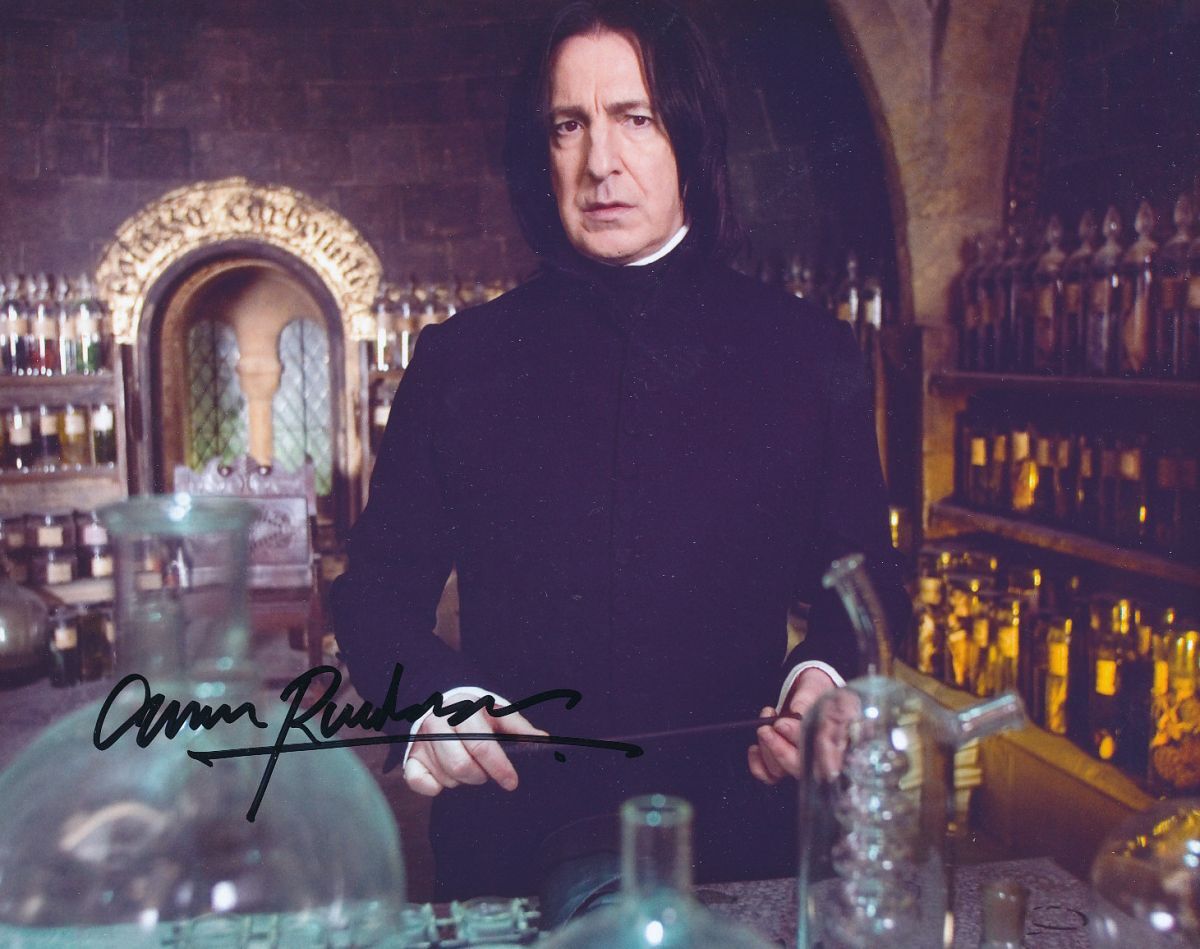
While Hans Gruber introduced him to the world, it was the role of Severus Snape in the Harry Potter film franchise (2001–2011) that cemented his place in the cultural zeitgeist. For an entire generation of viewers, Alan Rickman was Snape. His ability to convey complex, simmering resentment, hidden loyalty, and profound grief through minimal facial expressions and a uniquely deliberate vocal cadence was a masterclass in screen acting.
One of the most famous anecdotes regarding his time on the Harry Potter set involves his secret collaboration with author J.K. Rowling. Long before the final books were published, Rowling shared a specific piece of information with Rickman about Snape’s true motivations—the word "Always." This knowledge allowed Rickman to layer his performance in the earlier films with a subtle emotional depth that only became fully clear to the audience in the final installment, The Deathly Hallows Part 2.
The legacy of Snape in 2026 remains as strong as ever. The character continues to be a subject of academic study and fan analysis regarding the nature of redemption and "grey" morality. Rickman’s performance is credited with making the character far more empathetic than he arguably was on the written page, proving the transformative power of a dedicated actor.
Beyond the Villain: Romantic Leads and Directorial Vision
Despite his reputation for playing antagonists, Alan Rickman possessed a remarkable capacity for warmth and romantic vulnerability. In 1990’s Truly, Madly, Deeply, he played Jamie, a ghost who returns to comfort his grieving girlfriend. The film showcased his ability to handle delicate, emotional material without ever veering into melodrama. Similarly, his portrayal of Colonel Brandon in the 1995 adaptation of Jane Austen’s Sense and Sensibility earned him widespread acclaim as a romantic lead.
Rickman’s artistic contributions also extended behind the camera. He directed two feature films: The Winter Guest (1997) and A Little Chaos (2014). In these works, he demonstrated a keen eye for visual storytelling and a deep empathy for his actors. His directorial style mirrored his acting: patient, meticulous, and focused on the quiet moments that reveal character.
His involvement in the theatrical community was also significant. He served as the Vice-Chairman of the Royal Academy of Dramatic Art (RADA) and was a tireless supporter of emerging talent. Many contemporary British actors who are prominent in 2026 cite Rickman’s mentorship and encouragement as pivotal to their early careers. He was known for attending small fringe plays and offering constructive feedback to young performers, demonstrating a commitment to the craft that went far beyond his own fame.
Essential Filmography and Career Milestones
The following table highlights the pivotal moments in Alan Rickman’s career, illustrating the diversity of his roles and the consistency of his excellence.
| Year | Title | Role | Significance |
|---|---|---|---|
| 1988 | Die Hard | Hans Gruber | Redefined the Hollywood action villain. |
| 1991 | Robin Hood: Prince of Thieves | Sheriff of Nottingham | Won a BAFTA for Best Supporting Actor. |
| 1991 | Truly, Madly, Deeply | Jamie | Showcased range as a romantic lead. |
| 1995 | Sense and Sensibility | Colonel Brandon | Established his "Austen hero" credentials. |
| 1996 | Rasputin: Dark Servant of Destiny | Grigori Rasputin | Won a Golden Globe and an Emmy. |
| 1999 | Galaxy Quest | Alexander Dane | Demonstrated impeccable comedic timing. |
| 2001-2011 | Harry Potter Series | Severus Snape | Iconic performance over eight films. |
| 2003 | Love Actually | Harry | Portrayed the complexities of marital infidelity. |
| 2016 | Eye in the Sky | Lt. Gen. Frank Benson | One of his final on-screen performances. |
The 2026 Perspective: How Alan Rickman is Remembered Today
In the ten years since his passing, Alan Rickman’s reputation has only grown. The publication of his personal diaries, Madly, Deeply: The Diaries of Alan Rickman, in 2022 provided fans with a rare, candid look into his inner thoughts, his frustrations with the industry, and his unwavering passion for art. These writings revealed a man who was deeply intellectual, fiercely loyal to his friends, and constantly striving for authenticity in a medium that often rewards artifice.
In 2026, Rickman is frequently cited in acting schools as the primary example of "economical acting." He had the rare ability to dominate a scene while doing very little, understanding that the camera picks up the smallest flicker of thought. His distinct voice—a result of a slight speech impediment involving a tight jaw—became his trademark, but he never let it become a caricature, always using his resonance to serve the character rather than himself.
Furthermore, his philanthropic work continues through the charities he supported, such as Saving Faces and the International Performers' Aid Trust. These organizations, which focus on facial surgery and helping performers in struggling countries respectively, reflect Rickman's belief in the social responsibility of the artist.
Pancreatic Cancer Awareness and the Legacy of Health
Pancreatic cancer remains a significant focus of medical research in 2026, and Rickman's name is still frequently linked to advocacy efforts. Because the disease often presents with vague symptoms like back pain or indigestion, it is frequently misdiagnosed until it has reached an advanced stage. Organizations like Pancreatic Cancer UK and the American Cancer Society have used the stories of high-profile individuals like Rickman to fundraise for early detection research.
The "silent" nature of his struggle also prompted a broader conversation about the rights of public figures to medical privacy. While some criticized the lack of transparency, most peers and fans respected his choice to maintain his dignity and focus on his work rather than his illness. This has influenced how other celebrities manage health crises in the decade since, prioritizing personal well-being over public disclosure.
Frequently Asked Questions about Alan Rickman
Did Alan Rickman ever win an Academy Award?
Surprisingly, Alan Rickman never won an Academy Award, nor was he ever nominated for one. This is often cited by film critics as one of the most significant oversights in Oscar history. However, he did win a BAFTA, an Emmy, and a Golden Globe, and his peers widely regarded him as one of the finest actors of his generation. His lack of an Oscar has done little to diminish his stature in the eyes of the public or his professional colleagues.
What was Alan Rickman’s final film role?
Alan Rickman’s final screen appearance was in the thriller Eye in the Sky (2015), where he played Lieutenant General Frank Benson. However, his final performance released posthumously was the voice of Absolem the Caterpillar in Alice Through the Looking Glass (2016). Both roles showcased his gravitas and his unmistakable vocal presence one last time.
Who was Alan Rickman married to?
Alan Rickman was in a relationship with Rima Horton for over 50 years. They met in 1965 when he was 19 and she was 18. Horton was a labor party councillor and an economics lecturer. Though they lived together for decades, they only married in a private ceremony in New York City in 2012, which they did not publicly reveal until 2015. Their partnership was known for being one of the most stable and supportive in the entertainment industry.
Was Alan Rickman's voice a natural trait?
Yes, Alan Rickman’s famously deep and languid voice was natural, though it was partially the result of a physiological trait. He was born with a somewhat tight lower jaw, which contributed to his distinctively precise and slow manner of speaking. He leaned into this during his training at RADA, turning what could have been a hindrance into one of the most recognizable and beloved voices in cinematic history.
What did Alan Rickman do before he became an actor?
Before pursuing acting full-time, Rickman was a successful graphic designer. He attended the Chelsea College of Art and Design and later the Royal College of Art. He even started his own graphic design studio called Graphiti with several friends. It wasn't until the age of 26 that he decided to pursue a professional acting career, successfully auditioning for RADA, where he studied from 1972 to 1974.
Moving Forward: Honoring a Master of the Craft
While Alan Rickman is not alive in 2026, his presence is still felt through the vast library of work he left behind. For those looking to honor his memory, the best action is to engage with his lesser-known works. While Harry Potter and Die Hard are essential, films like Snow Cake, Bottle Shock, and his directorial debut The Winter Guest offer a more comprehensive view of his artistic sensibilities.
Furthermore, supporting the Royal Academy of Dramatic Art or donating to pancreatic cancer research are practical ways to contribute to the causes he championed. Rickman believed that "talent is an accident of genes—and a responsibility." Through his decades of performance and his quiet generosity, he more than fulfilled that responsibility, leaving a legacy that will likely endure for many decades more.