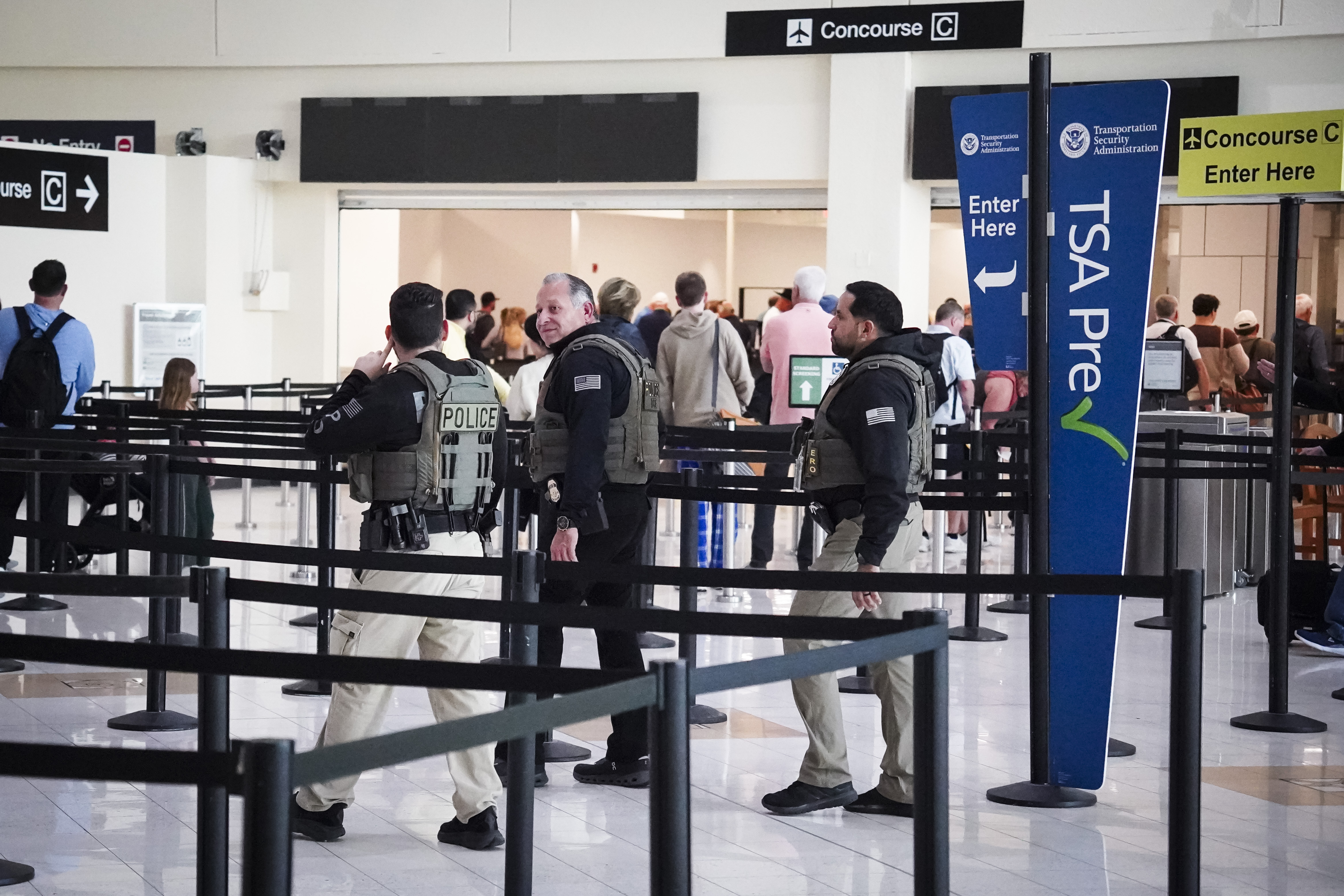
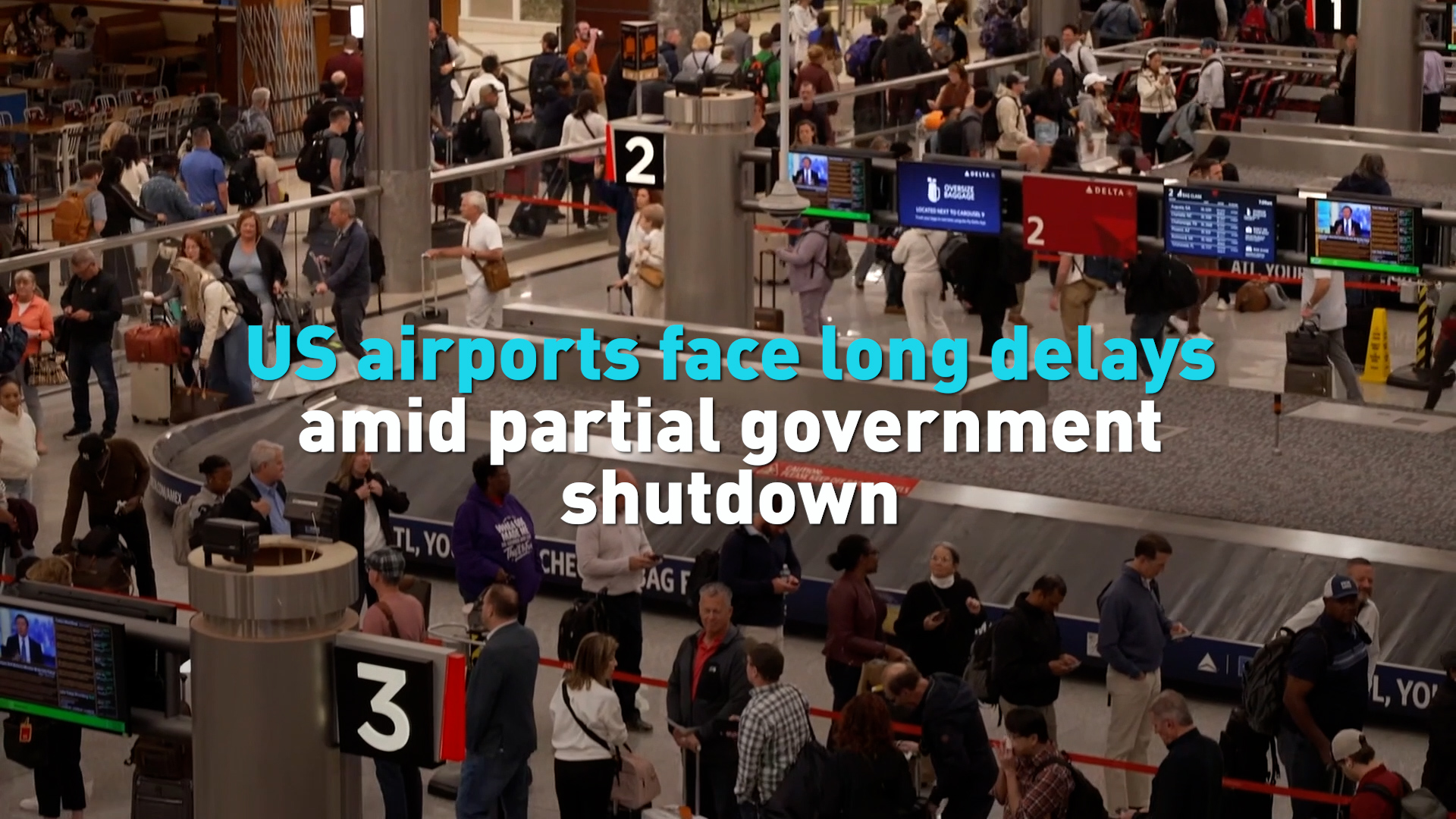
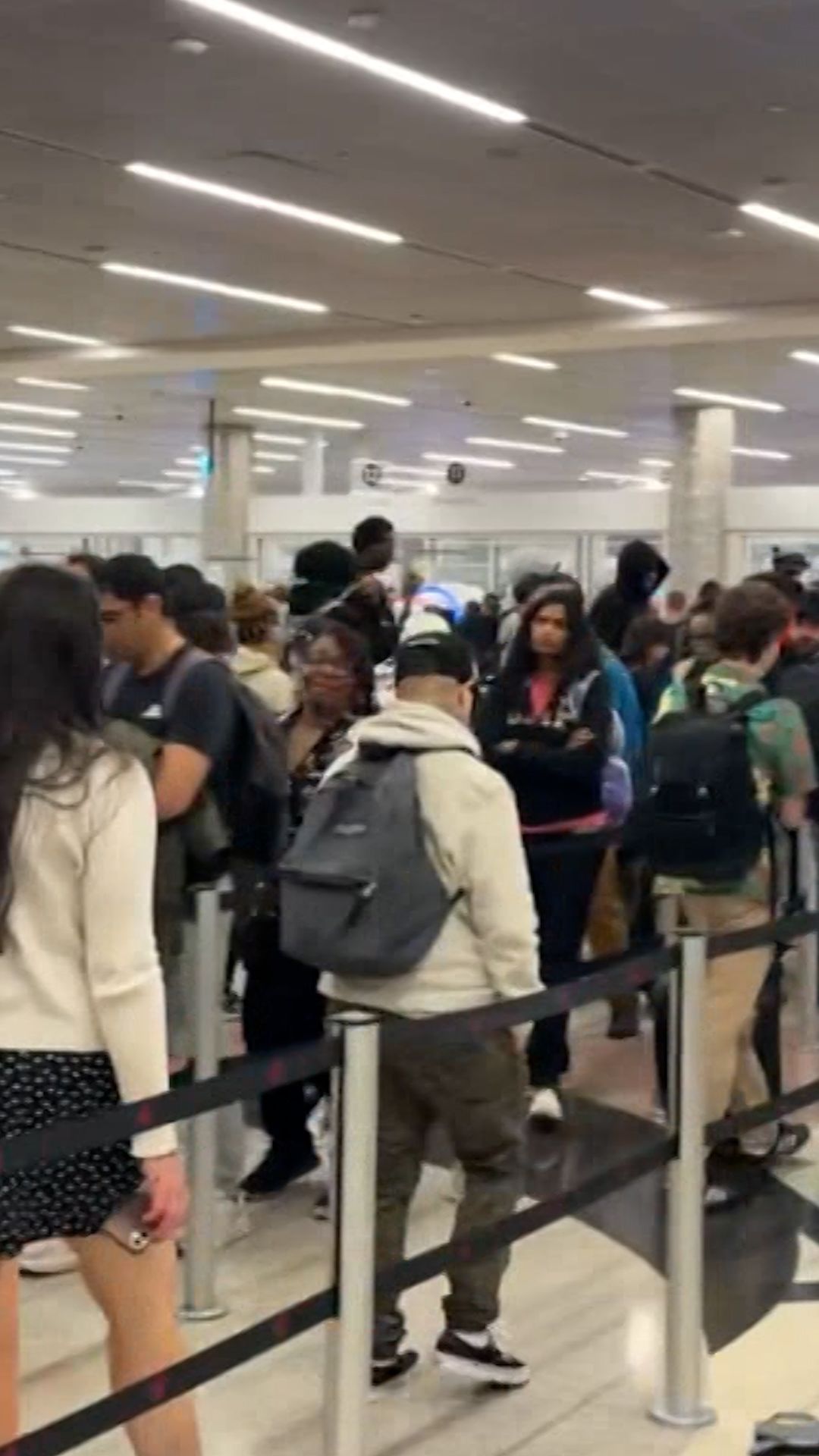
In 2026, major aviation hubs including Denver International (DEN), Hartsfield-Jackson Atlanta (ATL), and Chicago O'Hare (ORD) continue to experience significant TSA delays caused by record-breaking passenger volumes. Despite the widespread rollout of biometric authentication and advanced CT scanning technology, staffing fluctuations and infrastructure upgrades have maintained wait times above 30 minutes during peak morning and afternoon windows.
The State of Airport Security in 2026
The aviation landscape in 2026 is defined by a paradox: security technology is more advanced than ever, yet the sheer volume of travelers has reached unprecedented levels. As the industry surpasses the growth projections set in the early 2020s, the Transportation Security Administration (TSA) has had to balance the integration of new screening hardware with an increasingly complex labor market. While "Touchless" travel is now a reality for many, the transition period has introduced new types of bottlenecks that travelers must navigate.
The primary driver of delays in 2026 is the national transition to Computed Tomography (CT) scanners in all standard screening lanes. While these machines allow passengers to keep electronics and liquids inside their bags, the 3D imaging software requires more processing time per bag compared to the older 2D X-ray systems. When combined with the "Silver Tsunami" of retirements among veteran Transportation Security Officers (TSOs), the result is a system that is technologically superior but operationally strained during "super-peak" hours.
Furthermore, the rise of "Bleisure" travel—a hybrid of business and leisure trips—has smoothed out the traditional mid-week lulls. In 2026, Tuesday and Wednesday mornings often see security queues nearly as long as Friday afternoons, as remote workers take advantage of flexible schedules to travel more frequently. This shift has made it difficult for airport authorities to predict staffing needs with the precision they once exercised.
Major Hubs Facing the Longest TSA Delays
While most regional airports maintain efficient throughput, five major US hubs have emerged as the most consistent locations for security bottlenecks this year.
Denver International Airport (DEN)
Denver remains at the top of the list for TSA delays in 2026. Despite the completion of various phases of the Great Hall Project, the centralized security model still struggles with the massive influx of early-morning travelers connecting to mountain destinations and West Coast hubs. The layout of the Jeppesen Terminal often leads to "queue spillover," where the line for the West Security Checkpoint can stretch into the baggage claim area. Travelers at DEN are currently advised to arrive at least three hours before domestic departures during the 5:00 AM to 9:00 AM window.
Hartsfield-Jackson Atlanta International Airport (ATL)
As the world’s busiest airport, ATL is no stranger to volume. However, in 2026, the primary delay factor is the integration of the Digital Identity program at the South Checkpoint. While those with TSA PreCheck and a digital ID move quickly, the "Standard" lanes at the North Checkpoint have seen increased congestion as more staff are diverted to manage the high-tech lanes. The sheer physical distance between the domestic terminal checkpoints also means that if one checkpoint experiences a technical glitch, the resulting surge at the other locations can take hours to clear.
Chicago O'Hare International Airport (ORD)
O'Hare’s delays in 2026 are largely attributed to the ongoing Terminal Area Plan (TAP) construction. The reconfiguration of Terminal 2 and Terminal 3 has led to temporary checkpoint closures and the rerouting of passengers through smaller, less efficient screening areas. ORD has also seen a spike in "Secondary Screening" events due to the new CT scanners being highly sensitive to certain types of modern travel gear, such as high-density battery packs and specialized cold-weather apparel.
Seattle-Tacoma International Airport (SEA)
SEA continues to face space constraints that limit the physical number of screening lanes available. Despite the success of the "SEA Spot Saver" reservation system, those who do not book a screening time in advance can face wait times exceeding 45 minutes on Monday mornings. The airport's heavy reliance on technology means that any software update or network latency at the biometric gates can immediately halt the flow of passengers, creating a ripple effect across all terminals.
The Impact of New Screening Technology
The implementation of Checkpoint Property Screening System (CPSS) technology is the hallmark of airport security in 2026. These CT scanners provide TSOs with a rotatable 3D image of carry-on contents, significantly increasing the detection of prohibited items.
However, the "human factor" remains a bottleneck. Because the 3D images are so detailed, TSOs are often required to spend more time analyzing each bag than they did with 2D images. While this reduces the need for physical bag searches—which are the number one cause of line stoppages—the initial scan time is roughly 15-20% slower per passenger. For a checkpoint processing 200 passengers per hour, this slowdown accumulates into significant delays during peak periods.
Additionally, 2026 has seen the widespread adoption of Credential Authentication Technology (CAT-II) units. These machines allow passengers to verify their identity via biometrics (facial recognition) without needing to show a physical ID or boarding pass to the officer. While this has shortened the "ID Check" portion of the process, it has moved the bottleneck further down to the actual baggage screening belts, where the physical hardware cannot always keep pace with the rapid identity verification.
Comparative TSA Performance Data: 2026 Overview
The following table outlines the average wait times and primary causes of delays at the most impacted airports for the current 2026 travel season.
| Airport Code | Avg. Standard Wait (Peak) | Avg. PreCheck Wait (Peak) | Primary Delay Factor | Recommended Arrival |
|---|---|---|---|---|
| DEN | 55 Minutes | 18 Minutes | Infrastructure / Volume | 3 Hours |
| ATL | 45 Minutes | 12 Minutes | Staff Allocation / Volume | 2.5 Hours |
| ORD | 40 Minutes | 10 Minutes | Construction / Rerouting | 2.5 Hours |
| SEA | 50 Minutes | 15 Minutes | Physical Space Limits | 3 Hours |
| MIA | 35 Minutes | 11 Minutes | International Transitions | 2.5 Hours |
| JFK | 38 Minutes | 9 Minutes | Terminal Redevelopment | 3 Hours |
Staffing Shortages and the Labor Market
One of the most persistent issues facing the TSA in 2026 is the retention of trained personnel. Although the TSA increased the national pay scale in recent years, the job remains high-stress and physically demanding. In high-cost-of-living cities like New York, San Francisco, and Seattle, the agency competes with private sector logistics and security firms that often offer more flexible schedules.
When a checkpoint is understaffed by even two or three officers, the impact is non-linear. The closure of just one "lane" at a major hub can increase the queue length by hundreds of feet in a matter of minutes. In 2026, the TSA has increasingly relied on the "National Deployment Office"—a team of officers who travel to different airports to fill temporary gaps—but this is a reactive measure that cannot always prevent delays before they occur.
Furthermore, the training requirements for the new 2026 security protocols are more rigorous. New recruits must undergo extensive training on 3D image interpretation and biometric system troubleshooting, which has lengthened the pipeline from "hire" to "active duty." This "training lag" means that even when the TSA is actively hiring, it can take several months before those officers are on the floor reducing wait times.
Strategies for Mitigating Delay Impacts
For travelers navigating the busiest airports in 2026, relying on "showing up early" is no longer the only strategy. Several programs and technological tools can significantly reduce the time spent in security queues.
- TSA PreCheck and Global Entry: In 2026, the gap between "Standard" and "PreCheck" wait times has widened. Because PreCheck lanes use a modified screening protocol that avoids the more time-consuming CT scan requirements for standard bags, the throughput is nearly double.
- Digital Identity Enrollment: Many airports, including ATL and LAX, have launched dedicated lanes for travelers with a Digital ID (stored in mobile wallets). These lanes often bypass the traditional CAT-II queue entirely.
- Reservation Systems: Programs like "MCO Reserve" or "SEA Spot Saver" allow travelers to book a specific 15-minute window for security screening. This is particularly effective for families or those who do not have PreCheck.
- Real-Time App Monitoring: The "MyTSA" app remains the most reliable source for crowdsourced and official wait times. In 2026, the app has been updated to include "Predictive Wait Times," which uses historical data and current flight manifests to forecast congestion levels up to 24 hours in advance.
Frequently Asked Questions
Why are TSA lines longer in 2026 despite new technology?
The primary reason is the record-breaking volume of passengers, which has outpaced the rate at which airports can expand their physical security footprints. Additionally, while new CT scanners are more thorough, they require slightly more time to process each individual bag's 3D image compared to older 2D technology.
Is TSA PreCheck still effective in 2026?
Yes, TSA PreCheck remains highly effective. While PreCheck lines have grown longer due to the program's popularity, they still move significantly faster than standard lanes because passengers do not need to remove shoes, liquids, or laptops, which are the main causes of "friction" in the screening process.
Do biometric gates increase security delays?
Generally, no. Biometric gates (CAT-II) speed up the identity verification process. However, if the system fails to recognize a passenger's face due to lighting or hardware issues, the manual override process can cause a brief stall in the line.
What should I do if I am at risk of missing my flight due to TSA delays?
In 2026, many airports have "Expedited" lanes for passengers whose flights are departing within 20 minutes. You should look for a TSA supervisor or airport "Ambassador" near the entrance of the security queue and present your boarding pass to request assistance.
Are delays worse at specific times of the day?
Yes. The most significant delays in 2026 occur during the "First Wave" of departures (5:00 AM to 8:30 AM) and the "Afternoon Peak" (2:00 PM to 6:00 PM). Tuesday and Wednesday mornings have also become unexpectedly busy due to the rise of flexible work-travel patterns.
Final Recommendation for 2026 Travelers
To ensure a seamless travel experience in 2026, travelers should prioritize enrollment in a "Trusted Traveler" program such as TSA PreCheck or Global Entry. Given the current staffing levels and technology transitions at major hubs like Denver and Atlanta, relying on standard screening lanes during peak hours is a high-risk strategy. Always check the MyTSA app or your specific airport's website for real-time data at least four hours before your flight, and consider using reservation-based screening services where available to bypass the unpredictability of the general queue.