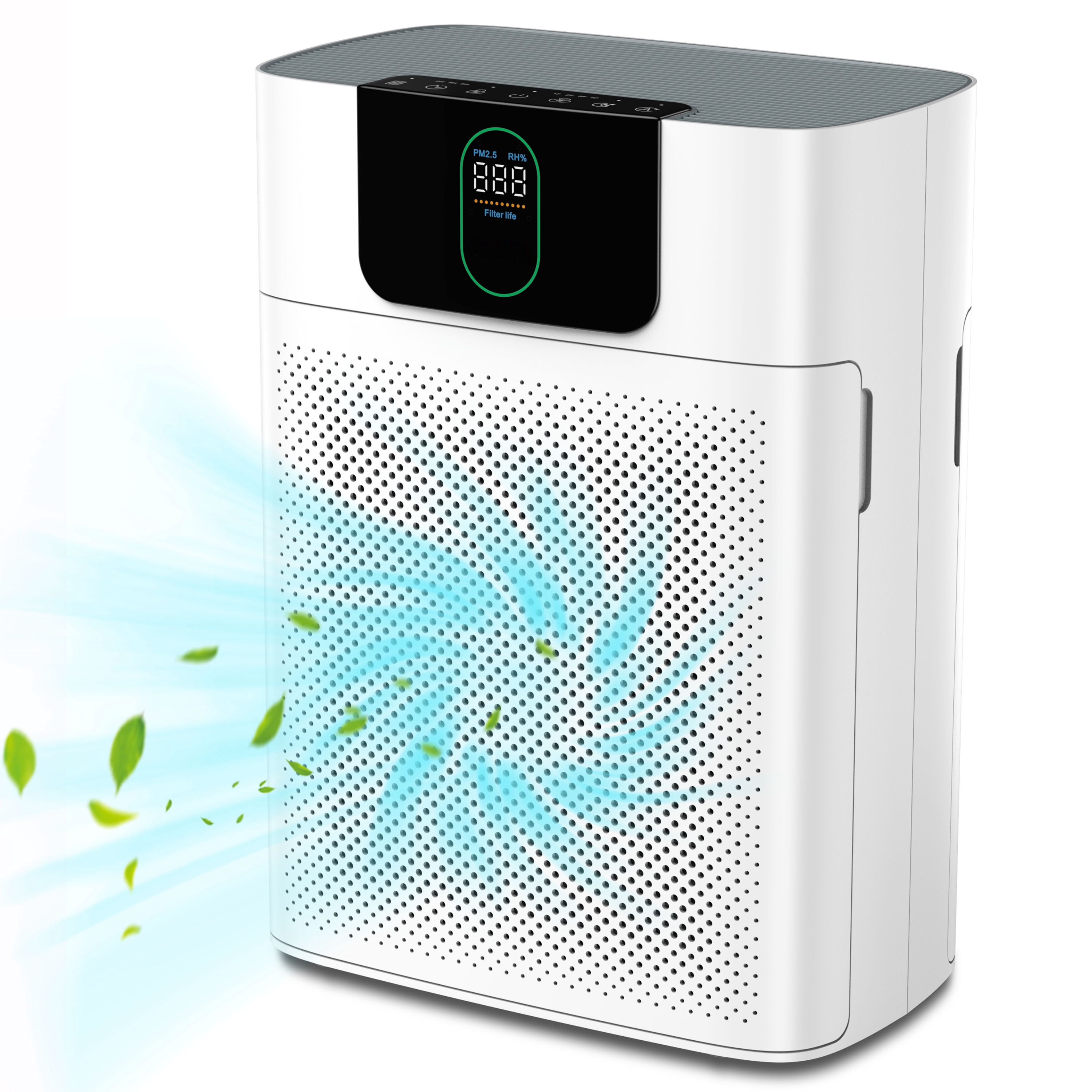
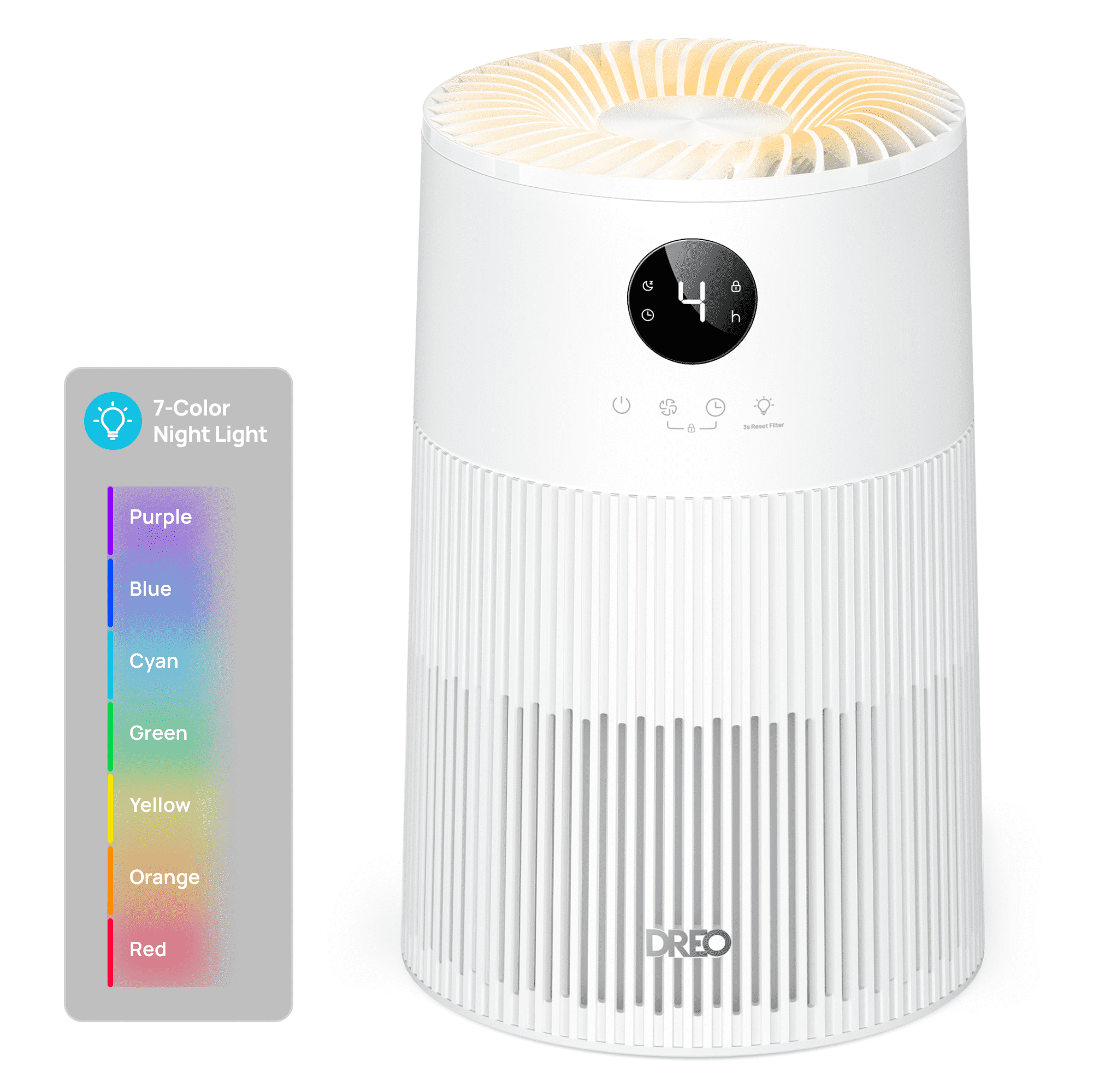
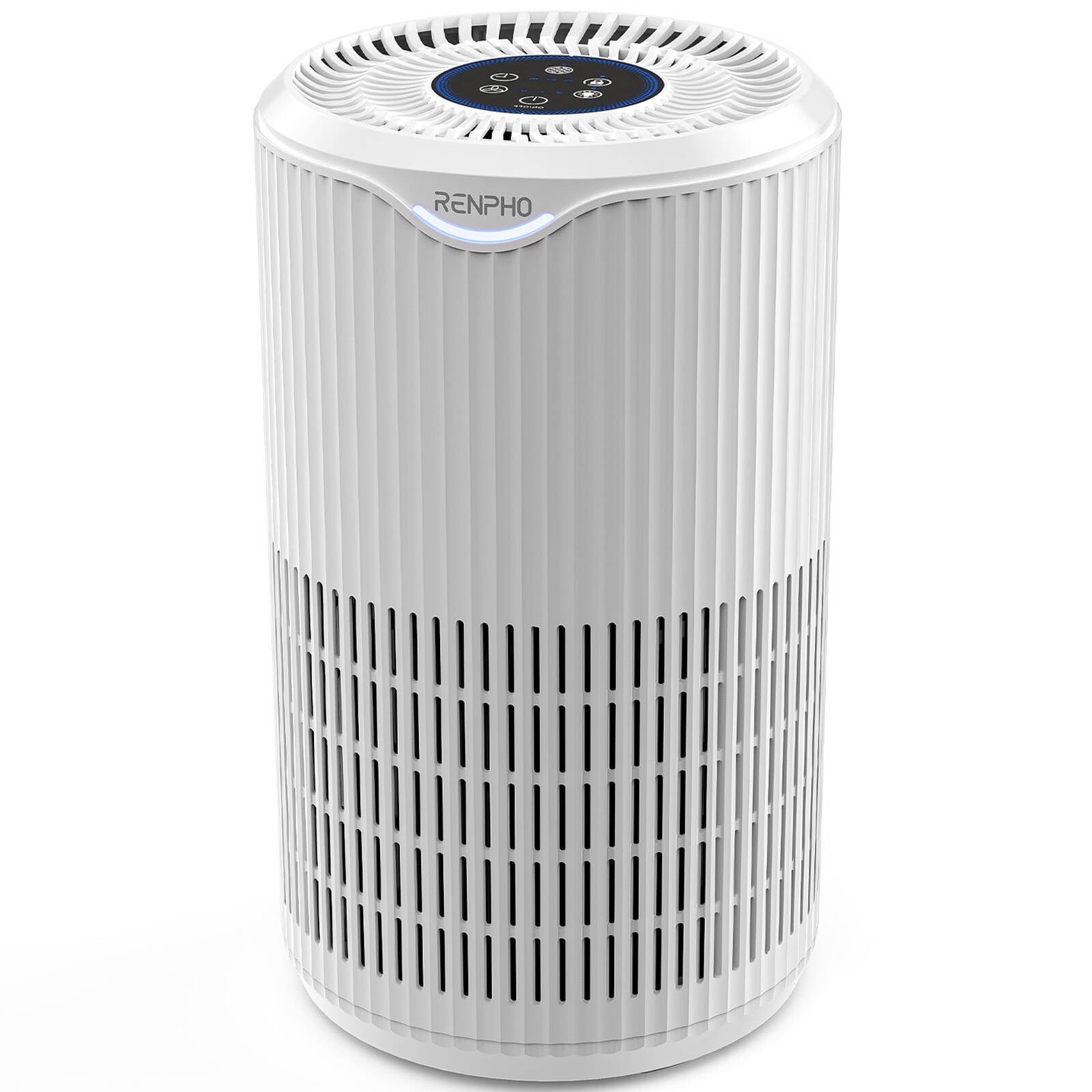
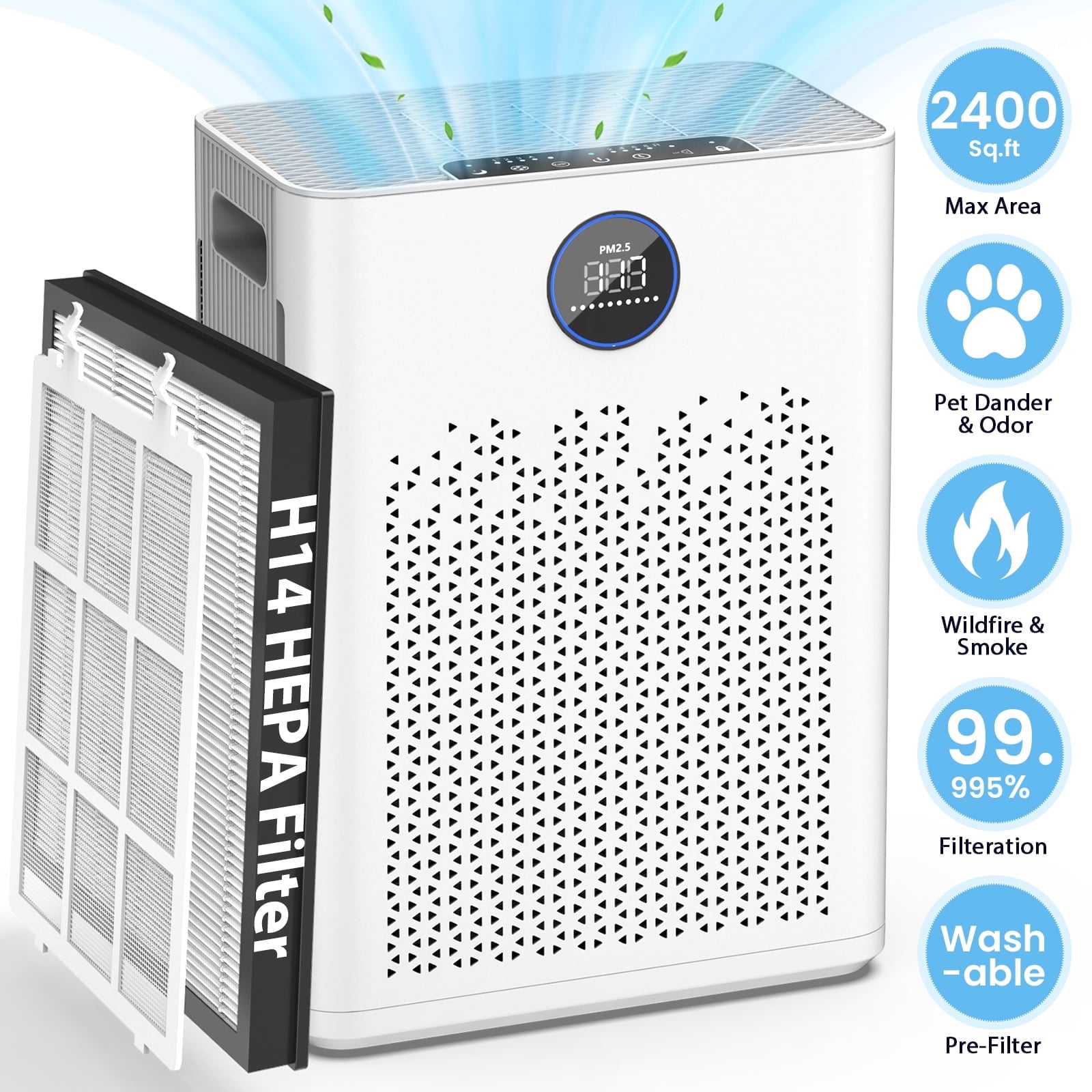
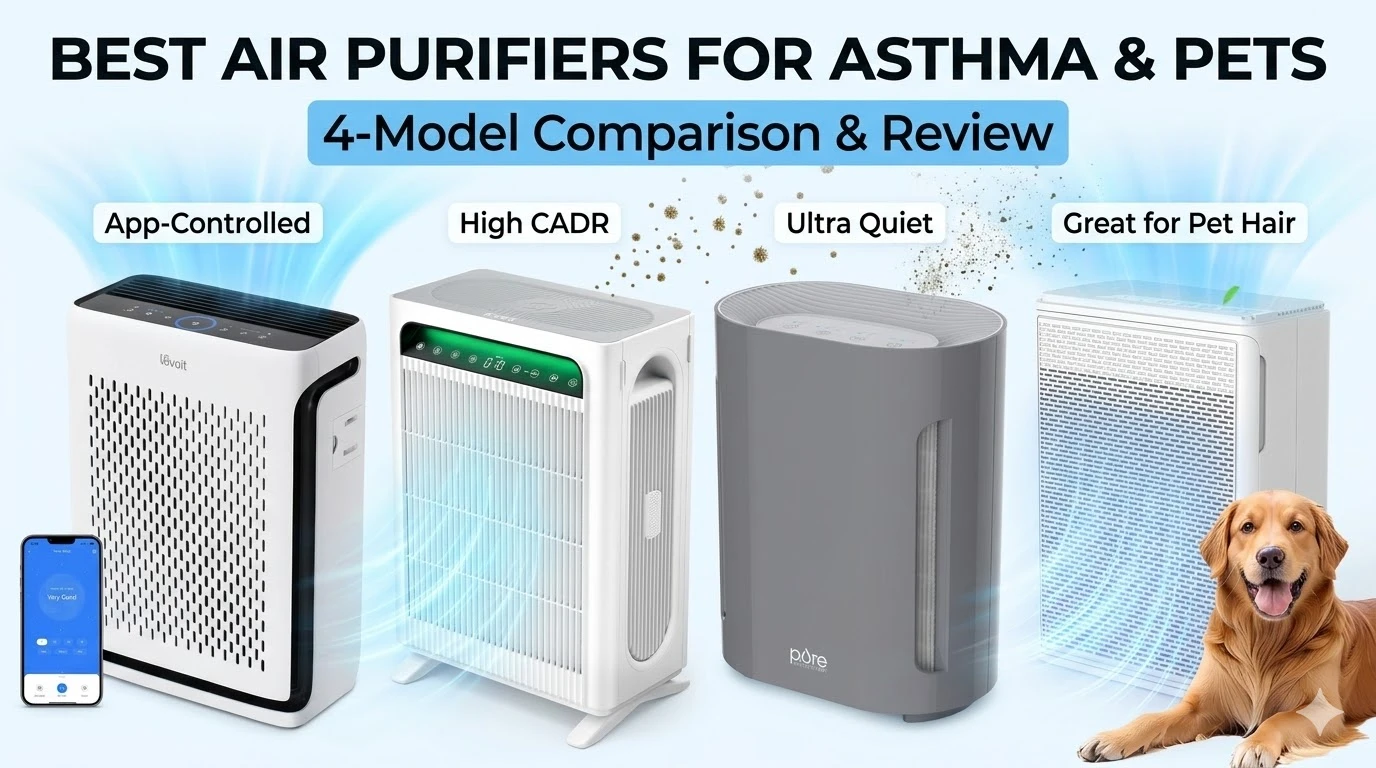
Air purifiers significantly reduce asthma symptoms by removing airborne triggers such as pollen, dust, and mold. For effective management, an air purifier must utilize a True HEPA filter, offer a high Clean Air Delivery Rate (CADR) for the room size, and be certified "ozone-free," as ozone is a known respiratory irritant that can exacerbate asthma attacks.
Asthma is a chronic respiratory condition characterized by inflammation and narrowing of the airways, often triggered by environmental pollutants. As we navigate the environmental challenges of 2026, the density of urban pollutants and the persistence of seasonal allergens have made indoor air quality (IAQ) a cornerstone of asthma management. While medication remains the primary line of defense, controlling the environment is a critical secondary strategy. An air purifier specifically designed for asthma does more than just "clean" the air; it targets the microscopic particulates that bypass the body's natural defenses and reach deep into the bronchial tubes.
Understanding the Role of Air Purifiers in Asthma Management
For an individual with asthma, the lungs are hypersensitive. When "triggers"—substances that the immune system perceives as threats—are inhaled, the airway linings swell, muscles tighten, and mucus production increases. Common indoor triggers include dust mite allergens, pet dander, mold spores, and pollen that has drifted indoors.
Air purifiers serve as a mechanical intervention. By continuously cycling the air in a room through a series of dense filters, these devices lower the concentration of these triggers. However, not all air purifiers are created equal. A device that is effective at removing large dust particles might fail to capture the microscopic pet dander or smoke particles that are most likely to induce an asthma flare-up. Therefore, understanding the technical specifications of filtration is essential for anyone looking to mitigate respiratory distress.
Critical Features of an Asthma-Friendly Air Purifier
When selecting a device in 2026, several technical benchmarks must be met to ensure the unit actually provides a clinical benefit to an asthmatic user.
True HEPA Filtration
The "High-Efficiency Particulate Air" (HEPA) filter is the industry standard. To be classified as True HEPA, a filter must capture at least 99.97% of particles as small as 0.3 microns. In the context of asthma, this is vital because most common triggers fall within this size range:
- Pollen: 10 to 100 microns.
- Dust Mite Waste: 5 to 20 microns.
- Pet Dander: 0.5 to 10 microns.
- Smoke and Soot: 0.01 to 1 micron.
By 2026, many high-end units have moved toward H13 or H14 medical-grade HEPA, which offers even higher efficiency. These filters utilize a dense mat of randomly arranged fibers, usually fiberglass, to trap particles through three primary mechanisms: interception, impaction, and diffusion.
Activated Carbon for VOCs and Odors
While HEPA filters excel at trapping solid particles, they cannot stop gases or odors. Volatile Organic Compounds (VOCs), such as those released from cleaning products, new furniture, or perfumes, are potent asthma triggers. An air purifier for asthma must include a substantial layer of activated carbon. This material has been treated with oxygen to open up millions of tiny pores between the carbon atoms, allowing it to adsorb chemicals and gases that would otherwise pass through a particulate filter.
Clean Air Delivery Rate (CADR) and Room Sizing
CADR is a metric developed by the Association of Home Appliance Manufacturers (AHAM) that indicates the volume of filtered air a purifier delivers per minute. For asthma sufferers, the "two-thirds rule" is standard: the CADR for smoke should be at least two-thirds of the room's square footage. For example, a 300-square-foot room requires a smoke CADR of at least 200. In 2026, it is recommended to slightly "oversize" the unit to allow it to run on lower, quieter settings while still maintaining high air exchange rates.
The Dangers of Ozone and Ionizers for Asthmatics
A critical warning for anyone with asthma is the avoidance of ozone generators and certain types of ionizers. Ozone ($O_3$) is a highly reactive gas. While it can neutralize odors and kill bacteria at high concentrations, it is a powerful lung irritant. Even small amounts of ozone can cause chest pain, coughing, shortness of breath, and throat irritation in asthmatics.
Some air purifiers use "ionizing" technology, which releases negatively charged ions into the air to make particles stick to surfaces. A byproduct of some older or lower-quality ionizing processes is ozone. When shopping, always look for CARB (California Air Resources Board) certification, which ensures the device meets strict ozone emission limits (less than 0.05 parts per million). For maximum safety, "Zero Ozone" or "Ozone-Free" mechanical filtration is the preferred choice.
Technical Comparison of Filtration Technologies
To help decide which technology best suits a specific environment, the following table compares common air purification methods available in 2026.
| Technology | Effectiveness for Asthma | Primary Target | Pros | Cons |
|---|---|---|---|---|
| True HEPA | Excellent | Dust, Pollen, Dander | Most reliable particulate removal | Does not remove odors/gases |
| Activated Carbon | Highly Recommended | Smoke, VOCs, Odors | Essential for chemical triggers | Must be replaced frequently |
| PECO | Good (as supplement) | Mold, Bacteria, VOCs | Destroys pollutants at molecular level | Slower CADR than HEPA |
| Pre-Filter | Essential | Hair, Large Dust | Extends life of HEPA filter | Requires frequent cleaning |
| Ionizer | Caution Advised | Small Particulates | Can capture very fine dust | May produce harmful ozone |
| UV-C Light | Moderate | Germs, Mold Spores | Deactivates biological agents | Doesn't remove particles |
Placement and Maintenance Strategies for Maximum Efficacy
Buying the right air purifier is only half the battle; how it is used and maintained determines its long-term impact on asthma control.
Ideal Placement
For asthma, the most important location for an air purifier is the bedroom. Since most people spend 7 to 9 hours sleeping, ensuring the air in the bedroom is pristine can significantly reduce "nocturnal asthma" symptoms. The unit should be placed at least 12 to 18 inches away from walls and furniture to allow for 360-degree air intake. Avoid placing it in corners where air circulation is stagnant.
Air Changes per Hour (ACH)
For general air cleaning, 2 ACH is often cited. However, for clinical asthma management, a goal of 4 to 5 ACH is recommended. This means the total volume of air in the room is filtered every 12 to 15 minutes. This high frequency prevents the buildup of allergens that occur when doors are opened or when someone moves around the room, kicking up settled dust.
Filter Maintenance Cycles
In 2026, most air purifiers come with onboard sensors that monitor filter life based on actual usage and air quality levels, rather than just a simple timer.
- Pre-filters: Should be vacuumed or washed every 2–4 weeks.
- HEPA filters: Generally replaced every 6–12 months.
- Carbon filters: Replaced every 3–6 months to maintain gas adsorption capacity.
Using a "clogged" filter not only reduces the CADR but can also strain the motor, leading to increased noise and energy consumption.
Smart Technology and Real-Time Monitoring in 2026
Modern air purifiers are increasingly integrated into broader "Smart Home" ecosystems. For an asthmatic, these features are more than just a convenience; they are diagnostic tools.
Many 2026 models feature laser-based particulate sensors that provide a real-time readout of PM2.5 (particles smaller than 2.5 microns). These devices can be set to an "Auto Mode," where the fan speed increases automatically the moment a spike in pollutants is detected—such as when cooking, cleaning, or when outdoor smoke levels rise.
Furthermore, data logging via smartphone apps allows users to identify patterns. For instance, a user might notice that their indoor air quality degrades every Tuesday morning, coinciding with local landscaping activities outside, prompting them to keep windows closed and the purifier on "High" during those hours.
Assessing Your Environment: Common Triggers and Targeted Filtration
While a standard HEPA/Carbon combo is effective for most, specific environments may require specialized approaches.
- The Pet Owner: If pet dander is the primary trigger, prioritize a unit with a robust, easy-to-clean pre-filter. Pet hair can quickly clog a HEPA filter, reducing its efficiency. Some filters are also treated with antimicrobial coatings to prevent the growth of bacteria or mold on the filter surface itself.
- The Urban Dweller: In areas with high traffic density, NO2 (nitrogen dioxide) and ultra-fine particles from brake dust and exhaust are concerns. A heavier concentration of activated carbon—sometimes several pounds—is necessary to neutralize these traffic-related gases.
- The Wildfire Zone: In regions prone to seasonal smoke, a high CADR is the most important factor. Smoke particles are incredibly small and numerous; a purifier must be able to cycle the air rapidly to keep up with the influx of smoke through window seals and vents.
Practical Limitations and Professional Advice
It is vital to recognize that an air purifier is not a "cure-all." It only addresses airborne pollutants. It cannot remove dust mites living inside mattresses, allergens embedded in carpets, or mold growing behind walls. Therefore, air purification must be paired with:
- Regular vacuuming with a HEPA-equipped vacuum cleaner.
- Washing bedding in hot water (at least 130°F / 54°C).
- Maintaining indoor humidity between 30% and 50% to prevent mold and dust mite proliferation.
Disclaimer: This guide provides technical information for educational purposes. Individuals with asthma should consult their healthcare provider or an allergist before making significant changes to their home environment or treatment plan. For official guidelines on indoor air quality, refer to the Environmental Protection Agency (EPA).
Frequently Asked Questions
Can an air purifier replace asthma medication?
No. An air purifier is a supplemental tool designed to reduce the environmental load on your respiratory system. It cannot replace the anti-inflammatory or bronchodilator medications prescribed by a doctor. It is part of a "trigger avoidance" strategy, not a primary medical treatment.
Does an air purifier help with "exercise-induced" asthma?
Not directly. Exercise-induced bronchoconstriction is often triggered by cold, dry air or the physical exertion itself. However, if your exercise-induced asthma is exacerbated by underlying allergies or poor air quality in your home gym, an air purifier can help by ensuring the air you breathe while working out is free of irritants.
Should I run my air purifier 24/7?
Yes, for asthma management, it is recommended to keep the device running continuously. Pollutants are constantly entering the home through ventilation and "envelope leakage." Running the device on a low setting 24/7 is more effective at maintaining clean air than running it on high for only a few hours a day.
Is it better to have one large air purifier or several small ones?
Generally, one large unit is better for an open-concept area, but for asthma, "point-of-use" purification is often more effective. Having a dedicated, appropriately sized unit in the bedroom and another in the main living area ensures that the air is cleaned exactly where you spend the most time, rather than relying on air to circulate from a distant room.
How do I know if an air purifier is actually working?
You can verify performance by checking the device's built-in air quality indicator (if equipped) or by using a standalone indoor air quality monitor. Many users also notice a physical difference, such as reduced morning congestion, fewer nighttime coughing fits, and a decrease in the "smell" of dust or pets.
Next Steps for Asthma Control
To take immediate action, begin by measuring the square footage of your primary sleeping area. Look for a True HEPA air purifier with a CADR rating that exceeds your room's requirements by at least 20%. Ensure the device is certified by the Asthma and Allergy Foundation of America (AAFA) to guarantee it has undergone rigorous testing for allergen reduction and ozone safety.