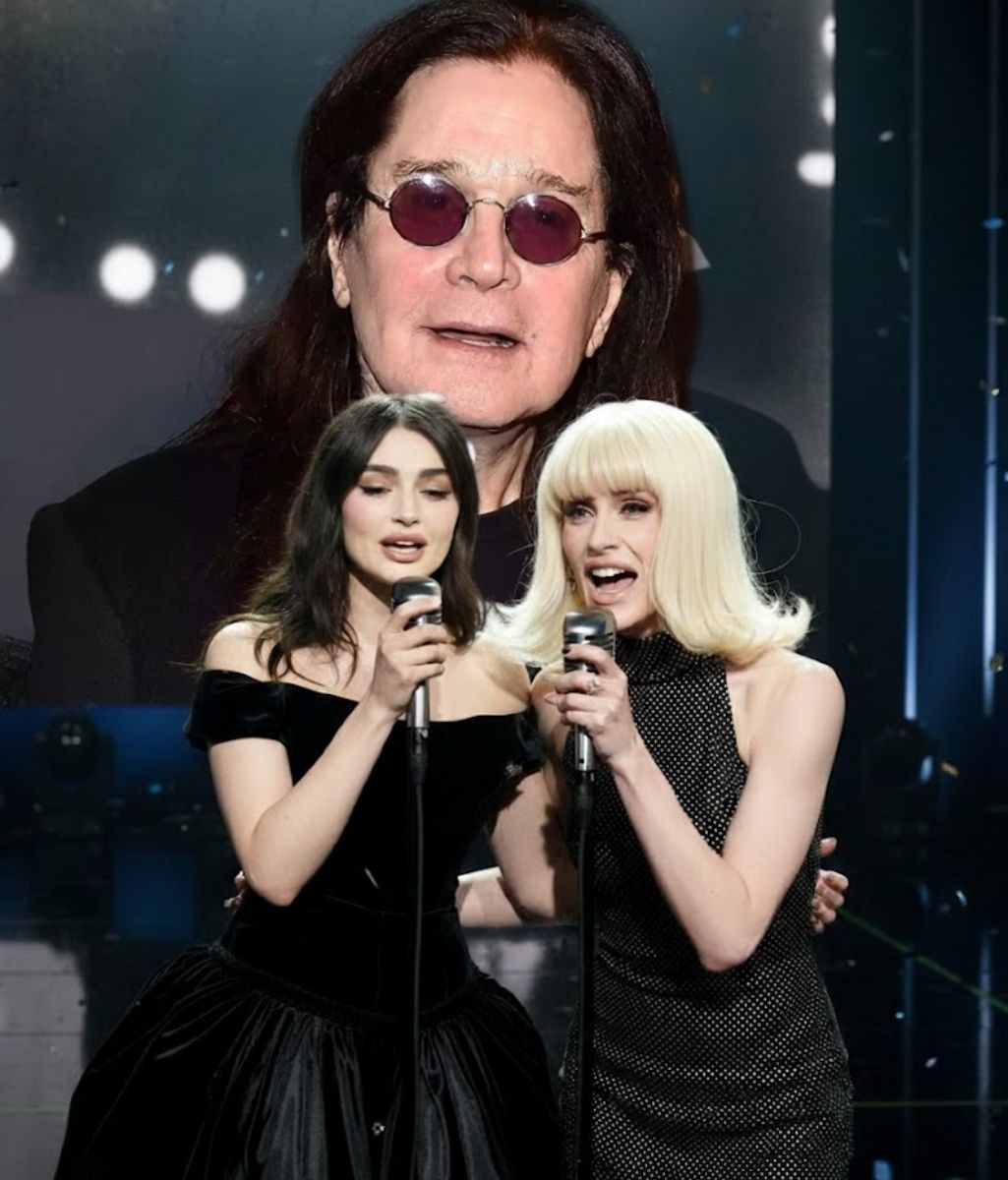
Aimee Osbourne, performing under the moniker ARO, has carved a distinct niche in modern pop by blending cinematic synth-pop with dark, atmospheric trip-hop. Unlike her famous family members, she avoided reality television to prioritize musical integrity, positioning herself as a sophisticated alternative to mainstream pop conventions through her moody, texture-driven compositions.
The Architectural Foundation of ARO: Defining a Sonic Identity
Aimee Osbourne’s music does not follow the standard trajectory of a celebrity-offspring-turned-pop-star. While many in her position would leverage their family name for immediate chart access, Osbourne chose the pseudonym ARO (her initials: Aimee Rachel Osbourne) to distance her art from the "Osbourne" brand. This decision was foundational to her place in modern pop; it signaled a commitment to a "music-first" philosophy that resonates with the indie-pop and alt-pop movements of the 2020s.
The sonic architecture of an ARO song is typically built on a foundation of analog synthesizers, heavy reverb, and a vocal delivery that is both detached and deeply emotive. Her work is often categorized as Dark Pop or Synth-pop, yet it draws significant inspiration from the 1990s Bristol trip-hop scene—specifically the haunting moods of Portishead and the electronic experimentation of Massive Attack. In the context of 2026, we can see how this bridge between 90s gloom and modern digital precision has influenced a generation of bedroom pop producers who seek "vibe" over technical vocal gymnastics.
By choosing to release music independently or through boutique labels, Osbourne has maintained total creative control over her visual and auditory output. This autonomy allows her to experiment with song structures that do not necessarily cater to the two-minute, high-energy requirements of TikTok-driven algorithms, making her a "critic’s choice" artist who appeals to listeners looking for depth and narrative.
Dissecting the "Aimee Osbourne Song": Key Elements and Themes
To understand her place in the modern landscape, one must analyze the specific components that make an ARO song recognizable. Whether it is her breakout single "Raining Gold" or later works like "Shared Something With the Night," several recurring elements define her repertoire:
The Cinematic Atmosphere
Her songs often feel like they belong in a film noir or a psychological thriller. This cinematic quality is achieved through "wall of sound" production techniques where multiple layers of synthesizers create a dense, foggy atmosphere. In modern pop, where the trend has often leaned toward sparse, "dry" vocals (popularized by artists like Billie Eilish), ARO takes the opposite approach, using space and echo to create a sense of vastness.
Melancholic Lyricism and Emotional Reserve
Lyrically, Aimee Osbourne focuses on themes of isolation, internal struggle, and the complexities of human connection. However, her delivery is marked by a specific kind of emotional reserve. She rarely "shouts" or uses melisma; instead, she maintains a steady, almost hypnotic tone. This allows the weight of the lyrics to emerge from the subtext rather than from vocal histrionics—a hallmark of the "sophisti-pop" subgenre.
The Contrast of Heavy and Ethereal
Given her lineage, there is an inevitable, perhaps subconscious, influence of "heavy" music in her work. While she does not make heavy metal, her songs possess a certain weight and darkness that mirrors the intensity of her father’s genre, albeit through an electronic lens. This juxtaposition of ethereal, high-register vocals against heavy, distorted basslines gives her music a unique gravity that sets it apart from the often "weightless" feel of bubblegum pop.
The Historical Context: From "Raining Gold" to Vacare Adamaré
The trajectory of Aimee Osbourne’s career is a study in patience. Her debut single, "Raining Gold," released in 2015, served as a manifesto for her artistic direction. The music video, featuring a slow-motion, post-apocalyptic aesthetic, immediately distanced her from the "Osbourne" reality TV persona.
| Song Title | Release Year | Primary Genre | Key Production Feature |
|---|---|---|---|
| Raining Gold | 2015 | Dark Pop | Slow-tempo cinematic reverb |
| I Can Change | 2016 | Synth-pop | 80s-inspired analog synth pads |
| Shared Something With the Night | 2020 | Trip-hop / Alt-rock | Heavy distorted bass and minor-key melody |
| House of Lies | 2020 | Electronic | Layered vocal harmonies and industrial percussion |
| Against Mine | 2022 | Indie Pop | Mid-tempo rhythmic pulsing with ethereal vocals |
The 2020 album Vacare Adamaré (Latin for "to be free to love") remains a pivotal point in her discography. By 2026, this album is viewed as a definitive example of early-2020s "Adult Alternative," proving that Osbourne could sustain a full-length narrative beyond the novelty of a single. The album’s production was praised for its cohesion, avoiding the "playlist filler" trap that many contemporary albums fall into by ensuring every track contributed to a singular, moody aesthetic.
ARO’s Position in the 2026 Pop Ecosystem
As we evaluate Aimee Osbourne’s place in the current 2026 music scene, her influence is felt most strongly in the "Alt-Pop" and "Darkwave" revivals. Modern pop has moved into a fragmented era where subcultures hold more power than a single, unified "Top 40" chart. In this environment, ARO occupies the role of an elder statesman of the "cool, dark, and independent" aesthetic.
Bridging the Gap Between Eras
Osbourne acts as a bridge between the classic rock royalty of the past and the digital-native artists of the present. She possesses the "mystique" of 1970s rock stars—rarely giving interviews and avoiding over-exposure on social media—while utilizing modern electronic production techniques. This balance makes her highly relevant to Gen Z listeners who value authenticity and "the aesthetic" but also admire the legacy of legacy artists.
Resistance to the "Celebrity" Industrial Complex
Perhaps her most significant contribution to modern pop is her refusal to engage with the reality-celebrity complex. By opting out of her family’s show The Osbournes in the early 2000s, she set a precedent for protecting one's artistic brand. In an era where many artists feel pressured to share every aspect of their lives to "stay relevant," Aimee Osbourne’s career serves as a blueprint for maintaining a boundary between personal identity and public art. This has empowered other artists to prioritize their mental health and creative vision over the demands of "stardom."
Technical Production and Artistic Collaborations
The "ARO sound" is not an accident; it is the result of meticulous collaboration with producers who understand her vision of "dark beauty." Throughout her career, she has worked with names like Billy Bush (known for his work with Garbage), which explains the industrial, "grunge-adjacent" polish found in her electronic tracks.
Technically, her music often utilizes:
- Minor Key Signatures: Most of her repertoire is written in minor keys, which naturally evokes feelings of tension and longing.
- Side-chain Compression: Used subtly to make the synthesizers "breathe" around her vocals, creating a pulsing sensation.
- Analog Gear: A preference for Prophet and Moog synthesizers gives her tracks a warmth that purely digital "in-the-box" productions often lack.
This dedication to high-end production value has ensured that her music doesn't just sound like a hobbyist project; it carries the weight and "expensive" sound of a major label release, despite its independent spirit.
Challenges and the Independent Path
Being Aimee Osbourne comes with the inherent challenge of the "Osbourne" shadow. Critics and listeners often enter her music with preconceived notions. Her "place" in pop is, in many ways, defined by her successful struggle to overcome these biases. She has proven that it is possible to be part of a famous lineage without being defined by it.
However, the independent path has its limitations. Without the massive marketing budgets of a major label, her reach is naturally more concentrated among "in-the-know" music fans rather than the general public. Yet, in the long tail of the digital economy, this "cult status" is often more sustainable than a fleeting viral hit. By 2026, ARO has built a loyal global following that values her consistency over her chart position.
Frequently Asked Questions
Why didn't Aimee Osbourne appear on 'The Osbournes'?
Aimee chose not to participate in the family’s reality show because she valued her privacy and wanted to establish a career based on her own merits. She has stated in interviews that she didn't want to grow up on camera, as it would have likely compromised her ability to be taken seriously as an artist later in life.
What does the name 'ARO' stand for?
ARO is an acronym for her full name, Aimee Rachel Osbourne. She uses the moniker to create a layer of separation between her personal life and her musical project, allowing the music to be judged independently of her famous last name.
Is Aimee Osbourne's music similar to Ozzy Osbourne's?
While both share a penchant for dark themes and atmospheric intensity, their genres are very different. Ozzy is a pioneer of heavy metal, whereas Aimee’s music is firmly rooted in electronic, synth-pop, and trip-hop. However, fans of both often appreciate the "dark aesthetic" that runs through the family’s creative output.
What is considered Aimee Osbourne’s most famous song?
"Raining Gold" is widely considered her most famous and influential song. It served as her debut and set the tone for her career, amassing millions of views on YouTube and receiving critical acclaim for its sophisticated production and haunting vocals.
How has Aimee Osbourne influenced modern pop?
Her influence is seen in the rise of "Dark Pop" and the trend of artists reclaiming their anonymity. She proved that an artist can have a successful, respected career by focusing on atmospheric quality and independent control rather than following the traditional "celebrity" route to fame.
Recommendation for New Listeners
For those looking to explore the world of Aimee Osbourne, the best starting point is her 2020 album, Vacare Adamaré. It provides a comprehensive look at her ability to blend different electronic subgenres into a cohesive whole. New listeners should pay close attention to the track "Shared Something With the Night," which perfectly encapsulates her ability to combine heavy, industrial textures with soaring, melodic vocals. To truly appreciate her place in modern pop, listen to her discography alongside other alternative icons like Lana Del Rey or FKA Twigs to see how she contributes to the broader tapestry of contemporary dark-alt music.