AIG life insurance rate levels are determined through a comprehensive underwriting process that evaluates your age, health status, lifestyle, and the specific type of policy selected. Premiums are not universal; they are personalized risk assessments based on actuarial data, policy duration, and death benefit amounts, ensuring that costs align with the projected risk the insurer assumes for each individual applicant.
The Mechanism of AIG Premium Determination
When you apply for a life insurance policy through AIG (American International Group), the company does not utilize a single flat rate. Instead, it employs a sophisticated actuarial model to establish "rate classes." These classes serve as buckets that group policyholders with similar risk profiles. The primary intent is to ensure that the premiums collected over the life of the policy are sufficient to cover the eventual death benefit payout while accounting for administrative costs and company solvency requirements.
Your rate level is primarily a function of the likelihood of a claim during the term or duration of the policy. Because AIG manages a massive portfolio of risk, their underwriting guidelines are structured to be consistent yet granular. They look for specific "debits" or "credits" in your personal profile. A "credit" (such as excellent blood pressure or a non-smoking history) lowers your rate level, while a "debit" (such as a hazardous occupation or a family history of certain hereditary conditions) increases your premium level.
Key Factors Influencing Your Rate Level
Understanding what moves the needle on your premium is essential for managing your financial expectations. AIG’s underwriting department evaluates several core categories during the application phase:
1. Age and Gender
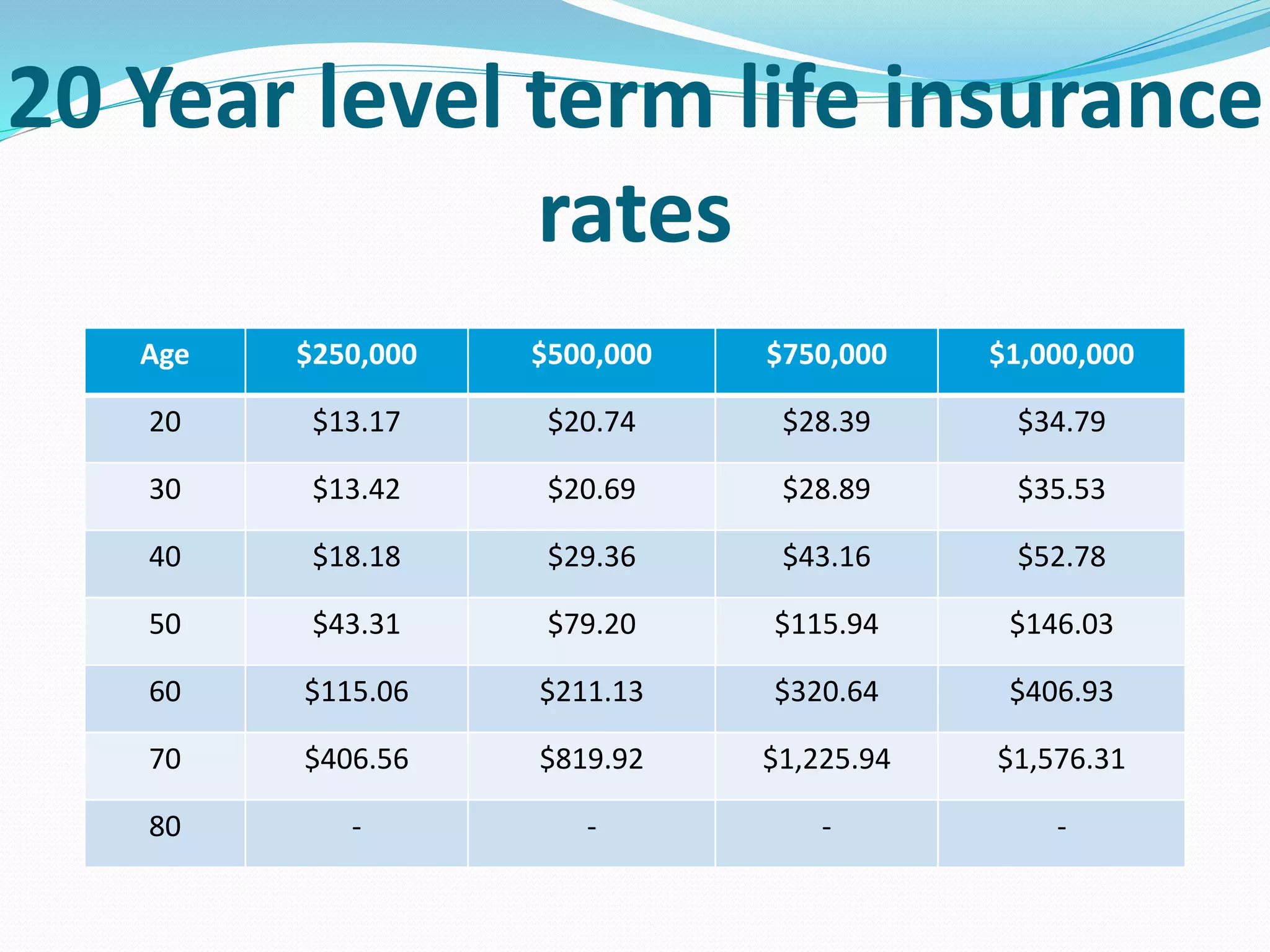
Age is the most significant factor in life insurance pricing. Because mortality risk increases as you grow older, applying for a policy at age 35 will almost always result in lower premiums than applying at age 55 for the same benefit amount. Gender also plays a role in statistical life expectancy, with data historically showing that females tend to have longer life expectancies, which can sometimes influence the base rate structure for certain products.
2. Health History and Medical Underwriting
The medical exam—or in some cases, accelerated underwriting—is the gateway to your rate class. AIG reviews your current health status, including body mass index (BMI), cholesterol levels, and blood pressure. Furthermore, your medical history, including any chronic conditions or past surgeries, is scrutinized. If you have a clean bill of health, you are more likely to qualify for "Preferred" or "Preferred Plus" rate levels, which represent the most competitive pricing available.
3. Lifestyle and Habits
Your daily choices act as variables in your risk profile. Tobacco use is the most impactful lifestyle factor; smokers almost universally fall into higher premium brackets due to the increased correlation between nicotine use and severe health conditions. Additionally, participation in high-risk hobbies—such as skydiving, scuba diving, or professional racing—can lead to "flat extras" or surcharges added to your base rate level.
4. Policy Type and Duration
The structure of the policy itself dictates the rate. Term life insurance, which provides coverage for a specific period (e.g., 10, 20, or 30 years), generally offers the most affordable premiums because the coverage is temporary. Conversely, permanent life insurance products, such as Universal Life, carry higher initial premiums because they include a cash value component and provide coverage for your entire lifetime, provided the premiums are paid.
Comparing AIG Rate Classes
AIG, like many major carriers, utilizes a tiered system to categorize applicants. These tiers are standardized across the industry, though the specific criteria for each can vary.
| Rate Class | Profile Expectation | Relative Cost |
|---|---|---|
| Preferred Plus | Exceptional health, no tobacco, optimal BMI | Lowest |
| Preferred | Very good health, minor manageable issues | Low |
| Standard Plus | Good health, slightly elevated markers | Moderate |
| Standard | Average health for age, some ongoing medications | Higher |
| Substandard | Managed chronic conditions or higher risks | Highest |
Note: This table is for illustrative purposes. Actual classification depends on internal AIG underwriting guidelines at the time of application.
The Role of Accelerated Underwriting
In 2026, AIG and other major insurers increasingly utilize "accelerated underwriting" programs. This process allows eligible applicants to skip the traditional invasive medical exam. By using electronic health records, prescription drug databases, and motor vehicle reports, AIG can verify your health data digitally. If you qualify for this pathway, you might receive a rate level decision in a fraction of the time required for traditional full-medical underwriting. However, it is important to note that if the initial data is inconclusive, the insurer retains the right to request a full medical exam, which could lead to a different rate class than initially estimated.
Steps to Optimize Your Rate Level
While some factors—like age and family history—are beyond your control, you can take steps to move into a more favorable rate class.
- Prioritize Lifestyle Improvements: Showing a trend of improved health markers over several months can sometimes be documented during the underwriting process.
- Tobacco Cessation: If you are a smoker, quitting is the single most effective way to lower your premiums. Most insurers require a one-year to two-year period of being tobacco-free to qualify for non-smoker rates.
- Accuracy in Application: Always provide honest, complete information. If an insurer discovers an omission or falsehood during the medical review, it may result in a denial of coverage or a re-rating to a much more expensive premium tier.
- Shop Strategically: Understand the death benefit amount you truly need. Requesting a $2,000,000 policy when your financial obligations only justify $500,000 may unnecessarily push your premium into a higher cost bracket.
Common Misconceptions About Insurance Rates
Many applicants believe that "no medical exam" policies are the best option for everyone. While these are convenient, they often come with higher "rate levels" because the insurer assumes a higher risk by not seeing the applicant's medical data. Another misconception is that your rate is permanent. While premiums for a term policy are guaranteed to remain level for the term duration, your "rate class" is locked in at the time of issuance. If your health improves significantly after the policy is issued, you generally cannot ask for a lower rate; you would need to apply for a new policy, which may not be cost-effective due to your increased age.
Frequently Asked Questions
Can I change my AIG rate level after the policy is issued? Generally, no. Once a policy is issued, your rate class is locked for the duration of the policy term. To secure a lower rate, you would typically need to apply for a new policy based on your current health and age, which may not be advantageous as you get older.
Do all AIG products have the same underwriting requirements? No. Simplified issue products often have less stringent underwriting but higher premiums for the coverage amount. Fully underwritten products require more documentation but often provide the lowest possible rate levels for healthy individuals.
How does family history affect my AIG rate? If you have a significant family history of specific hereditary diseases (such as heart disease or cancer) occurring at an early age, it may move you into a higher rate class. Underwriters view this as a potential indicator of future health risks.
Are there additional costs beyond the base premium? Yes, some policies may include administrative fees or "policy fees." Additionally, if you add riders (such as accidental death benefits or waiver of premium riders), these will increase your total premium level.
What should I do if I am declined at a preferred rate? If you are offered a standard or substandard rate instead of the preferred rate you expected, ask for an explanation. Occasionally, there may be a misunderstanding regarding your medical records. If the rating is accurate, you may choose to accept the policy, shop with other carriers, or work on health improvements before reapplying in the future.
Final Next Actions
To determine the best path for your specific situation, gather your medical records, a list of current prescriptions, and a clear picture of your financial obligations. Contact an independent life insurance agent or an AIG representative to run a "quote comparison" based on your current age and health markers. Because underwriting guidelines change periodically, ensure you are reviewing the current 2026 guidelines provided by the insurer. Focus on obtaining a policy that balances the necessary death benefit with a premium that remains sustainable for your long-term budget.