AI-generated lead magnets for home and auto insurance agents allow for the rapid creation of high-value, personalized educational content that addresses specific policyholder pain points. By leveraging generative models to synthesize complex insurance regulations, maintenance checklists, and risk-assessment data, agents can deliver immediate utility to prospects in exchange for contact information, effectively warming cold leads before human outreach begins.
The Strategic Value of AI in Lead Generation
In the competitive landscape of the 2026 insurance market, traditional lead generation tactics—such as generic newsletters or outdated brochures—no longer command the same attention. Consumers expect high levels of personalization and technical accuracy. For insurance agents, the primary challenge is scaling the creation of professional-grade content without diverting time away from active client management and policy servicing.
Artificial Intelligence functions as a force multiplier in this workflow. It can ingest complex datasets, such as regional weather pattern reports, local property risk factors, and evolving state-specific insurance statutes, to generate white papers or calculators tailored to an agent's specific territory. This enables the agent to act as a localized authority, establishing trust through relevant information rather than broad-spectrum advertising.
Core Prerequisites for AI-Driven Content
Before deploying AI to generate lead magnets, agents must establish a foundation of data integrity and compliance. Insurance is a highly regulated sector; an AI model can hallucinate or suggest inaccurate coverage logic if not properly constrained.
- Fact-Checking Protocols: All AI-generated output must be reviewed by a licensed professional. AI is excellent at formatting and drafting, but it does not inherently understand the nuances of state-specific insurance law.
- Brand Voice Calibration: Generic content fails to convert. Agents must supply the AI with a "style guide" or examples of previous successful communications to ensure the output sounds like the agency, not a machine.
- Regulatory Compliance: Ensure that any content generated does not violate solicitation laws or Fair Credit Reporting Act (FCRA) guidelines. Never promise specific coverage results, as premiums are always subject to underwriting approval.
High-Impact Lead Magnet Ideas
To generate qualified leads, the content must solve a specific problem. For home and auto owners, the focus should shift toward risk mitigation and financial optimization.
1. Hyper-Local Risk Assessment Reports
Instead of a generic guide, use AI to aggregate public safety data for specific zip codes. An AI can analyze historical records regarding local fire hazard levels, flood plain proximity, and auto theft statistics. The lead magnet would be a custom-generated "Property Safety & Risk Profile" that helps the homeowner understand why their specific area may require specialized endorsements.
2. The "Policy Gap" Interactive Checklist
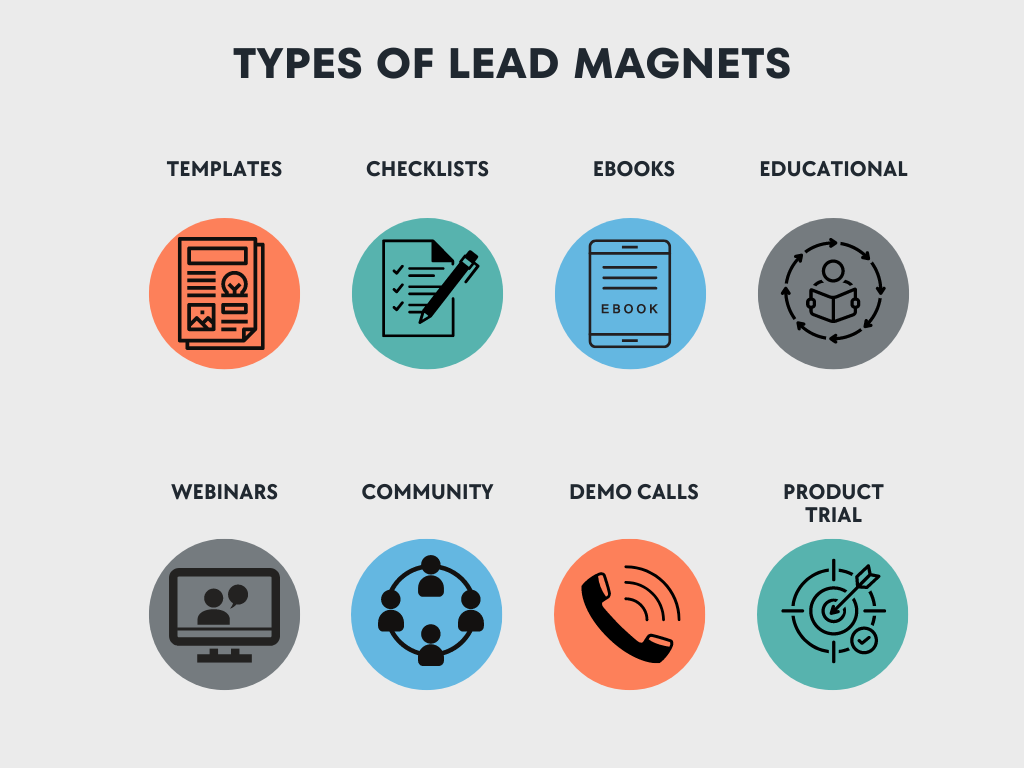
AI can structure a logical, easy-to-read audit of common coverage oversights. For example, a home insurance prospect might not realize their policy excludes specific types of water damage or lacks adequate replacement cost coverage for recent home renovations. The lead magnet is a digital checklist where users input basic variables, and the AI provides a "coverage alert" report that triggers a follow-up conversation with the agent.
3. Vehicle Maintenance and Depreciation Guides
For auto insurance, focus on long-term value. Create a "Total Cost of Ownership" calculator as a lead magnet. Users enter their vehicle make and model, and the AI generates a projection of maintenance costs over five years, coupled with tips on how specific safety features (like ADAS—Advanced Driver Assistance Systems) impact their premiums.
Comparative Analysis of Lead Magnet Formats
| Format | Technical Complexity | User Engagement | Agency Effort |
|---|---|---|---|
| PDF White Papers | Low | Moderate | Moderate |
| Interactive Calculators | High | Very High | High |
| Email Mini-Courses | Low | High | Low |
| Risk-Assessment Reports | Moderate | High | Moderate |
Implementing the Workflow
The implementation phase involves a structured approach to ensure the technology serves the business. Begin by identifying the "Top 3" questions your clients ask during the onboarding process. Use these questions as the prompt foundation for your AI model.
- Ideation: Feed your most common client questions into an LLM (Large Language Model) to generate structural outlines for e-books or checklists.
- Drafting: Utilize AI to expand on the outlines, ensuring you maintain a tone that balances empathy with technical expertise.
- Refinement: Insert specific references to your agency’s local operating region, carrier partnerships, and established expertise.
- Distribution: Host the content on a landing page behind a simple lead-capture form. Ensure your CRM (Customer Relationship Management) system is integrated to notify you immediately upon a download.
Addressing Regulatory and Technical Risks
It is essential to acknowledge that AI is not a substitute for professional liability or legal counsel. All lead magnets must contain clear disclaimers stating that the information provided is for educational purposes and does not constitute a binding offer of insurance.
Furthermore, data privacy is paramount. When using AI tools to build lead magnets, ensure you are not inputting non-public personal information (NPPI) about existing clients into public or non-secure AI models. Keep the data used for generating lead magnets limited to general, non-identifiable information. If you use custom tools, verify that your service provider complies with current industry cybersecurity standards, which are increasingly stringent in 2026.
Common Pitfalls to Avoid
Many agents fall into the trap of "automating for the sake of volume." AI-generated content that reads as repetitive or overly robotic will alienate your prospects. To avoid this, consider these guidelines:
- Avoid Generic Advice: If your lead magnet tells a homeowner to "install a smoke detector," it provides zero value. If it details the specific types of smart home fire detection systems that lead to the largest insurance discounts in your specific state, it becomes essential reading.
- Don’t Overlook Design: Even the most brilliant AI-generated copy requires professional layout. Use modern design templates to ensure the output looks like a high-end agency asset.
- The Follow-Up Gap: The lead magnet is merely the "hook." The biggest failure point for agents is the lack of a timely, human follow-up. Use the data gathered to personalize your initial phone call or email.
FAQ: Leveraging AI for Insurance Leads
How do I ensure my AI-generated content complies with insurance advertising laws? All advertising material must be reviewed by your compliance department or principal agent. AI output should be treated as a draft. Ensure every statement regarding coverage is supported by standard policy definitions rather than AI-generated assumptions.
Can I use AI to write my email follow-up sequence? Yes. Once a prospect downloads your lead magnet, you can use AI to draft personalized nurture sequences based on the specific content they accessed. However, always inject human nuance to acknowledge specific concerns raised in the download.
Is it safe to put sensitive client data into an AI tool? No. Never upload non-public personal information (NPPI) into public AI models. Only use non-sensitive, aggregated data to build your educational assets.
How often should I update these lead magnets? Insurance statutes and risk environments change regularly. Set a calendar reminder every six months to have your AI-assisted drafts reviewed and updated with the latest regulations, inflation-adjusted data, and recent regional trends.
What is the best way to distribute these magnets? Integrate them into your existing social media strategy, agency blog, and email signatures. The goal is to make the lead magnet the centerpiece of your digital ecosystem.
Final Recommendation
Start by building a single, high-utility "Regional Risk Mitigation Guide." Focus on one specific niche, such as "Home Insurance Considerations for Mountain-Region Homeowners." By keeping the focus narrow and the content hyper-relevant to your specific location, you increase the likelihood of attracting high-intent prospects who value specialized knowledge. Use the AI to handle the heavy lifting of data organization, but reserve the final review and branding for human experts. This hybrid approach ensures you remain an advisor rather than a commodity provider.