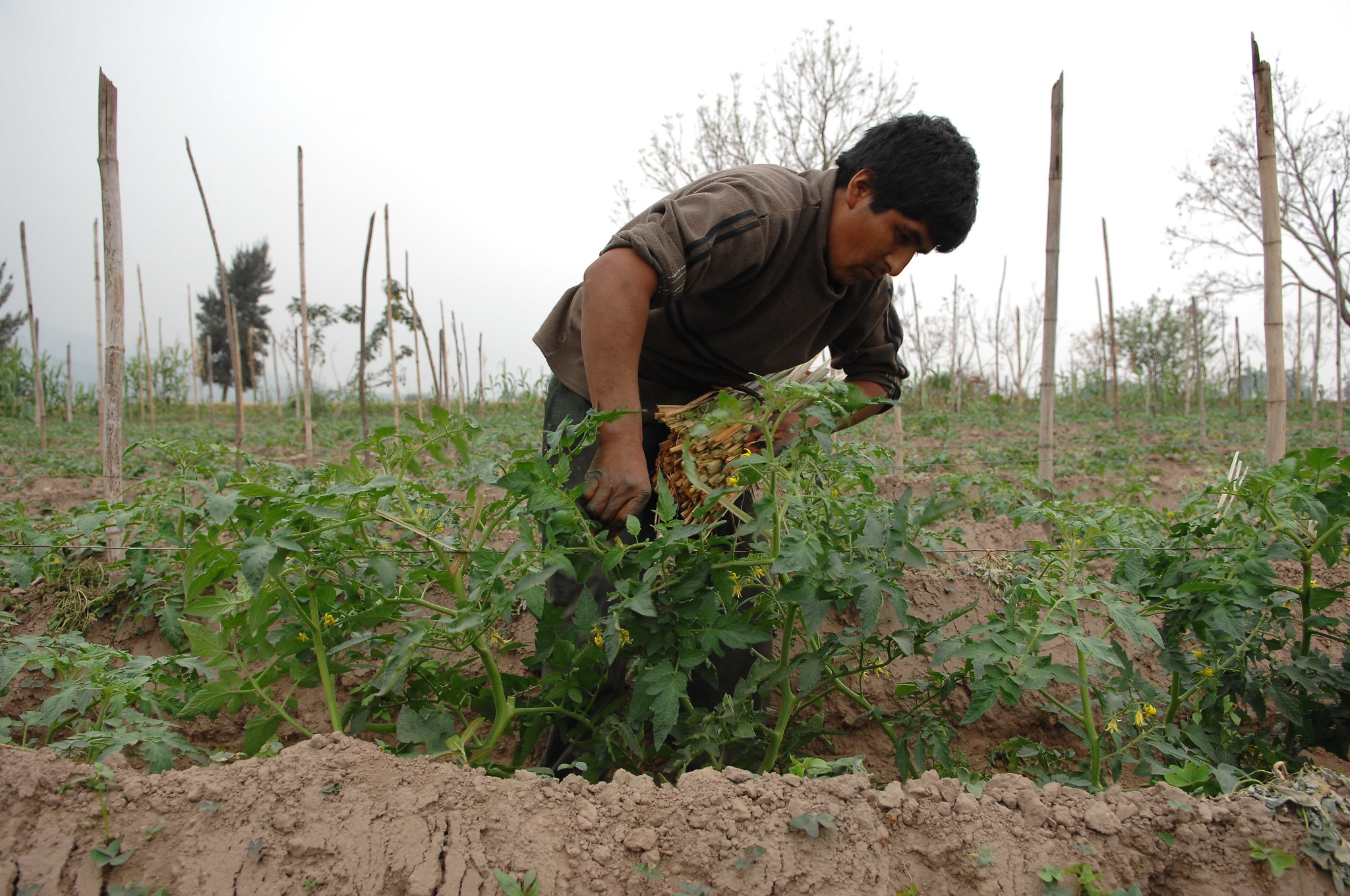
Argentina is a premier global agricultural producer, fundamentally shaped by the fertile Pampas and a sophisticated AgTech ecosystem. As of 2026, it ranks as a top exporter of soybean meal, oil, maize, and beef, serving as a critical pillar for national GDP and playing a vital role in international food security.
The agricultural sector in Argentina is not merely a segment of the economy; it is the nation’s primary engine for foreign exchange and a global benchmark for efficient, large-scale farming. With over 30 million hectares of arable land and a climate that allows for diverse production, the country has transitioned from traditional ranching to a high-tech, data-driven industry. To understand the current landscape of Argentine agriculture in 2026, one must analyze the convergence of geographic advantages, technological innovation, and the complex macroeconomic policies that govern its output.
The Geographical Foundations: The Pampas and Beyond
The heart of Argentine agriculture lies in the Pampas, a vast, fertile plain covering the provinces of Buenos Aires, Santa Fe, Córdoba, La Pampa, and Entre Ríos. This region possesses some of the deepest and most nutrient-rich topsoil in the world, comparable to the American Midwest or the Ukrainian black earth. The temperate climate and reliable rainfall patterns—though increasingly challenged by volatility—have historically allowed for double-cropping, where farmers harvest wheat in early summer and immediately plant soybeans for a late-autumn harvest.
Beyond the Pampas, Argentina’s agricultural footprint extends into diverse ecological zones:
- The Cuyo Region: Located at the foothills of the Andes, particularly in Mendoza and San Juan, this area is the epicenter of the wine industry and olive production.
- The Northwest (NOA): Provinces like Tucumán and Salta specialize in citrus fruits (Argentina is a leading lemon exporter) and sugarcane.
- The Northeast (NEA): This region focuses on rice, yerba mate, and forestry, benefiting from a subtropical climate.
- Patagonia: The southern reaches are dedicated to extensive sheep farming for wool and, in the valley regions of Río Negro, high-quality apple and pear production for export.
Key Commodities and Production Dynamics
As of 2026, Argentina’s production remains dominated by the "Big Three" grains—soybeans, maize, and wheat—alongside its world-renowned livestock sector.
The Soybean Complex
Soybeans are the cornerstone of the Argentine economy. Unlike the United States, where a large portion of soy is consumed domestically, Argentina exports nearly 90% of its production. The country has specialized in the "soybean complex," which involves processing raw beans into high-value soybean meal and oil. According to data from the Bolsa de Comercio de Rosario, the crushing capacity along the Paraná River is one of the most efficient globally, allowing for rapid export to Asian and European markets.
Maize and Wheat
Maize (corn) has seen a significant surge in acreage over the last decade. Improved seed genetics and a shift in domestic policy have encouraged farmers to move away from soybean monoculture toward more sustainable crop rotations. Wheat remains the primary winter crop, essential for domestic consumption and exports to neighboring Brazil.
The Livestock Sector: Beef and Beyond
Argentine beef is a global brand associated with grass-fed quality. In 2026, the industry continues to balance traditional pasture-based grazing with modern feedlot finishing. While domestic consumption remains high—a central part of Argentine culture—the focus has shifted toward high-value European and Asian quotas (such as the Hilton Quota). The traceability of Argentine cattle, aided by digital ear tags and blockchain technology, has become a standard requirement for accessing premium international markets.
Technological Innovation and "Siembra Directa"
Argentina is a global leader in the adoption of No-Till Farming (Siembra Directa). Over 90% of the country’s row crops are planted using this method, which involves planting seeds directly into the residue of the previous harvest without plowing the soil.
Why No-Till Matters
This practice is critical for several reasons:
- Moisture Retention: It preserves soil humidity, which is vital during the increasingly frequent "La Niña" drought cycles.
- Carbon Sequestration: By not disturbing the soil, carbon remains trapped, helping the sector meet 2026 sustainability targets.
- Cost Efficiency: It reduces the need for heavy machinery passes, lowering fuel consumption and labor costs.
Furthermore, the Argentine AgTech ecosystem has exploded. Startups focusing on satellite imaging, variable rate application (VRA) for fertilizers, and biological pesticides (bio-inputs) are now integral to farm management. These technologies allow producers to maximize yields even when faced with high input costs and fluctuating global commodity prices.
Infrastructure and the Logistics of Export
The efficiency of Argentine agriculture is inextricably linked to the Paraná River. Approximately 80% of the country’s agricultural exports are shipped via the river ports centered around Rosario (the "Up-River" hub).
The strategic advantage of this location is unparalleled: ocean-going vessels can sail deep into the Argentine heartland, docking within kilometers of the processing plants and grain elevators. However, as of 2026, the industry faces ongoing challenges regarding the dredging of the waterway to accommodate larger "Post-Panamax" ships. Ensuring a deep-water channel is essential for maintaining competitive freight costs compared to Brazil and the United States.
Internal logistics rely heavily on trucking, with the rail network undergoing a slow but necessary modernization. The cost of transporting grain from the northern provinces to the ports remains a significant bottleneck for producers in remote areas.
Economic Policy and the Impact of Export Taxes
The primary challenge for Argentine producers in 2026 is the complex fiscal environment. The government has historically utilized retenciones (export duties) as a major source of revenue.
- Mechanism: When a farmer exports soybeans, the government takes a percentage (historically between 30% and 33%) of the gross value before the farmer receives payment.
- Currency Controls: Restrictions on the exchange of Argentine Pesos for US Dollars often create a "gap" between the official exchange rate and the market rate, effectively acting as an additional tax on the producer.
As of 2026, the administration's policy toward these duties remains a central point of tension. While there have been moves toward gradual reduction to stimulate investment, the need for fiscal stability often keeps these taxes in place. This has led to the widespread use of silobolsas (large white plastic storage bags), which allow farmers to store grain on-site and wait for better price or exchange rate conditions before selling.
Sustainability and Climate Challenges
The agricultural sector in Argentina is at the frontline of climate change. The 2026 season continues to show the volatility of the El Niño-Southern Oscillation (ENSO) cycles. Severe droughts, such as those witnessed in the early 2020s, can evaporate billions of dollars from the national economy in a single season.
In response, there is a growing movement toward Regenerative Agriculture. This includes the use of cover crops (like vetch or rye) during the winter to prevent erosion and improve soil health. Additionally, the Instituto Nacional de Tecnología Agropecuaria (INTA) is leading research into drought-resistant seed varieties, such as the HB4 wheat and soy technology, which was developed in Argentina to withstand water stress.
| Commodity | Typical Planting Window | Typical Harvest Window | Primary Export Destinations |
|---|---|---|---|
| Soybeans | Oct - Jan | Mar - May | China, India, EU (Meal/Oil) |
| Maize | Sept - Dec | Mar - Aug | Vietnam, Egypt, Algeria |
| Wheat | May - July | Nov - Jan | Brazil, Indonesia, Chile |
| Beef | Year-round | Year-round | China, Germany, Israel |
| Lemons | N/A (Perennial) | Apr - Aug | USA, EU, Russia |
FAQ: Understanding Argentine Agriculture
Why is Argentina so competitive in soybean production?
Argentina’s competitiveness stems from its geographical concentration. The world’s most efficient crushing plants are located within 300 kilometers of the primary production zones, all with direct access to deep-water ports. This minimizes inland transport costs, which are a major expense in countries like Brazil or the US. Additionally, the early and universal adoption of GMO technology and no-till farming has optimized yields.
What are "Retenciones" and how do they affect the market?
Retenciones are export taxes levied by the Argentine government on agricultural commodities. Because they are applied to the gross export value, they significantly reduce the farmer's profit margin. In 2026, these taxes remain a contentious issue because while they fund government programs, they also discourage investment in fertilizers and technology that could further increase production.
How does the 2026 economic climate impact Argentine farmers?
The 2026 economic climate is characterized by a push toward deregulation, though inflation and currency volatility remain factors. Farmers often act as their own "central banks," holding grain in silobolsas as a hedge against inflation. Access to credit is a primary hurdle, as high interest rates make it difficult to finance new machinery or land expansion.
Is Argentine beef still the best in the world?
While "best" is subjective, Argentine beef remains a global leader in quality due to the traditional grass-fed systems of the Pampas. The natural proteins in Argentine pastures produce a distinct flavor profile and marbleization. In 2026, the industry has also mastered the "Certified Argentine Angus" branding, which ensures strict quality controls for the luxury export market.
What role does AgTech play in Argentina today?
AgTech is no longer a niche; it is standard practice. Argentine farmers use "Prescription Farming," where drones and satellites identify specific areas of a field that need more water or fertilizer. This precision reduces waste and environmental impact. Argentina is also a hub for biotech, developing its own patented seeds that are now being licensed to other countries.
How is climate change affecting Argentine harvests?
Climate change has increased the frequency of extreme weather events. The "Agricultural Frontier" has moved further north and west into more arid regions, making production more vulnerable to rainfall fluctuations. Consequently, water management and the development of stress-tolerant crops have become the top priorities for Argentine researchers in 2026.
Strategic Recommendation for 2026
For stakeholders looking to engage with Argentina’s agricultural sector in 2026, the focus should be on value-added processing and AgTech integration. The era of simply exporting raw grains is evolving into a more complex industry of biofuels, specialized animal feed, and "green" certified commodities.
Investors and partners should prioritize regions with established irrigation infrastructure to mitigate climate risks and look toward the growing "Bio-economy" sector. Monitoring the updates from the Ministerio de Economía regarding export tax schedules and currency unification remains essential for any long-term financial planning in the region. Argentine agriculture remains a resilient, high-output system that continues to innovate in the face of both natural and economic adversity.