In botanical classification, Agonis is a genus of evergreen trees and shrubs within the family Myrtaceae, endemic to the biodiverse regions of Southwest Western Australia. Historically a much larger group, the genus was significantly redefined in 2007, separating many species into the genera Taxandria and Paragonis based on distinct morphological and molecular characteristics.
The study of Agonis provides a fascinating window into the evolution of the Australian flora, particularly within the Myrtaceae family—one of the most dominant plant families on the continent. To understand Agonis in 2026, one must look beyond its popular horticultural presence and examine the rigorous taxonomic shifts that have defined its current status. This classification reflects a broader movement in botany toward more precise phylogenetic groupings, ensuring that genus names accurately represent shared evolutionary lineages.
The Taxonomic History and the 2007 Revision
For much of the 20th century, the genus Agonis (derived from the Greek agon, meaning a cluster or assembly, referring to the tight flower heads) was used as a "catch-all" for a variety of Western Australian Myrtaceous plants. However, as botanical techniques advanced, researchers identified significant inconsistencies within the group.
The definitive moment for Agonis classification occurred in 2007. In a seminal paper published in the journal Nuytsia (Volume 16), botanists Juliet Wege and Judith Wheeler conducted a comprehensive revision of the genus. Their research demonstrated that the traditional circumscription of Agonis was polyphyletic, meaning it included species that did not share a single immediate common ancestor.
To resolve this, the majority of species previously classified under Agonis were moved into two newly created genera:
- Taxandria: This genus now contains the bulk of what were formerly Agonis species, such as Taxandria linearifolia and Taxandria parviceps.
- Paragonis: A monotypic genus created specifically for Paragonis grandiflora (formerly Agonis grandiflora).
As of 2026, the genus Agonis sensu stricto (in the narrow sense) is limited to just four recognized species and several subspecies, most notably the iconic Agonis flexuosa.
Botanical Hierarchy and Family Context
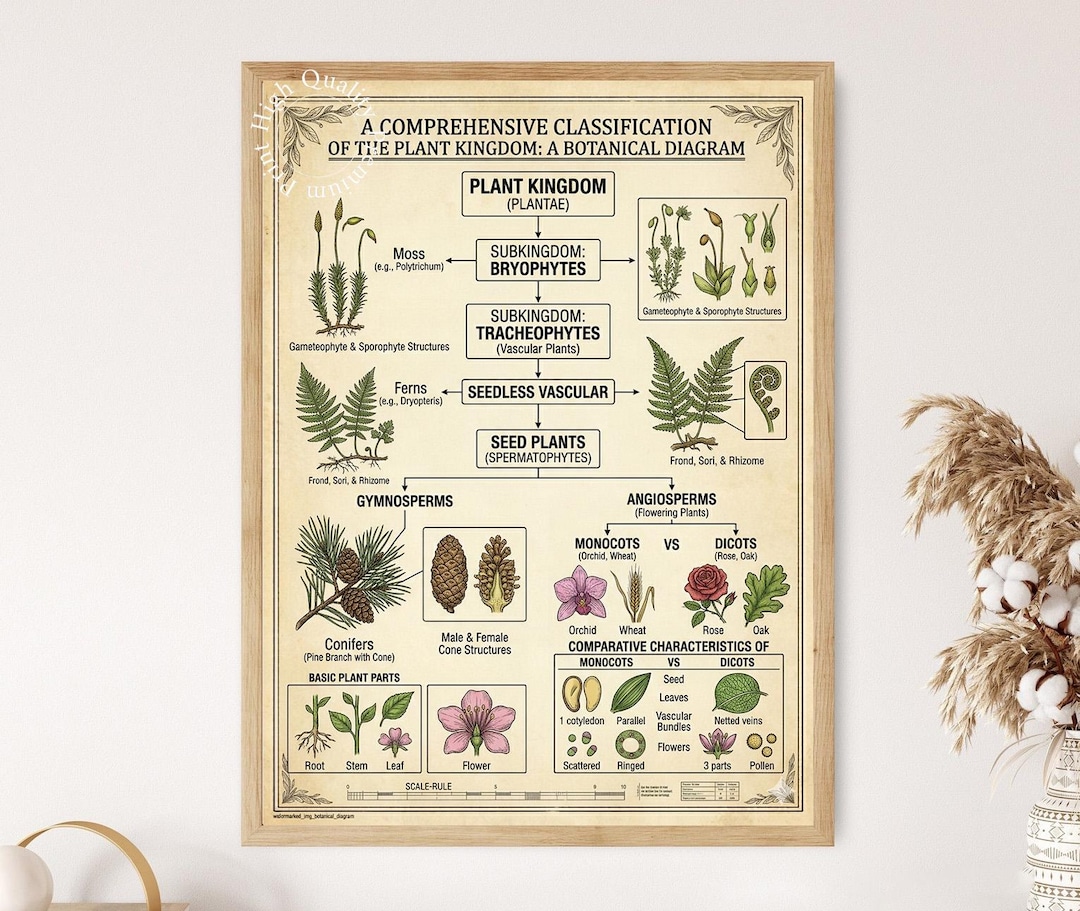
To place Agonis accurately within the plant kingdom, it is necessary to follow its hierarchical path. This classification highlights its relationship with other well-known Australian genera like Eucalyptus, Melaleuca, and Leptospermum.
- Kingdom: Plantae (Plants)
- Clade: Angiosperms (Flowering plants)
- Order: Myrtales
- Family: Myrtaceae (The Myrtle family)
- Subfamily: Myrtoideae
- Tribe: Leptospermeae
- Genus: Agonis
The family Myrtaceae is characterized by several unifying features, including oily, aromatic leaves (due to essential oil glands) and flowers with numerous stamens. Agonis sits within the tribe Leptospermeae, a group often referred to as the "tea tree tribe." This tribe is characterized by woody fruiting capsules that generally persist on the plant, a trait Agonis shares with its close relatives.
Morphological Characteristics of Agonis
Classification is primarily driven by morphology—the physical form and structure of the plant. Agonis is distinguished from its relatives by several key botanical markers.
Foliage and Phyllotaxy
Unlike many other genera in the Myrtaceae family that may have opposite leaves, Agonis species feature alternate leaves. These leaves are typically narrow, simple, and contain prominent oil glands that release a distinct peppermint or eucalyptus-like aroma when crushed. This aromatic quality is a major diagnostic tool in the field.
Inflorescence and Floral Structure
The flowers of Agonis are relatively small but are grouped into dense, globose (spherical) heads. This arrangement is a primary reason for the genus name. Each individual flower typically possesses:
- Five white petals: Occasionally tinged with pink.
- Sepals: Usually five, small and often persistent.
- Stamens: In Agonis sensu stricto, the stamens are arranged in bundles or are at least somewhat clustered opposite the petals, a feature that helps distinguish them from Leptospermum.
- Ovary: Typically 3-celled, which is a critical point of differentiation from Taxandria.
Fruit and Seeds
The fruit is a woody capsule. In Agonis, these capsules are fused into a woody ball or cluster. When the seeds reach maturity, the valves of the capsule open to release them. The architecture of these capsules, specifically the number of locules (chambers) and the way they dehisce (open), is a primary factor used by taxonomists to separate Agonis from Taxandria.
Comparative Analysis: Agonis vs. Taxandria
The 2007 split remains the most confusing aspect of this genus for non-botanists. The following table outlines the technical differences used to classify these plants today.
| Feature | Agonis (Sensu Stricto) | Taxandria |
|---|---|---|
| Number of Species | 4 (approx.) | 11 (approx.) |
| Ovary Locules | 3 | 3 (but with different ovule counts) |
| Ovules per Locule | Numerous (usually 6–14) | Exactly 2 |
| Stamen Arrangement | Clustered in groups | Uniformly distributed |
| Inflorescence | Dense globose heads | Variable, often more open clusters |
| Fruit | Strongly fused woody clusters | Usually individual or lightly clustered |
This table illustrates that the number of ovules per locule is the "smoking gun" for botanical classification in this group. While a gardener might see two similar-looking shrubs, a taxonomist with a hand lens looks at the internal structure of the developing fruit to determine the genus.
Key Species within the Genus Agonis
As of 2026, the following species represent the core of the genus Agonis.
1. Agonis flexuosa (Western Australian Peppermint)
This is the type species for the genus and the most widely recognized. It can grow as a substantial tree, often reaching 10–15 meters in height. It is characterized by its weeping habit and fibrous, fissured bark.
- Subspecies: There are two primary subspecies: A. flexuosa subsp. flexuosa (the common form) and A. flexuosa subsp. recurva (a more compact, shrubby form found on the south coast).
2. Agonis baeckiyacea
A smaller, more shrubby species compared to A. flexuosa. It is found in more specific niches within the Southwest Australian Floristic Region. Its classification is maintained due to its stamen structure and ovule count aligning with the Agonis type.
3. Agonis theiformis
This species is often mistaken for Leptospermum due to its smaller leaves and white flowers. However, its globose flower heads and clustered stamens place it firmly within Agonis.
4. Agonis undulata
Recognized by its distinctively wavy (undulate) leaf margins. This morphological trait is a clear indicator for field identification, though the underlying floral structure remains the basis for its generic classification.
The Significance of Endemism
The classification of Agonis is deeply tied to its geography. The genus is entirely endemic to the Southwest Australia Biodiversity Hotspot. This region is known for its nutrient-poor soils and Mediterranean climate, which have driven high levels of speciation and endemism.
From a botanical classification perspective, Agonis represents a lineage that has adapted specifically to these conditions. Unlike Leptospermum, which has a broad distribution across Australia, New Zealand, and Southeast Asia, Agonis is a "relictual" genus that has evolved in relative isolation. This makes its classification vital for conservation efforts; because these plants are found nowhere else on Earth, precise identification ensures that specific evolutionary lineages are protected.
Common Misclassifications and Challenges
Despite the 2007 revision, Agonis is still frequently misidentified in both commercial and amateur circles.
- The "Tea Tree" Confusion: Many people refer to Agonis as "Peppermint Tea Tree." This is problematic because "Tea Tree" generally refers to Leptospermum or Melaleuca. While they are in the same tribe, their seed-release mechanisms and stamen arrangements are different.
- Horticultural Names: Many cultivars, such as Agonis flexuosa 'Afterdark', are popular in landscaping. Because these names are used for trade, they often lag behind taxonomic updates. You may still find Taxandria species sold under the Agonis name in some nurseries.
- Hybridization: While natural hybrids are rare, the similarities between species in the Southwest can lead to field identification errors without close inspection of the fruit.
Practical Guidance for Identification and Classification
For those needing to verify the classification of a specimen, the following steps are recommended by the Western Australian Herbarium:
- Examine the Leaves: Confirm they are alternate and possess visible oil glands.
- Inspect the Flowers: Look for the characteristic five petals and check if the stamens are in bundles opposite the petals.
- Dissect the Fruit: This is the most certain method. Count the ovules or seeds. If there are only two per chamber, you are likely looking at Taxandria. If there are many, it is likely Agonis.
- Check the Location: If the plant is not in a garden and is growing wild outside of Western Australia, it is highly unlikely to be an Agonis unless it is a naturalized population of A. flexuosa.
Frequently Asked Questions
Is Agonis flexuosa the same as a Peppermint Tree?
Yes, Agonis flexuosa is commonly known as the Western Australian Peppermint or Willow Myrtle. However, it should not be confused with the genus Mentha (culinary peppermint) or certain Eucalyptus species that also carry the "peppermint" common name. The name refers to the scent of the crushed leaves, not the plant's botanical relationship to herbs.
Why was Taxandria split from Agonis?
The split was necessary because DNA sequencing and detailed morphological studies showed that the species now in Taxandria were more closely related to each other than they were to Agonis flexuosa. In modern botany, a genus must be monophyletic (descended from a single common ancestor). Keeping them together was technically incorrect.
How many species of Agonis exist in 2026?
Currently, only four species are recognized in the genus Agonis sensu stricto: A. flexuosa, A. baeckiyacea, A. theiformis, and A. undulata. Several other plants previously called Agonis are now classified as Taxandria (11 species) or Paragonis (1 species).
Can I use Agonis for essential oil production?
Agonis flexuosa is indeed used for essential oil extraction. The oil is rich in cineole and terpinen-4-ol, similar to Eucalyptus and Tea Tree oil. Its classification as a member of the Myrtaceae family correctly predicts this chemical profile, as high oil content is a family-wide trait.
What is the most reliable way to tell Agonis from Leptospermum?
The most reliable way is the inflorescence. Agonis flowers are clustered into tight, ball-like heads (globose), whereas Leptospermum flowers are typically solitary or in very small, open groups along the stems. Additionally, Agonis leaves are always alternate, while some other Myrtaceae can have opposite leaves.
Next Actions for Botanical Identification
If you are working with a specimen you believe to be an Agonis, your next action should be to consult the FloraBase (the Western Australian Flora database) or the Australian Plant Census (APC). These resources provide the most up-to-date nomenclature. For field identification, a high-magnification hand lens (10x or 20x) is essential to view the stamen bundles and fruit locules that define this genus in the modern botanical record.